Recipe
Servings
Servings 1×
Ingredients
- Salmon
- Honey
- Soy sauce or tamari
- Salt
Method
- Prepare the ingredients described in the article and heat the cooking surface or oven as directed.
- Cook the main ingredients using the heat and timing guidance in the article.
- Finish with the seasonings and garnishes named in the article, then serve.
You want dinner in 15 minutes, but you also want it to taste like you actually tried. Enter: honey soy salmon bites. They’re fast, glossy, salty-sweet, and just sticky enough to make you consider licking the spoon (do it, just don’t burn your tongue). The trick isn’t a long marinade. It’s a quick sear plus a glaze that reduces in the pan at the exact moment the salmon finishes cooking. Timing is the whole game.
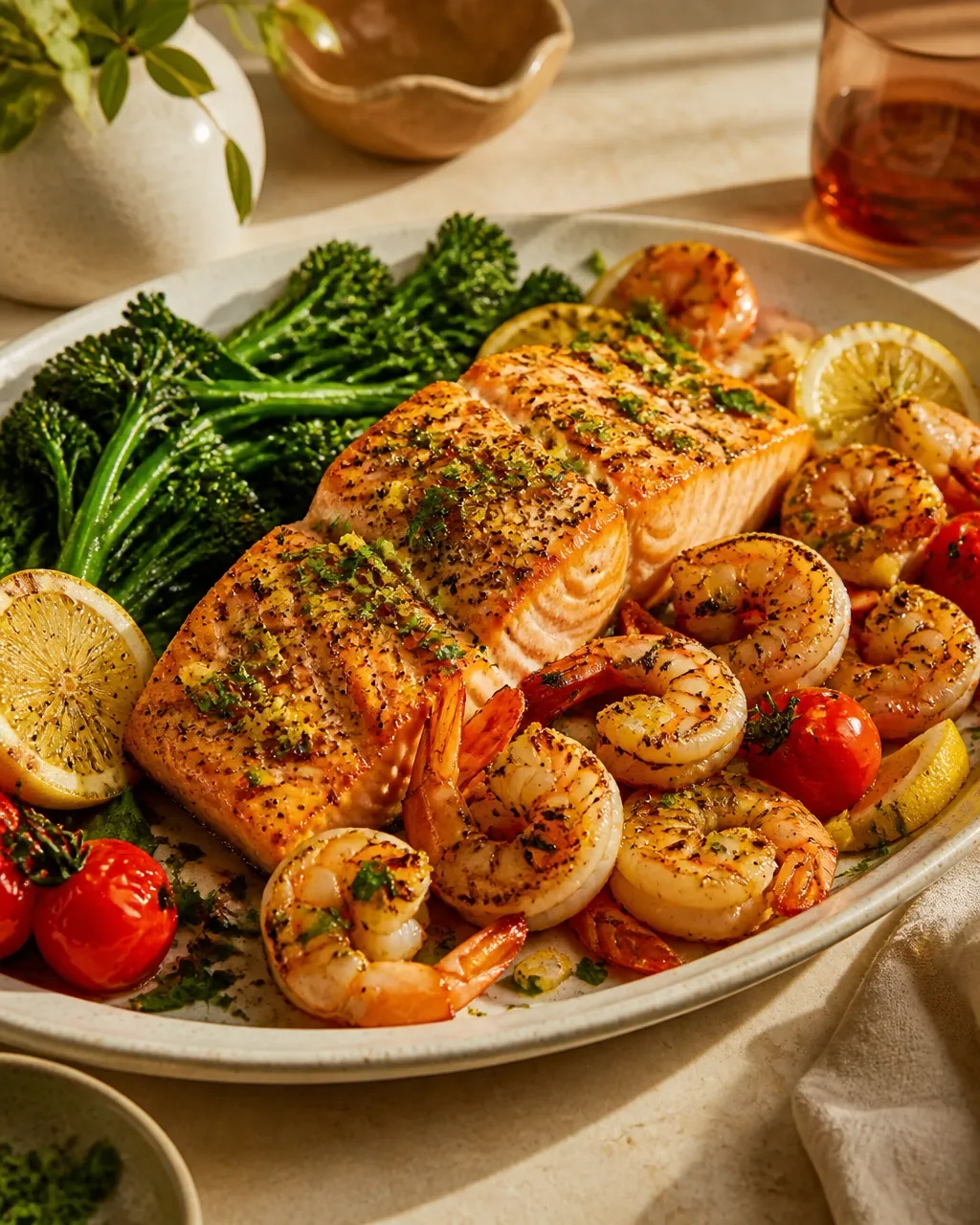
Tips & Technique: Make Sticky Glaze Happen Fast (Without Overcooking the Fish)
Cut small, cook fast (and evenly)
Use 1-inch chunks. This isn’t just for cute “bites” energy, small cubes solve the biggest weeknight salmon problem: overcooked edges with undercooked centers. Bite-size pieces cook through in minutes, so you can focus on browning + glazing instead of babysitting a thick fillet.
Non‑negotiable: keep the pieces similar in size. Uneven cubes = some dry, some raw, and everyone gets moody.
Dry salmon = browning, not steaming
Pat the salmon dry like you mean it. Surface moisture is the enemy of searing. Wet fish steams, turns pale, and then the glaze slides right off instead of clinging.
Do this:
- Use paper towels and press firmly.
- Salt lightly right before cooking (soy sauce is already bringing the salt).
Avoid this:
- Tossing salmon straight from the package into a hot pan. That’s basically asking for “sad beige salmon.”
Use high heat first, then calm down
Start on medium-high heat to get color quickly. Browning adds savory depth that makes the glaze taste more complex than “honey + soy.” Once you’ve got some golden edges, turn the heat down before adding honey.
Why? Honey is mostly sugar, and sugar can go from “sticky and perfect” to “bitter and scorched” in a blink. You’re aiming for a gentle bubble that thickens the sauce, not a bonfire.
Don’t crowd the pan (seriously)
Crowding lowers pan temperature and traps steam. That blocks browning and makes the salmon leak more moisture, which thins the glaze.
Coach-y rule: one layer, with breathing room. If your pan looks like salmon Tetris, cook in two batches. Yes, it’s an extra minute. No, you won’t regret it.
Add sauce at the end, your “15-minute marinade”
A lot of recipes rely on marinating for flavor. You don’t have that time (and you shouldn’t need it). Instead, mix your honey + soy + aromatics in a bowl, then add it to the pan once the salmon is mostly cooked.
Here’s the science-y why:
- The hot pan drives off water quickly.
- The sauce concentrates as it reduces.
- Sugars thicken into a syrupy glaze that clings to the salmon.
That’s how you get “sticky” without waiting 30–60 minutes.
Pull early and let carryover heat finish
Salmon keeps cooking after you turn off the heat. If you wait until it’s fully done in the pan, it’ll coast right into dry territory.
Do this:
- Stop cooking when the centers look just barely opaque.
- Let the pan sit off heat for 1–2 minutes to thicken the glaze and finish the fish gently.
Want it extra glossy?
You’ve got two easy options:
- Reduce longer (but only on low/medium-low so honey doesn’t scorch).
- Use a micro-slurry: a tiny bit of cornstarch mixed with cold water, whisked into the sauce before it hits the pan. This is the “restaurant cheat” for fast cling, use it when you want bulletproof stickiness in a true 15-minute sprint.
This is exactly the kind of weeknight win that keeps quick family meals from feeling like you’re repeating the same three dinners forever.
Variations: Same 15 Minutes, Different Personalities
Hot honey soy (sweet-heat balance)
Add chili flakes, sriracha, or a dab of chili crisp to the sauce. Heat makes the sweetness feel less candy-like and more grown-up. Keep it modest, too much spice can overwhelm salmon’s delicate flavor.
Ginger-lime pop (brighter, less heavy)
Add grated ginger and finish with lime zest or a squeeze of lime off heat. Acid cuts through the sticky glaze and makes each bite taste sharper and fresher, great if you’re chasing healthy dinner ideas without sacrificing “wow.”
Garlic-butter honey soy (richer, more indulgent)
Add a small knob of butter at the end and toss until it melts into the glaze. Butter rounds out saltiness and makes the sauce feel thicker even without reducing forever. Use this when you want comfort-food vibes in a short time window.
Citrus-soy swap (lighter sweetness)
Replace some or all of the honey with orange marmalade or a spoon of apricot jam. It still glazes fast, but the fruit adds a little tang and complexity. Keep the heat lower, jams scorch easily.
Air fryer approach (when you want hands-off)
Yes, this can slide into your rotation of air fryer recipes dinner: air-fry the salmon bites quickly for browning, then toss with the warmed glaze (or reduce the glaze separately). The key is still the same: don’t cook the fish to death while you chase stickiness.
If you love air-fryer shortcuts, check out Cookpedia’s air-fryer comfort lineup:
- https://cookpedia.com/kielbasa-pierogi-air-fryer-roast-the-ultimate-comfort-food-cheat-code
- https://cookpedia.com/air-fryer-sausage-pepper-onion-medley-the-ultimate-one-basket-crowd-pleaser
Side Dish Pairings: Build a Balanced Plate (Sweet + Salty Needs a Counterpoint)
Steamed rice (the glaze magnet)
Rice is the obvious move because it absorbs sauce like a sponge and keeps the meal feeling complete. Use jasmine for fragrance or brown rice for a nuttier backbone.
Crunchy cucumber salad (acid + crunch)
Use cucumbers with rice vinegar (or lemon), a pinch of salt, and sesame seeds. That cool crunch cuts the glaze’s sweetness and stops the meal from feeling sticky-heavy.
Fast broccoli or snap peas (green + bitter edge)
Quick-steam broccoli or snap peas until bright green and crisp-tender. A little bitterness and vegetal bite balances the honey soy richness. Finish with a squeeze of lemon to wake everything up.
Simple noodles (when you want “takeout at home”)
Toss noodles with a tiny bit of sesame oil and a splash of soy, then pile salmon bites on top. Add scallions for freshness. Keep noodles lightly seasoned so the salmon stays the star.
FAQ: What If…?
What if my glaze won’t thicken?
Check these three things:
- Too much liquid in the pan. If your salmon released a lot of moisture (often from not drying it), the sauce has to evaporate more water before it can turn syrupy. Fix it next time by drying thoroughly and not overcrowding.
- Heat is too low. You need a steady simmer to reduce. Turn it up slightly until you see active bubbles, then watch closely.
- Ratio is off. If there’s not enough sugar (honey/jam), you’ll struggle to get that clingy texture. Sweetness is doing structural work here, not just flavor.
What if the glaze tastes burnt or bitter?
That’s scorched honey. Lower the heat before adding the sauce, and don’t walk away. Sugars caramelize fast; past a certain point they go bitter. If it’s already burnt, don’t try to “save it” with more honey: you’ll just get sweet + burnt. Wipe the pan and start the sauce again (it’s quick).
What if my salmon sticks to the pan?
Usually one of these:
- The pan wasn’t hot enough before the fish went in.
- The salmon was wet.
- You tried to flip too early.
Let the salmon sear undisturbed for a minute or two. Proteins often release naturally once a crust forms. Use a thin spatula and commit to a clean flip.
What if my salmon turns dry?
You overcooked it: probably by chasing browning for too long or reducing sauce on high heat while the fish stayed in the pan.
Fix it:
- Pull earlier (salmon should be just opaque).
- Reduce sauce on lower heat.
- Use carryover heat as your finishing tool.
This is the #1 rule for 15 minute meals: stop cooking sooner than you think.
What if I only have frozen salmon?
It can work, but do it properly:
- Thaw quickly and safely (cold water method works fast).
- Drain and dry aggressively: frozen fish releases more moisture.
- Expect less browning if it’s still wet. Drying is your best lever.
What if I want this less sweet?
Reduce the honey and add brightness instead:
- Add rice vinegar or lime juice off heat.
- Add grated ginger or more garlic.
- Add a little chili for contrast.
Sweetness is what makes it “sticky,” so don’t remove it entirely: rebalance it.
What if I’m using an air fryer and the glaze keeps sliding off?
Air fryers brown well, but they don’t reduce sauces. Cook the salmon bites first, then:
- Reduce the glaze in a small pan until thick, or
- Warm it briefly and toss, then let it sit a minute so it clings.
That’s how you keep air fryer recipes dinner from turning into “nice fish with watery sauce.”
What if I need to scale this up for more people?
Cook the salmon in batches. This is not optional. Crowding kills browning and gives you thin glaze. Keep finished batches warm on a plate, then return everything to the pan for a final quick toss in the thickened sauce.
This is one of those quick family meals that scales beautifully( as long as you respect the pan.)
{“@type”:”Article”,”about”:[“15 minute meals”,”salmon”,”honey soy glaze”,”weeknight dinner”],”image”:[“https://cdn.marblism.com/Y0SkIYuALLP.webp”,”https://cdn.marblism.com/wY-9BCVD-_8.webp”,”https://cdn.marblism.com/h2oolMpBP9W.webp”,”https://cdn.marblism.com/exhshe-UgIr.webp”,”https://cdn.marblism.com/i5khIyDM25D.webp”],”@graph”:[{“@type”:”FAQPage”,”mainEntity”:[{“name”:”What if my glaze won’t thicken?”,”@type”:”Question”,”acceptedAnswer”:{“text”:”If the glaze won’t thicken, the pan likely has too much water from wet salmon or crowding, the heat is too low to reduce, or the sweet-to-salty ratio is off. Dry the salmon well, cook in batches, simmer to reduce, and keep enough honey for structure.”,”@type”:”Answer”}},{“name”:”What if the glaze tastes burnt or bitter?”,”@type”:”Question”,”acceptedAnswer”:{“text”:”Burnt or bitter glaze usually means scorched honey. Lower the heat before adding sauce and don’t leave it unattended. If it’s burnt, wipe the pan and remake the sauce quickly rather than adding more honey.”,”@type”:”Answer”}},{“name”:”What if my salmon sticks to the pan?”,”@type”:”Question”,”acceptedAnswer”:{“text”:”Salmon sticks when the pan isn’t hot enough, the fish is wet, or you flip too early. Preheat properly, pat salmon dry, and let it sear undisturbed until it releases after forming a crust.”,”@type”:”Answer”}},{“name”:”What if my salmon turns dry?”,”@type”:”Question”,”acceptedAnswer”:{“text”:”Dry salmon is overcooked. Pull it when just opaque, reduce glaze over gentler heat, and rely on carryover heat to finish cooking while the sauce thickens.”,”@type”:”Answer”}},{“name”:”What if I only have frozen salmon?”,”@type”:”Question”,”acceptedAnswer”:{“text”:”Thaw frozen salmon quickly and safely, then drain and dry it thoroughly. Frozen fish releases more moisture, so aggressive drying improves browning and helps the glaze cling.”,”@type”:”Answer”}},{“name”:”What if I want this less sweet?”,”@type”:”Question”,”acceptedAnswer”:{“text”:”Reduce honey slightly and add brightness (lime juice or rice vinegar) off heat, plus ginger, garlic, or chili for contrast. Keep some honey for stickiness.”,”@type”:”Answer”}},{“name”:”What if I’m using an air fryer and the glaze keeps sliding off?”,”@type”:”Question”,”acceptedAnswer”:{“text”:”Air fryers don’t reduce sauces. Air-fry salmon bites for browning, then reduce the glaze separately until thick (or warm and rest briefly) before tossing so it clings.”,”@type”:”Answer”}},{“name”:”What if I need to scale this up for more people?”,”@type”:”Question”,”acceptedAnswer”:{“text”:”Cook salmon in batches to avoid crowding, which prevents browning and thins the glaze. Keep batches warm, then toss everything together in the thickened sauce at the end.”,”@type”:”Answer”}}]}],”author”:{“url”:”https://cookpedia.com”,”name”:”Cookpedia”,”@type”:”Organization”},”@context”:”https://schema.org”,”headline”:”15-Minute Honey Soy Salmon Bites”,”publisher”:{“url”:”https://cookpedia.com”,”name”:”Cookpedia”,”@type”:”Organization”},”mainEntityOfPage”:{“@id”:”https://cookpedia.com”,”@type”:”WebPage”},”isAccessibleForFree”:true}