Recipe
Servings
Servings 1×
Ingredients
- Tofu
- Chickpeas
- Black beans
- Beans
- Quinoa
- Rice
- Greek yogurt
- Potatoes
- Sweet potatoes
- Cauliflower
- Broccoli
- Carrots
- Mushrooms
- Greens
- Corn
- Avocado
- Onion
- Lemon
Method
- Use a large sheet pan and ensure your vegetables are spread out in a single layer with visible air between them.
- Use a high-smoke-point oil like avocado or grapeseed if you’re pushing the temp, but a good olive oil works beautifully for that classic Mediterranean depth.
- Roast sweet potatoes and corn with smoked paprika and cumin.
- Keep your "fresh" elements, like avocado, sprouts, or herbs, in a separate container.
If you have a sheet pan and a dream, you’re about halfway to the best meal of your week. The Buddha bowl isn’t just a trend; it’s the ultimate solution for anyone looking for plant-based dinner ideas that don't feel like a compromise. It’s a texture-driven, color-saturated masterpiece that turns "eating your veggies" into something you actually look forward to. I’m going to show you how to master the art of the roast and the balance of the bowl so you can conquer your kitchen with confidence.
The Science of the Perfect Roast
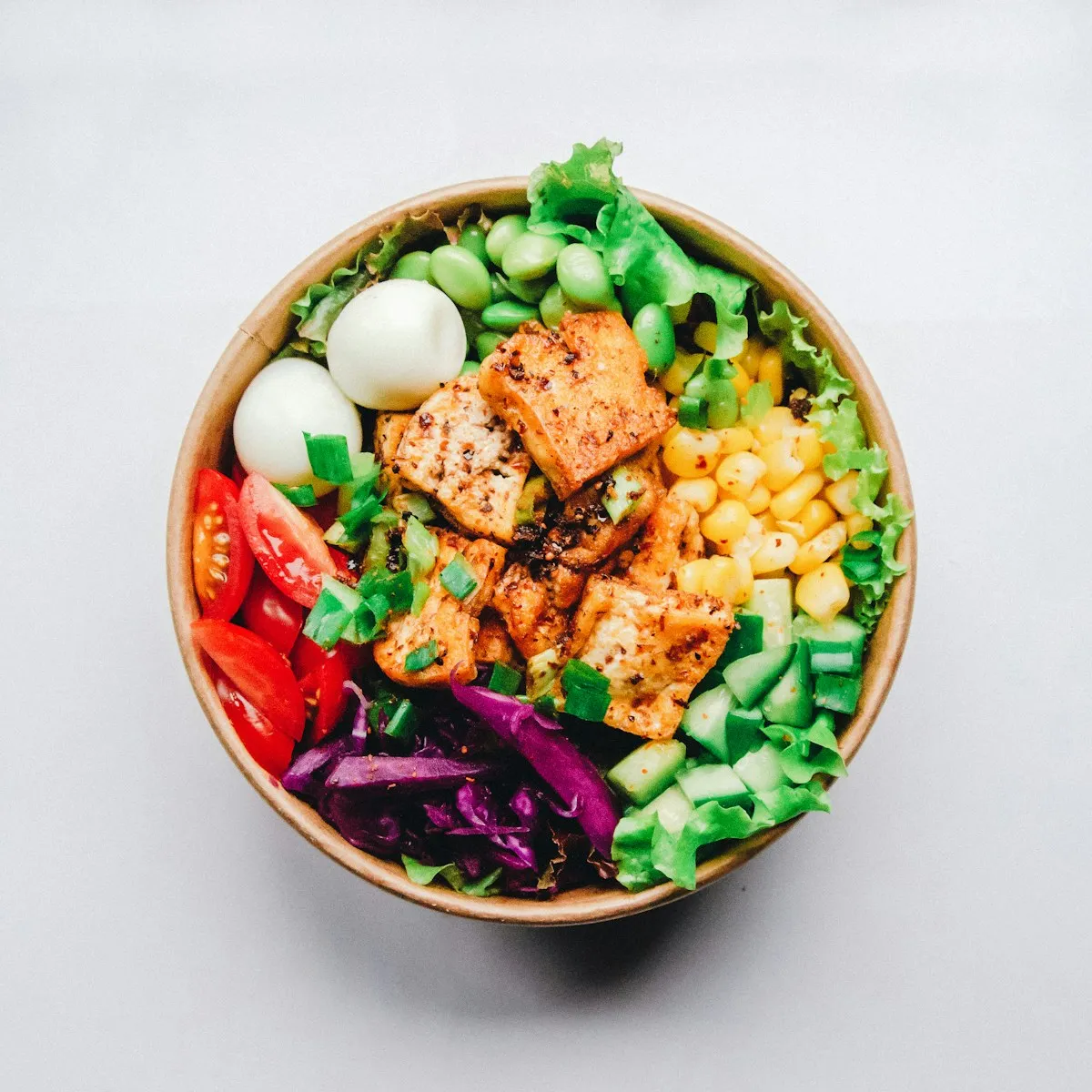
Stop settling for soggy, limp vegetables. The secret to a bowl that actually satisfies lies in the Maillard reaction, that magical chemical dance between amino acids and reducing sugars that happens at high heat. When you roast vegetables, you are effectively dehydrating them, concentrating their natural sugars and creating that deep, savory "browned" flavor. This is why a roasted carrot tastes like candy while a boiled one tastes like… well, sadness.
To get there, you must respect the space. Use a large sheet pan and ensure your vegetables are spread out in a single layer with visible air between them. If you crowd the pan, the water escaping from the vegetables will turn into steam, and you’ll end up with a mushy mess instead of crispy edges. Aim for a high temperature, usually between 400°F and 425°F. This high-heat environment forces the exterior to crisp up before the interior turns to mush.
Fat is your conductor. Don’t be shy with the oil, but don’t drown them either. You want a thin, glistening coat on every surface to help the heat transfer evenly. Use a high-smoke-point oil like avocado or grapeseed if you’re pushing the temp, but a good olive oil works beautifully for that classic Mediterranean depth. Salt your vegetables immediately before they go into the oven. Salt draws out moisture; if you do it too early, you'll end up with a puddle on your tray.
The assembly of healthy weeknight dinners like this follows a simple 50/25/25 rule: 50% roasted and fresh vegetables, 25% complex grains, and 25% protein. This ratio ensures you aren't just eating a bowl of rice with a few garnishes. It makes the meal nutritionally dense and incredibly filling. When layering, place your warm grains at the bottom so they can soak up any stray juices from the roasted stars of the show.
Flavor Profiles and Clever Variations
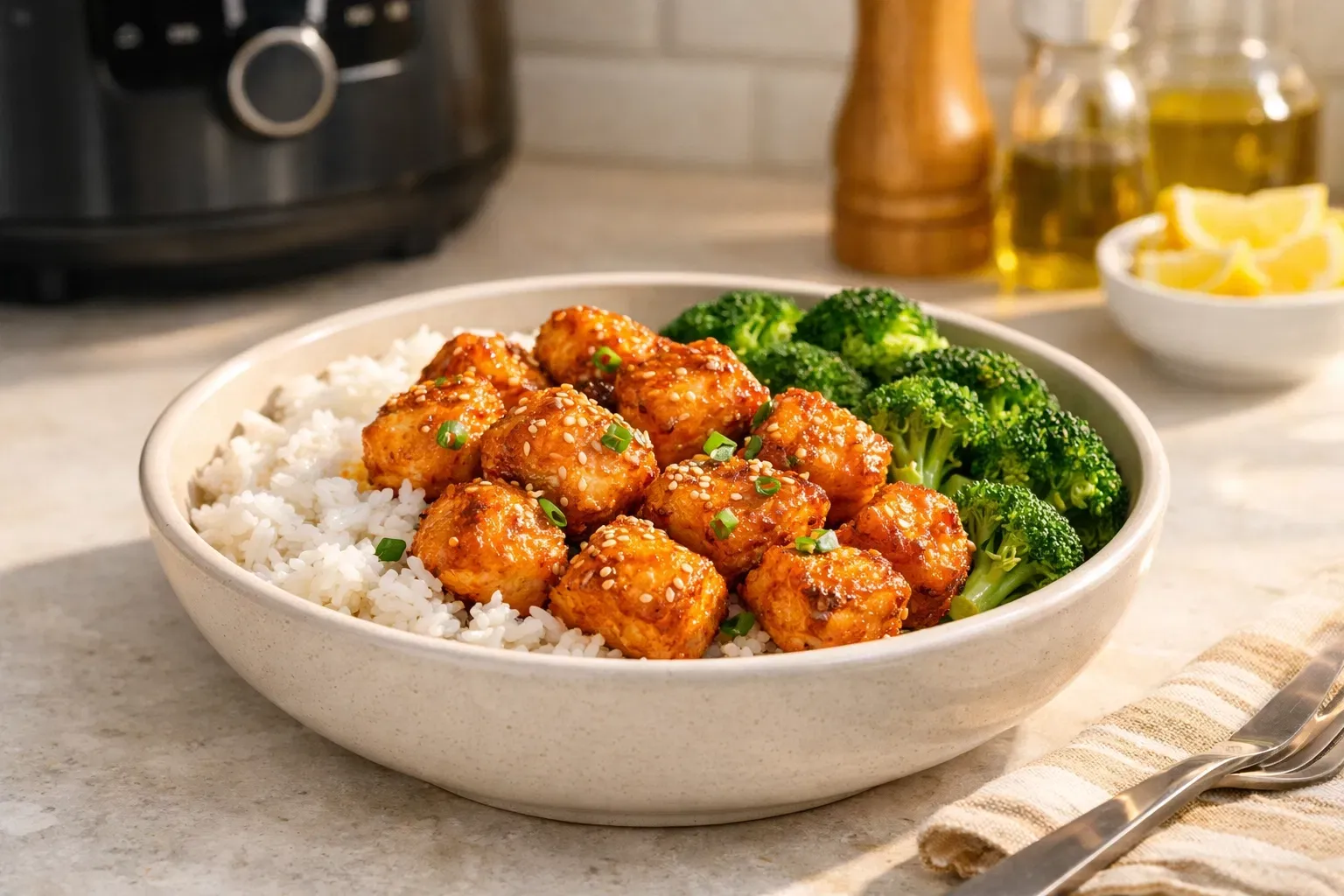
Once you master the base technique, the world is your vegetable crisper. You can pivot the entire vibe of the bowl just by swapping your spice blend and sauce. For a Mediterranean spin, roast eggplant, red onions, and bell peppers with dried oregano and lemon zest. Pair this with a dollop of hummus or a glossy tahini sauce to tie the earthiness together.
If you’re craving something with a kick, lean into Southwest flavors. Roast sweet potatoes and corn with smoked paprika and cumin. The sweetness of the potato against the smoky char of the corn creates a complex profile that doesn't need much more than a squeeze of lime and some black beans. For those exploring more plant-based dinner ideas, try adding roasted chickpeas or crispy tofu to the mix. Roasting your protein on the same tray as your veggies, a technique we love for quick family meals, saves on cleanup and ensures everything is seasoned uniformly.
Don't forget the grains. While quinoa is the gold standard for its protein content, don't sleep on farro or bulgur. Farro provides a chewy, nutty texture that stands up remarkably well to heavy roasted roots like beets or parsnips. If you’re looking for a lighter option, cauliflower rice or a bed of shredded cabbage works perfectly to keep the bowl fresh and crunchy.
Balancing the Bowl with Side Pairings
A Buddha bowl is technically a complete meal, but the right side can elevate it from a "Tuesday night staple" to a feast. Since roasted vegetables are inherently sweet and rich, you need acidity and crunch to balance the palate. A simple arugula salad with a sharp lemon vinaigrette is the perfect companion. The peppery bite of the greens cuts through the creaminess of a tahini dressing or the starchiness of roasted potatoes.
If your bowl is particularly savory, think roasted mushrooms and miso-glazed broccoli, pair it with something fermented. Kimchi or quick-pickled red onions provide a probiotic boost and a bright pop of vinegar that refreshes the tongue between bites. These small additions are what make healthy weeknight dinners feel intentional and gourmet rather than just a collection of leftovers.
Common Obstacles: The Buddha Bowl FAQ
Why are my roasted vegetables always soggy instead of crispy?
Check your pan spacing and your oven temperature. You are likely crowding the tray or roasting at too low a temperature (below 400°F). Moisture needs to escape and evaporate instantly for browning to occur. Also, ensure your vegetables are completely dry after washing them before you add the oil.
Can I meal prep these bowls without them getting weird?
Yes, but you have to be strategic. Store your roasted vegetables and grains together, as they can both be reheated. Keep your "fresh" elements, like avocado, sprouts, or herbs, in a separate container. Most importantly, keep the sauce on the side. Nobody likes a soggy grain.
What if I don't have time for a 40-minute roast?
Go small. The smaller you dice your vegetables, the faster they cook. A 1/2-inch dice on a sweet potato will roast in half the time of a 1-inch cube. Alternatively, use your air fryer. It’s essentially a high-powered convection oven that can achieve that "roasted" finish in about 15-20 minutes for most brassicas and roots.
Do I really need a sauce?
Absolutely. The sauce is the glue. Without it, you just have a bowl of dry ingredients. A good sauce should hit at least three notes: fat (tahini/oil/yogurt), acid (lemon/vinegar), and salt (soy/sea salt/miso). If your bowl feels "missing something," it's usually a hit of acid.
Are these bowls actually filling enough for dinner?
If you follow the 50/25/25 rule, yes. The fiber from the vegetables and grains combined with the healthy fats in the dressing and the protein (tofu, beans, or nuts) creates a high satiety level. If you're still hungry, increase the portion of complex grains or add a healthy fat like sliced avocado.
{“@type”:”BlogPosting”,”image”:”https://cdn.marblism.com/PSBimOYuicj.webp”,”author”:{“name”:”Cookpedia”,”@type”:”Organization”},”@context”:”https://schema.org”,”headline”:”Roasted Vegetable Buddha Bowls”,”keywords”:”plant-based dinner ideas, healthy weeknight dinners, Buddha bowl, roasted vegetables”,”publisher”:{“logo”:{“url”:”https://cdn.marblism.com/r31hCYxu5lk.webp”,”@type”:”ImageObject”},”name”:”Cookpedia”,”@type”:”Organization”},”description”:”Master the art of the perfect plant-based Buddha bowl with these expert roasting techniques and assembly tips for healthy weeknight dinners.”,”datePublished”:”2026-05-22″,”mainEntityOfPage”:{“@id”:”https://cookpedia.com/roasted-vegetable-buddha-bowls”,”@type”:”WebPage”}}