Recipe
Servings
Servings 1×
Ingredients
- Chicken
- Carrots
- Balsamic vinegar
- Honey
- Butter
- Chili seasoning
- Black pepper
Method
- Prepare the ingredients described in the article and heat the cooking surface or oven as directed.
- Cook the main ingredients using the heat and timing guidance in the article.
- Finish with the seasonings and garnishes named in the article, then serve.
If you have ever felt like your weeknight chicken has become a repetitive chore, you are in the right place. We all need those reliable, healthy dinner ideas that feel like a restaurant treat but come together with minimal fuss. Today, I am walking you through one of my absolute favorites: Balsamic Glazed Chicken Thighs with Roasted Vegetables. It is sweet, tangy, and deeply savory: a perfect balance that transforms simple ingredients into a high-impact meal.
The Science of the Perfect Glaze and Juicy Thighs
To master this dish, you have to understand the "why" behind the technique. It starts with the chicken itself. While many reach for breasts, I am a firm believer that bone-in, skin-on thighs are the secret to quick family meals that never go dry.
Why Thighs Rule the Roost
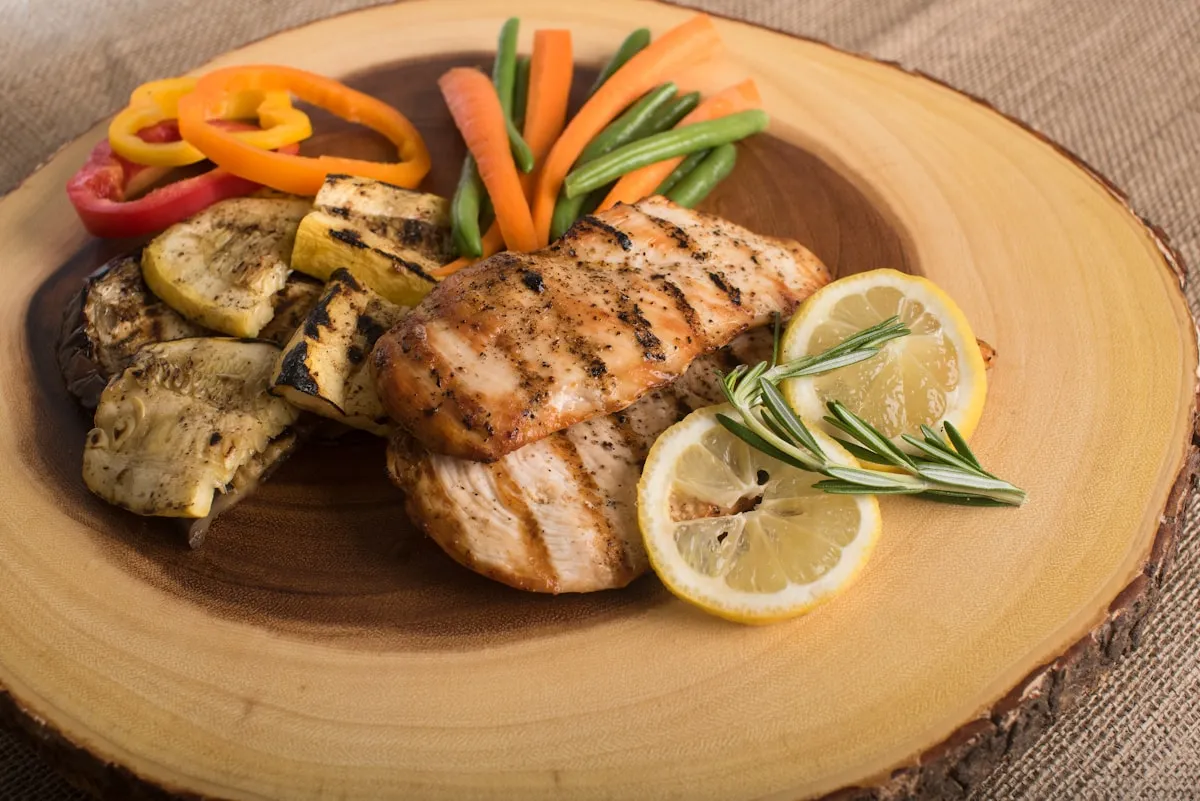
Chicken thighs are composed of dark meat, which contains more fat and connective tissue (collagen) than white meat. When you apply high heat, that collagen breaks down into gelatin, providing a succulent mouthfeel that breasts simply cannot match. To get that legendary crispy skin, you must start by searing the chicken skin-side down in a hot pan. This initiates the Maillard reaction: the chemical reaction between amino acids and reducing sugars that gives browned food its distinctive flavor. Use a heavy skillet and resist the urge to move the meat; let it develop a deep, golden crust before you even think about flipping it.
The Chemistry of Balsamic Reduction
A balsamic glaze is not just vinegar poured over meat. It is a reduction. As you simmer balsamic vinegar with a touch of honey or brown sugar, the water content evaporates, concentrating the natural sugars and acidity. This transforms a thin liquid into a viscous, syrupy glaze that clings to the chicken.
Be careful with the heat here. Sugars burn easily. Keep the simmer gentle and look for the "coat the back of a spoon" consistency. If the glaze is too thin, it will slide off the chicken and pool at the bottom of the pan; too thick, and it becomes a sticky, bitter mess. If you want a professional finish, whisk in a knob of cold butter right at the end. The fat in the butter emulsifies with the acidic vinegar, creating a glossy sheen and a velvety texture that feels incredibly luxurious.
Vegetable Caramelization
When we roast vegetables like carrots or Brussels sprouts alongside the chicken, we are looking for caramelization. High heat (around 400°F to 425°F) is non-negotiable. At these temperatures, the natural sugars in the vegetables undergo pyrolysis, creating those sweet, charred edges we love. If you crowd the pan, the vegetables will release steam and end up mushy. Give them space! A single layer ensures that dry heat can circulate, giving you that perfect "crunch-tender" result.
Flavor Variations to Try
One of the best things about this recipe is its versatility. Once you have the basic technique down, you can pivot based on what is in your pantry.
- The Mediterranean Twist: Add some dried oregano and a handful of Kalamata olives to the roasting pan. The saltiness of the olives cuts through the sweetness of the balsamic glaze beautifully.
- The Spicy Kick: If you enjoy a bit of heat, whisk a teaspoon of red pepper flakes or a dollop of Calabrian chili paste into your glaze. The capsaicin provides a sharp contrast to the rich, fatty chicken.
- The Air Fryer Adaptation: If you are looking for air fryer recipes dinner style, you can absolutely make this work. Roast the vegetables first, then add the glazed chicken for the final 12-15 minutes. The concentrated heat of the air fryer is fantastic for rendering chicken fat quickly, making it a staple for healthy dinner ideas.
Side Dish Pairings for a Balanced Plate
While this is a complete meal on its own, adding a starch can help soak up every last drop of that incredible balsamic sauce.
- Grains: A simple bed of fluffy quinoa or couscous works wonders. The neutral flavor of the grain acts as a canvas for the punchy glaze.
- Potatoes: If you have a bit more time, sweet potato fries provide a lovely earthy sweetness that echoes the notes in the balsamic reduction.
- Greens: If the dish feels too rich, pair it with a crisp arugula salad dressed in nothing but lemon juice and olive oil. The peppery acidity of the arugula refreshes the palate between bites of the savory chicken.
Frequently Asked Questions
Can I use balsamic vinaigrette instead of a glaze?
Avoid using pre-mixed salad dressings. Most vinaigrettes contain gums, thickeners, and too much oil, which won't reduce properly and can break under high oven heat. Stick to high-quality balsamic vinegar and a sweetener like honey to ensure you get that iconic sticky finish.
Why is my balsamic glaze bitter?
Bitterness usually comes from two things: over-reduction or poor-quality vinegar. If you boil the glaze for too long, the sugars will burn. If you start with a very cheap balsamic that is high in lead or artificial coloring, the flavor will only get worse as it concentrates. Buy a "Balsamic Vinegar of Modena" for the best results.
How do I keep the chicken skin from getting soggy?
The trick is to only glaze the chicken during the last 5 to 10 minutes of roasting. If you pour the glaze over the skin at the beginning, the moisture in the glaze will prevent the skin from crisping. Sear the skin first, roast it dry, and then apply the glaze as a finishing touch. This is a crucial step for quick family meals where texture matters as much as flavor.
Can I make this with chicken breasts?
You can, but you must be careful. Breasts lack the fat and connective tissue of thighs, meaning they overcook in an instant. If you use breasts, reduce the roasting time and use a meat thermometer to pull them out exactly at 165°F. Personally, I’d stick with thighs for the most forgiving and flavorful experience.
Can I prep the vegetables in advance?
Yes! You can chop your carrots, onions, and roasted broccoli a day in advance. Just keep them in an airtight container in the fridge. Do not toss them in the glaze until you are ready to roast, otherwise the salt and acid will draw out too much moisture and make them soggy before they ever hit the oven.
{“@type”:”BlogPosting”,”image”:”https://cdn.marblism.com/38ood75xH2D.webp”,”author”:{“name”:”Penny”,”@type”:”Person”},”@context”:”https://schema.org”,”headline”:”Easy Dinner Recipes: Balsamic Glazed Chicken Thighs with Roasted Vegetables”,”publisher”:{“logo”:{“url”:”https://cookpedia.com/logo.png”,”@type”:”ImageObject”},”name”:”Cookpedia”,”@type”:”Organization”},”description”:”Learn the science behind perfectly crispy balsamic chicken thighs and caramelized roasted vegetables for a quick, healthy family dinner.”,”datePublished”:”2026-07-31T23:00:00Z”,”mainEntityOfPage”:{“@id”:”https://cookpedia.com/easy-dinner-recipes-balsamic-glazed-chicken”,”@type”:”WebPage”}}