Recipe
Servings
Servings 1×
Ingredients
- Garlic
- Lemon
- Butter
- Cooking oil
Method
- Use paper towels and press firmly on both sides.
- Use a heavy skillet, cast iron or stainless steel is best, and get it hot before you add your fat.
- Finish with a squeeze of fresh lemon off the heat.
You’ve had one of those days. The kind where the clock hits 6:00 PM, and the thought of a complex kitchen project makes you want to order takeout for the third time this week. I’ve been there, staring into the fridge, hoping a gourmet meal will spontaneously assemble itself. This 15-minute lemon garlic butter tilapia is my personal "emergency break" for those nights. It’s light, vibrant, and hits that perfect sweet spot of minimal effort and high-impact flavor. When you need easy dinner recipes that don't feel like a compromise, this is the one to pull out of your back pocket.
Mastering the Sear: Science in the Skillet
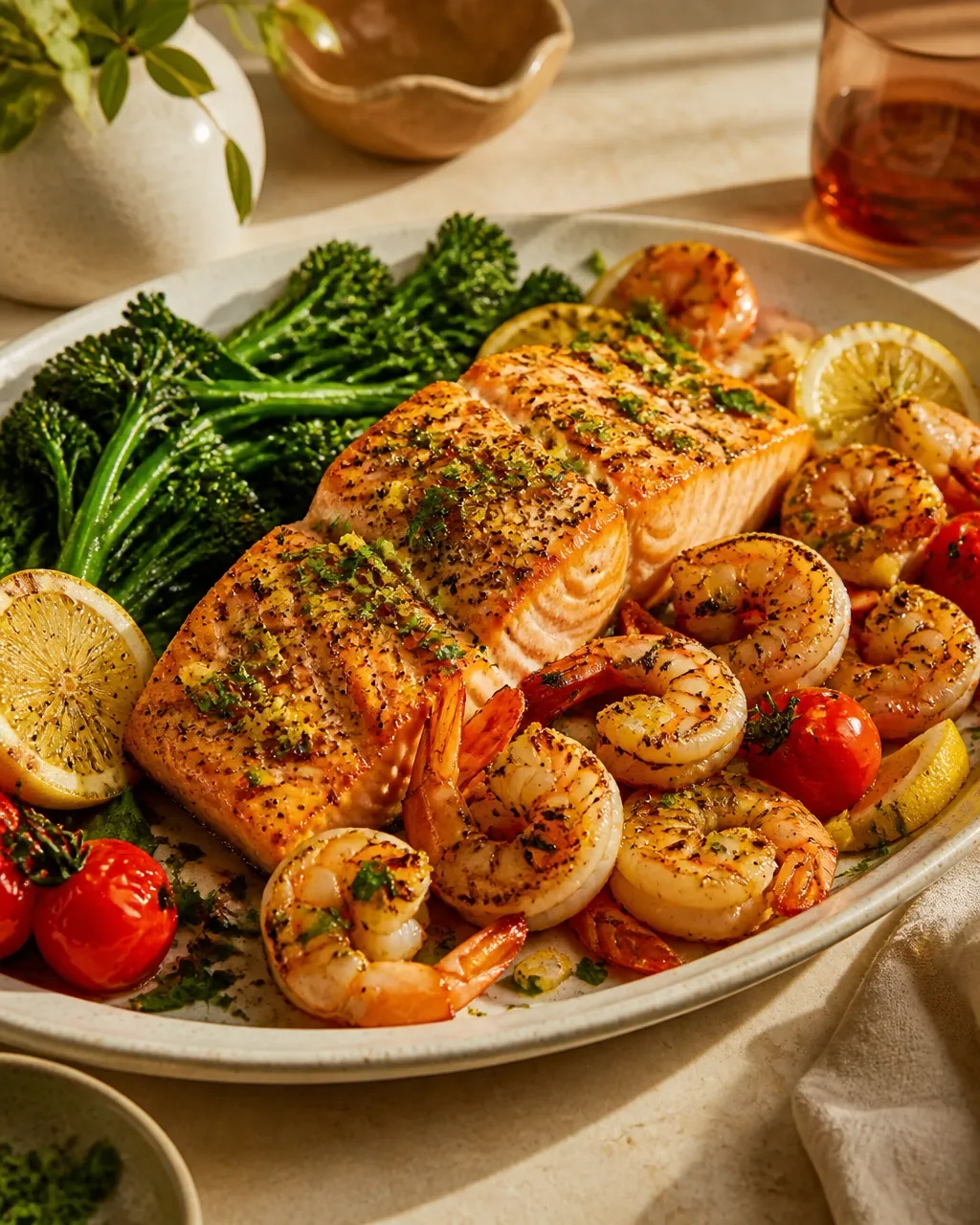
Tilapia often gets a bad rap for being "boring," but the truth is it's just misunderstood. Because it’s such a lean, white fish, it acts like a blank canvas. If you treat it with respect, it’s incredible; if you neglect the technique, it turns into a soggy mess. The most critical step happens before the fish even touches the heat: pat your fillets dry. I mean really dry. Use paper towels and press firmly on both sides. Moisture is the enemy of the Maillard reaction, that magical chemical process where amino acids and sugars react under heat to create that golden-brown crust and deep, savory aroma. If your fish is wet, it will steam rather than sear, leaving you with a rubbery texture instead of a delicate crunch.
Use a heavy skillet, cast iron or stainless steel is best, and get it hot before you add your fat. I prefer a combination of olive oil for its higher smoke point and a knob of butter for flavor. Once the fish hits the pan, leave it alone. Don't poke it. Don't slide it around. Let that crust form. You’ll know it’s ready to flip when the fish releases easily from the pan. If it’s sticking, the crust hasn't fully developed yet; give it another thirty seconds.
Timing your aromatics is the difference between a masterpiece and a bitter disaster. Garlic burns at a much lower temperature than fish sears. Never toss your minced garlic in at the start. Wait until you’ve flipped the fish and it’s almost finished. This is when you perform the "butter baste." Drop a cold pat of butter into the pan along with your garlic. As the butter foams, tilt the pan and spoon that liquid gold over the fish repeatedly. This doesn't just add flavor; the foaming butter acts as a miniature deep-fryer for the surface of the fish, crisping it up while the garlic gently infuses the fat without scorching. Finish with a squeeze of fresh lemon off the heat. The acidity of the lemon cuts through the richness of the butter, brightening the entire profile and balancing the palate. This technique is a staple for quick family meals that require restaurant-level finesse without the hour-long prep.
Variations for Every Palate
While the lemon-garlic-butter trio is a classic, you can easily pivot based on what’s in your pantry. If you’re looking for more healthy dinner ideas, consider swapping the butter for a high-quality ghee or even a coconut oil-lime-ginger combination for a more tropical, vibrant profile.
For a Mediterranean twist, add a handful of briny capers and some chopped sun-dried tomatoes to the butter sauce at the very end. The saltiness of the capers provides a sharp contrast to the mild fish, similar to the flavor balance I explore in my Spicy Tomato Basil One-Pot Linguine. If you prefer a bit of heat, a pinch of red pepper flakes or a dusting of smoked paprika added to the butter during the basting phase will give the dish a soulful, warming depth.
For those who prioritize speed above all else, you can even adapt this for other appliances. While pan-searing gives the best crust, some of my favorite air fryer recipes dinner options involve a quick rub of garlic butter and lemon zest followed by an 8-minute air fry at 400°F. It won't have the same basting richness, but it’s a lifesaver on a chaotic Tuesday.
Perfect Side Dish Pairings
Since this tilapia is so light and zesty, you want sides that won't overwhelm the delicate flakes. I always suggest something that can soak up that extra garlic butter sauce left in the pan. A bed of fluffy quinoa or a simple jasmine rice works wonders.
If you’re keeping things low-carb, a side of garlic-sautéed spinach or roasted asparagus provides a beautiful textural contrast. The earthy bitterness of dark leafy greens is the perfect foil for the bright, citrusy fish. If you’re in the mood for something more substantial, try a quick couscous with fresh parsley and lemon zest. It mimics the flavors of the main dish and takes less than five minutes to prepare. This focus on simplicity is what makes these quick family meals so effective, you spend less time at the stove and more time actually enjoying your dinner.
Troubleshooting Your Tilapia (FAQ)
What if my fish is sticking to the pan?
Sticking usually happens for two reasons: either the pan wasn't hot enough when you added the fish, or you're trying to flip it too early. Protein bonds to the metal surface initially, but as the Maillard reaction occurs, the fish "self-releases" once a crust forms. Be patient. Also, ensure you’re using enough fat; a dry pan is a sticky pan.
Can I use frozen tilapia fillets?
Absolutely, but you must thaw them completely first. Frozen fish contains a lot of internal moisture. If you try to sear a semi-frozen fillet, it will dump water into the pan, dropping the temperature and turning your sear into a boil. Thaw them in the fridge overnight or in a sealed bag under cool running water, then pat them bone-dry before seasoning.
Why does my garlic taste bitter?
You likely added it too soon or the heat was too high. Garlic contains volatile oils and sugars that burn very quickly. Once it turns dark brown, it becomes acrid. Always add your garlic when the heat is moderate and only cook it for about 30–60 seconds until it smells fragrant and turns a light golden color.
Is tilapia actually healthy?
When sourced responsibly, tilapia is an excellent source of lean protein and essential minerals like selenium and potassium. It’s a fantastic staple for healthy dinner ideas because it’s low in calories but high in satiety. Using fresh garlic and lemon juice adds heaps of flavor without the need for heavy, processed sauces.
How do I know when the fish is done without a thermometer?
Look for the "flake test." Take a fork and gently twist it at the thickest part of the fillet. If the fish yields and flakes apart easily, it’s done. It should also be opaque all the way through. If it’s still translucent or feels "rubbery" to the fork, it needs another minute. Aim for an internal temperature of 145°F if you want to be scientifically precise.
Can I make this in the air fryer?
Yes, though it’s a different experience. For air fryer recipes dinner, preheat your air fryer to 400°F. Brush the fish with melted garlic butter and air fry for 8-10 minutes. It’s convenient, though you’ll miss out on the specific "spoon-basting" texture that makes the stovetop version so soulful.
{“@type”:”BlogPosting”,”image”:”https://cdn.marblism.com/RLtuNUvk2hi.webp”,”author”:{“name”:”Penny”,”@type”:”Person”},”@context”:”https://schema.org”,”headline”:”Easy Dinner 15-Minute Lemon Garlic Butter Tilapia”,”publisher”:{“logo”:{“url”:”https://cdn.marblism.com/KxroJ1kM_KA.webp”,”@type”:”ImageObject”},”name”:”Cookpedia”,”@type”:”Organization”},”description”:”A quick, soulful, and minimalist 15-minute recipe for lemon garlic butter tilapia. Master the science of pan-searing and butter basting for a restaurant-quality healthy dinner.”,”datePublished”:”2026-06-08″,”mainEntityOfPage”:{“@id”:”https://cookpedia.com/easy-dinner-15-minute-lemon-garlic-butter-tilapia”,”@type”:”WebPage”}}