Recipe
Servings
Servings 1×
Ingredients
- Shrimp
- Quinoa
- Rice
- Cauliflower
- Greens
- Peas
- Garlic
- Fresh ginger
- Lime
- Honey
- Cooking oil
- Sesame
- Chili seasoning
Method
- Pat your shrimp dry with a paper towel before they ever touch the oil.
- Keep them tender by removing them from the heat the second they lose their translucency.
- Give them a firm squeeze in a clean kitchen towel before cooking.
I get it, you’re standing in your kitchen at 6:00 PM, and the last thing you want is a culinary project that requires a degree in chemistry and three hours of your life. You want food that tastes like a reward for surviving the day, but you want it now. This 15-minute teriyaki shrimp and snap peas is my personal gold standard for those nights. It’s vibrant, it’s fast, and it hits that perfect intersection of salty-sweet satisfaction and crisp, fresh energy. This is one of those easy dinner recipes you’ll keep on a permanent mental loop.
The Science of the Sizzle: Texture and Maillard Magic
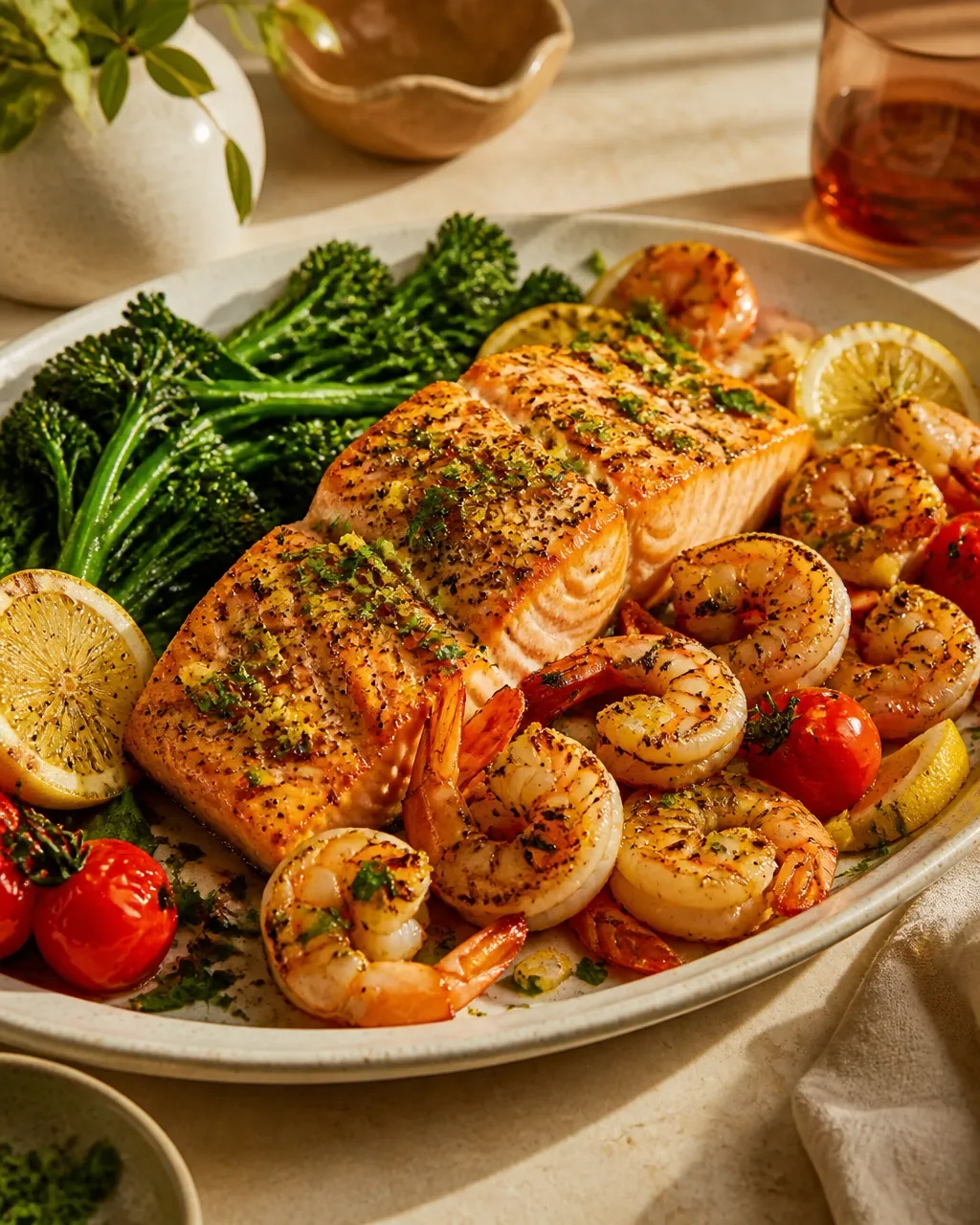
The secret to why this dish works so well in a 15-minute window isn't just about speed; it’s about managing the science of high-heat cooking. When you toss shrimp into a screaming hot pan, you are initiating the Maillard reaction. This is the chemical dance between amino acids and reducing sugars that gives seared food its characteristic brown crust and savory depth. Because shrimp have a high surface-area-to-volume ratio, they can achieve this flavor profile in seconds, provided you don't crowd the pan. Crowding is the enemy of flavor. If you put too many shrimp in at once, the temperature drops, the moisture escapes, and suddenly you’re boiling your dinner in its own grey juices. Avoid this at all costs.
Pat your shrimp dry with a paper towel before they ever touch the oil. Moisture is the mortal enemy of the Maillard reaction. If the surface of the shrimp is wet, the energy of the pan goes into evaporating that water instead of browning the protein. You want a hard sear, not a steam bath. Once they hit the oil, leave them alone for at least 60 seconds. Don't be the person who constantly stirs; let that crust develop.
When it comes to the snap peas, we are playing a different game: chlorophyll preservation. Snap peas are at their best when they are "tender-crisp." This means the heat has softened the cell walls just enough to make them biteable, but the chlorophyll hasn't yet degraded into that sad, olive-drab color. Cook them fast and hot. If you see them turn a neon, electric green, you are in the sweet spot.
One more non-negotiable: pull the shrimp when they form a "C" shape, not an "O." A "C" stands for cooked; an "O" stands for overcooked. Overcooked shrimp are essentially rubber erasers with a hint of fish flavor. Keep them tender by removing them from the heat the second they lose their translucency. You can always toss them back in at the very end to glaze them, as we discuss in our guide to achieving the perfect glossy sauce.
Mastering the Glaze: Variations for Every Palate
While the classic soy-ginger-garlic trifecta is unbeatable, the beauty of a 15-minute stir-fry is its adaptability. The key to a great variation is maintaining the balance between acidity, sweetness, and heat. If your teriyaki feels a bit too heavy or syrupy, introduce a splash of rice vinegar or a squeeze of fresh lime at the very end. This acidity cuts through the sugar and resets your palate, making each bite feel as fresh as the first.
For those who crave a bit of "kick," don't just reach for the hot sauce. Infuse your cooking oil with dried red chili flakes or a spoonful of chili crisp before you add the shrimp. This distributes the heat evenly throughout the dish rather than just sitting on top of the sauce. If you’re looking for a low-carb alternative, swap the traditional honey or brown sugar in the glaze for a monk fruit sweetener or simply use a splash of coconut aminos for a naturally sweeter, soy-free profile.
If you want to lean into the "soulful" side of the dish, add a teaspoon of toasted sesame oil right before serving. Do not cook with sesame oil over high heat; it has a low smoke point and will turn bitter. Treat it like a perfume, it’s the finishing touch that ties the earthy snap peas and the savory shrimp together into a cohesive, restaurant-quality meal. These tweaks are what turn basic easy dinner recipes into your own signature dishes.
Balancing the Plate: Side Dish Pairings
Since this dish is a powerhouse of bold flavors, your side dishes should act as a supporting cast. Steamed jasmine rice is the classic choice for a reason, its floral aroma and neutral base are the perfect canvas for the extra teriyaki glaze. If you want something with more texture, try quick-cooking quinoa or even farro for a nutty, chewy contrast to the snap of the peas.
For a lighter, vegetable-forward evening, serve the shrimp and peas over a bed of cauliflower rice or even thinly sliced cabbage. The cabbage will wilt slightly under the heat of the shrimp, creating a "slaw-style" base that absorbs the sauce beautifully. If you’re feeling particularly minimalist, just double the portion of snap peas and call it a day. The fiber and crunch make it surprisingly filling on its own. Regardless of what you choose, keep the side simple. You’ve already done the hard work by mastering the sear; let the shrimp be the star of the show.
Solving the "What Ifs": Stir-Fry Troubleshooting FAQ
What if my sauce doesn't thicken and stays watery?
This usually happens because the pan wasn't hot enough or you didn't allow the sugars to reduce. To fix this, move the shrimp and peas to the outer edges of the pan (or remove them entirely) and let the sauce bubble in the center for an extra 60 seconds. If it’s still stubborn, a tiny slurry of cornstarch and water (equal parts) whisked in will tighten it up instantly. Science tip: cornstarch molecules expand when heated, trapping water and creating that glossy sheen we love.
What if I only have frozen shrimp?
You can absolutely use them, but you must thaw them completely and, more importantly, dry them aggressively. Frozen shrimp often hold extra water in their tissues. If you toss them in the pan while they're still damp, they will release all that water, and you’ll end up poaching them instead of searing them. Give them a firm squeeze in a clean kitchen towel before cooking.
Can I use snow peas instead of snap peas?
Yes, but adjust your timing. Snow peas are much thinner and have less structural integrity than the "plump" snap pea. They will cook in about half the time. If you overcook snow peas, they become translucent and stringy. Aim for 30–45 seconds of heat max.
What if my garlic keeps burning?
Garlic has a high sugar content and very little water, meaning it burns almost instantly in a hot pan. If you find your garlic turning bitter and black before the shrimp are done, try this: add the garlic during the last 30 seconds of cooking. This gives it enough time to lose its raw "bite" and release its aromatics without crossing the line into burnt territory.
Why did my shrimp turn out tough even though I cooked them fast?
You might have bought "pre-cooked" shrimp by mistake. Check the label! Pre-cooked shrimp only need to be warmed through. If you sear them like raw shrimp, you’re essentially cooking them twice, which leads to a rubbery texture. Always start with raw, grey shrimp for the best results in these easy dinner recipes.
{“@type”:”BlogPosting”,”image”:”https://cdn.marblism.com/K37vGfVZUqj.webp”,”author”:{“name”:”Cookpedia”,”@type”:”Organization”},”@context”:”https://schema.org”,”headline”:”Fast 15-Minute Teriyaki Shrimp & Snap Peas”,”publisher”:{“logo”:{“url”:”https://cookpedia.com/logo.png”,”@type”:”ImageObject”},”name”:”Cookpedia”,”@type”:”Organization”},”description”:”A minimalist, 15-minute recipe for Teriyaki Shrimp and Snap Peas focusing on high-impact flavor, Maillard browning, and perfect textures for a quick weeknight meal.”,”datePublished”:”2026-06-08″}