Recipe
Servings
Servings 1×
Ingredients
- Chickpeas
- White beans
- Beans
- Pasta
- Noodles
- Rice
- Bread
- Broccoli
- Peas
- Corn
- Garlic
- Lemon
- Butter
- Cooking oil
- Chili seasoning
- Salt
- Black pepper
Method
- Prepare the ingredients described in the article and heat the cooking surface or oven as directed.
- Cook the main ingredients using the heat and timing guidance in the article.
- Finish with the seasonings and garnishes named in the article, then serve.
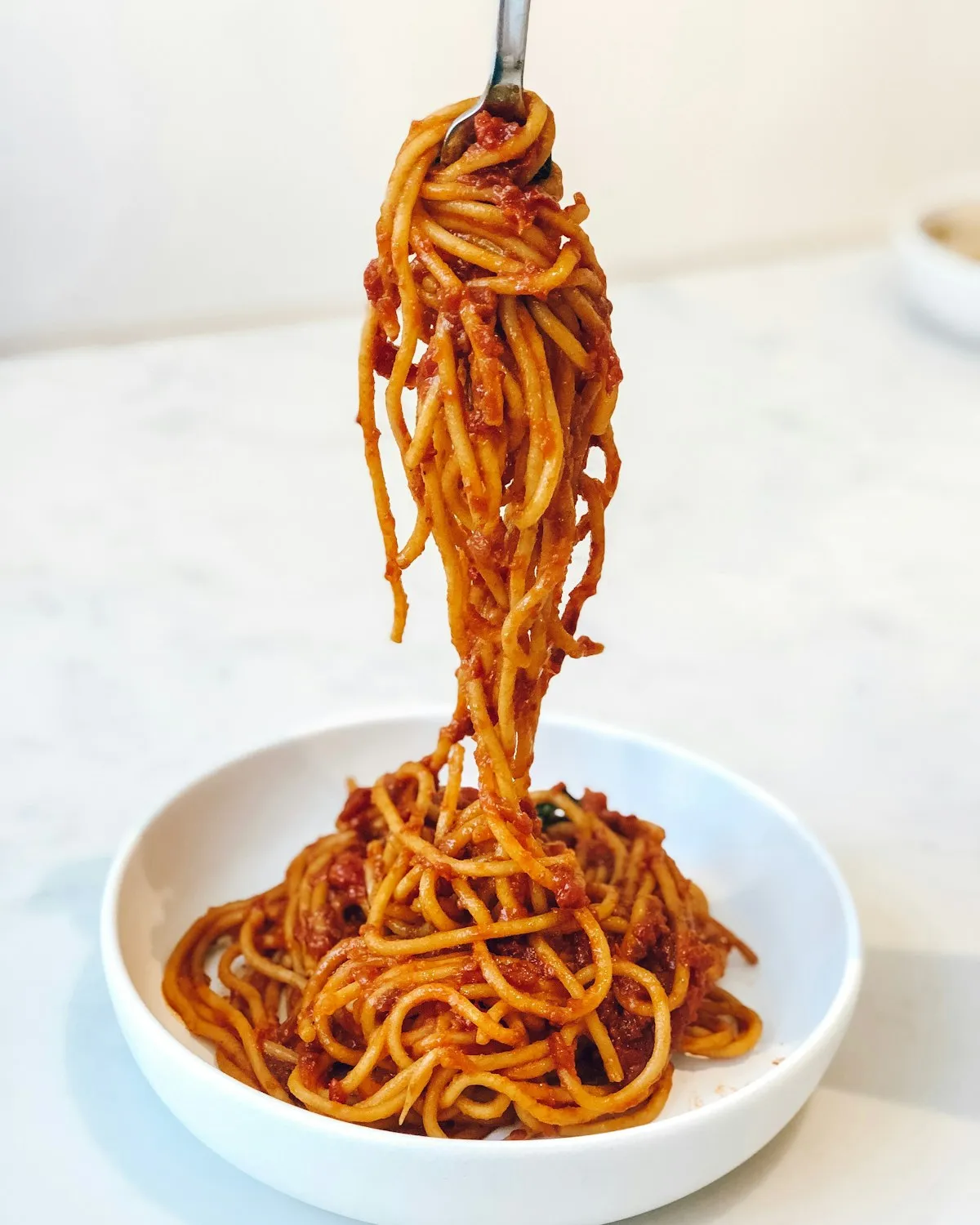
You’ve been there. It’s 7:00 PM, the fridge is a barren wasteland of half-used condiment jars, and your motivation to "chef up" a complex meal is non-existent. You need a win, and you need it fast. Welcome to the world of the pantry pasta, a culinary lifesaver that transforms a few humble staples into a restaurant-quality feast. This isn't just about boiling noodles; it's about mastering the art of the emulsion and making budget friendly recipes taste like a million bucks.
The Alchemy of Liquid Gold: Mastering the Emulsion
When you’re working with simple pasta recipes, the difference between a greasy bowl of noodles and a silky, glossy masterpiece lies in the science of emulsification. Think of your sauce as a marriage between two sworn enemies: oil and water. Naturally, they want to stay separated, but we are going to force them to become a cohesive, creamy unit.
The secret weapon in your kitchen is the starchy pasta water, often referred to as "liquid gold." As your pasta boils, it releases amylose and amylopectin, starch molecules, into the water. These molecules are the ultimate wingmen; they have a hydrophilic (water-loving) head and a lipophilic (fat-loving) tail. When you toss that starchy water into a pan with fat (like olive oil or butter) and apply mechanical agitation (a fancy term for vigorous stirring), these starch molecules grab onto both the oil and the water, suspending the fat droplets and creating a stable, velvety sauce that clings to every strand.
To execute this perfectly, follow these non-negotiable rules. First, use a wide skillet rather than a deep pot for the final stage. A wider surface area allows for better evaporation and more direct contact between the pasta and the sauce base. Second, undercook your pasta by about two minutes. You want it to finish its cooking journey inside the sauce, absorbing that flavorful liquid directly into its core.
Third, never, under any circumstances, rinse your pasta. Rinsing washes away the very starch we need to build that emulsion. Instead, use a pair of tongs or a spider strainer to move the pasta directly from the boiling water into your skillet. This ensures you bring along a little extra moisture to jumpstart the sauce-making process. Check the consistency constantly. If the pan looks dry or the oil is pooling at the bottom, add another splash of that starchy water. If it looks like soup, keep tossing over medium heat until the liquid reduces and starts to "tighten" around the noodles. This technique is similar to how we achieve the perfect glossy sauce in our linguine recipes.
Don't ignore the heat management. If you are adding cheese to create your emulsion, pull the pan off the burner before stirring it in. If the temperature exceeds 150°F (65°C), the proteins in the cheese will clump together and separate from the fats, leaving you with a rubbery, grainy mess instead of a smooth sauce. Patience and vigorous movement are your best friends here.
Beyond the Basics: Flavor Profiles and Variations
Once you’ve mastered the base technique of emulsifying oil and water, you can start playing with the flavor profile of your simple pasta recipes. The beauty of the five-ingredient rule is that it forces you to maximize the impact of every component. If you’re craving something bright and acidic, look to the lemon in your crisper drawer. Zest and juice added at the very end will cut through the richness of the olive oil and highlight the nutty flavor of the toasted garlic.
For those nights when you need a deep, savory hit, lean into umami-rich pantry staples. A single tablespoon of tomato paste, sautéed until it turns a dark brick red, adds an incredible depth of flavor that mimics hours of slow-cooking. If you have canned sardines or anchovies hiding in the back of the cupboard, melt them into the oil with your garlic. They won’t taste "fishy", instead, they provide a salty, savory backbone that transforms the dish into something sophisticated.
If you’re looking for healthy dinner ideas that don't require a trip to the store, consider incorporating a can of white beans. Mash a handful of the beans directly into the pasta water and oil mixture. The starches and proteins in the beans will break down, creating an incredibly creamy, dairy-free sauce that’s packed with fiber and protein.
Alternatively, if you've already mastered some of our air fryer recipes dinner favorites, you can toss in some crispy air-fried chickpeas or leftover roasted vegetables for added texture. These variations prove that being on a budget doesn't mean your palate has to suffer.
The Perfect Partners: Side Dish Pairings
Even the most perfect bowl of pasta benefits from a little contrast. When you're serving a dish that is primarily fat and carbohydrate-heavy, you need acidity and crunch to cleanse the palate. A simple arugula salad dressed with nothing but lemon juice and a pinch of salt is the ideal companion. The peppery bite of the greens and the sharp citrus cut through the richness of the emulsified sauce, making every bite of pasta feel as fresh as the first.
If you’re catering to quick family meals, a side of rapid garlic bread is always a winner. Use the same garlic-and-oil base you created for the pasta to brush over some crusty bread. For a lighter touch, steam some broccoli or snap peas and toss them with a dash of chili flakes. The goal here is balance; if the pasta is soft and savory, the side should be crisp and bright. This keeps the meal from feeling heavy and ensures you’re getting a well-rounded plate of food without adding hours to your prep time.
Kitchen Science Corner: Frequently Asked Questions
Why did my sauce turn out oily instead of creamy?
This usually happens because you didn't have enough starch or you didn't toss the pasta vigorously enough. The emulsion requires "work" to form. Use a high-quality bronze-cut pasta if possible, as it releases significantly more starch into the water than smooth, teflon-molded pasta. If the oil is separating, add another splash of water and whisk the pan like your life depends on it.
Can I use gluten-free pasta for this technique?
Yes, but be careful. Gluten-free pastas (made from corn, rice, or chickpeas) often release a different type of starch that can make the water quite gummy. Avoid over-stirring the pasta while it boils, or you'll end up with a cloudy mess. However, that extra starch can actually make for a very thick, stable emulsion once it hits the fat in your pan.
My cheese turned into a single rubbery ball. What happened?
You hit the "breaking point." If you add cheese to a pan that is too hot, the proteins coagulate and separate from the fat. Always remove the pan from the heat and let the temperature drop slightly before folding in your cheese. Think of it as a gentle incorporation rather than a high-heat cook.
Is it okay to use dried herbs instead of fresh?
Absolutely. In fact, dried herbs like oregano or red pepper flakes are often better in budget friendly recipes because they have a concentrated flavor that blooms beautifully when sautéed in oil. Just make sure to add them to the oil early in the process to "wake them up" before you add the liquid components.
Can I make this as part of my healthy dinner ideas rotation?
Definitely. To keep it light, prioritize high-quality fats like extra virgin olive oil and load up on garlic, which has fantastic antimicrobial properties. You can also use whole-wheat pasta for an extra hit of complex carbohydrates and fiber, which will keep you full for longer compared to standard white flour pasta.
Cooking doesn't have to be a choreographed dance of expensive ingredients. Sometimes, the most satisfying quick family meals are the ones born out of necessity and a little bit of chemistry. By focusing on the "why" behind the technique, you can turn a bag of dry noodles into a culinary triumph every single time. Now, go save that pasta water and get tossing! For more inspiration, check out our other air fryer recipes dinner for those nights when the stove feels like too much work.