Recipe
Servings
2 servings 1×
Serves 2Prep 30 minCook 15 minTotal 45 min
Nutrition per serving
Ingredients
- 14 oz extra-firm tofu pressed for 30 minutes
- 2 tbsp fresh ginger julienned into thin slivers
- 2 tbsp cornstarch for dusting
- 3 tbsp soy sauce or tamari for gluten-free
- 1 tbsp sesame oil
- 2 stalks green onions sliced
Method
- Press the tofu block for 30 minutes to remove moisture.
- Cube into 1-inch pieces and toss in cornstarch until evenly coated.
- Heat oil in the wok until shimmering.
- Fry tofu cubes in batches until golden and crisp.
- Remove and drain on paper towels.
- Sauté ginger slivers and scallions for 60 seconds until fragrant but not burnt.
- Return tofu to the wok.
- Pour in soy sauce and sesame oil.
- Toss vigorously for 30 seconds to glaze and serve immediately.
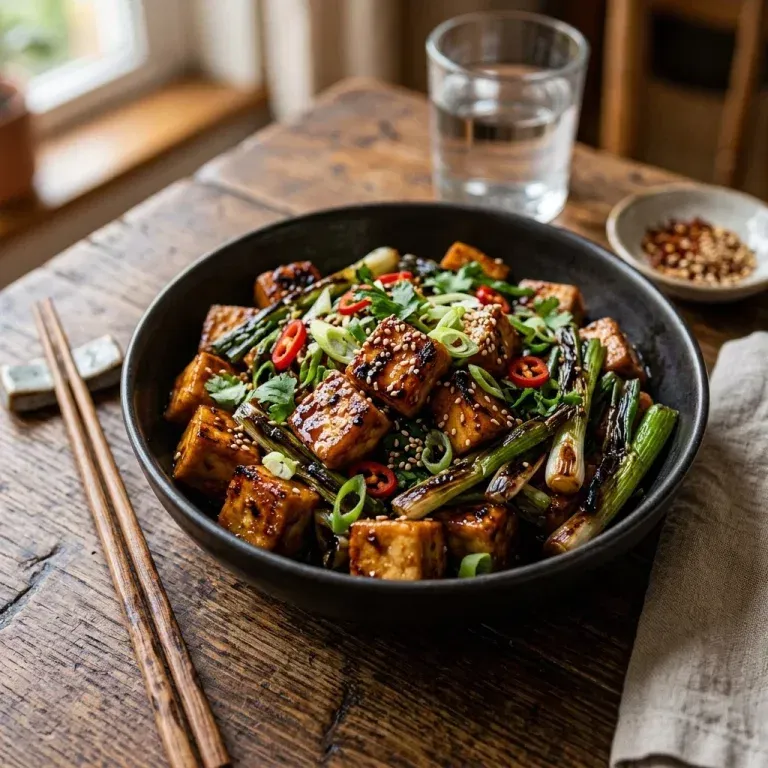
Let’s be honest: most people think they hate tofu because they’ve been served a plate of sad, lukewarm sponges that taste like absolutely nothing. If that’s been your experience, I’m here to tell you that it wasn’t the tofu’s fault: it was the technique. When treated with a little scientific respect, tofu transforms into a golden, crispy, flavor-absorbing powerhouse that rivals any protein in your kitchen. This ginger-forward stir-fry is one of those plant-based dinner ideas that will make you wonder why you ever bothered with takeout. It’s punchy, aromatic, and deeply satisfying.
The Science of the Crunch: Moisture, Starch, and Heat
Achieving that perfect “shatter-crisp” exterior while maintaining a tender interior isn’t luck, kitchen magic, or a personality trait. It’s physics. Tofu is basically a network of soy proteins holding onto a huge amount of water. That water is the whole problem and, once managed correctly, the whole reason the final texture is so good. If you put wet tofu into a pan and expect browning, you’re asking steam to do the job of dry heat. Steam is useful. Steam is lovely. Steam is not crispy.
The moment tofu hits hot oil, its surface moisture tries to evaporate. If there’s too much of it, that escaping water cools the surface and blocks efficient browning. Instead of forming a crust, the tofu simmers. That’s why so many stir-fries end up with pale cubes that taste fine but feel like edible packing foam. Crisp tofu demands moisture control first, then browning, then sauce. Reverse that order and the texture falls apart fast.
The Moisture Paradox
To get tofu crispy, remove water aggressively before it ever sees heat. Pressing is non-negotiable. Apply steady pressure and you physically force trapped liquid out of the tofu’s protein matrix. Less internal water means less surface steaming, faster crust formation, and a better shot at real browning. This also changes the texture in a useful way: the tofu becomes denser and a little chewier, which helps it feel substantial rather than floppy.
There’s another bonus here. A drier surface gives oil direct contact with the tofu. That contact matters because browning reactions happen at the surface, where heat, proteins, and small sugars interact efficiently. If water keeps intervening, the surface temperature stays too low for that savory, nutty depth to develop. Think of it this way: moisture is a bouncer standing outside the Maillard club, refusing to let flavor in.
Maillard Browning: The Savory Payoff
Now for the fun part. The golden crust on well-cooked tofu comes from the Maillard reaction, a chain of chemical reactions between amino acids and reducing sugars that kicks off when the surface gets hot enough and dry enough. This reaction is responsible for the deep, toasty, savory notes you get from seared steak, roasted bread crust, coffee, and yes, properly crisped tofu.
Tofu is especially interesting here because it isn’t naturally loaded with fat the way meat is. That means you have to create favorable conditions on purpose. Press it well. Dry it well. Give it enough surface area. Don’t crowd the pan. Let the hot oil and open space do their job. When the surface dehydrates and browns, hundreds of flavor compounds start forming. That’s when tofu stops tasting merely “fine” and starts tasting like something you actively want to steal straight from the pan.
The other non-negotiable is patience. If you move tofu too soon, you tear the crust before it has set. Let it sit. Let the proteins firm up and the starches dry down. Once that crust develops, the tofu will release more naturally. Stir-fry cooking is fast, but crisping tofu is one of those rare moments where your best move is to stop fussing and keep your hands to yourself.
Starch as Structural Insurance
Once pressed, tofu benefits from a light coating of starch. Cornstarch and arrowroot both work because they absorb residual surface moisture and create a thin, even layer that dries quickly in hot oil. As the starch hydrates, gelatinizes, and then dehydrates, it forms a delicate shell with lots of tiny brittle structures. That shell is what gives you the audible crispness instead of just a vaguely firm exterior.
This matters even more in a sauced stir-fry. A naked tofu cube can brown nicely, but once sauce hits, it softens fast. A starch-assisted crust acts like tiny edible armor. Not invincible armor, obviously. This is dinner, not medieval warfare. But enough armor to keep the tofu crisp at the edges while the inside stays tender and the sauce clings instead of sliding off in a watery puddle.
If you’ve enjoyed our one-pan creamy garlic parmesan pasta, you already know starch is one of the hardest-working nerds in the kitchen. Here, it isn’t thickening a sauce; it’s building texture.
The Ginger Chemistry That Makes the Whole Dish Sing
Fresh ginger is not here for decoration. It’s the reason this stir-fry tastes alive. The main pungent compounds in fresh ginger are gingerols, especially 6-gingerol, which delivers that bright, peppery, slightly citrusy heat. Fresh ginger has a sharpness that feels almost sparkling when it’s sliced or grated into a hot pan. That bite comes from chemistry, not attitude.
When ginger is heated, its chemistry changes. Gingerols can dehydrate and convert into shogaols, which taste warmer, deeper, and more concentrated. In plain English: fresh ginger starts lively and zippy, then turns darker and more intense as it cooks. That’s why timing matters. Add ginger early and you infuse the oil with those transformed, warmer compounds. Add some later and you preserve more of the fresh, high-note sting. Good ginger stir-fry often tastes layered because it captures both versions.
There’s also an oil-solubility angle here that matters more than it sounds. Many aroma compounds in ginger bloom beautifully in fat, so frying ginger briefly in oil spreads its flavor far more effectively than tossing it into liquid at the last second. The oil becomes a delivery system, coating tofu and vegetables evenly with that warm, spicy perfume. This is why a short sizzle in oil can make the whole kitchen smell like you know exactly what you’re doing, even if you’re still wearing mismatched socks.
Of course, there’s a line. Push ginger too far and those aromatic compounds can tip from fragrant to bitter. Burnt ginger is a bully. It stomps over every other flavor in the pan and leaves the whole dish tasting harsh. Use high heat, but use it with intention. Stir-fry is not about chaos; it’s about controlled aggression.
Surface Area, Slicing, and Flavor Distribution
Cut size matters more than people think. Smaller tofu cubes create more total surface area, which means more room for starch, more contact with the pan, and more browning. That sounds great, and it is, up to a point. Go too small and the tofu turns fragile, making it harder to flip without breakage. Go too big and you get less crust per bite. Aim for pieces that can develop crisp edges while still holding a creamy center.
The same logic applies to ginger. Thin matchsticks give you distinct bites of heat and perfume. Finely minced ginger disperses more evenly and seasons the entire sauce. Neither is wrong. They just do different jobs. If you want the dish to taste boldly of ginger, use a mix of cuts so some pieces dissolve into the sauce while others stay obvious enough to announce themselves.
This is the stuff that turns a decent weeknight dinner into one of those meals you start craving at 3 p.m. for absolutely no reason. Crisp tofu brings texture. Ginger brings brightness and warmth. Browning brings savory depth. Once those three things line up, the rest of the stir-fry practically behaves itself.
Variations: Swapping Textures and Aromatics
The beauty of a stir-fry is its flexibility, provided you keep the balance of salt, acid, heat, and texture intact. Ginger may be the headline act, but the supporting cast changes the mood fast.
If you want a heartier, earthier version, swap the tofu for tempeh. Tempeh is fermented, so it comes with a built-in nutty bitterness and a firmer structure. It doesn’t need the same pressing routine because it starts out drier, but it benefits from a quick steam before it hits the pan. That steam softens its surface and helps it absorb sauce more evenly later. The result is less delicate than tofu and more robust, which works beautifully if you want a bolder dinner with more chew.
For vegetables, prioritize contrast. Use vegetables that stay crisp-tender instead of collapsing into the sauce. Snap peas, bok choy stems, shredded cabbage, or thin-cut carrots all bring a fresh snap that keeps the dish from feeling too soft and samey. If your pan is loaded with ingredients that all cook down into tenderness, the whole thing loses energy. You want a little resistance in each bite.
You can also shift the ginger profile itself. Use more fresh ginger near the end if you want a brighter, almost citrusy sting. Cook it earlier and a bit longer if you want the deeper, warmer shogaol character to dominate. Add garlic for sweetness, scallions for grassy sharpness, or a touch of chili for heat that hits beside the ginger rather than competing with it.
If you want extra umami, mushrooms are your friend. Shiitakes add glutamates and a meaty depth that rounds out ginger’s sharp edges. Just avoid overloading the pan with watery vegetables all at once. Too much moisture is the enemy of browning, and this dish is all about keeping those edges crisp. Respect the physics and your stir-fry will return the favor.
Side Dish Pairings: Balancing the Zing
A ginger-heavy stir-fry needs side dishes that steady the ship without muting the flavor. Think contrast, not competition.
Grains for Absorption
Jasmine rice is still the easiest win. Its soft, slightly floral character catches the sauce without distracting from the ginger. Brown rice works if you want more chew, and quinoa is a solid option if you prefer something lighter and nuttier. Just keep the grain plain. This is not the moment for an aggressively seasoned pilaf trying to audition for its own spin-off.
Acidity to Reset Your Palate
Because the tofu is crisped in oil and glazed with sauce, richness builds with every bite. That’s where acidity comes in. Pair the stir-fry with cucumber salad, lightly pickled radishes, or a cabbage slaw with rice vinegar and lime. Acid cuts through fat, refreshes your palate, and makes the ginger taste brighter rather than heavier. It’s the difference between a meal that tastes exciting from first bite to last and one that feels sleepy halfway through.
If you want the whole plate to lean cozy, go with rice and a simple green vegetable. If you want it to feel sharper and fresher, add something pickled or crunchy on the side. Either way, build for balance. Let the stir-fry stay the loud one.
FAQ: Stir-Fry Troubleshooting
Why is my tofu sticking to the pan?
Usually, your pan wasn’t hot enough or you tried to move the tofu before the crust had formed. Tofu releases more easily once browning is established. Heat the oil until it shimmers, then add the tofu and stop poking it like it owes you money. If the crust hasn’t set, it will cling to the pan. If it has, it usually lets go on its own.
Why won’t my tofu brown properly?
Too much moisture is almost always the culprit. If tofu is still wet from the package or crowded into the pan, the surface temperature drops and steaming takes over. Browning needs dry surface heat. Press thoroughly, dry thoroughly, and cook in batches if needed. Maillard browning is not lazy; it just has standards.
Can I use firm tofu instead of extra-firm?
Yes, but it needs more pressing and more gentle handling. Firm tofu contains more water and breaks more easily during tossing. If you want crisp edges and clean cubes, extra-firm is the better choice. Firm tofu can still work, but it requires more patience and gives you less margin for error.
Why does my ginger taste harsh or bitter?
It likely burned. Ginger contains aromatic compounds that taste warm and fragrant when cooked briefly, but bitter and aggressive when pushed too far. Fry it just until fragrant, not until dark brown. If your pan is ripping hot, add ginger for a shorter time or introduce other ingredients quickly to control the heat.
What if I want more ginger flavor without making the dish bitter?
Layer it. Cook some ginger early to perfume the oil and deepen the flavor, then add a little fresh ginger near the end for brightness. This gives you both the mellow warmth of cooked ginger and the sharper top notes of fresh gingerol. It’s a much smarter move than just dumping in a mountain of ginger at the start and hoping for the best.
What if I don’t have cornstarch?
Use potato starch or arrowroot. Both create a crisp, light coating that supports browning. Avoid all-purpose flour if you can. Flour tends to create a heavier, duller crust that feels more breaded than crisp, which is not the vibe here.
Is this dish meal-prep friendly?
Flavor-wise, yes. Texture-wise, less so. The sauce deepens overnight, but the crispy coating softens as it sits. If you’re reheating leftovers, use a skillet instead of a microwave to drive off excess moisture and bring back some crispness. It won’t be exactly like day one, but it will be a lot closer.
Can I make this part of my regular weeknight rotation?
Absolutely. Once you understand the moisture-and-browning game, this becomes one of those dependable healthy dinner ideas you can riff on endlessly. Change the vegetables, keep the ginger, respect the pan heat, and you’re in business. It also earns a spot in the larger category of quick family meals because the flavor payoff is huge without requiring all-night effort.
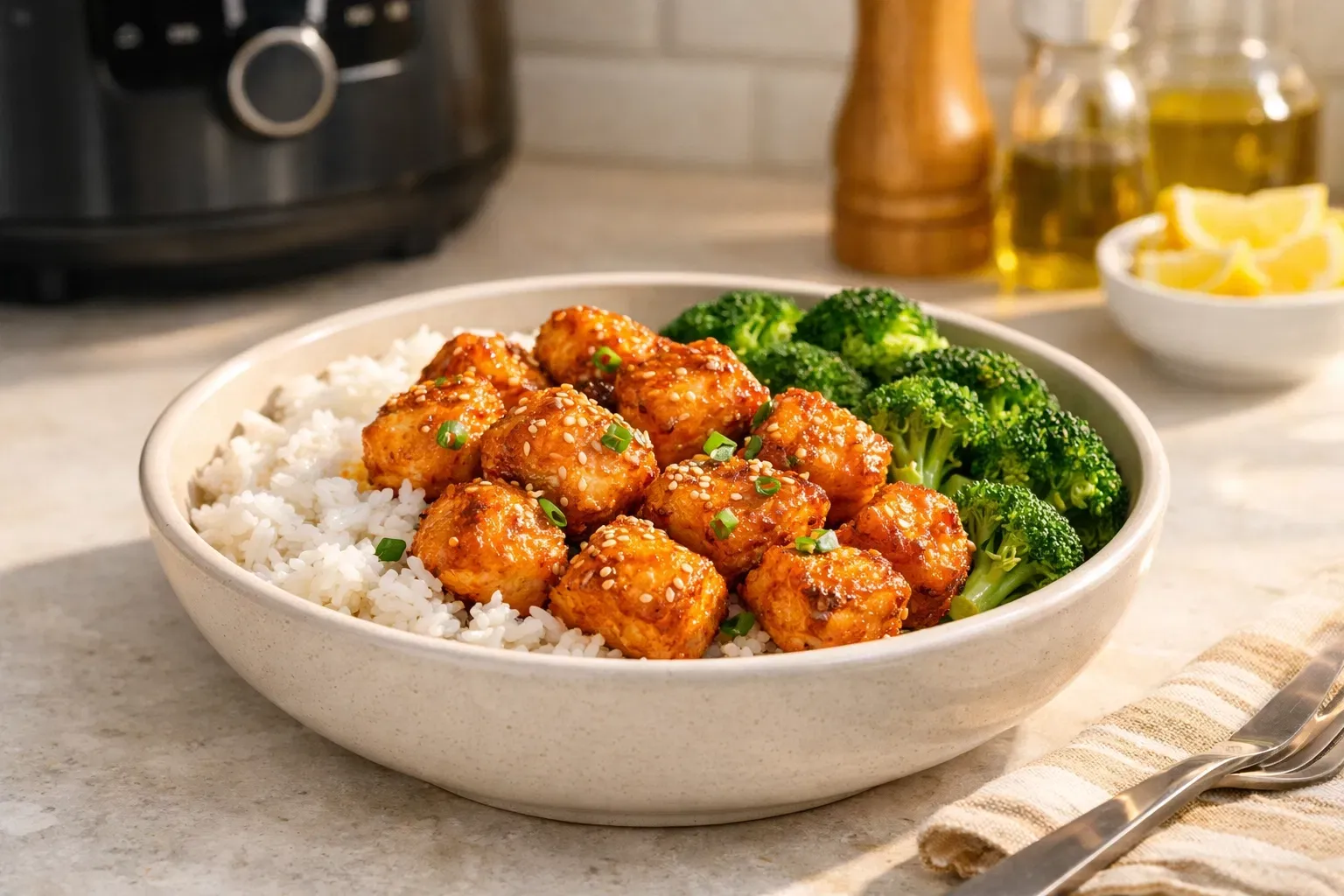
Mastering this dish is about more than dinner. It’s about learning what happens when water, protein, starch, oil, and aromatics all collide in a very hot pan. Once you understand how to press tofu properly, create a dry surface, and let Maillard browning do its thing, crispy tofu stops being a random success and starts becoming a repeatable skill. Once you understand how gingerol shifts into deeper, warmer compounds as it cooks, your ginger stops tasting one-note and starts tasting intentional.
That’s the real win here. You’re not just making tofu. You’re controlling texture and flavor on purpose. And once you’ve got that down, this becomes one of those healthy dinner ideas that never feels dutiful or boring. It’s sharp, savory, crisp, fragrant, and wildly satisfying. In other words: exactly what tofu should have been doing for you all along. Now get the pan hot, keep the tofu dry, and don’t let the ginger burn. The dinner gods have done enough already.