Recipe
Servings
4 1×
Serves 4Prep 10 minCook 50 minTotal 1H
Nutrition per serving
Ingredients
- 1 cup brown lentils al dente par-boiled
- 1 cup basmati rice dry
- 4 large onions thinly sliced
- 1/2 cup olive oil for caramelization
- 1 tsp cumin
Method
- Sauté onions for 40 mins until penny-colored to hit the peak umami Maillard point.
- Par-boil lentils before adding rice to ensure both grains reach perfect texture simultaneously.
- Rest with a towel under the lid to catch steam and ensure fluffy, distinct grains.
If you have a bag of lentils, some rice, and a mountain of onions, you aren’t just looking at pantry staples, you’re looking at one of the most soul-satisfying plant-based dinner ideas in existence. Mujaddara is the ultimate “more than the sum of its parts” dish. It’s humble, incredibly cheap to make, and packs a savory, umami-heavy punch that will make you forget meat even exists. It’s been a staple in Middle Eastern kitchens for centuries, and today, it’s going to become yours.
The Science of the Sizzle: Caramelized Onions, Protein Pairing, and Grain Logic
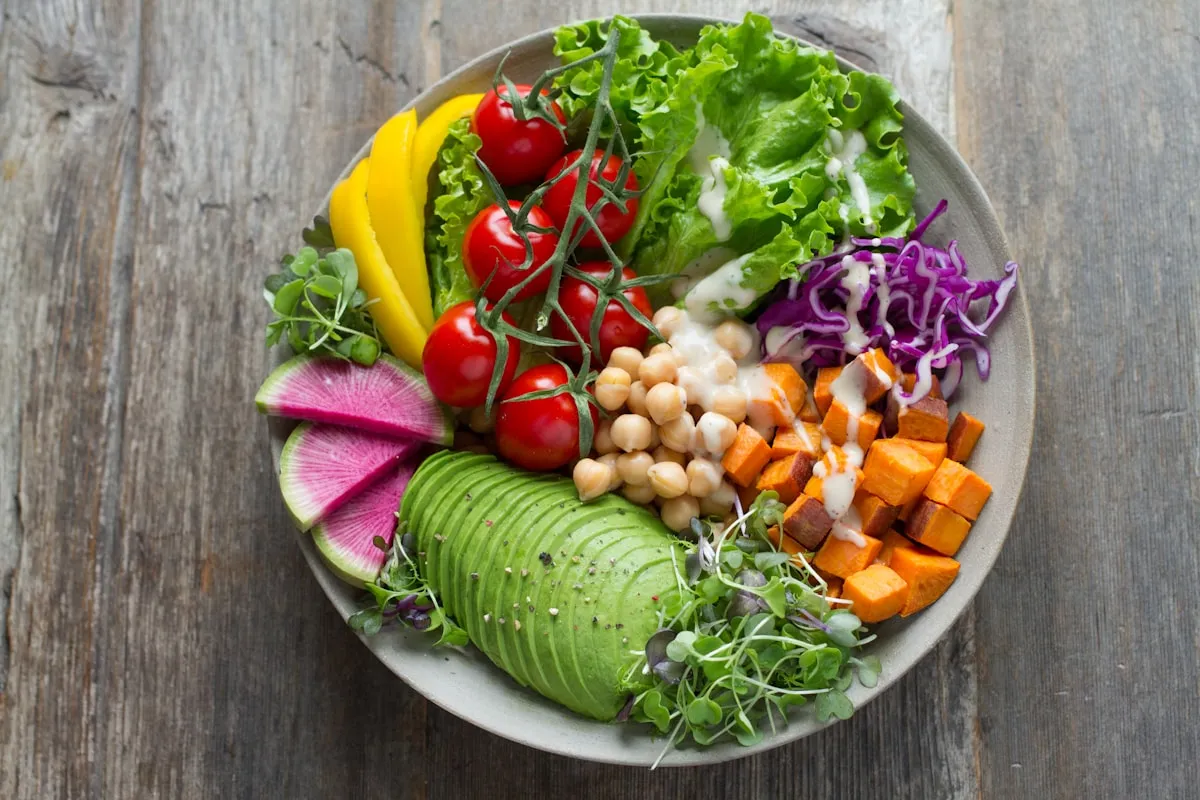
Mujaddara looks almost suspiciously simple. Rice. Lentils. Onions. A little spice. That’s it. And yet when it’s done right, it tastes like someone put way more effort into it than they actually did. That is my favorite kind of kitchen trick. This is one of those healthy dinner ideas that proves technique matters more than a mile-long ingredient list.
Let’s start with the onions, because they are not a garnish here. They are the whole mood. People love to say “caramelized onions” when what they really mean is “onions I cooked for eight impatient minutes until they got tan.” That is not the assignment. Real caramelization is a slow collapse of structure, moisture loss, sugar concentration, and browning. Onions begin with a lot of water and a fair amount of natural sugar, but they do not start out tasting deep or jammy. They have to earn it.
There are also levels to onion browning, and each one gives you a different result. Pale golden onions taste sweet and mild. Medium brown onions lean savory and rounded. Deep brown onions, the kind that make Mujaddara worth talking about, bring sweetness, bitterness in tiny useful doses, and a kind of roasted complexity that fills in for stocky, meaty flavors. Push past that sweet spot and you get harshness instead of depth. In other words, there is a fine line between “wow” and “why does this taste like regret.”
Use a wide pan or heavy pot so the onions have room to release steam instead of trapping it. Crowding causes steaming, and steaming keeps the temperature pinned too low for proper browning. Keep the heat at medium or medium-low and let time do the heavy lifting. Stir enough to prevent scorching, but not so obsessively that the onions never get a chance to sit against the hot surface. If the bottom starts catching too fast, add a tiny splash of water and scrape up the browned bits. That is not cheating. That is smart.
Now for the nerdy-but-useful part: caramelized onions are not only about caramelization. They also pick up flavor from Maillard browning once enough moisture cooks off and the surface temperature rises. Caramelization is sugar-driven; Maillard browning is the reaction between amino acids and reducing sugars. You do not need to memorize that for trivia night, but you should know the practical takeaway: onions cooked low and slow build layered flavor because multiple browning pathways are happening over time. That is why rushed onions taste flat and proper onions taste like they have secrets.
Half the onions season the pot; half go on top. Do not skip that split. The onions folded into the rice and lentils act like a flavor base, almost like a savory paste. The onions on top bring texture and concentrated sweetness. You need both. Mujaddara is a humble dish, but it still wants contrast.
Now let’s talk about the rice and lentils, because this pairing is doing more than making dinner filling. Together, they also create a more balanced protein profile. Lentils are rich in lysine but lower in methionine. Rice brings more methionine and is lower in lysine. Put them together and they complement each other in a way that makes the overall meal nutritionally stronger than either component alone. No, this does not mean you need to turn dinner into a chemistry exam. It just means this classic combo has been quietly smart for a very long time.
That protein complementation is only useful if the texture is good enough that you actually want to eat it, which brings us to ratio. The perfect rice-to-lentil ratio in Mujaddara is not about nutrition alone; it is about structure, moisture, and bite. Too many lentils and the dish gets heavy, dense, and oddly muddy. Too much rice and it starts eating like seasoned pilaf with onions rather than true Mujaddara. You want enough lentils to bring earthy depth and creamy interiors, but enough rice to keep the mixture fluffy and separate.
The sweet spot is a balanced proportion where the rice can fill the gaps between lentils without turning the pot into porridge. That is why timing matters just as much as ratio. Lentils hydrate more slowly and keep a firmer outer layer for longer. Rice absorbs water more quickly and can go from perfect to mush with almost insulting speed. If you dump them in at the same time with blind optimism, one of them will betray you. Usually both.
Par-cook the lentils first so they are mostly there but not fully tender. Then finish them with the rice so both land at doneness together. This is less glamorous than a dramatic one-pot shortcut, but it works. And I will take reliable over dramatic every single weeknight. If you want quick family meals, save speed for dishes designed for speed. Mujaddara rewards patience, not chaos.
The other key piece is starch management. Rice releases starch as it cooks, but you do not want a creamy, clingy result here. You want distinct grains. That means controlling excess agitation and giving the pot a proper rest after cooking. Resting is not a pointless delay invented by annoying recipe writers. It allows moisture to redistribute so the bottom is not wet while the top is dry. It also lets the rice firm up slightly, which keeps the grains intact when you fluff.
Use the towel-under-the-lid trick if you know your lid traps a lot of condensation. Steam rises, hits the lid, and would otherwise drip straight back onto the grains. That extra water is how you end up with random soggy patches. Catch it, and the whole pot stays more evenly dry and fluffy. This is one of those small moves that separates “pretty good” from “why is this weirdly excellent?”
Seasoning matters too, but not in a flashy way. Cumin adds warmth and reinforces the earthiness of the lentils. Black pepper gives low-key heat. Cinnamon or allspice, if used lightly, nudges the sweetness of the onions and makes the dish feel rounder, not dessert-like. Keep your hand steady. This is not the place to dump half the spice rack into the pot like you’re auditioning for a stew.
What makes Mujaddara special is balance. Sweet onions. Earthy lentils. Nutty rice. Gentle spice. A fluffy texture underneath crisp-edged onion bits on top. It is not trying to be one of those overbuilt air fryer recipes dinner situations with seventeen toppings and a personality crisis. It wins by being restrained and getting the fundamentals exactly right.
Smart Variations Without Wrecking the Point
Classic Mujaddara does not need reinventing, but it does allow smart adjustments. Swap white basmati for brown basmati if you want a nuttier profile, but expect a longer cook and a firmer chew. Use black beluga lentils if you want lentils that hold their shape beautifully and look sharp against the rice. Use green or brown lentils if you want the most traditional texture. Avoid red lentils unless your goal is accidental paste.
You can also shift the onion level depending on the mood. If you want a softer, sweeter version, stop the onions at a medium golden brown. If you want a deeper, more intense finish, take them darker, but stay just short of bitterness. That choice changes the whole personality of the dish. Lighter onions feel mellow. Darker onions feel dramatic in the best possible way.
For extra brightness, fold chopped parsley or cilantro through the finished dish. For heat, add a spoonful of harissa on the side instead of stirring it through the pot. That keeps the core flavor of the dish intact and lets you control how aggressive the heat gets. If you are building a rotation of healthy dinner ideas, this is a great one to customize gently without losing its soul.
Pairings That Wake Up the Pot
Mujaddara is earthy, sweet, and savory, so the best side dishes bring acid, crunch, or coolness. Use lemon wedges. Non-negotiable. A squeeze right before eating cuts through the rich onion flavor and wakes up the lentils immediately. It is the same reason pickles work so well with fatty foods: acid sharpens everything.
A chopped cucumber and tomato salad with parsley and mint is a perfect partner because it adds freshness and water content next to a dish that is otherwise deeply cooked and concentrated. Radishes also work if you want peppery bite. Plain yogurt, or a tangy plant-based yogurt, brings cooling contrast and a little creamy relief between bites.
If you want something extra on the table, use quick-pickled onions or turnips. Yes, onions with onion-based dinner sounds chaotic. It is also delicious because pickled sharpness cuts through caramelized sweetness. Contrast is the whole game here. If you need quick family meals during the week, make the pickles or salad ahead and Mujaddara suddenly feels much fancier than the effort suggests.
Mujaddara Mastery: Frequently Asked Questions
Why are my lentils always mushy or falling apart?
You probably cooked them too far before combining them with the rice. Lentils keep softening during the final covered cook and resting phase, so they need to go in slightly underdone. Use green, brown, or black lentils for the best structure. Avoid red lentils here unless you enjoy the texture of wallpaper paste, which I do not recommend.
My onions went from blond to burned in what felt like thirty seconds. What happened?
That is normal near the end. Once enough moisture has evaporated, browning speeds up fast. Early on, onions are protected by all that water. Later, they are basically unsupervised teenagers with access to high heat. Lower the heat sooner than you think you need to, stir more frequently in the final stretch, and use a splash of water to slow things down if the pan starts catching too aggressively.
What is the difference between lightly browned onions and deeply caramelized onions in this dish?
Lightly browned onions taste sweeter and cleaner, but they will not give you the same savory depth. Deeply caramelized onions bring more bitterness, roastiness, and complexity, which is exactly why Mujaddara tastes so substantial despite being built from pantry basics. Aim for a deep chestnut color, not black. You want intensity, not smoke damage.
Why does my rice turn mushy even when my lentils are fine?
The rice is either getting too much water, too much agitation, or too much time. Lentils and rice do not hydrate at the same rate, so starting them together without adjusting timing is asking for trouble. Rest the pot after cooking, fluff gently instead of stirring like crazy, and do not skip the condensation control step if your lid traps a lot of steam.
Do rice and lentils really make a better protein together?
Yes. Lentils are strong in lysine and weaker in methionine, while rice helps fill that gap. Together they create a more complementary amino acid profile than either does alone. No, you do not need to eat them with lab goggles on. Just know this classic pairing is both practical and nutritionally clever.
Can I make this ahead for meal prep?
Absolutely. In fact, it is one of those healthy dinner ideas that often tastes better after the flavors settle. Store the extra onions separately if possible so they keep more texture. Reheat the rice and lentils gently with a splash of water, then top with the onions and fresh lemon right before serving.
Can I skip the oil?
You can, but you will lose depth. Water-sautéed onions soften well, but they do not caramelize in the same way because the temperature stays too low for robust browning. If you want the dish to taste fully developed, use enough oil to support the onion cooking. This is not the moment for culinary self-sabotage.
Is Mujaddara one of those true weeknight dishes, or is it secretly a project?
It sits in the middle. It is not hard, but it does require patience, especially for the onions. The upside is that the ingredients are cheap, the method is forgiving once you understand the timing, and the leftovers are excellent. Among quick family meals, this is not the fastest option on earth, but it is one of the smartest make-once-eat-twice dinners you can have in your lineup.