Recipe
Servings
4 servings 1×
Serves 4Prep 5 minCook 15 minTotal 20 min
Nutrition per serving
Ingredients
- 2 tbsp olive oil or unsalted butter
- 1 lb cremini or mixed mushrooms sliced (shiitake or oyster also work)
- 3 cloves garlic minced
- 1 tsp fresh thyme leaves or 1/2 tsp dried
- 12 oz fettuccine or linguine pasta
- 4 cups vegetable broth or water
- 1/2 cup heavy cream
- 1/2 cup grated Parmesan cheese
- salt and black pepper to taste
Method
- Heat olive oil or butter in your skillet over medium-high heat.
- Add the mushrooms in a single layer.
- Cook undisturbed for 3-4 minutes to develop a deep golden color and drive off moisture.
- Add minced garlic and thyme to the mushrooms.
- Sauté for 1-2 minutes until the garlic is fragrant but not browned.
- Season lightly with salt and pepper.
- Add the pasta and pour in the vegetable broth.
- Bring to a boil, then reduce to a simmer.
- Cook for 8-10 minutes, stirring occasionally, until the pasta is al dente and the liquid has reduced to a shallow, thickened pool.
- Stir in the heavy cream and Parmesan cheese.
- Stir vigorously for 1-2 minutes; this agitation helps the pasta starch bond with the fats to create a silky, glossy emulsion.
- Adjust seasoning with salt and extra pepper.
- Garnish with fresh parsley if desired and serve immediately while the sauce is at its peak creaminess.
Let’s be honest: the only thing better than a bowl of velvety, umami-packed mushroom pasta is not having a sink full of crusty pots to scrub afterward. My blog is all about finding those kitchen shortcuts that don’t actually taste like shortcuts. If you’re tired of the “boil water, drain water, make sauce” routine, you’ve come to the right place. Today, we’re diving into why the one-pot method isn’t just a lazy hack, it’s actually superior science for creating a restaurant-quality emulsion at home.
The Science of the Starch Emulsion
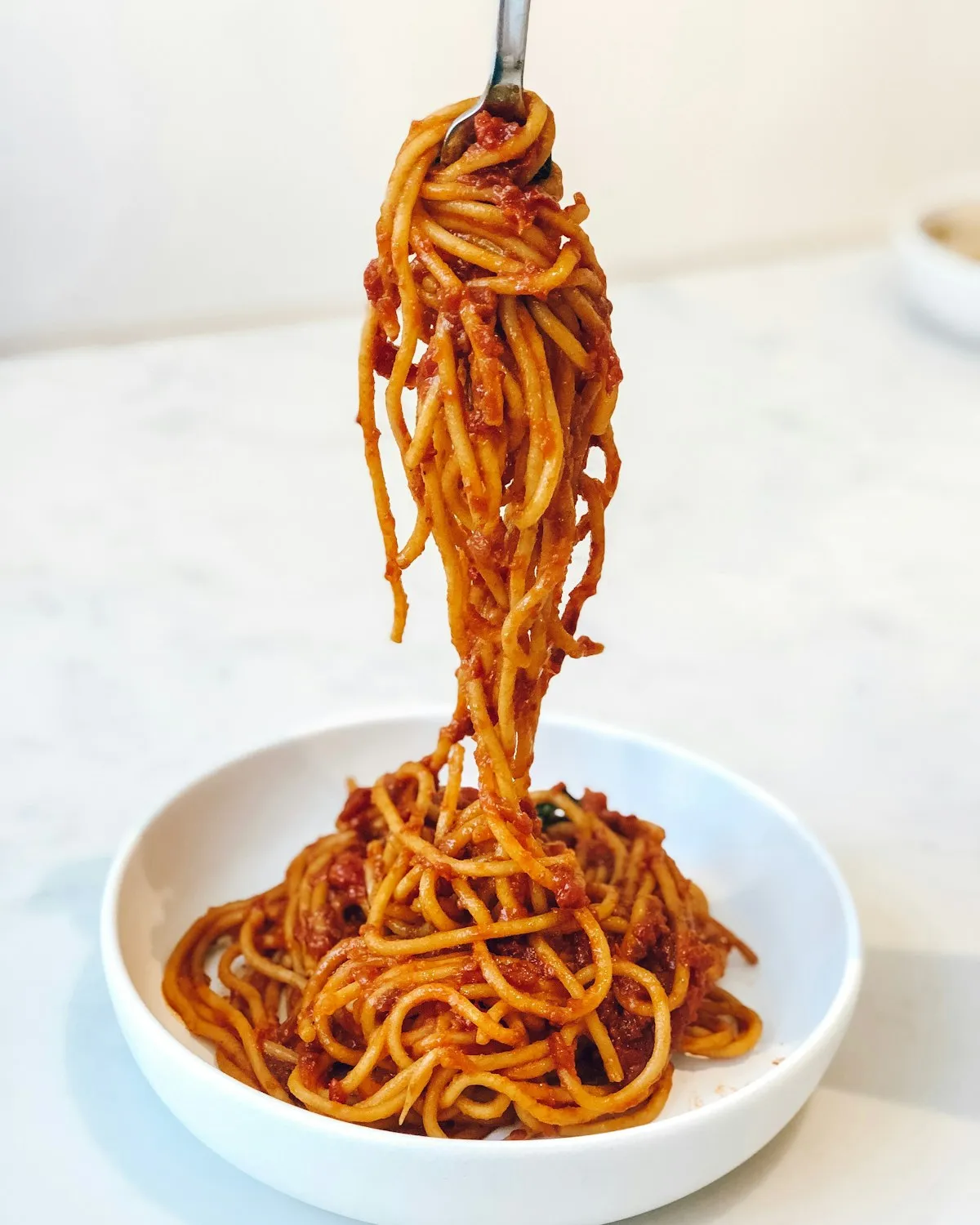
When you cook pasta in a giant vat of salted water, you are essentially throwing away your best ingredient: liquid gold, aka pasta water. In the world of quick family meals, efficiency matters, but the one-pot method earns its keep because it changes the texture of the final dish in a very real way. This is not kitchen folklore. It is starch management.
As pasta hydrates, the outer layer sheds starch granules into the surrounding liquid. In a traditional setup, most of that starch disappears down the drain, and you try to rescue the sauce later with a token splash of reserved water. Sometimes that works. Sometimes you get a thin sauce that sulks at the bottom of the bowl while the noodles sit there wearing a sad cream jacket. In a one-pot pasta, the starch stays in play from start to finish, which means the cooking liquid thickens naturally as the noodles soften.
That starchy liquid is what helps create an emulsion. In plain English, an emulsion is a stable mixture of fat and water that would rather separate if left to their own dramatic little devices. Cream, butter, olive oil, cheese: all delicious, all prone to splitting when handled badly. Pasta starch acts like a mediator. It increases viscosity, slows separation, and helps tiny droplets of fat stay suspended in the liquid. The result is a sauce that looks glossy instead of greasy and coats the pasta instead of puddling underneath it.
Use enough liquid to cook the pasta, but do not flood the pot. That part is non-negotiable. Too much liquid dilutes the starch concentration, and then your sauce has no backbone. Too little liquid, and the pasta cooks unevenly while the sauce turns pasty. The sweet spot is a controlled amount that reduces as the pasta cooks, concentrating flavor and starch at the same time. That is why one-pot creamy pasta can taste richer even when you use less cream. The starch supplies body, so the dairy does not have to do all the heavy lifting.
Now for the mushroom science, because mushrooms are not just there to look moody and expensive. Mushrooms are full of glutamates and nucleotides, compounds that amplify savory taste and create that deep umami effect your brain reads as satisfying. This is why mushroom pasta tastes so luxurious even when the ingredient list is pretty humble. You are stacking natural flavor enhancers.
But mushrooms have another quirk: structure. Their cell walls contain chitin, a tough fibrous material also found in crustacean shells and insect exoskeletons, which is not exactly the comparison you want at dinner, but stay with me. Chitin is one reason mushrooms can feel chewy and meaty when cooked well. It is also why badly cooked mushrooms can feel rubbery or squeaky, which is a texture nobody has ever requested twice.
To make mushrooms tender and flavorful, you need two things to happen. First, you need moisture to leave. Mushrooms are mostly water, so when they hit the pan, they release a lot of it. If the pan is crowded or the heat is timid, they steam. Steamed mushrooms stay pale, soft, and a little swampy. Use proper heat. Give them space. Let the water evaporate so the surface can actually brown. Browning creates the roasted, savory notes that make the final sauce taste layered instead of flat.
Second, you need time and heat to soften that chitin-rich structure. Mushrooms do not break down like zucchini or spinach. They need a little patience. As they cook, their texture relaxes, their moisture concentrates, and their flavor gets louder. This is where many people rush the process and then blame the mushroom. The mushroom was innocent. The pan management was the problem.
Once the mushrooms brown, the fond on the bottom of the pot becomes part of the sauce architecture. Add liquid, and those browned bits dissolve into the starchy base. That means the sauce is not just creamy; it is carrying roasted mushroom flavor in every swipe. Then the pasta finishes cooking directly in that liquid, absorbing the savory compounds along the way. You are not coating plain noodles with sauce at the end. You are building the flavor into the noodles while the emulsion forms around them.
This method is one of my favorite healthy dinner ideas because it gives you a plush, creamy texture without requiring an aggressive amount of cream or cheese. It also earns a permanent place in the weeknight rotation because the process is efficient without tasting rushed. If you want a sauce that clings, mushrooms that actually taste like something, and fewer dishes glaring at you from the sink, trust the starch and respect the mushroom.
Variations to Keep Things Fresh
Once you understand the starch-and-mushroom logic, the variations become a lot more intuitive. Start with the mushrooms themselves. Cremini are dependable and affordable, but mixing varieties gives you more than a fancier grocery receipt. Shiitakes bring a stronger savory punch because they are especially rich in umami compounds. Oyster mushrooms go softer and silkier. Dried porcini add concentrated depth because drying changes flavor chemistry and intensifies those earthy notes. Use a blend when you want a sauce that tastes like it knows things.
If you want a more assertive finish, add a sharp acidic note somewhere in the supporting cast. Mushroom pasta is rich, earthy, and creamy, so it benefits from contrast. A squeeze of lemon, a spoonful of crème fraîche with tang, or a restrained splash of white wine in the cooking phase can keep the sauce from tasting heavy. Do not overdo it. You are trying to brighten the umami, not bully it.
For a plant-based version, use a high-fat non-dairy base and lean even harder on the starch. That part matters. Dairy naturally contains proteins and emulsified fat that help with creaminess, while some non-dairy alternatives are more likely to separate or stay thin. A starch-rich cooking liquid closes that gap and keeps the sauce from looking watery. Add nutritional yeast for savory depth, and the whole thing still lands firmly in the comfort-food zone.
Texture is another smart place to riff. Creamy pasta needs contrast or every bite starts to feel a little too polite. Add a crisp topping right before serving. Toasted breadcrumbs, browned nuts, or crisped mushroom slices all work. If you like to borrow ideas from air fryer recipes dinner fans, use that gadget for a crunchy garnish rather than the main event. It is a nice way to add snap without dirtying another skillet.
You can also steer the dish greener without wrecking the balance. Fold in spinach, peas, or chopped kale near the end so the vegetables stay vibrant and do not water down the sauce. That makes this one of those healthy dinner ideas that still feels like actual dinner rather than punishment in a bowl. For more pasta-first inspiration, check out my guide on one-pan creamy garlic parmesan pasta.
The Perfect Side Dish Pairings
Because this pasta is rich, earthy, and starch-glossy in the best possible way, your side dishes need to bring contrast. Think acid, bitterness, crunch, or all three if you are feeling ambitious. A simple arugula salad with a lemon-forward vinaigrette is still the gold standard. Peppery greens and sharp citrus wake up your palate between bites, which keeps the pasta from feeling too heavy halfway through the bowl.
If you want a vegetable side with more substance, go for roasted broccolini, asparagus, or green beans with plenty of color on them. That slight char adds bitterness, and bitterness is useful here. It cuts through creamy richness the same way acidity does, just with more edge. Keep the seasoning direct and uncluttered. Salt, pepper, olive oil, maybe a pinch of chili flakes. Do not make the side dish compete with the pasta’s umami depth.
A cucumber salad also works surprisingly well because it does the exact opposite of the pasta. It is cold, crisp, acidic, and refreshing. That contrast makes each component taste more like itself. If you are building out a table for quick family meals, this is the kind of pairing that makes dinner feel more complete without creating extra chaos. For another fast dinner with smart flavor balance, check out my 15-minute Thai prawn noodles.
FAQ: Mastering the One-Pot Method
Why did my pasta turn out gummy instead of creamy?
Gummy pasta usually means your starch concentration got out of hand or the pasta overcooked before the sauce balanced itself. If too much liquid evaporates too early, the starch gets overly concentrated and turns gluey instead of silky. Stir enough to prevent sticking, but do not attack it like you are churning butter. Keep the heat controlled and add a small splash of liquid if the pot starts looking thick before the pasta is properly cooked.
What if my sauce looks greasy or split?
That usually means the fat and water fell out of emulsion. The fix is practical: lower the heat and stir in a small amount of warm water or broth. That extra liquid gives the starch room to redistribute and pull the sauce back together. High heat can push dairy sauces too far, especially near the end, so avoid blasting it once the pasta is nearly done.
Can I use gluten-free pasta for this?
Yes, but expect different behavior. Gluten-free pasta often releases starch differently, and some varieties soften fast enough to go from perfect to mush in what feels like one rude minute. Chickpea or lentil pasta tends to hold up better than delicate rice-based options. Watch the liquid more closely and be ready to adjust because the emulsion can tighten or thin faster than with traditional wheat pasta.
Why are my mushrooms rubbery instead of tender?
Rubbery mushrooms usually need either more browning or more cooking time. Their structure includes chitin, which is naturally sturdy. If the mushrooms only half-cook, that structure stays stubborn and chewy. Use enough heat to drive off moisture first, then keep cooking until they brown and relax. Do not crowd the pan, and do not expect pale mushrooms to taste deep and savory. Color matters.
How do I prevent the mushrooms from getting slimy?
Follow the no-swamp rule: do not crowd the pan, and do not salt too early. Mushrooms dump out moisture as soon as they heat up, and salt speeds that process. If the pan is crowded, they steam in their own liquid and never get the chance to brown. Give them room, let the water cook off, and wait for real contact with the pan before seasoning heavily.
Can I make this ahead of time?
You can, but it is best fresh. Starch-thickened sauces continue to tighten as they cool, so leftovers often look much thicker the next day. Reheat gently with a splash of water, milk, or broth to loosen the emulsion. Avoid microwaving it into oblivion. Gentle heat gives the sauce a chance to smooth out again.
What if my sauce is too thin?
If the pasta is cooked and the sauce still looks loose, remove the lid, raise the heat slightly, and stir for a minute or two. You need evaporation and movement. The liquid reduces, the starch concentration increases, and the sauce turns glossy. Resist the urge to dump in extra cheese as a panic move. Let physics help first.
What if my sauce gets too thick?
Add liquid a little at a time and stir well after each addition. Thick sauce is usually easier to fix than thin sauce. Water works fine because the pot already contains starch and flavor; you are not starting from zero. Think of it as recalibrating the emulsion rather than watering down the dish.
Is this dish okay for meal prep?
It is acceptable for meal prep, but it is not where this pasta shows off. For the best texture, cook and serve it right away. If you need to make it ahead, keep the pasta slightly underdone so it can finish during reheating instead of crossing into mush territory. That is usually the smarter move for quick family meals, because the fresh version is fast enough to earn a repeat spot anyway.