Recipe
Servings
Servings 1×
Ingredients
- Pasta
- Noodles
- Garlic
- Cooking oil
- Chili seasoning
Method
- Use that starchy water to help the oil form tiny droplets suspended throughout the sauce.
- Let heat, motion, and starch do the matchmaking.
- Slice garlic and you still trigger the reaction, but less dramatically.
- Heat changes the whole equation.
- Start the garlic in relatively cool or gently warm oil and let it slowly move toward pale gold.
- Use a sharp knife and cut thin, even slices.
Stop overcomplicating your dinner. In a world of twenty-ingredient pantry hauls and three-hour braises, there is a quiet, steaming rebellion found in a bowl of Pasta Aglio, Olio e Peperoncino. This isn’t just a backup plan for when the fridge is empty; it’s a masterclass in culinary physics. When you strip away the heavy creams and the mountain of pre-shredded cheese, you’re left with the three pillars of flavor: fat, heat, and aromatics. It’s the ultimate expression of how simple pasta recipes can actually be the most sophisticated meals in your repertoire.
The Science of the “Liquid Gold” Emulsion
If you’ve ever ended up with a pool of oil at the bottom of your bowl and naked, dry noodles on top, you haven’t failed, you just missed a step in basic chemistry. The secret to a pasta dinner that tastes far fancier than its grocery bill lies in the “mantecatura”, the process of creating a creamy emulsion between the olive oil and the pasta water.
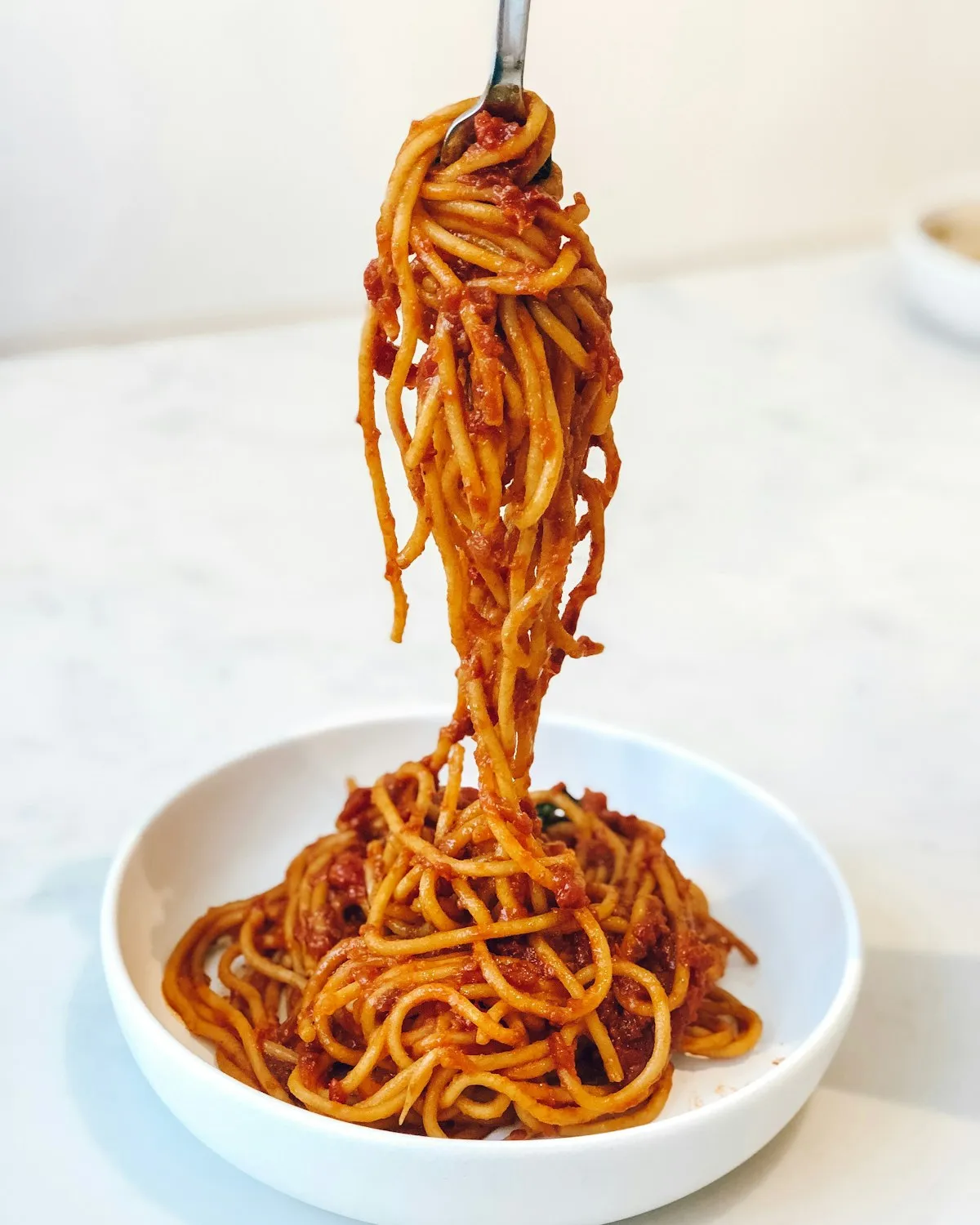
Think of your pasta water as liquid gold, not sink fodder. As the noodles boil, they release amylose and amylopectin, two starch molecules that make the water cloudy and useful. When you toss nearly cooked pasta into garlic-and-chili oil, you are not simply coating noodles. You are persuading water and fat to stop acting like sworn enemies. Use that starchy water to help the oil form tiny droplets suspended throughout the sauce. Stir hard. Toss with intent. Let heat, motion, and starch do the matchmaking. That is how the sauce goes from slick and separated to glossy and clingy.
The physics here is delightfully bossy. Oil wants to stay with oil. Water wants to stay with water. Starch barges in like a meddling friend and keeps the two from breaking up immediately. The mechanical energy from tossing breaks the oil into smaller droplets, which increases surface area and makes the mixture look creamy rather than greasy. This is why a pan that seems too loose at first can suddenly tighten into a proper sauce after thirty seconds of vigorous tossing. Keep going. The transformation happens fast, and yes, it is a little smug about it.
Garlic Chemistry: Allicin Is the Drama Queen
Garlic is the soul of this dish, and garlic is also a tiny chemistry set wearing a papery jacket. The famous garlic punch comes from a compound called allicin, but here’s the kicker: intact garlic does not contain much allicin at all. It forms when you cut, crush, or mince the clove and rupture its cells. That damage allows an enzyme called alliinase to convert alliin into allicin. In plain English: garlic gets loud only after you rough it up.
This is why your cutting style matters. Mince garlic and you create far more cell damage, which means a faster, stronger allicin reaction and a more aggressive flavor. Slice garlic and you still trigger the reaction, but less dramatically. You get a gentler release, more control, and a better chance of coaxing sweetness from the clove before bitterness crashes the party. For this pasta, sliced garlic is the smarter move. It lets the oil absorb aroma gradually rather than getting blasted with raw-garlic fury all at once.
Heat changes the whole equation. Allicin is unstable, which is a science word for “here for a good time, not a long time.” Once garlic hits warm oil, allicin starts breaking down into other sulfur compounds that taste nuttier, sweeter, and more mellow. That is the flavor arc you want. Start the garlic in relatively cool or gently warm oil and let it slowly move toward pale gold. Do not drop it into ripping hot oil unless your goal is disappointment with a side of bitterness. Burned garlic does not taste sophisticated. It tastes like regret.
Use a sharp knife and cut thin, even slices. Even slices cook at the same rate, which means fewer random black bits and fewer sad surprises. Watch the color like it owes you money. Aim for pale straw, not chestnut brown. Once the garlic goes too dark, the sulfur compounds become harsh and acrid, and the whole pan tastes like a bad decision. This is a non-negotiable. Start over if needed. The dish is simple enough that every little thing matters.
Oil-Based Flavor Infusion: Why the Pan Smells Amazing So Fast
Oil is not just a lubricant here. It is the delivery system, the storage unit, and frankly the limousine for flavor compounds. Many of the aromatic molecules in garlic and chili are fat-soluble, which means they dissolve and spread far better in oil than they ever would in plain water. As garlic warms, its sulfur compounds drift into the oil. As chili flakes bloom, their fat-friendly heat compounds wake up and move into the oil too. Suddenly the whole pan smells like dinner knows what it’s doing.
This is why gentle heat matters so much. Infusion is a balancing act between extraction and destruction. Too little heat and the oil stays flat, tasting oily rather than aromatic. Too much heat and the volatile compounds either burn off or turn bitter. Keep the heat in the moderate zone where the garlic quietly sizzles instead of frantically sputtering. You want movement, not chaos.
The size of your aromatics also changes the speed of infusion. Smaller pieces expose more surface area, so they release flavor faster. That sounds great until minced garlic burns in ten seconds and takes your mood with it. Sliced garlic gives you enough surface area for extraction without making the pan a high-stakes emergency room. It buys you time, and in a dish this minimal, time is flavor insurance.
Capsaicin Solubility: Why Chili Loves Oil More Than Water
Now for the chili flakes, the tiny red confetti of consequences. Their heat comes largely from capsaicin, a compound that is famously stubborn in water and much more comfortable in fat. This is why drinking water after spicy food is mostly a theatrical performance. Capsaicin dissolves better in oil, dairy fat, and alcohol than in water. So when you bloom chili flakes in olive oil, you are doing more than coloring the pan. You are extracting the heat into a medium that spreads it evenly through the whole dish.
That even distribution matters. Toss dry chili flakes straight onto finished pasta and you get random hot spots: one timid bite, one fiery bite, one bite where you reconsider your life choices. Bloom the flakes in oil and the heat travels through the sauce more smoothly. Every strand gets the same warm, back-of-the-throat hum. It feels intentional rather than chaotic.
Use restraint here. Capsaicin keeps infusing as long as the chili sits in warm fat. If the oil is very hot, extraction happens quickly and aggressively. If the oil is warm and controlled, the flavor rounds out and the heat feels integrated instead of punishing. Add the chili toward the end of the garlic’s cooking so it blooms for a short window without scorching. Burned chili takes on a dusty bitterness that no amount of parsley can save.
Variation Without Ruining the Point
While the trio of garlic, chili, and oil is sacred, you do have room to riff if you keep the balance intact. This is still one of those dependable quick family meals where tiny changes can make it feel new without making it fussy.
Use flat-leaf parsley at the end for freshness. Its grassy, slightly bitter edge cuts through the richness of the oil and keeps the dish from tasting one-note. Add lemon zest if you want brightness without extra liquid. The aromatic oils in the zest bring top notes that make the garlic and chili feel sharper and more awake. Use pangrattato if you want crunch. Toasted breadcrumbs absorb a bit of surface oil and add texture, which makes every bite feel more complete.
If you want a bigger savory push, add a little finely grated hard cheese at the table rather than cooking it into the pan. That keeps the emulsion from getting muddy. If you want the dish to lean greener, scatter in tender spinach or arugula right at the finish and let residual heat wilt it. Keep the quantity modest. This is not the place to bury the sauce under half the produce drawer.
The rule is simple: add contrast, not clutter. Use acidity to cut richness. Use herbs to freshen aroma. Use crunch to break up all that silky texture. Do not turn this into a pantry yard sale.
Side Dishes That Actually Make Sense
Because this pasta is rich in fat and starch, pair it with something that brings snap, bitterness, or acid. Do not serve it with garlic bread unless your goal is to fight carbs with more carbs and then take a nap on the sofa.
Use a bitter salad. Arugula, radicchio, or little gem with a sharp lemony vinaigrette works beautifully because bitterness resets your palate and acidity slices through the olive oil. That contrast keeps the pasta from feeling heavy after a few bites. It is one of the easiest healthy dinner ideas to execute because the side dish barely needs any work.
Try charred broccolini or asparagus if you want vegetables with a little backbone. Their slight bitterness and smoky edges echo the toasted notes in the garlic while giving the plate structure. Roasted zucchini can work too, but keep the seasoning simple so it does not compete. This is one of those healthy dinner ideas where the side dish should behave itself and let the pasta be the loud one.
A crisp fennel salad is another smart move. Fennel brings crunch, a mild anise note, and a watery freshness that counterbalances the oil beautifully. In other words, give the pasta a sidekick, not a rival.
FAQ: Your "What If" Guide to Pasta Perfection
What if my sauce is too thin and watery?
You probably used too much water in relation to starch, or you didn’t toss long enough to build the emulsion. Keep the pan over medium heat and toss vigorously so some moisture evaporates while the starch organizes the sauce. If the pan still looks loose, wait a beat before adding more pasta water. This dish rewards patience more than panic.
What if my sauce is oily instead of glossy?
That means the emulsion never properly formed or it broke. Add a small splash of starchy pasta water and keep tossing over heat. Think small additions, not a bucket pour. Too much water at once makes the sauce sloshy instead of silky. Use force. This is pasta, not a hostage negotiation.
What if the garlic turns brown before the pasta is ready?
Pull the pan off the heat immediately. Garlic carries over fast because hot oil clings to every slice. If it is only just crossing into dark gold, cool the pan with a tiny splash of pasta water. If it is fully brown and smells bitter, start over. There is no clever rescue for scorched garlic. There is only acceptance.
What if I want more garlic flavor?
Use more sliced garlic rather than switching to a paste. That gives you more aromatic infusion without making the whole dish harsh. If you mince or crush all of it, you trigger a much stronger allicin reaction and the flavor can become hot and aggressive instead of rounded. More is fine. More chaos is not.
What if the chili heat is too strong?
Use less bloom time next round or reduce the amount of flakes. Capsaicin is fat-soluble, so once it has infused into the oil, the heat spreads efficiently through the entire dish. You cannot really rinse that away. Balance it with extra pasta, a little more olive oil, or a bright finish like parsley and lemon zest.
Can I use any pasta shape?
Technically, yes, but long noodles are still the best choice. Spaghetti and linguine give the emulsified sauce more surface to cling to, which means better distribution of garlic oil and chili heat. Short shapes can work, but they change the eating experience and sometimes trap excess oil in awkward little pockets.
Is it okay to use regular olive oil?
You can, but this is one of those recipes where the oil is the sauce, so quality matters. Extra virgin olive oil gives you fruitiness, pepperiness, and depth that plain refined oil just cannot fake. Use one that tastes good on its own. If the oil is dull in the bottle, it will be dull in the bowl.
What if I make it and it tastes flat?
Check three things: salt, acid, and aroma. Salt wakes up the pasta itself. A little lemon zest or parsley can sharpen the top notes. And make sure the garlic and chili were actually infused in the oil rather than merely warmed beside it. Flat pasta usually means one of those three pieces never showed up for work.
The Troubleshooting Guide
| Issue | Root Cause | The Fix |
|---|---|---|
| Oily/Greasy Slick | Failed emulsion; no pasta water added. | Add starchy pasta water while the pan is hot and toss vigorously to marry the fat and water. |
| Sticky/Clumpy Noodles | Pasta was overcooked before hitting the pan. | Pull pasta out 2 minutes before 'al dente' and finish it in the pan with the sauce. |
| Bitter/Metallic Taste | Garlic scorched or turned too dark. | Sauté garlic on low-medium heat until pale straw-colored; shock with water if it browns too fast. |
| Bland Pasta | Pasta water wasn't salted enough. | Salt your boiling water until it tastes like the sea; it's your only chance to season the noodle core. |
| Watery Sauce | Too much water or lack of starch. | Use less water or increase heat while tossing to evaporate moisture and thicken the starch bridge. |