Recipe
Servings
Servings 1×
Ingredients
- Shrimp
- Pasta
- Noodles
- Bread
- Broccoli
- Spinach
- Kale
- Garlic
- Lemon
- Balsamic vinegar
- Hard cheese
- Cooking oil
- Salt
- Black pepper
Method
- Use the water from the pasta pot, not the tap.
- Start with cold oil and cold garlic.
- Add a punch of acidity by finishing the dish with a squeeze of fresh lemon juice and a pinch of zest.
If you have a box of dried pasta and a head of garlic, you aren't just "getting by", you’re minutes away from a culinary masterpiece. Spaghetti Aglio e Olio is the ultimate "pantry raid" meal, proving that budget-friendly doesn't mean boring. This dish is a masterclass in simplicity, relying on just a few high-impact ingredients to create a silky, garlicky, and deeply satisfying dinner. Whether you're looking for quick family meals or a solo midnight snack, mastering this technique will change how you view your kitchen staples forever.
The Alchemy of Emulsion: Why Your Pasta Isn't Greasy
The biggest mistake people make with Aglio e Olio is treating the olive oil as a garnish rather than a sauce. If you just pour oil over boiled noodles, you get a greasy bowl of sadness. To achieve that restaurant-quality silkiness, you need to understand the science of emulsification.
An emulsion is a mixture of two liquids that normally don't get along, in this case, oil and water. When you combine your garlicky olive oil with starchy pasta water and introduce mechanical agitation (vigorous tossing), you create a creamy, unified sauce that clings to every strand. Use the water from the pasta pot, not the tap. That cloudy, salted water is liquid gold, packed with starch that acts as a physical stabilizer for your emulsion.
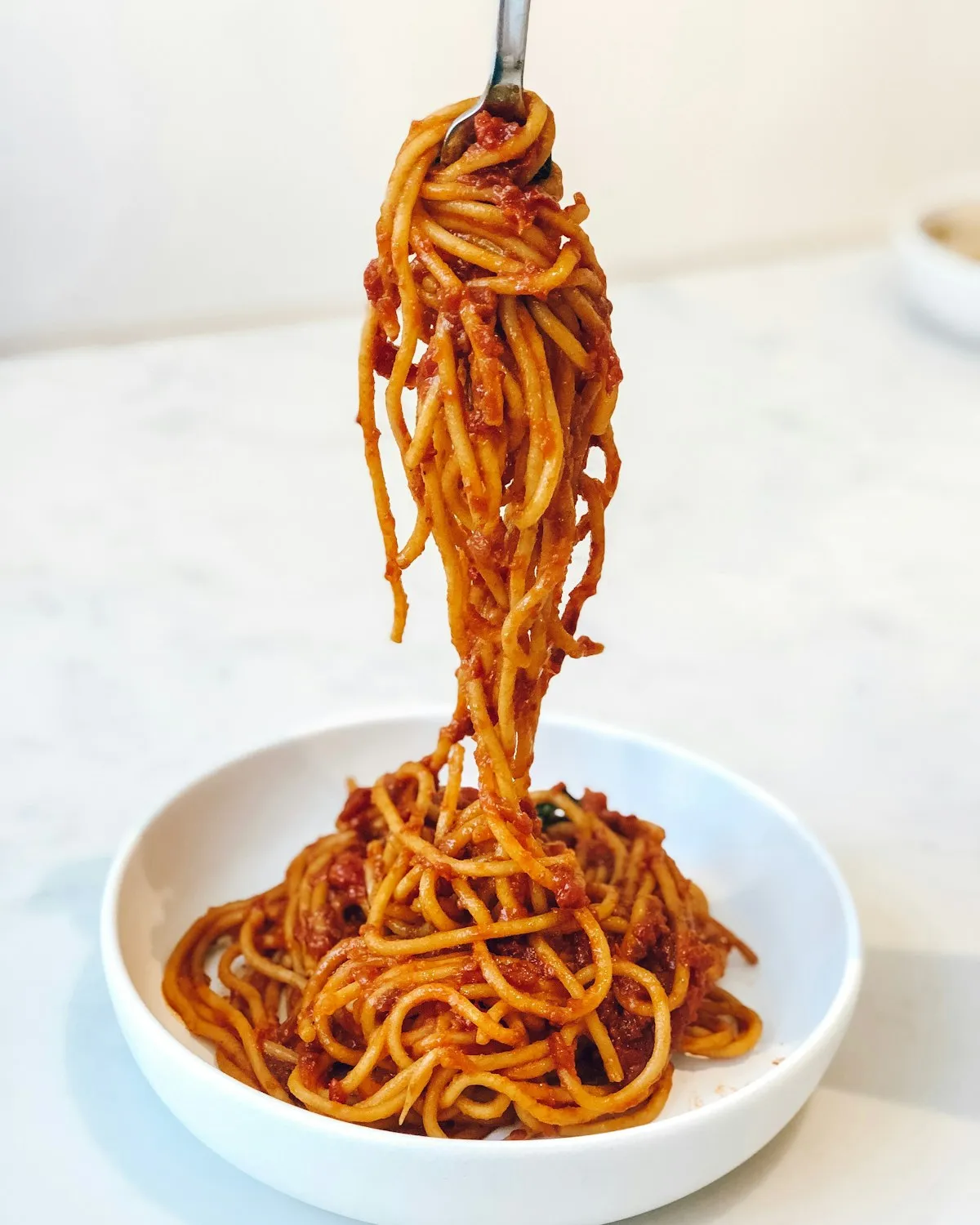
Infusing the oil is the second pillar of success. Do not throw your garlic into a screaming hot pan. Start with cold oil and cold garlic. This gentle ramp-up in temperature allows the garlic to release its essential oils slowly, flavoring the fat from the inside out. Aim for a light golden hue. If your garlic turns dark brown or black, it will taste bitter and ruin the dish. Pull the pan off the heat or add a splash of pasta water immediately once the edges turn blonde to halt the cooking process.
For the best results, use pasta extruded through bronze dies. These noodles have a rougher, sandier surface that sheds more starch and gives the sauce something to grab onto. It’s a small detail that makes a massive difference in how the sauce behaves. If you’ve mastered the perfect glossy sauce for linguine, you already know how vital that starch-to-fat ratio is for a premium mouthfeel.
Finally, don't be afraid of the "toss." You need to move that pasta around in the pan with conviction. This friction helps release even more surface starch, which thickens the sauce right before your eyes. Stop cooking the pasta in the water about two minutes before the package says "al dente" and finish it directly in the oil-water mixture. This allows the pasta to absorb the garlic flavor while the sauce concentrates into a beautiful, shimmering glaze.
Flavor Tweaks: Keeping it Fresh
While the traditional version is a purist's dream, the beauty of Aglio e Olio lies in its versatility as a canvas for healthy dinner ideas. You can easily bulk up the nutrition without breaking the bank or complicating your evening.
Add a punch of acidity by finishing the dish with a squeeze of fresh lemon juice and a pinch of zest. This cuts through the richness of the olive oil and brightens the entire profile. If you have leftover greens, toss in a handful of baby spinach or kale during the final minute of tossing; the residual heat will wilt them perfectly into the sauce.
For a crunch factor, toast some stale breadcrumbs in a separate pan with a little oil and salt, then sprinkle them over the top. It provides a "poor man's parmesan" effect that adds incredible texture. If you’re craving something more substantial, pairing this with air fryer recipes dinner fans love, like roasted broccoli or seasoned shrimp, adds protein and fiber without the mess of a second stove burner.
What to Serve on the Side
Since Aglio e Olio is rich and heavy on the aromatics, you want a side dish that offers a crisp, refreshing contrast. A simple arugula salad with a sharp balsamic vinaigrette is a classic choice. The peppery notes of the greens complement the spicy kick from the red pepper flakes in the pasta.
If you’re looking for more quick family meals to fill out the table, consider a side of roasted vegetables. Using an air fryer can save you time and keep the kitchen cool. Something like this air fryer sausage and pepper medley works beautifully if you want to add a meaty component to the meal while keeping everything streamlined. The goal is balance: acidity, crunch, and fresh greens are your best friends when the main event is a bowl of garlicky carbs.
FAQ: Solving Your Pasta Problems
Why is there a pool of oil at the bottom of my bowl?
This is the most common issue, and it means your emulsion failed. Either you didn't use enough pasta water, or you didn't toss the pasta vigorously enough. To fix this, return the pasta to the pan, add another splash of hot, starchy water, and stir rapidly over medium heat until the liquid and oil "marry" into a creamy sauce.
Can I use the pre-minced garlic from a jar?
I’m going to be firm here: No. Bottled garlic is often preserved in citric acid, which alters the flavor and prevents the garlic from infusing the oil properly. For Aglio e Olio, the garlic is the star. Use fresh cloves and slice them yourself. The difference in flavor isn't just noticeable; it's the entire point of the dish.
My garlic tasted bitter. What happened?
You burnt it. Garlic contains sugars that carbonize very quickly once they reach a certain temperature. Once it moves past golden-tan into dark brown territory, the flavor profile shifts from sweet and nutty to acrid and bitter. Always start in a cold pan and keep your eyes glued to the garlic.
Is it possible to make this a one-pot meal?
While we love a good one-pot wonder, Aglio e Olio relies on the separation of the boiling process and the infusion process. However, if you're looking for that convenience, check out our one-pot tomato basil linguine for a similar easy-cleanup experience.
Can I use gluten-free pasta?
Yes, but be aware that gluten-free pasta water often has a different starch profile. You may need to add a small knob of butter at the end to help stabilize the emulsion, as butter contains natural emulsifiers that can assist when the pasta starch is lacking.
What’s the best way to reheat leftovers?
Pasta Aglio e Olio doesn't love the microwave; it tends to separate and become oily. Reheat it in a skillet over medium-low heat with a tiny splash of water (or more pasta water if you saved some!) to bring the emulsion back to life. It will be as glossy as the day you made it.
For those nights when you want a completely different vibe but still need speed, don't forget that air fryer kielbasa and pierogies are another fantastic way to get a hearty meal on the table with zero stress.
{“@type”:”BlogPosting”,”image”:”https://cdn.marblism.com/njwsEnz94ta.webp”,”author”:{“name”:”Penny”,”@type”:”Person”},”@context”:”https://schema.org”,”headline”:”Budget-Friendly Spaghetti Aglio e Olio”,”keywords”:”air fryer recipes dinner, quick family meals, healthy dinner ideas, spaghetti aglio e olio, pasta science”,”publisher”:{“logo”:{“url”:”https://cookpedia.com/logo.png”,”@type”:”ImageObject”},”name”:”Cookpedia”,”@type”:”Organization”},”description”:”Learn the science behind the perfect Spaghetti Aglio e Olio. Master the emulsion and garlic infusion for a budget-friendly, restaurant-quality pasta dinner.”,”datePublished”:”2026-05-28″,”articleSection”:”Recipes”,”mainEntityOfPage”:{“@id”:”https://cookpedia.com/budget-friendly-spaghetti-aglio-e-olio”,”@type”:”WebPage”}}