Recipe
Servings
Servings 1×
Ingredients
- Lemon
- Mustard
- Tahini
- Sesame
Method
- Prepare the ingredients described in the article and heat the cooking surface or oven as directed.
- Cook the main ingredients using the heat and timing guidance in the article.
- Finish with the seasonings and garnishes named in the article, then serve.
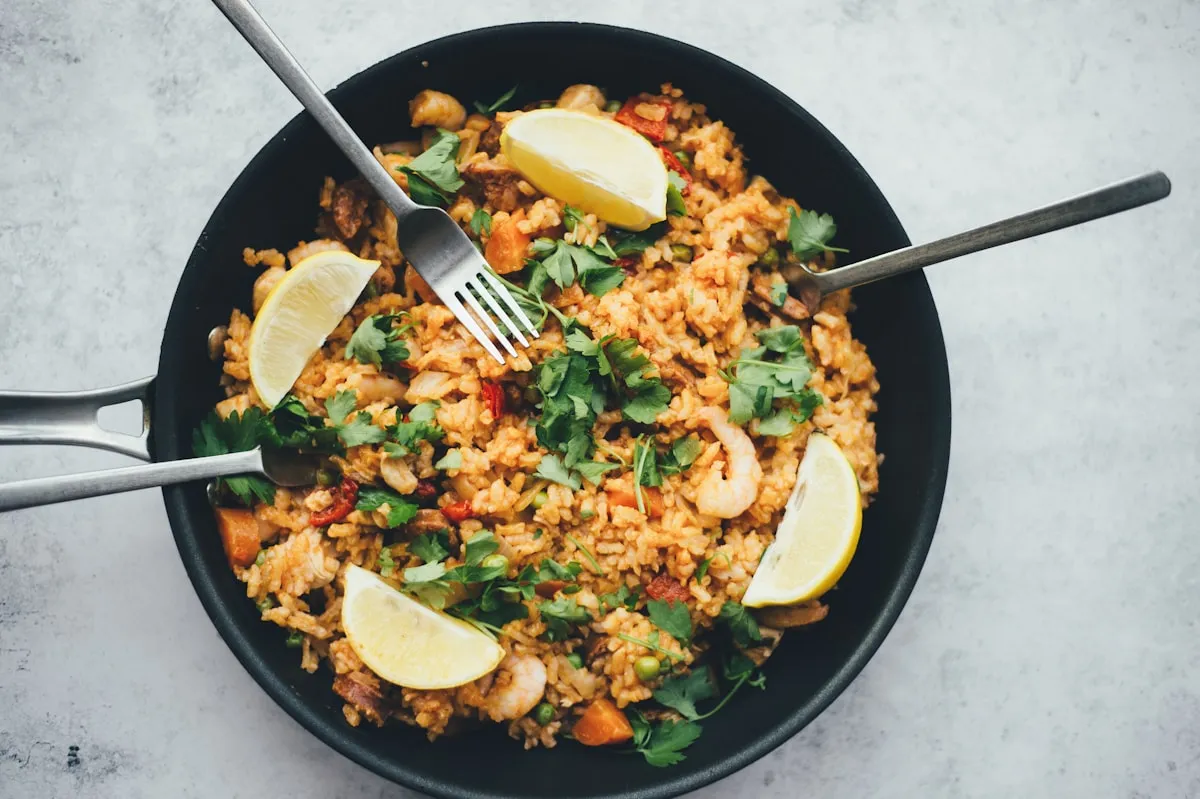
If you’ve ever wondered why some people treat Brussels sprouts like biohazardous waste while others eat them by the bowlful, the answer lies in your DNA and the plant’s chemical defense system. Most of us are biologically programmed to detect bitterness as a warning sign for toxicity. However, with a bit of thermal manipulation and molecular balancing, we can transform these sulfur-heavy globes into the centerpiece of your quick family meals. It is time to stop boiling the life out of your vegetables and start roasting with precision.
The Molecular Strategy: Taming Glucosinolates
The primary culprits behind that sharp, sulfurous "funk" in Brussels sprouts are glucosinolates, specifically a compound called sinigrin. In an intact sprout, sinigrin is relatively harmless and mild. However, the moment you slice into the vegetable, you initiate a biochemical "grenade." Breaking the cell walls releases an enzyme called myrosinase. This enzyme catalyzes a hydrolysis reaction, converting glucosinolates into isothiocyanates, the pungent mustard oils that hit your palate with aggressive bitterness.
To master this dish, you must understand thermal denaturation. Myrosinase is heat-sensitive. By subjecting your sprouts to high temperatures immediately, rather than a slow climb in a cold oven, you denature the enzyme before it can fully convert the sinigrin into bitter isothiocyanates. This is why high-heat roasting is the gold standard for healthy dinner ideas. You want a quick, intense hit of heat to shut down the enzymatic activity while simultaneously triggering the Maillard reaction. This chemical reaction between amino acids and reducing sugars creates the golden-brown crust and nutty aromatic compounds that make roasted vegetables so addictive.
Furthermore, we use the science of taste suppression to handle any residual bitterness. Bitterness is physically masked by fat and balanced by sweetness and acidity. Tahini, a lipid-dense sesame paste, provides a fatty coating that occupies the bitter receptors on your tongue (the TAS2R family), effectively shielding them. The glucose and fructose in maple syrup provide a counter-signal to the brain, while the citric acid in lemon juice lowers the pH, brightening the flavor profile and cutting through the richness of the tahini.
Always maximize your surface area. Slice your sprouts in half and place them cut-side down on a preheated baking sheet. This increases the direct thermal conductivity between the metal and the vegetable, ensuring a deep, uniform sear. Avoid overcrowding the pan; if the sprouts are too close, they release moisture and steam each other, resulting in a mushy texture and a concentration of sulfurous compounds rather than a crisp, caramelized exterior. If you are looking for even more efficiency, you can adapt this for various air fryer recipes dinner enthusiasts often rave about, provided you maintain that single layer for optimal airflow.
Variations for the Experimental Home Chemist
Once you have mastered the basic tahini-maple emulsion, you can experiment with textural and chemical additions. Consider adding toasted walnuts or pecans to the final assembly. From a physics perspective, the crunch of the nut provides a necessary contrast to the tender interior of the sprout. Chemically, the tannins in the nut skins offer a complex, earthy bitterness that complements, rather than competes with, the roasted vegetable.
For those seeking a more "umami-forward" profile, swap a portion of the salt for white miso paste. Miso is a product of fungal fermentation (Aspergillus oryzae), which breaks down proteins into free glutamates. These glutamates trigger your savory receptors, deepening the overall flavor without requiring excess sodium. Alternatively, if you prefer a "hot-acid" profile, incorporate a teaspoon of harissa or gochujang into the maple-tahini mixture. The capsaicin in the peppers adds a heat element that distracts the palate from any lingering bitter notes, creating a multi-dimensional experience.
Strategic Side Dish Pairings
When building a plate around these roasted sprouts, focus on balance. Since the tahini and maple provide a rich, creamy, and sweet profile, you need a protein or grain that offers a clean finish. A simple pan-seared white fish or a grilled chicken breast provides a neutral protein base that lets the complex biochemistry of the sprouts shine.
For a fully plant-based spread, pair these with a bright spicy tomato and basil pasta. The acidity of the tomatoes acts as a palate cleanser, resetting your taste buds between bites of the rich, sesame-coated sprouts. Avoid pairing them with other heavy, sulfur-rich vegetables like broccoli or cauliflower unless you are using a vastly different cooking method, as the flavor profiles can become repetitive and overwhelming to the senses.
FAQ: Solving the Bitter Equation
Why do my sprouts taste like old socks?
This is usually a result of overcooking at low temperatures or boiling. When you cook Brussels sprouts for too long, the sulfur compounds break down further into hydrogen sulfide gas. To avoid the "old sock" aroma, stick to high-heat roasting or quick air frying. Check out our guide on air fryer comfort food for more tips on using high-velocity hot air to avoid soggy, smelly vegetables.
Should I soak my sprouts before roasting?
No. While some people soak vegetables to "clean" them, moisture is the enemy of the Maillard reaction. Water has a high latent heat of vaporization, meaning the oven's energy will be spent evaporating the water off the surface rather than browning the vegetable. If you must wash them, ensure they are bone-dry before they hit the oil.
Can I use frozen Brussels sprouts?
Technically, yes, but proceed with caution. Frozen sprouts have already undergone cell wall damage during the freezing process, which releases the myrosinase enzyme and often leads to a more bitter, mushy result. If using frozen, do not thaw them. Toss them in oil while frozen and blast them at 425°F (220°C) to minimize the "mush" factor.
What is the ideal pH for the dressing?
You are looking for a slightly acidic environment. Most tahini-based dressings benefit from a pH between 3.5 and 4.5. This is easily achieved by using roughly one part lemon juice to three parts tahini. This acidity not only balances flavor but also helps stabilize the emulsion, preventing the maple syrup and tahini from separating on the plate.