Recipe
Servings
Servings 1×
Ingredients
- Steak
- Potatoes
- Sweet potatoes
- Kale
- Lemon
- Balsamic vinegar
- Cooking oil
- Salt
Method
- Prepare the ingredients described in the article and heat the cooking surface or oven as directed.
- Cook the main ingredients using the heat and timing guidance in the article.
- Finish with the seasonings and garnishes named in the article, then serve.
When you think of a high-end bistro dinner, duck breast is usually the star of the show. It’s rich, decadent, and notoriously easy to overcook if you don't understand the physics happening inside the pan. However, once you master the thermal mechanics of fat rendering and the Maillard reaction, this becomes one of the most reliable 15 minute meals in your repertoire. It’s a sophisticated addition to your rotation of quick family meals that feels like a splurge but is surprisingly budget friendly recipes when compared to restaurant prices.
In this guide, I’m stripping away the culinary mysticism and looking at the chemistry of the perfect sear. We aren’t just "cooking" a piece of meat; we are managing a complex series of lipid transitions and protein denaturations to achieve that glass-like crispy skin and a succulent, tender interior.
The Physics and Chemistry of the Perfect Sear
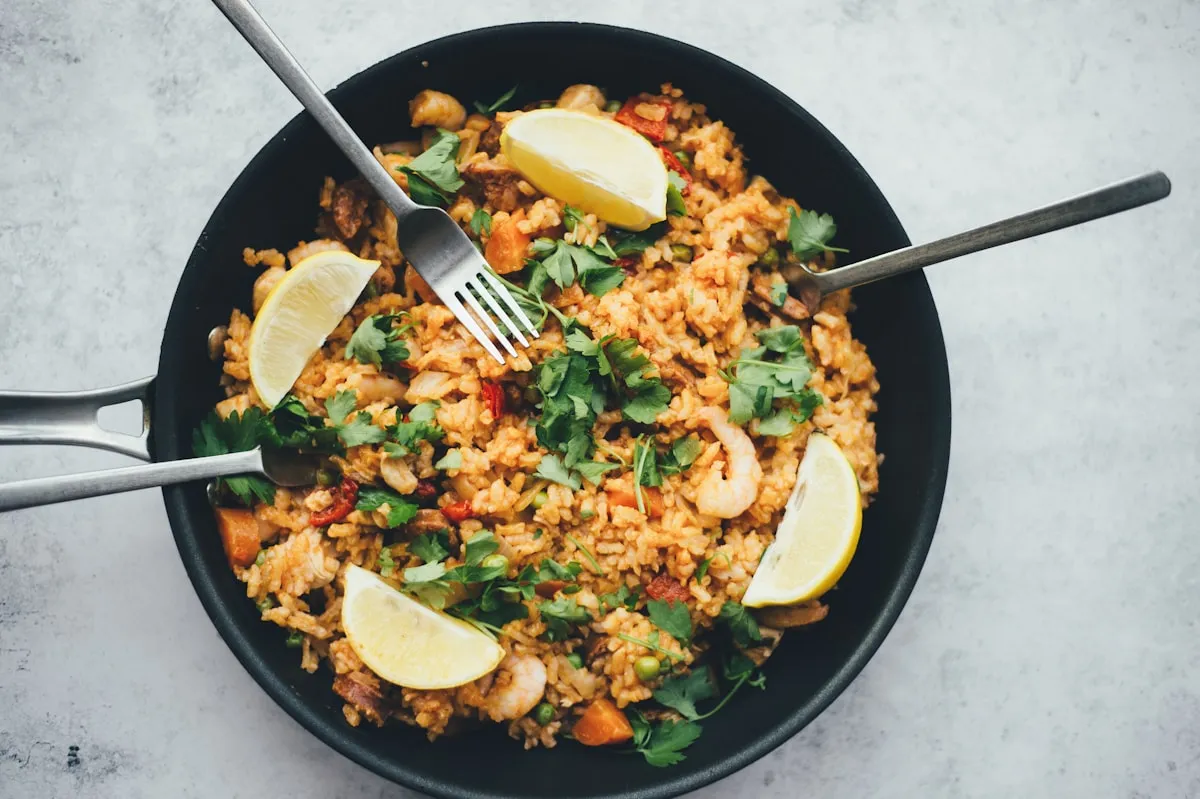
Achieving a restaurant-quality duck breast requires a firm grasp of three scientific pillars: thermal conductivity, lipid rendering, and the Maillard reaction. Unlike a steak, which you want to hit with high, immediate heat, duck is a multi-layered biological structure with a massive insulating layer of subcutaneous fat.
Thermal Conductivity and the "Cold Pan" Start
The most counter-intuitive part of this recipe is starting the duck in a cold skillet. In most healthy dinner ideas, we preheat our pans to prevent sticking. With duck, however, the goal is gradual heat transfer. If you drop a cold duck breast into a smoking hot pan, the skin cells will instantly contract and "lock in" the fat. By starting cold and ramping up the temperature slowly, you allow the solid lipids to reach their melting point gradually. This process, known as rendering, turns the white fat into liquid oil, which then acts as a thermal medium to fry the skin from the inside out.
The Maillard Reaction: Flavor at 140°C
As the temperature of the skin exceeds 140°C (285°F), the Maillard reaction begins. This is not just "browning"; it is a chemical reaction between amino acids and reducing sugars. This reaction creates hundreds of different flavor compounds that give the duck its savory, umami-rich profile. To maximize this, you must score the skin. By cutting a crosshatch pattern into the fat, you increase the surface area exposed to the heat and create "exit ramps" for the rendered fat to escape. This ensures the skin isn't boiling in its own moisture but is truly frying.
Protein Denaturation and Myoglobin Retention
The muscle tissue of the duck (the red meat) is high in myoglobin, a protein that stores oxygen. When exposed to heat, these proteins begin to denature, they uncoil and then coagulate. For the most tender result, you want to stop this process around 54°C (130°F) for medium-rare. Beyond this point, the protein fibers tighten excessively, squeezing out moisture and turning the meat tough and "livery."
The Chemistry of the Balsamic Reduction
A balsamic reduction isn't just a sauce; it's a concentration of sugars and acids. By simmering the vinegar, you are evaporating water molecules, which increases the viscosity and concentrates the acetic acid. This acidity is a chemical necessity when serving duck. The lipids in the duck fat coat the tongue, and the acetic acid in the reduction acts as a solvent, "cutting" through the fat and refreshing your palate for the next bite.
Scientific Variations for the Home Lab
While the classic pan-sear is my go-to, you can manipulate the variables of this dish to fit different kitchen setups.
The Convection Method: Air Fryer Duck
If you're looking for air fryer recipes dinner enthusiasts can appreciate, the air fryer is actually a magnificent tool for duck. The high-velocity hot air mimics a convection oven, stripping away moisture from the skin even faster than a pan might. This is a great alternative for quick healthy meals where you want to walk away from the stove. Score the skin as usual and place it skin-side up at 200°C. The convection currents will accelerate the Maillard reaction, though you won't get the same localized browning as a heavy cast-iron skillet.
The Dry Brine: Osmotic Enhancement
For a deeper flavor profile, try a dry brine. Salt the skin of the duck and leave it uncovered in the fridge for two hours. Through the process of osmosis, the salt draws moisture out of the skin and then dissolves into a brine that is reabsorbed by the meat, seasoning it deeply. The drier skin then undergoes the Maillard reaction significantly faster because the heat doesn't have to waste energy evaporating surface moisture first.
Citrus and Enzyme Catalysts
If you find your duck is consistently a bit tough, consider a quick marinade with an acid like orange juice. The citric acid acts as a catalyst, beginning the breakdown of tough connective tissues before the meat even hits the pan. This is especially helpful if you're working with larger, more mature duck breasts that have more developed collagen.
Molecular Pairings: Balancing the Plate
Pairing is all about chemical balance. Because duck is high in lipids (fats) and iron, you need sides that provide contrast or complementary structures.
- Arugula and Citrus Salad: The bitterness of arugula (caused by glucosinolates) and the acidity of oranges provide a sharp contrast to the rich, fatty duck. It’s a textbook example of flavor balancing.
- Starchy Root Vegetables: If you want something heartier, roasted parsnips or sweet potatoes are excellent. The natural sugars in these vegetables caramelize beautifully in a bit of the rendered duck fat, creating a bridge between the savory meat and the sweet balsamic glaze.
- Bitter Greens: Sautéed kale or Swiss chard with a splash of lemon juice. The heat softens the cellulose in the greens while the lemon provides the necessary acid to handle the duck’s richness.
If you enjoy these one-pan technical challenges, check out our guide on Spicy Tomato Basil One-Pot Linguine to learn about the physics of glossy emulsions, or try the Kielbasa Pierogi Air Fryer Roast for more convection-based cooking tips.
FAQ: Solving the "What Ifs" with Science
What if my duck skin isn't getting crispy?
Check your moisture levels. If the skin is soggy, it's likely because there was too much water on the surface or the pan wasn't hot enough toward the end. Use a paper towel to pat the meat bone-dry before cooking. Remember, browning cannot happen effectively until the surface water has evaporated (which takes a lot of energy). If the pan is crowded, steam gets trapped, and you'll end up with rubbery skin instead of a crisp sear.
What if the fat isn't rendering out?
You probably skipped the scoring or started with a pan that was too hot. Scoring is a non-negotiable. Without those cuts, the fat is trapped under the skin like a balloon. Also, if you start too hot, the skin sears shut before the fat underneath has a chance to melt. Slow down the initial phase!
Why does my duck taste like liver?
This is a classic sign of overcooking. When duck reaches medium or well-done (above 65°C), the iron-rich proteins undergo a chemical shift that creates a metallic, liver-like flavor. To avoid this, use a meat thermometer. Pull the duck off the heat at 52°C; the residual heat will carry it up to a perfect 54-55°C as it rests.
Can I save the rendered fat?
Yes, and you absolutely should. Duck fat has a high smoke point and is packed with flavor. It is essentially liquid gold for roasting potatoes. Filter it through a fine-mesh sieve and keep it in a jar in the fridge. Scientifically, it's a very stable fat that resists oxidation better than many vegetable oils.
Why must I rest the meat before slicing?
Resting is all about internal pressure. While cooking, the muscle fibers contract and push moisture toward the center of the breast. If you cut it immediately, that pressurized juice will escape onto your cutting board. By resting the meat for 5-10 minutes, you allow the fibers to relax and the moisture to redistribute evenly throughout the tissue, ensuring every bite is juicy.