Recipe
Servings
2 fillets 1×
Serves 2 filletsPrep 5 minCook 10 minTotal 15 min
Nutrition per serving
Ingredients
- 2 6-oz salmon fillets skin-on preferred for protection
- 2 tbsp honey adds sweetness and helps browning
- 2 cloves garlic freshly minced
- 1 tbsp low-sodium soy sauce for umami and salt balance
- 1 tbsp lemon juice to cut through the richness
- salt and pepper to taste
Method
- Preheat your air fryer to 400°F (200°C).
- Pat the salmon fillets completely dry with paper towels to ensure the glaze sticks and the skin crisps.
- 2 6-oz salmon fillets
- In a small bowl, whisk together the honey, minced garlic, soy sauce, and lemon juice.
- Season the salmon with a pinch of salt and pepper.
- 2 tbsp honey, 2 cloves garlic, 1 tbsp low-sodium soy sauce, 1 tbsp lemon juice, salt and pepper
- Brush the fillets generously with the honey garlic mixture.
- Place them in the air fryer basket skin-side down, leaving space for airflow around each piece.
- Cook for 8–10 minutes depending on thickness.
- Halfway through, you can brush on any remaining glaze for an extra lacquered finish.
- The fish is done when it flakes easily with a fork.
- Let the salmon rest for 2 minutes.
- This allows carryover heat to finish the center and helps the juices settle.
If you haven’t started air-frying your seafood yet, you’re missing out on the single greatest weeknight hack in my kitchen. While most people associate the air fryer with frozen fries and wings, it is actually a powerhouse for delicate proteins. My Air Fryer Honey Garlic Salmon is a masterclass in how rapid convection can transform a few basic pantry staples into a five-star meal. It’s sticky, flaky, and deceptively simple, perfect for anyone looking for air fryer recipes dinner guests will actually rave about.
The Science of Convection and the Perfect Glaze
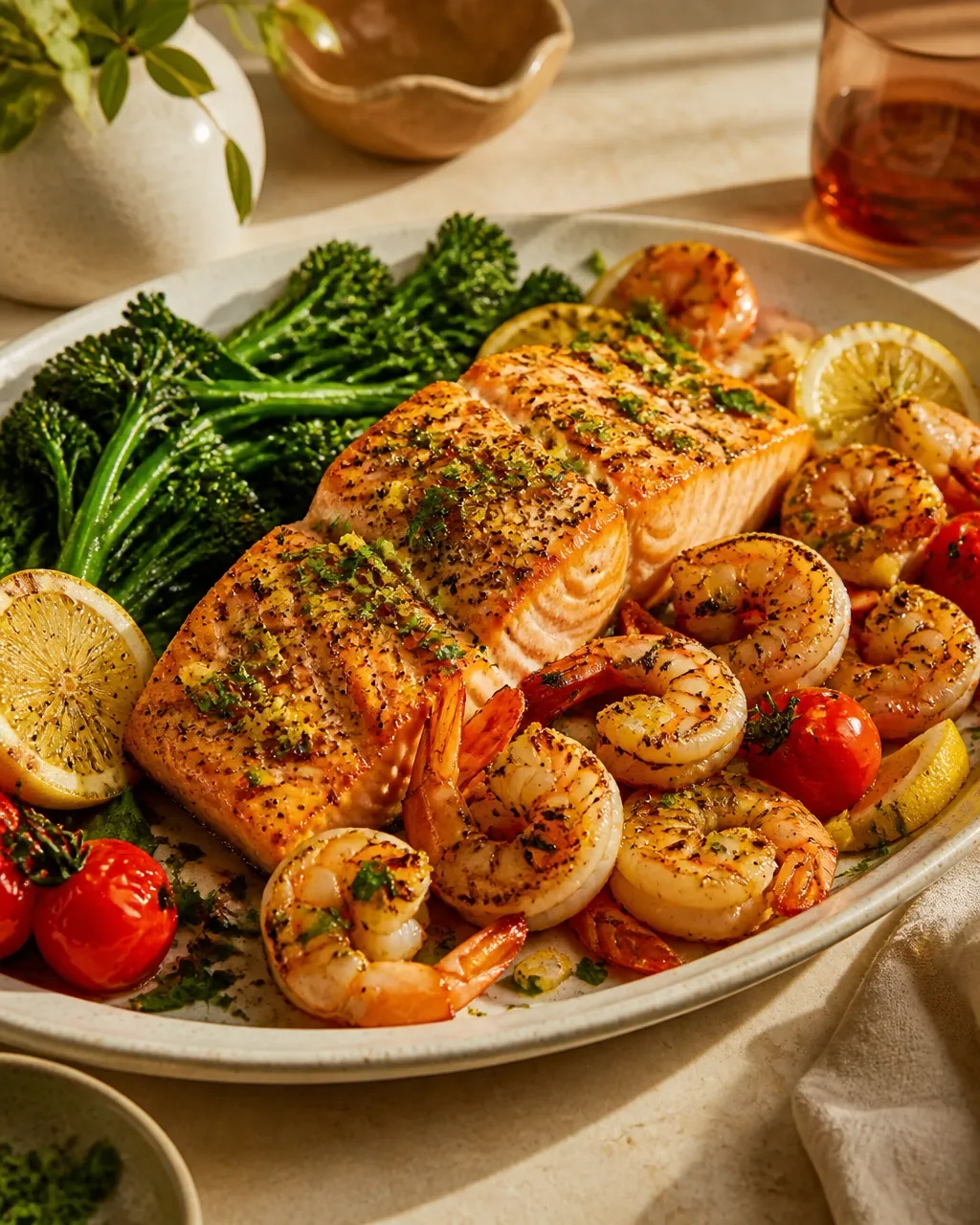
To master this dish, you need to understand why the air fryer makes salmon feel almost unfairly easy. It is not magic. It is physics, and frankly, physics is doing a lot of heavy lifting at dinner. An air fryer is a compact convection oven with a powerful fan that moves hot air rapidly around the food. In a big oven, heat can be patchy and lazy. In an air fryer, the hot air gets right to work. That speed matters because salmon is delicate. It cooks fast, loses moisture fast, and punishes indecision with dry, chalky flakes.
The biggest advantage of convection heating is efficient heat transfer. Moving air strips away the thin layer of cooler air that clings to the surface of food during cooking. That layer acts like a little insulating blanket in a regular oven. In an air fryer, the fan keeps blasting that blanket off, so the surface of the salmon heats quickly and evenly. Translation: you get better browning in less time, which is exactly what you want when you are cooking a fish that can go from lush to tragic in a couple of minutes.
That quick surface heating is especially useful with a honey-garlic glaze. Honey is loaded with sugars, and sugar loves to brown. Garlic brings sulfur compounds and savory depth, but it also burns faster than your patience on a Tuesday night. The goal is to develop color and sticky shine on the outside before the inside overcooks. Air fryers are weirdly perfect for this because they deliver intense, circulating heat to the exterior while keeping cook times short enough to protect the center.
Now let’s talk salmon fat, because this is where the fish earns its superstar status. Salmon contains a generous amount of intramuscular fat, including omega-3 fatty acids, and that fat is a huge part of why properly cooked salmon tastes rich and silky. But fat needs handling. If you cook too long, the muscle proteins tighten aggressively and squeeze out moisture along with some of that lovely fat. That white stuff you sometimes see on salmon, called albumin, is a sign the proteins have contracted and pushed liquid protein out to the surface. It is not dangerous. It is just a little culinary tattletale telling you the fish got pushed too hard.
Use the air fryer’s speed to your advantage. Cook hot, but don’t linger. The quick blast of convection browns the glaze and sets the exterior without forcing the interior to spend ages in the danger zone between raw and dry. That means better lipid preservation, better texture, and fewer sad, chalky bites. In plain English: the fish keeps more of its natural richness when you do not overstay your welcome.
Preheat like you mean it. Always preheat the air fryer for a few minutes before the salmon goes in. A hot basket and fully heated chamber help the glaze start setting right away instead of slowly melting and sliding around. Starting cold gives the fish time to release moisture before browning begins, and moisture is the sworn enemy of sticky glaze. You want immediate heat, not a warm-up act.
Keep the air moving. Never crowd the basket. Leave space around each fillet so the hot air can circulate on all sides. If you pack them in tightly, you trap steam. Steam softens the surface, dilutes browning, and turns your carefully planned glaze into a glossy puddle. Air fryers reward breathing room. Give the fillets personal space.
Dry the surface first. Pat the salmon dry before glazing. This is non-negotiable. Surface water has to evaporate before browning can happen, and evaporation steals energy. If the fish is wet, the air fryer spends precious time boiling off moisture instead of building color. Dry fish browns faster, holds glaze better, and gets you closer to that lacquered finish you actually want.
Understand the honey. Honey does more than sweeten. It is hygroscopic, which means it attracts and holds water. That helps the glaze stay glossy and clingy rather than turning into sugar glass. It also means honey can brown quickly once enough moisture cooks off. That is why timing matters. Too short, and the glaze tastes raw and flat. Too long, and the sugars tip into bitterness. Aim for amber and sticky, not black and smoky like you forgot it while answering one email.
Respect the garlic. Garlic changes dramatically with heat. Raw garlic tastes sharp because its sulfur compounds are intense and punchy. Cooked garlic tastes sweeter and rounder as those compounds transform. In a honey glaze, garlic gives you that savory backbone that keeps the sweetness from tasting like dessert salmon, which nobody asked for. But minced fresh garlic can scorch under hard convection. If your air fryer runs hot, keep an eye on color and avoid overloading the surface with tiny exposed bits that burn faster than the fish cooks.
Watch thickness, not the clock. A thick center-cut fillet and a thin tail piece are basically different species when it comes to timing. Convection cooks fast, but thickness still rules. Use visual cues and, ideally, an instant-read thermometer. Pull the salmon when it is just shy of fully done because carryover heat will keep moving inward after it leaves the basket. This is one of the smartest ways to preserve the fish’s natural lipids and keep the texture satiny instead of stiff.
Leave the skin on if you can. The skin works like a built-in heat shield. It protects the flesh from direct contact with the hottest basket surfaces and slows moisture loss from the bottom side. It also crisps beautifully in moving hot air, giving you a crackly contrast to the soft flakes above. Even if you do not eat the skin, let it do its job.
Use parchment carefully. A perforated liner can save you from a glued-on honey mess, but do not block airflow. The basket design is there for a reason. Cover too much of it, and you reduce the very convection effect you are counting on. Use only what you need and keep those holes open.
If you want salmon that tastes rich instead of dry, glossy instead of gummy, and deeply browned instead of weirdly beige, think like a tiny kitchen engineer. Use high airflow, short cooking, dry surfaces, and controlled sugar exposure. The machine is not complicated, but it is specific. Respect the convection, and dinner behaves.
Flavor Variations: Beyond the Honey
While honey and garlic are a rock-solid combo, the real trick is understanding the balance so you can riff without wrecking the texture. Sweetness gives you browning and shine. Salt boosts savoriness and helps the fish taste more like itself. Acid keeps the whole thing from feeling heavy. Once you know that, you can make smart swaps instead of random fridge experiments that end in regret.
Try a miso-maple version if you want deeper umami. Miso is packed with fermented, savory compounds that play beautifully with fatty salmon. Maple syrup browns similarly to honey but brings a toastier, more woodsy sweetness. It feels a little more grown-up, like the glaze put on a blazer.
Go for sriracha-lime if you want heat and brightness. Lime cuts through the richness of the fish, and chili brings sharp contrast to the sweet glaze structure. Just keep the acid in check. Too much acidic liquid on the surface can loosen the glaze and slow browning by adding moisture. Use enough to wake things up, not enough to turn your basket into a sauna. This is one of my favorite ways to keep healthy dinner ideas from tasting overly earnest.
If you want a less sweet route, use a soy-ginger profile. Ginger adds freshness and aromatic warmth, while soy gives salt and color. This version tends to taste lighter on the palate even though the salmon is still rich. It works especially well if you are serving rice or a crunchy slaw on the side.
For a kid-friendlier option, try a lemon-herb crust instead of a sticky glaze. A breadcrumb coating crisped by convection gives you crunch without relying on sugar browning. That changes the texture entirely, but in a good way. Think crisp exterior, tender center, no sticky fingers.
If you are building this into your regular rotation of quick family meals, use the same cooking logic no matter the flavor. Keep the surface dry, avoid watery marinades, and choose one dominant sweetener if you want clean caramelization. Too many competing liquids make the salmon steam instead of roast. The fish deserves better than that.
Side Dish Pairings: Balancing the Plate
Because honey garlic salmon lands in that rich-sweet-savory zone, the best side dishes bring contrast. Do not pair it with more sticky, creamy, heavy things unless your goal is a nap. Use acidity, crunch, and mild starches to keep the plate balanced.
A crisp cucumber-radish salad with a vinegar-heavy dressing is a no-brainer. The cold snap of raw vegetables resets your palate, and the acidity cuts through the salmon’s natural fat plus the sweetness of the glaze. It is the culinary equivalent of opening a window, except, you know, relevant to food.
Steamed rice or fluffy quinoa works beautifully if you want something simple. Both soak up extra glaze without competing for attention. Rice is especially good when the salmon is boldly flavored because it gives the dish a soft, neutral landing pad. If you want one of those dependable air fryer recipes dinner situations that feels complete without being fussy, salmon plus rice plus a sharp veggie side is hard to beat.
Roasted or air-fried broccoli, asparagus, or green beans are also smart. Their slight bitterness and char balance the honey nicely. Let the vegetables get real color. Browning adds complexity and keeps the plate from tasting one-note. If you want something heartier, that one-pan creamy garlic parmesan pasta can work, but keep the portion sensible so the salmon still leads.
Frequently Asked Questions
Can I use frozen salmon for this?
Yes, but thaw it first if you want the best glaze and texture. Frozen salmon releases a lot of surface moisture as it cooks, and that moisture interferes with browning. In an air fryer, that usually means the outside starts overcooking before the center catches up. Thaw overnight in the fridge or under cold running water, then pat it very dry. If you skip the drying step, the glaze will act like it has commitment issues.
Why did my salmon turn white on top?
That white stuff is albumin, a protein that gets pushed out as the muscle fibers contract during cooking. A little is normal. A lot usually means the salmon cooked too aggressively or too long. To reduce it, avoid blasting the fish forever, pull it a touch earlier, and let carryover heat finish the job. Fast cooking is good. Endless cooking is how you get fish that looks like it has been through something.
Why did my garlic burn before the fish was done?
Garlic contains sugars and sulfur compounds that brown fast and then turn bitter fast. In a high-convection environment, tiny bits of minced garlic are especially vulnerable because they have so much surface area. If this keeps happening, use finer grated garlic mixed thoroughly into the honey so it is insulated a bit, or reserve some fresh garlic flavor for later. The issue is not the ingredient. The issue is exposure.
Do I really need to keep the skin on?
I strongly recommend it. The skin helps buffer the flesh from direct heat and slows moisture loss from the underside. That matters for lipid preservation because less aggressive moisture loss usually means a silkier, richer bite. Plus, the skin crisps nicely in the basket. Even if you do not eat it, let it protect your salmon on the way to the plate.
Why is my glaze sliding off?
Usually because the salmon was wet or the glaze was too thin. Water prevents adhesion and delays caramelization. Dry the fish thoroughly, then brush on a glaze with enough body to cling. If the mixture is very loose, reduce it briefly before using it. Thick enough to coat is the target. Thin enough to run into the basket is not.
Can I line the basket with parchment?
Yes, but use a perforated liner and do not cover all the vents. Air fryers depend on airflow. Block the holes too much, and you reduce convection efficiency. Less airflow means weaker browning, slower cooking, and a greater chance of steaming. Use parchment as a helper, not a blanket.
Is air-fried salmon actually one of the better healthy dinner ideas?
Absolutely. Salmon already brings protein and beneficial fats to the table, and the air fryer lets you cook it with minimal added oil. Better yet, the short cooking time helps preserve the fish’s natural richness instead of drying it out. It is one of my favorite healthy dinner ideas because it feels indulgent without requiring a grease slick or a pile of cleanup.
What if my fillets are different sizes?
Then cook like a realist, not a robot. Smaller or thinner pieces will finish first. If your basket is crowded with mixed sizes, check early and remove thinner fillets as soon as they are done. The clock is a guideline. Thickness is the actual boss. That one habit alone will improve a lot of air fryer recipes dinner outcomes, salmon included.