Recipe
Servings
Servings 1×
Ingredients
- Salmon
- Quinoa
- Pasta
- Rice
- Greek yogurt
- Potatoes
- Asparagus
- Cucumber
- Garlic
- Lemon
- Honey
- Cream
- Butter
- Cooking oil
- Chili seasoning
- Salt
Method
- Let’s be honest: by 6:00 PM on a Tuesday, the last thing you want to do is juggle four different pans and a complicated timer.
- Start by letting your salmon sit on the counter for about fifteen minutes.
- Use moderate roasting instead of a heat apocalypse.
- Use a thin coating of olive oil or melted butter on the fish and asparagus.
- Use a thermometer and aim for about 125°F (52°C) in the thickest part.
- Keep the roast controlled, and more of those rich oils stay in the fish, where they belong.
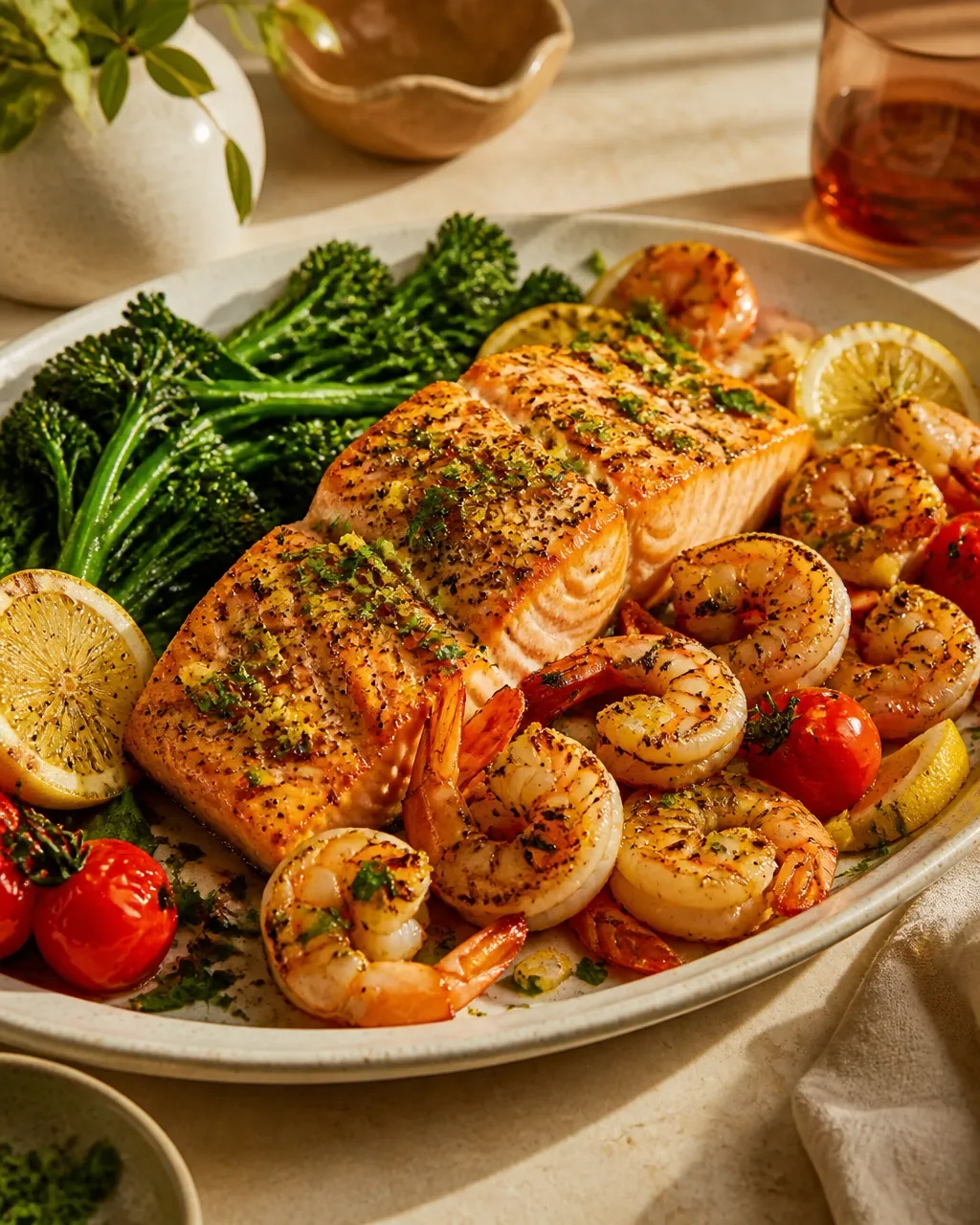
Let’s be honest: by 6:00 PM on a Tuesday, the last thing you want to do is juggle four different pans and a complicated timer. You want a meal that feels like a reward for surviving the day, but you don't want the cleanup to ruin the vibe. This is where the humble sheet pan becomes your best friend. It’s not just a tray; it’s a vessel for efficiency. Combining the lean, heart-healthy power of salmon with the crunch of asparagus under a blanket of lemon and garlic isn’t just cooking, it’s a lifestyle upgrade for the busy home cook.
The Physics of the Perfect Roast
Getting salmon right isn't about luck; it's about understanding how heat moves through fish. Most people fear "The White Stuff", that's albumin. It’s a protein that’s perfectly safe to eat, but it’s a signal that your salmon is stressed. When the muscle fibers in the fish contract too quickly due to high heat, they squeeze out the liquid albumin, which then coagulates on the surface. To avoid this, manage your thermal transition instead of blasting the fish and hoping for the best.
Start by letting your salmon sit on the counter for about fifteen minutes. Cold fish hitting a hot pan causes a temperature shock that leads to uneven cooking. While it rests, pat the skin and flesh bone-dry. Moisture is the enemy of browning. If there’s water on the surface, the oven spends its energy evaporating that water rather than encouraging color and flavor. You’ll end up with steamed, gray salmon instead of a golden, confident little weeknight hero.
Now let’s talk about the real nutritional flex here: omega-3 fats. Salmon is famous for EPA and DHA, the long-chain omega-3 fatty acids linked to heart and brain health. The good news is that these fats are reasonably stable during normal home cooking. The less-good news is that they are still unsaturated fats, which means they are more vulnerable to oxidation than saturated fats. Translation: very high heat, excessive cooking time, and lots of exposed surface area can gradually degrade flavor quality and some nutritional value. Use moderate roasting instead of a heat apocalypse. Pull the salmon as soon as it reaches doneness. Avoid turning it into fish jerky just because you got distracted by your group chat.
Conduction is your next tool. Use a thin coating of olive oil or melted butter on the fish and asparagus. Fat helps heat move more evenly across the surface, and it also limits moisture loss. That matters because dry, overcooked salmon tastes like a punishment, not dinner. When it comes to the asparagus, size matters. Pencil-thin spears cook much faster than a thick salmon fillet, so use medium-to-thick spears or add the thinner ones later. Respect the timeline. Vegetables and fish are not magically synced just because they share a pan.
Don’t ignore carryover cooking. Salmon is delicate; if you wait until it looks completely done in the oven, it’s usually already gone too far. Use a thermometer and aim for about 125°F (52°C) in the thickest part. The residual heat will keep working after the salmon leaves the oven, usually pushing the final temperature a few degrees higher. That little rest is not laziness. It’s science doing cleanup.
There’s also a texture argument for gentler cooking if you care about omega-3 preservation. As proteins tighten, they squeeze out water and emulsified fat from the muscle structure. In plain English: the more aggressively you cook salmon, the more moisture and flavorful fat you lose onto the pan. Some of that orange-tinted liquid you see isn’t just water; it includes dissolved proteins and rendered fat. Keep the roast controlled, and more of those rich oils stay in the fish, where they belong.
Garlic, Lemon, and a Tiny Bit of Kitchen Chemistry
Lemon and garlic sound simple, but they do a lot of heavy lifting. Garlic contains sulfur compounds that form when you cut or crush it. Once the cells are damaged, enzymes convert precursor compounds into pungent molecules, including allicin. That’s the punchy aroma you smell immediately. It’s bold, a little sharp, and honestly kind of obnoxious in raw form. Heat softens that aggression and transforms garlic from a loud roommate into a useful dinner guest.
Lemon works differently. Its juice brings acid, while the zest brings aromatic oils. This is a non-negotiable distinction. Juice brightens and sharpens. Zest perfumes. If you use only juice, you get sourness without the full citrus personality. If you use only zest, you get fragrance without enough contrast to cut through salmon’s richness. Use both, and the flavor feels balanced instead of one-note.
Acid also affects proteins on the surface of the fish. Lemon juice can begin denaturing surface proteins the moment it touches the salmon, which slightly firms the outer layer and changes how that surface browns and holds moisture. But don’t leave the fish soaking forever. A long acidic marinade can make the surface mushy or chalky while the inside stays unchanged. This is why a short contact time works better for weeknight cooking. You want flavor and a little structural help, not ceviche cosplay.
Garlic and lemon together create a clever flavor illusion. The acid in lemon makes the fish taste lighter by cutting through richness, while the sulfur compounds in garlic add depth that keeps the dish from tasting thin. Add fat, and those flavor molecules spread better across your palate because many aromatic compounds are fat-soluble. This is why the combo tastes rounded and satisfying rather than aggressively sharp. It’s not magic. It’s chemistry wearing a very tasty outfit.
One more thing: garlic burns before salmon is done if you treat it carelessly. Garlic is low in water and full of compounds that turn bitter with excessive heat. Protect it. Coat it in oil. Tuck it under lemon slices or against the fish. Think of garlic as talented but fragile. It needs supervision.
Flavor Equilibrium: Variations for Every Mood
The beauty of a lemon-garlic base is its flexibility. Once you understand the balance, you can riff without wrecking dinner. Keep the core idea the same: salmon is rich, so it likes acidity, bitterness, herbs, and a little salt punch.
If you want heat, add a hot honey finish or a pinch of chili flakes. Sweetness encourages faster browning, and spice distracts from richness in the best possible way. Just remember that sugary glazes brown quickly, so don’t wander off and start reorganizing the spice drawer. That’s how dinner turns into a carbon study.
For a Mediterranean angle, bring in capers, olives, or dill. These ingredients shift the dish toward salinity and herbal freshness, which works beautifully with salmon’s natural oils. If you want more texture, use a nutty topping like pistachios or walnuts. Crunch matters. Soft fish plus tender vegetables can feel a little too sleepy without contrast.
If you want a softer citrus profile, swap part of the lemon intensity for orange zest. You still get brightness, but with a rounder, sweeter aroma. If you want a deeper savory note, use browned butter instead of plain oil. That gives you nutty compounds from milk solids, which make the salmon feel richer, so compensate with extra lemon at the end. Balance the richness with acid. Balance the acid with fat. Keep the whole thing from getting bossy.
This is exactly why salmon belongs in the rotation of healthy dinner ideas. It tastes indulgent without requiring heavy cream, deep-frying, or a dramatic post-dinner nap.
The Support Act: What to Serve
While a sheet pan meal is technically complete, sometimes you need something to catch all those lemony, garlicky juices. Use sides that either absorb the sauce or contrast with the richness. Those are your two smart options.
A side of quinoa, farro, or brown rice works because grains soak up the pan juices without competing with the salmon. They also add chew, which gives the whole meal a little more structure. If you want something greener, use a crisp salad with arugula or shaved fennel. Bitter and peppery notes act like palate reset buttons between bites of rich fish.
For low-effort comfort, serve the salmon with roasted baby potatoes or a small portion of simple pasta. Starchy sides are especially useful if you’ve leaned hard into the lemon and garlic, because starch softens sharp edges and makes the plate feel more complete. If you want contrast, use a yogurt-based sauce or a cucumber salad on the side. Cool dairy and watery vegetables can tame a more assertive garlic profile.
For quick family meals, keep the side simple and let the salmon stay the star. This dish already has enough personality. It does not need a side dish auditioning for its own spin-off.
FAQ: The Physics of the Sheet Pan
What if I’m using frozen salmon?
Thaw it first if you want even cooking and better texture. Frozen salmon sheds a lot of surface moisture as it heats, and that moisture blocks browning while increasing the odds of overcooking the outer layers. Thaw it in the fridge overnight or under cold running water if you’re in a hurry. Then pat it very dry. Really dry. “I think that’s enough” dry is usually not enough.
What if I want to preserve as much omega-3 as possible?
Use moderate heat, shorter cooking times, and don’t overcook the fish. Omega-3 fats are more stable in a normal roasting setup than people sometimes assume, but they still dislike prolonged exposure to oxygen and high heat. Roast just until done, keep the fillets whole rather than chopping them up, and avoid repeated reheating. Every extra round of heat is basically an invitation for quality loss.
What if my salmon leaks white stuff?
That’s albumin, and it usually means the proteins tightened too fast. The fish is still safe and edible, but the texture may be a bit firmer than ideal. Let the salmon sit out briefly before cooking, avoid a brutal oven temperature, and pull it earlier. This is less a disaster and more a passive-aggressive note from your dinner.
What if I marinate the salmon in lemon for a long time?
Don’t. Lemon juice is acidic enough to denature proteins on the surface. A short marinade can help with flavor, but a long one can make the outside mushy or chalky before the inside benefits at all. Add lemon close to cooking time, and save some fresh juice for the end if you want a brighter finish.
Why did my garlic burn before the fish finished?
Garlic is a tiny drama queen when exposed to direct heat. It burns fast because it’s finely chopped, relatively dry, and full of compounds that turn bitter. Mix it with oil, keep it under lemon slices, or nestle it against the fish so it cooks gently. Don’t scatter it naked across a hot pan and expect loyalty.
Can I use a different vegetable?
Yes, but match the vegetable to the salmon’s timing. Asparagus, zucchini, and bell peppers cook on a similar schedule. Denser vegetables like potatoes or carrots need a head start because they take longer for heat to penetrate to the center. Ignore that, and you’ll end up choosing between undercooked potatoes and overcooked salmon, which is a terrible game.
Should I leave the skin on?
Yes. Even if you don’t eat it. The skin acts like a protective layer between the hot pan and the delicate flesh, reducing moisture loss and helping the fillet hold together. It’s a built-in insurance policy, and weeknight cooking deserves insurance.
Troubleshooting Guide
| Issue | Root Cause | The Fix |
|---|---|---|
| Dry/Rubbery Salmon | Overcooked; proteins tightened too much and pushed out moisture. | Pull salmon at 125°F and let carryover cooking finish the job. |
| Soggy Asparagus | Too much surface moisture or overcrowding. | Pat everything dry and leave space for air circulation. |
| Bitter/Burnt Garlic | Garlic exposed directly to high heat for too long. | Coat it in oil and shield it under lemon or salmon. |
| White Goo (Albumin) | Rapid protein contraction from heat shock or overcooking. | Let salmon warm slightly before roasting and use gentler timing. |
| Flat Lemon Flavor | Used only juice, not zest. | Add zest for aroma and juice for acidity. |
| Oily Pan, Dry Fish | Fat rendered out because the fish cooked too long. | Shorten cooking time and rest the salmon before serving. |
By mastering these few technical hurdles, you turn a simple sheet pan into a high-performance tool for healthy dinner ideas that still taste like actual dinner, not a compromise. Keep your heat controlled, your fish dry, your garlic protected, and your lemon doing both jobs: acid for brightness, zest for aroma. That’s how you get a salmon dinner that feels effortless without tasting lazy.