Recipe
Servings
2 servings 1×
Serves 2Prep 5 minCook 15 minTotal 20 min
Nutrition per serving
Ingredients
- 2 salmon fillets skin-on
- 1 lemon zested and sliced
- 2 tbsp fresh dill chopped
- 1 tbsp olive oil
- 1 bunch asparagus trimmed
Method
- Preheat oven to 400°F.
- Line a sheet pan with parchment.
- Place salmon skin-side down in the center.
- Arrange asparagus around the salmon.
- Drizzle everything with olive oil and top the salmon with lemon zest and fresh herbs.
- Bake for 12-15 minutes until salmon is flaking and internal temp reaches 130°F.
- Do not overcook!
- Squeeze fresh lemon juice over the fish and vegetables before serving.
We’ve all been there. It’s 6:30 PM, your brain feels like it’s been through a blender, and the siren song of the delivery app is getting louder by the second. But here’s the thing: you can actually have a masterpiece on the table faster than a courier can find your front door. If you’re hunting for quick healthy meals that don’t taste like cardboard, you’ve hit the jackpot. This sheet-pan salmon is the high-protein, high-flavor, zero-stress solution that makes the “what’s for dinner?” panic disappear. It’s a staple for a reason, and today, I’m showing you how to master the science behind the tray.
The Science of the Sheet Pan: Temperature, Albumin, and Texture
Cooking salmon might seem intimidating, but once you understand the physics of the fish, it becomes the easiest part of your week. The biggest mistake people make? High heat and zero patience. When you blast salmon with extreme temperatures, the muscle fibers contract violently. This force pushes out a white, gooey protein called albumin. While it’s perfectly safe to eat, it’s a visual distress signal from your dinner telling you it’s being overcooked. To keep your fillets looking like they belong in a gallery, control your heat.
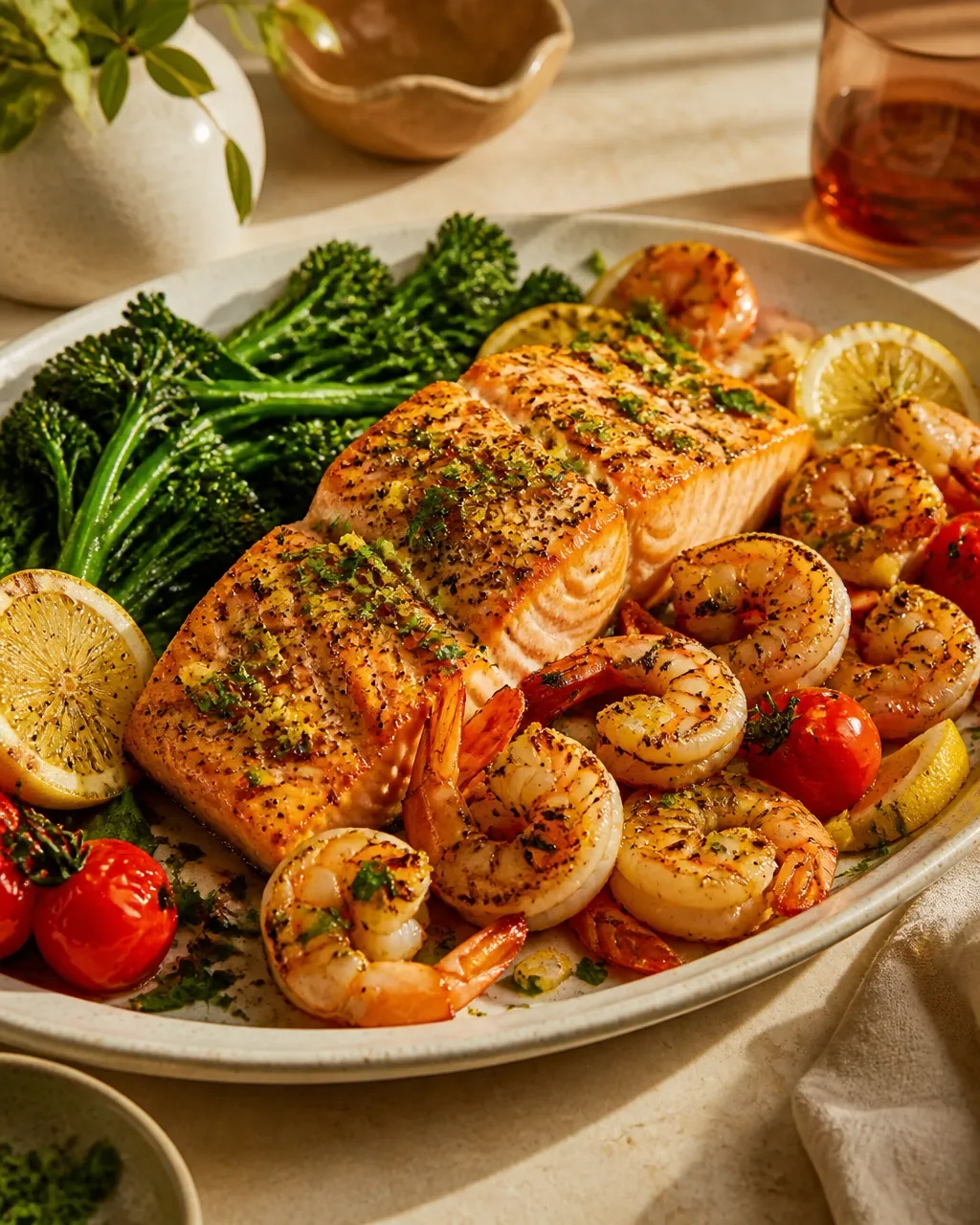
Here’s where the nutrition science gets interesting. Salmon is loaded with omega-3 fatty acids, especially EPA and DHA, and those fats are part of the reason the fish tastes rich instead of sad and dusty. They’re also delicate. Use screaming-hot temperatures for too long and you speed up oxidation, which is a fancy way of saying the fats start breaking down and the flavor goes from clean and buttery to tired and fishy. Keep the heat moderate and the cook time tight. That protects texture, preserves more of those valuable lipids, and prevents your dinner from tasting like it lost a fight with the oven.
Start with the skin. Always cook your salmon skin-side down. Think of the skin as a natural heat shield. It protects the delicate flesh from the direct intensity of the metal pan, allowing the heat to rise gently through the fish. This gradual climb in temperature ensures the center stays succulent while the fat under the skin renders into a crisp, savory base. Use parchment paper on your tray; it’s the ultimate non-stick insurance policy that makes cleanup a three-second task.
Let’s talk about the “carry-over” effect. Fish continues to cook for several minutes after you pull it out of the oven. If you wait until the salmon looks “done” in the center, you’ve already lost the battle. Aim for an internal temperature of about 125°F to 130°F for a medium-rare finish that is buttery and flaking. Use a meat thermometer: it is the only way to guarantee perfection every single time. Stop guessing and start measuring. Pulling the fish a little early also helps preserve moisture, which matters because water loss and fat loss tend to team up like two tiny kitchen villains.
Lemon plays more than one role here. Yes, it brightens flavor, but citric acid also interacts with the fish’s surface proteins. Acid starts to denature proteins, which means it changes their structure before heat even enters the chat. That can be useful in small doses because it firms the exterior slightly and helps seasonings cling better. Go too hard with the acid or let it sit too long, though, and the texture gets oddly tight on the outside while the center cooks differently. In other words, you’re not making ceviche, so don’t marinate the salmon into oblivion.
Efficiency is the name of the game here. By arranging your salmon in the center and surrounding it with low-carb greens, you create a micro-climate on the pan. The moisture from the vegetables lightly steams the sides of the fish, while the dry heat of the oven roasts the top. This dual-action cooking is why sheet pans are the gold standard for quick healthy meals. Avoid overcrowding the pan; if your ingredients are piled on top of each other, they will steam instead of roast, leaving you with a soggy mess. Give everything its own “personal space” to ensure even heat circulation.
One more non-negotiable: dry the surface of the fish before seasoning. Surface moisture slows browning because the water must evaporate before the fish can roast efficiently. That extra time in the oven might not sound dramatic, but salmon is not a forgiving brick of chuck roast. A few extra minutes can push the proteins too far and dull the fresh flavor of the fat. Pat it dry. Then season. Then cook like you mean it.
Lemon, Herbs, and the Tiny Flavor Nerds at Work
One of the reasons this dish works so well is that lemon and herbs are not just decoration for people who own linen napkins. They actively balance the fish. Salmon is rich because of its fat content, and your palate needs contrast or every bite starts feeling heavy. Lemon brings acidity, which cuts through richness and makes the whole dish taste lighter. Herbs bring volatile aromatic compounds, the little flavor molecules that hit your nose and make the salmon smell fresh, green, and very much worth turning on the oven for.
Fresh lemon zest deserves a standing ovation here. The zest contains fragrant oils that deliver aroma without dumping too much extra liquid onto the fish. That matters because adding lots of juice too early can start denaturing the surface proteins faster than you want. Use zest for perfume, then use juice with intention. A light coating right before cooking or a finishing squeeze after roasting gives you brightness without overdoing the acid effect. Avoid the bottled stuff if you can. It tastes flat because it’s missing the fresh essential oils that make real lemon so punchy.
Herbs matter for more than color. Dill, parsley, thyme, and oregano all bring antioxidant compounds to the party. No, I’m not claiming your herb bundle is a superhero cape, but those plant compounds can support flavor stability and help the dish taste fresher. Dill has a sweet grassy note that flatters salmon’s richness. Parsley cleans things up. Thyme adds a savory backbone. Oregano pushes things in a bolder Mediterranean direction. Pick your lane and commit.
If you want to maximize flavor without roughing up the fish, use fat as a delivery system. Olive oil or butter helps carry the fat-soluble aromatic compounds from the herbs across the surface of the salmon. Translation: your herbs taste more herb-y when they have a little fat to ride on. Butter also browns gently and adds extra richness, while olive oil keeps the profile cleaner. Neither is wrong. Just don’t drown the fillet. You want a light coating, not an oil slick.
Flavor Profiles and Keto-Friendly Variations
One of the reasons this dish is a hall-of-famer for keto recipes for beginners is its versatility. Once you have the technique down, you can change the flavor profile faster than you can change a lightbulb. The classic lemon and herb combo works because the acidity of the citrus cuts through the rich, healthy fats of the salmon. It’s a chemical balance that keeps your palate interested without needing a gram of sugar.
If you want to take a trip to the Mediterranean, swap part of the lemon character for orange zest and use fresh oregano and thyme. The subtle sweetness of the orange aroma provides a bridge between the savory fish and the earthy herbs without turning dinner into dessert. If you’re feeling bold, lean into smoked paprika, cumin, and garlic powder for a darker, warmer profile that gives you a blackened vibe without smoking up your whole house like a cautionary tale.
For those who need an extra boost of fats to hit their macros, don’t be shy with the butter. Instead of just brushing with olive oil, place small tabs of compound herb butter directly onto the fillets before they hit the oven. As the heat rises, the butter melts and bastes the fish in a continuous cycle of flavor. Keep the amount reasonable, though. Too much topping can insulate the surface and reduce browning. This is dinner, not a dairy avalanche.
Another smart variation is to adjust when the lemon shows up. For a brighter, sharper result, finish the cooked salmon with lemon. For a more mellow citrus note, apply a light amount before roasting. Timing changes the whole personality of the dish. Before cooking, acid mingles with the fish proteins and softens into the background. After cooking, it stays vivid and punchy. Use that to your advantage.
Mastering the Balance: Side Dish Pairings
When you’re working with a rich protein like salmon, your side dishes need to provide a counterpoint. You want texture, crunch, and a bit of a bite. Since we’re keeping things low-carb, your best friends are the sulfurous superstars: asparagus, broccoli, and Brussels sprouts. These vegetables roast beautifully at the same speed as the fish, making them the perfect roommates for your sheet pan.
Use vegetables with some bitterness or snap. That balance matters. Rich fish plus rich side equals a meal that feels heavy halfway through. Asparagus brings grassy freshness. Broccoli gives you crisp edges and mild bitterness. Brussels sprouts add nuttiness and enough attitude to stand up to salmon. Roast them well. Pale vegetables next to salmon are a missed opportunity.
If you want a contrast in temperature and texture, consider a cold, zesty arugula salad on the side. The peppery bite of arugula combined with a simple vinaigrette provides a refreshing palate cleanser between bites of the warm, fatty salmon. Check out our guide to the zesty arugula salad for tips on how to build the perfect bowl.
For those nights when you aren’t strictly following a keto path, you can easily pivot this meal. Serving this lemon-herb salmon over a bed of creamy pasta with peas is a fantastic way to satisfy the carb-lovers in your household while keeping your own portion keto-compliant. The key is to keep the pairings simple so they don’t overshadow the star of the show.
Troubleshooting the Tray: FAQ
What if I only have frozen salmon?
Use it! Just make sure it is completely thawed and, more importantly, patted bone-dry with a paper towel. Moisture is the enemy of a good roast. If the surface of the fish is wet, the oven heat will spend all its energy evaporating that water instead of searing the fish, leading to a rubbery texture. Also, uneven thawing means uneven cooking, and salmon is not the food for chaos.
Can I use salmon with the skin removed?
You can, but you're playing on Hard Mode. Without the skin, the fish is much more prone to sticking and overcooking. If you must go skinless, reduce your cooking time by a couple of minutes and keep a very close eye on the internal temperature. The skin acts like insulation, so once it’s gone, the heat reaches the flesh faster.
Why did my salmon turn out dry?
Check your oven calibration. Many home ovens run hotter or cooler than the dial says. If your salmon is dry, you likely left it in too long, cooked it too hot, or both. Use a thermometer for the fish and, if you’re serious, one for the oven interior too. Dry salmon usually means the proteins tightened too much and squeezed out moisture. That’s not bad luck. That’s overcooking wearing a fake mustache.
Can lemon juice make salmon mushy?
Not exactly mushy in the usual sense, but it can mess with texture if you let it sit too long. Citric acid denatures proteins on the surface, which is useful in moderation but excessive in a long marinade. The outer layer can become firm and slightly chalky while the inside cooks at a different pace. Use lemon strategically, not like you’re trying to erase the fish.
Does the thickness of the fillet matter?
Absolutely. A thick center-cut fillet will take significantly longer than a thin tail piece. If you have a tray of mismatched sizes, put the thicker pieces in the center of the oven where the heat is most consistent, and the thinner pieces toward the edges. Better yet, cook similar-sized pieces together if you can. Uniformity is boring in life, but fantastic on a sheet pan.
How do I preserve the omega-3 fats as much as possible?
Use moderate heat, avoid overcooking, and don’t keep reheating the fish to death. Omega-3s are more stable when the cooking time is controlled and the temperature stays sensible. You do not need to baby the salmon like it’s made of spun sugar, but you do need to stop blasting it with volcanic heat.
How do I store and reheat leftovers?
Store them in an airtight container for up to two days. To reheat, avoid the microwave if possible because it can overcook the edges before the center even wakes up. Instead, place the salmon in a 300°F oven for about 10 minutes until just warmed through. Better yet, flake the cold salmon over a salad for a powerhouse lunch the next day. Cold leftover salmon is underrated and dramatically less annoying than trying to reheat it perfectly.
Home cooking doesn't have to be a chore. When you master the sheet pan, you're not just making dinner; you're reclaiming your evening. For more inspiration on how to get in and out of the kitchen with style, browse our full collection of quick meals. Now, get that oven preheated and show that salmon who's boss!