Recipe
Servings
Servings 1×
Ingredients
- Chicken
- Lentils
- Chickpeas
- Beans
- Pasta
- Noodles
- Greek yogurt
- Bread
- Broccoli
- Asparagus
- Spinach
- Peas
- Cucumber
- Tomatoes
- Onion
- Garlic
- Lemon
- Cream
Method
- Start with just enough to barely cover the dry noodles.
- Use a flavorful base like low-sodium chicken or vegetable stock, and season it so it tastes like a delicious soup before you even add the pasta.
- Use a wide, shallow skillet or a Dutch oven.
- Start with your aromatics (garlic, onions, and spices) and hardy proteins, then add the pasta and liquid.
- Keep a small pot of stock simmering on a back burner or use a kettle to heat your water.
- Remove the meat, deglaze the pot with a splash of wine or broth to pick up those flavorful browned bits, and then start your pasta process.
One-pot pasta is the holy grail of quick family meals. It promises a gourmet result with the cleanup of a college student’s dorm room dinner. But let’s be honest: my first attempt at this "one-pot wonder" was a gummy, starchy disaster that looked more like wallpaper paste than Italian cuisine. If you’ve ever ended up with noodles that are simultaneously crunchy and mushy, or a sauce that tastes like nothing, you aren't alone. Mastering this technique requires more than just throwing everything in a pot; it requires understanding the delicate dance of starch and liquid.
The Science of the Simmer: Why Your Pasta Fails
One-pot pasta isn’t just about convenience; it’s a specific culinary method called risottare, or cooking pasta like risotto. This technique relies on the starch that usually gets washed away in a giant pot of boiling water. In a one-pot setup, that starch is your secret weapon, or your worst enemy.
1. The "Too Much Liquid" Trap
The biggest mistake you’re likely making is misjudging the water-to-pasta ratio. If you add too much liquid, the pasta finishes cooking before the sauce has a chance to reduce. You end up with a watery soup rather than a silky glaze. Avoid the urge to submerge your pasta completely from the start. Instead, treat the liquid like a precious resource. Start with just enough to barely cover the dry noodles. As the pasta hydrates and the starch leaches out, you can add more hot liquid in small increments. This ensures the sauce stays concentrated and clings to every strand.
2. Neglecting the Stir
In a traditional pot of boiling water, the sheer volume of liquid keeps the pasta moving. In a one-pot meal, the liquid is viscous and shallow. If you don't stir, the starchy surfaces of the noodles will fuse together, creating a "pasta brick." Use a pair of tongs or a sturdy wooden spoon to keep the noodles moving for the first three minutes of cooking. This is the critical window when surface starch is most active and likely to cause sticking.
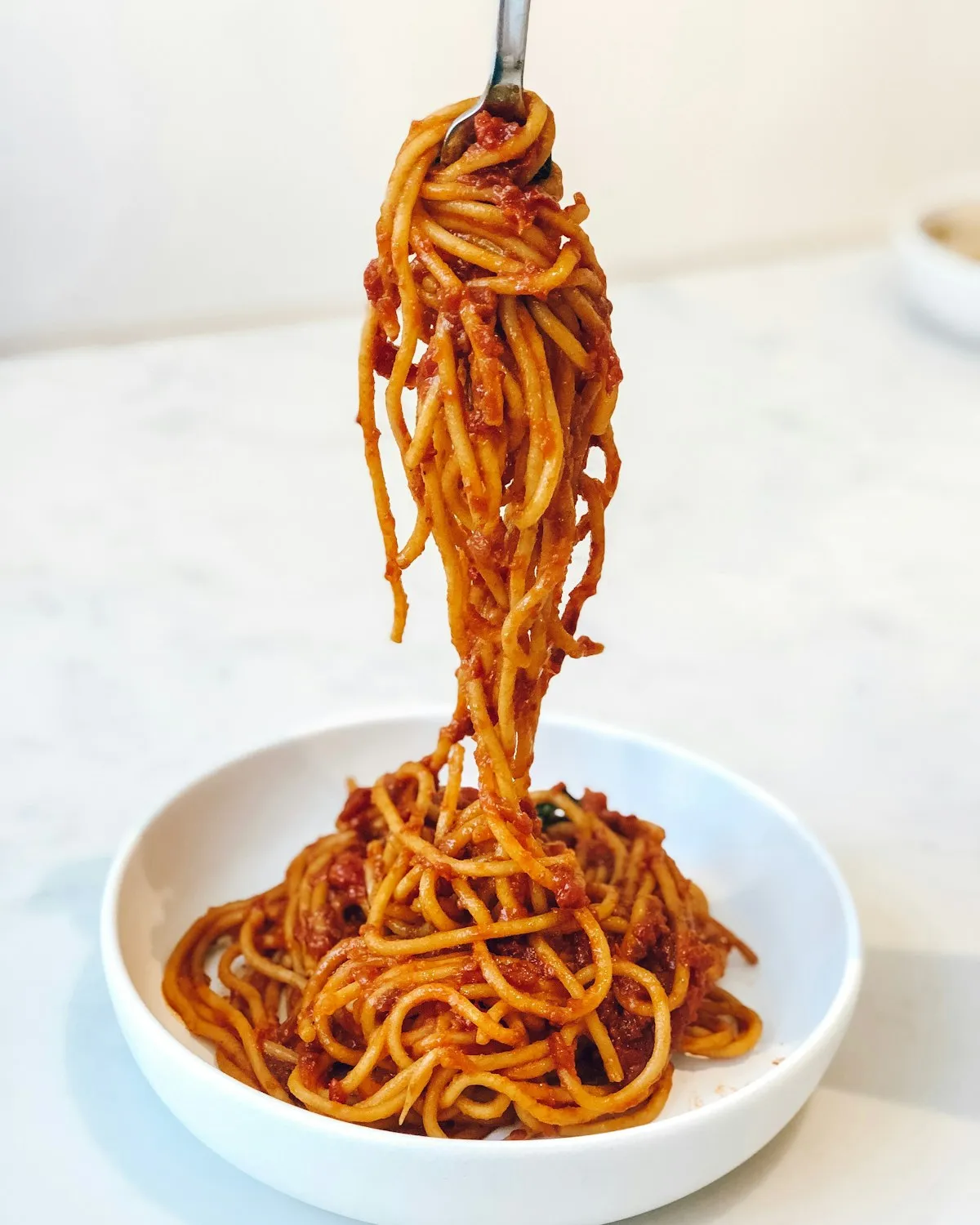
3. Under-seasoning the "Bath"
When you boil pasta normally, you salt the water heavily, but most of that salt goes down the drain. In a one-pot dish, the liquid becomes the sauce. However, many home cooks are too timid with seasoning here. Because the pasta absorbs the liquid to soften, it also absorbs the salt. If the liquid isn't seasoned properly from the beginning, your pasta will taste flat from the inside out. Use a flavorful base like low-sodium chicken or vegetable stock, and season it so it tastes like a delicious soup before you even add the pasta.
4. Ignoring Pot Surface Area
The shape of your vessel matters as much as the ingredients. Using a tall, narrow pot is a recipe for uneven cooking. The pasta at the bottom gets mushy while the top stays raw. Use a wide, shallow skillet or a Dutch oven. This increased surface area allows the liquid to evaporate at a steady rate, concentrating the flavors while ensuring every noodle has equal access to the heat.
5. Adding Ingredients All at Once
While the "one-pot" name implies simplicity, adding delicate vegetables like spinach or peas at the start is a massive error. High heat and long cook times will turn your greens into a gray, slimy mess. Use a staged approach. Start with your aromatics (garlic, onions, and spices) and hardy proteins, then add the pasta and liquid. Save the delicate greens and fresh herbs for the final 60 seconds. The residual heat is more than enough to wilt them while keeping their vibrant color and snap.
6. Starting with Cold Liquid
Adding cold water or cold stock to your pot mid-cook drops the temperature and halts the gelatinization process of the starch. This leads to a mealy texture. Keep a small pot of stock simmering on a back burner or use a kettle to heat your water. If the sauce looks too thick, only add hot liquid. This maintains the cooking momentum and ensures a consistent texture.
7. Overcooking During the "Rest"
Pasta doesn't stop cooking the second you turn off the burner. In a thick, starchy sauce, the thermal mass is high. If you wait until the pasta is perfectly al dente to stop, it will be overcooked by the time you sit down to eat. Check your pasta two minutes before the package suggests. It should have a tiny bit of "white" left in the center. Turn off the heat, cover the pot, and let it stand for two minutes. This allows the sauce to thicken and the pasta to finish perfectly without becoming mushy.
Creative Variations for Every Cravings
Once you master the science of the one-pot method, the world is your oyster. For those looking for healthy dinner ideas, focus on high-fiber additions. You can swap traditional wheat pasta for chickpea or lentil varieties, but be warned: these release significantly more starch. You will need to increase your liquid by about 20% and stir even more frequently to prevent a "bean-flavored" clump.
If you prefer a Mediterranean vibe, lean into high-acid ingredients like capers and sun-dried tomatoes. Acidity is a great tool for cutting through the richness of a starchy sauce. For a creamy finish without using heavy cream, try whisking in a dollop of Greek yogurt or a spoonful of goat cheese at the very end. The residual starch in the pot will emulsify these fats into a velvet-like coating that feels much more indulgent than it actually is.
For the meat-lovers, browning your protein first is non-negotiable. Sauté your sausage or chicken in the pot until a golden crust (the Maillard reaction) forms on the bottom. Remove the meat, deglaze the pot with a splash of wine or broth to pick up those flavorful browned bits, and then start your pasta process. This builds layers of flavor that a simple boil-and-dump method can never achieve.
Perfect Side Dish Pairings
A one-pot pasta is inherently rich because of all that retained starch. To create a balanced meal, you need sides that provide a sharp contrast in texture and flavor. Avoid heavy, starchy sides like garlic bread; you already have plenty of carbs in the main dish.
Instead, go for something with a high crunch factor. A crisp arugula salad with a sharp lemon vinaigrette is my go-to pairing. The peppery notes of the arugula and the acidity of the lemon help "reset" your palate between bites of savory pasta. If you’re using your kitchen gadgets to save time, consider some air fryer recipes dinner style, such as air-fried asparagus or crispy broccoli. The dry, intense heat of the air fryer provides a charred texture that beautifully complements the silky, saucy pasta.
Roasted peppers or a simple tomato and cucumber salad also work wonders. The key is to avoid anything too creamy or soft. You want your side dish to act as a bright, refreshing counterpoint to the deep, developed flavors of your one-pot creation.
Frequently Asked Questions
Why is my one-pot pasta always gluey?
This usually happens because of starch overload. If you use too little liquid or don't stir enough, the starch molecules clump together rather than dispersing into a sauce. To fix this, ensure you have enough liquid for the pasta to move, and don't be afraid to add a splash more hot water if the sauce becomes too thick too quickly.
Can I use gluten-free pasta for this method?
Yes, but proceed with caution. Gluten-free pastas, especially those made from rice or corn, tend to break down much faster than wheat pasta. They also release a different type of starch that can become slimy if overcooked. Check the pasta three to four minutes earlier than the box suggests and avoid aggressive stirring near the end of the cook time.
Should I use water or broth?
Always use broth if you have it. Since the pasta is absorbing the liquid to soften, using water is a missed opportunity to inject flavor. If you must use water, ensure you season it with salt, herbs, and perhaps a spoonful of bouillon or nutritional yeast to give the dish some depth.
Can I make this in advance?
One-pot pasta is best eaten immediately. Because the sauce is so starchy, it will continue to thicken and eventually turn into a solid mass as it cools. If you do have leftovers, reheat them on the stove with a splash of water or milk to loosen the sauce back up. Avoid the microwave if possible, as it tends to make the pasta rubbery.
What is the best pasta shape for one-pot meals?
Short, sturdy shapes like penne, fusilli, or rigatoni are the champions of the one-pot world. They have enough structural integrity to withstand the frequent stirring and the weight of a thick sauce. While spaghetti works, it is much more prone to clumping if you aren't vigilant with your tongs.
How do I prevent the garlic from burning?
Garlic burns quickly and becomes bitter. When sautéing your aromatics at the start, only cook the garlic for about 30-60 seconds: just until it becomes fragrant: before adding your liquid. The liquid will instantly lower the temperature of the pot and stop the garlic from browning further.
Is it okay to use frozen vegetables?
Absolutely. Frozen peas, corn, or even frozen kale are great for one-pot dishes. Just remember that they release a bit of extra moisture as they thaw, so you may need to reduce your initial liquid amount slightly to compensate. Add them in the last few minutes of cooking so they stay bright and sweet.
{“@type”:”BlogPosting”,”image”:[“https://cdn.marblism.com/93042456-0c12-49af-9de1-0d14b2cf7def”,”https://cdn.marblism.com/f7875144-16a7-4e08-8bc1-557ef09d7545″,”https://cdn.marblism.com/k2vqudiwwUL.webp”,”https://cdn.marblism.com/ZQZZBM9R4iJ.webp”,”https://cdn.marblism.com/7B95GdG6uQ_.webp”],”author”:{“name”:”Penny”,”@type”:”Person”},”@context”:”https://schema.org”,”headline”:”7 Mistakes You’re Making with One-Pot Pasta (and How to Fix Them)”,”publisher”:{“logo”:{“url”:”https://cookpedia.com/logo.png”,”@type”:”ImageObject”},”name”:”Cookpedia”,”@type”:”Organization”},”description”:”Learn the science behind perfect one-pot pasta. Discover common mistakes like liquid mismanagement and starch errors, and get tips for quick family meals.”,”datePublished”:”2026-07-03″,”mainEntityOfPage”:{“@id”:”https://cookpedia.com/7-mistakes-one-pot-pasta”,”@type”:”WebPage”}}