Recipe
Servings
Servings 1×
Ingredients
- Pasta
- Noodles
- Zucchini
- Mushrooms
- Spinach
- Peas
- Cream
- Hard cheese
- Salt
Method
- Let's fix your technique by breaking down the seven biggest blunders standing between you and pasta perfection.
- Use too much, and you dilute the flavor and prevent the sauce from ever thickening.
- Use too little, and the pasta won't hydrate, leaving you with crunchy centers and a scorched pan.
- Stir constantly at the start.
- Keep your liquids at least at room temperature.
- Season the liquid so it tastes like a seasoned soup, not the ocean.
You’ve seen the videos: a handful of dry noodles, a splash of water, some aromatics, and, presto, a restaurant-quality dinner in ten minutes. But when you tried it, you likely ended up with a gummy, starchy mess or a lukewarm pasta soup that looked nothing like the "one-pot bliss" promised by the internet. Don't throw the pot out with the pasta water just yet. One-pot pasta isn't a scam; it’s a science experiment.
When you master the mechanics of starch and emulsification, these dishes become the crown jewels of your quick family meals rotation. It’s the ultimate hack for getting healthy dinner ideas on the table without a mountain of dishes. Let's fix your technique by breaking down the seven biggest blunders standing between you and pasta perfection.
The Science of the Simmer: Why Your Pasta Fails
Mastering one-pot pasta requires a shift in mindset. You aren't just boiling noodles; you are building a sauce from the ground up using the very starch that traditional cooking tells you to pour down the drain.
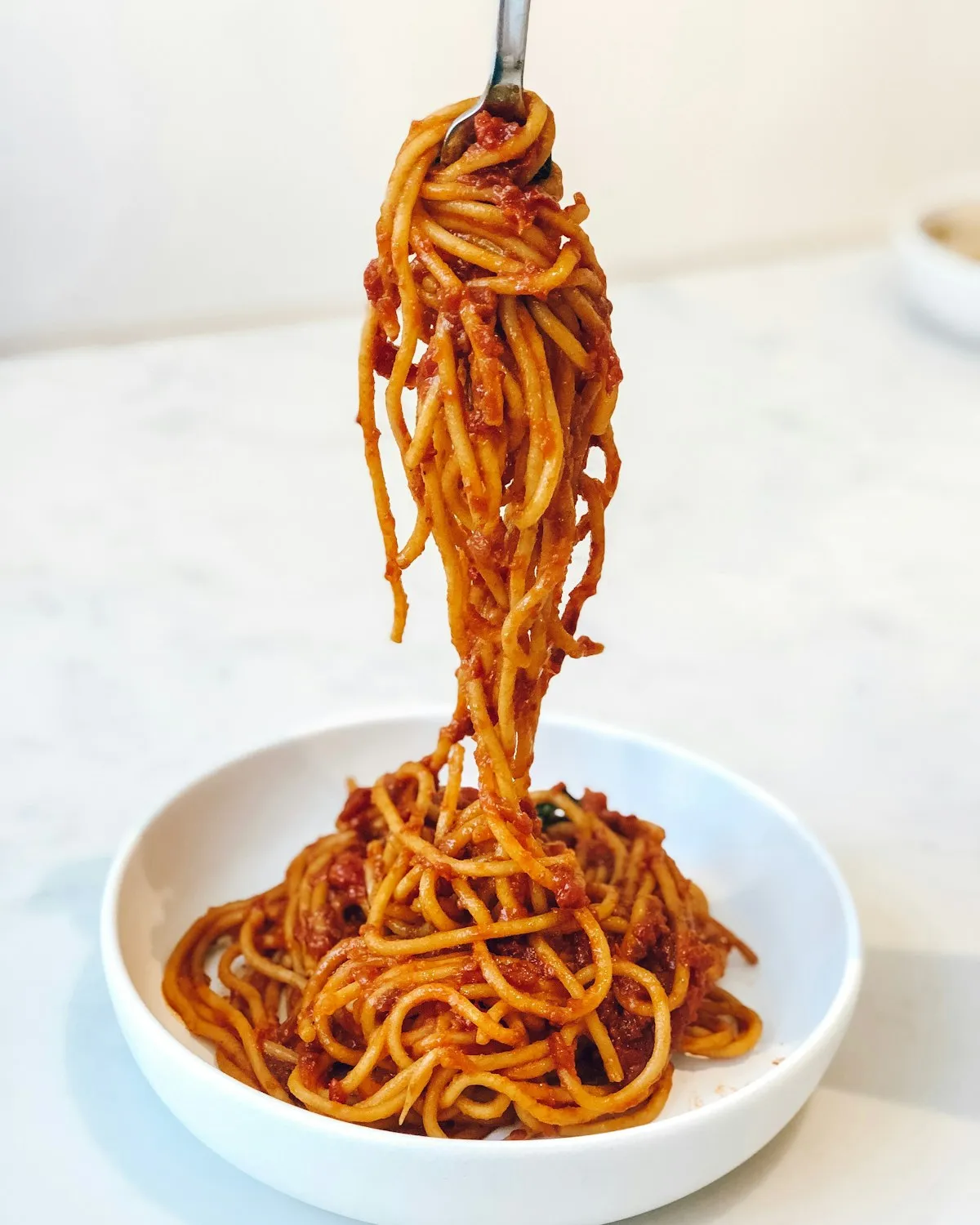
1. Treating Water Like an Infinite Resource
In traditional cooking, you use gallons of water to keep starch diluted. In a one-pot scenario, the water is your sauce base. Use too much, and you dilute the flavor and prevent the sauce from ever thickening. Use too little, and the pasta won't hydrate, leaving you with crunchy centers and a scorched pan.
Stick to a strict 1:2 ratio by weight as your baseline, roughly 1 cup of liquid for every 4 ounces of dry pasta. Adjust this slightly based on the "thirstiness" of your specific pasta shape, but never guestimate. Measure your liquid like a baker, not a rebel.
2. Ignoring the Starch "Glue" Phase
The first five minutes of cooking are the most dangerous. As the pasta begins to hydrate, it releases amylose starch into the liquid. This starch is incredibly sticky. If you don't stir frequently during this initial window, your pasta will bond together into a structural unit that no fork can separate.
Stir constantly at the start. Ensure the pasta is fully submerged and moving freely. Think of yourself as a shepherd, guiding the noodles so they don't huddle together for warmth.
3. Adding Cold Ingredients Midway
Adding a splash of cold broth or a handful of frozen peas halfway through kills the momentum of the starch gelatinization. When the temperature drops, the pasta stops cooking evenly, often leading to a "blowout" where the outside gets mushy while the inside stays hard.
Keep your liquids at least at room temperature. If you need to add more liquid to prevent sticking, use hot water from a kettle. Consistency in heat is the secret to a silky, emulsified sauce.
4. Underestimating the Power of Salt Osmosis
Pasta doesn't just need salt for flavor; salt affects how the starch granules swell. If you wait until the end to season, your sauce might taste salty, but your pasta will taste like nothing. Because the liquid reduces significantly in a one-pot dish, you must be careful, but don't be timid.
Season the liquid so it tastes like a seasoned soup, not the ocean. Remember, the pasta will absorb this liquid, effectively seasoning itself from the inside out. Check out our 15-minute meals for more tips on balancing flavors in a hurry.
5. Using the Wrong Surface Area (The Pot Problem)
A deep, narrow stockpot is the enemy of the one-pot pasta. You need a wide skillet or a shallow Dutch oven. Why? Evaporation. You want the liquid to reduce at a rate that matches the pasta’s cook time. A wide pan allows for even heat distribution and gives the starch enough room to move without clumping.
Choose a pan with high sides but a wide base. This ensures that every noodle has equal access to the heat and the flavor-packed liquid.
6. Adding Dairy Too Early
If your vision of a healthy dinner idea involves a creamy sauce, do not add the cream or cheese at the beginning. High heat and long simmer times will cause dairy to break, leaving you with a grainy, oily mess.
Wait until the pasta is "al dente" and the liquid has mostly reduced. Turn off the heat before folding in your Parmesan or cream. The residual heat is more than enough to create that glossy, restaurant-style finish without curdling the proteins.
7. Overcrowding with "Wet" Vegetables
Mushrooms, zucchini, and spinach release massive amounts of water as they cook. If you dump them in with the pasta, they will throw your liquid ratios completely out of whack. You’ll end up with a watery sauce and overcooked vegetables.
Sauté your high-moisture vegetables first, remove them from the pan, and fold them back in at the very end. This preserves their texture and keeps your sauce thick and clingy.
Variations: Balancing Flavor and Acidity
One-pot pasta can feel heavy because of the high starch concentration. To fix this, you must master the art of the "finish." The most successful one-pot meals use acidity to cut through the richness.
- The Citrus Lift: If you are making a seafood or garlic-heavy pasta, squeeze half a lemon over the pot just before serving. The acid brightens the starch and makes the flavors pop.
- The Vinegar Sharpness: For heavier, meat-based one-pot dishes, a teaspoon of balsamic or red wine vinegar stirred in at the end provides a much-needed counterpoint to the savory fats.
- The Herb Infusion: Soft herbs like basil or parsley should never be cooked into the sauce. Chop them fresh and toss them in once the heat is off to maintain their aromatic oils.
Side Dish Pairings for Texture and Balance
Since one-pot pasta is inherently soft and creamy, your side dishes should provide crunch and fiber. This is where you can really round out your dinner table.
- Cruciferous Crunch: A simple side of roasted broccoli or cauliflower is perfect. If you’re looking for efficiency, look into air fryer recipes dinner enthusiasts rave about; air-fried Brussels sprouts provide a charred, nutty contrast to a silky pasta.
- Bitter Greens: A cold arugula salad with a sharp vinaigrette acts as a palate cleanser. The bitterness of the greens offsets the sweetness of the starch.
- Garlic Fiber: Instead of heavy garlic bread, try quick-sautéed kale with garlic and red pepper flakes. It adds bulk to the meal without adding the "carb-on-carb" heaviness.
One-Pot Pasta FAQ
What if my pasta is done but there is still too much liquid?
Don't panic and don't drain it, you'll lose all the flavor. Turn the heat up to high for the last 60 seconds and stir vigorously. The combination of high heat and mechanical agitation will help the remaining liquid emulsify with the starch and any added fats, turning that "soup" into a thick glaze.
Can I use gluten-free pasta for this method?
You can, but proceed with caution. Gluten-free pasta (especially corn or rice-based) releases a different type of starch that can become "slimy" if over-agitated. Use slightly less liquid than you would for wheat pasta and stir gently. Lentil or chickpea pastas work best for one-pot methods as they hold their structure better.
Why does my sauce look grainy?
This usually happens because the heat was too high when you added cheese. If you dump cold, shredded cheese into a boiling pot, the proteins seize up. Always remove the pot from the burner, let the bubbling subside, and then whisk in your cheese in small handfuls.
Is it possible to over-stir?
In a one-pot dish, no. Constant stirring helps keep the temperature uniform and ensures that the starch is evenly distributed throughout the liquid. However, be gentle: you want to move the pasta, not break it into pieces.
Can I use this method for any pasta shape?
Most medium-sized shapes like penne, rigatoni, or fusilli are perfect. Avoid very thin shapes like angel hair, as they cook too quickly to allow the sauce to reduce properly. Thick, bronze-cut pastas are ideal because they have a rougher surface area that releases more starch, resulting in a superior sauce.
How do I store leftovers without them becoming a solid brick?
The starch will continue to absorb liquid as it sits in the fridge. When reheating, add a splash of water or broth and heat it slowly on the stove. This loosens the "starch bond" and restores the sauce to its original creamy state.
Can I make this in a slow cooker?
I wouldn't recommend it. Pasta needs the active agitation of a simmer to release its starch properly. In a slow cooker, the pasta often ends up mushy on the outside and chalky on the inside. For quick family meals, the stovetop remains the undefeated champion.
{“@type”:”FAQPage”,”@context”:”https://schema.org”,”mainEntity”:[{“name”:”What if my pasta is done but there is still too much liquid?”,”@type”:”Question”,”acceptedAnswer”:{“text”:”Increase the heat to high for the final minute and stir vigorously. This promotes rapid evaporation and helps the starch emulsify the remaining liquid into a thick sauce.”,”@type”:”Answer”}},{“name”:”Can I use gluten-free pasta for one-pot meals?”,”@type”:”Question”,”acceptedAnswer”:{“text”:”Yes, but use slightly less liquid and stir more gently to avoid the pasta breaking down. Lentil-based pastas are particularly successful in one-pot preparations.”,”@type”:”Answer”}},{“name”:”Why does my cheese sauce look grainy?”,”@type”:”Question”,”acceptedAnswer”:{“text”:”Grainy sauces occur when cheese is added to a boiling liquid, causing the proteins to clump. Always turn off the heat before folding in dairy or cheese.”,”@type”:”Answer”}},{“name”:”What is the best pasta shape for one-pot cooking?”,”@type”:”Question”,”acceptedAnswer”:{“text”:”Medium shapes like penne, fusilli, or rigatoni are best. Bronze-cut pasta is preferred as it releases more starch for a creamier sauce.”,”@type”:”Answer”}}]}