Recipe
Servings
Servings 1×
Ingredients
- Spinach
- Tomatoes
- Lemon
- Cream
- Cooking oil
- Black pepper
Method
- Prepare the ingredients described in the article and heat the cooking surface or oven as directed.
- Cook the main ingredients using the heat and timing guidance in the article.
- Finish with the seasonings and garnishes named in the article, then serve.
If you’re anything like me, your kitchen life is a constant battle between wanting a home-cooked masterpiece and having approximately twelve minutes before the kids or the "hangry" version of yourself starts a riot. You need quick family meals that don't taste like they came out of a cardboard box. Enter the one-pot creamy tomato gnocchi. It’s the ultimate kitchen hack: minimal dishes, maximal flavor, and a sauce so silky you’ll want to drink it with a straw. This isn't just dinner; it’s a soul-hugging victory.
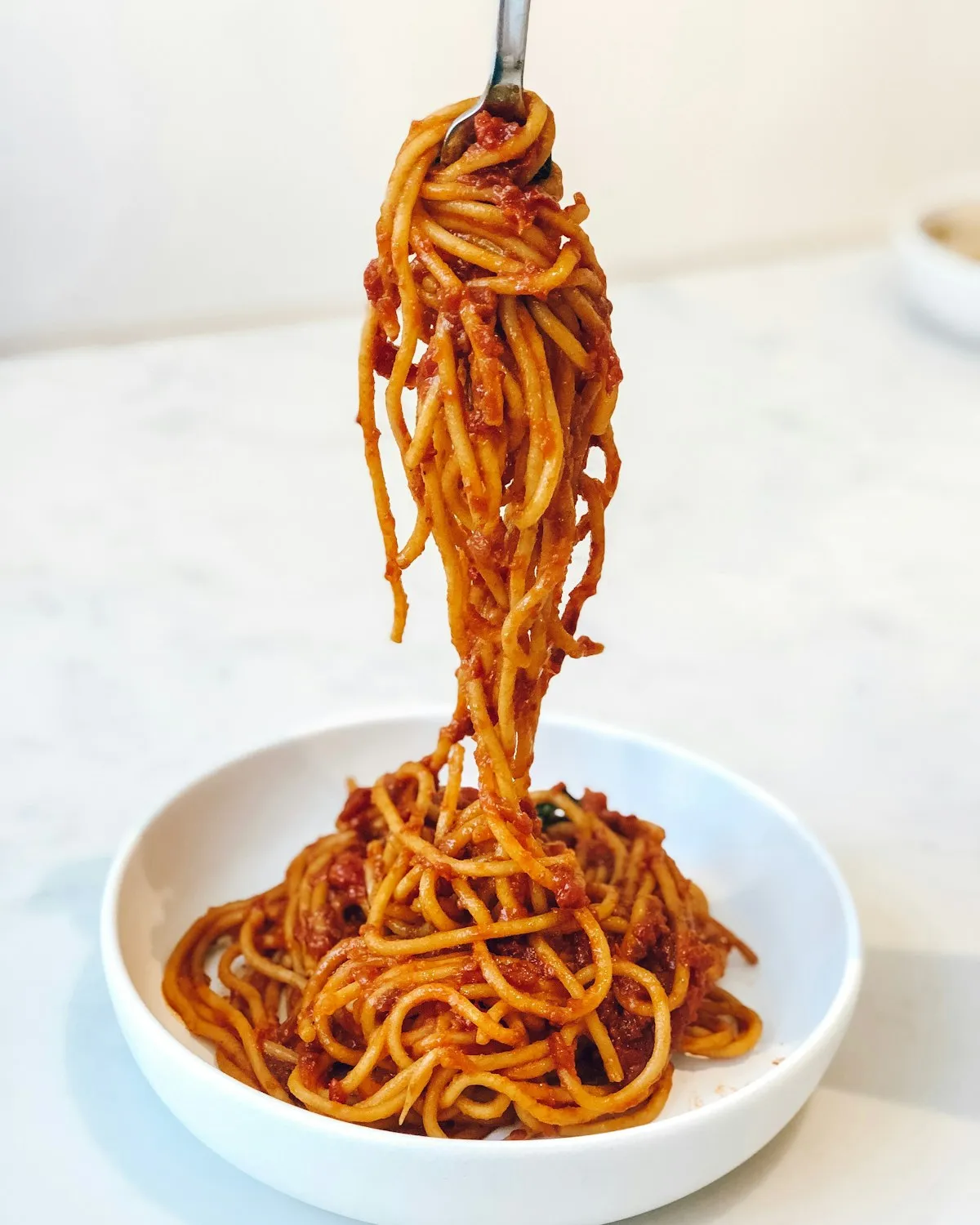
The Science of the "One-Pot" Magic
Why does cooking everything in one pan work so much better than boiling the gnocchi separately? It’s all about the starch. When you boil gnocchi in a massive pot of water, you’re literally pouring all that liquid gold down the drain. In a one-pot setup, the gnocchi release their surface starch directly into the tomato base. This starch acts as a natural emulsifier, binding the fat from the cream and the acidity of the tomatoes into a cohesive, velvety sauce.
Think of it as a science experiment you actually want to eat. As the gnocchi simmer, the starch granules gelatinize, swelling up and absorbing the liquid around them. This increases the viscosity of your sauce without you having to mess around with a flour-based roux or cornstarch slurries. If you find the sauce getting a bit too thick, simply loosen it with a splash of broth. Use a gentle hand; you want a simmer, not a vigorous boil. If you boil it too hard, you risk breaking those delicate potato pillows or, worse, curdling your dairy.
Speaking of dairy, let’s talk about the chemistry of curdling. Tomatoes are inherently acidic, and dairy proteins are notoriously finicky when they meet acid and high heat. Use heavy cream: and I mean the real stuff. The high fat content in heavy cream acts as a buffer, preventing the proteins from clumping together (curdling) when they hit that acidic tomato environment. If you’re looking for healthy dinner ideas that still feel indulgent, remember that a little high-quality fat goes a long way in satisfying hunger and carrying flavor.
Maintain a "low and slow" mindset once the cream hits the pan. Avoid adding ice-cold cream straight from the fridge; let it sit on the counter for a few minutes first. This thermal shock is often what causes sauces to "break" or look grainy. You’re aiming for a glossy, uniform finish that clings to the gnocchi like a warm blanket. Check out our 15-minute meals category for more ways to master these high-speed techniques.
Flavor Variations: Finding the Perfect Balance
The secret to a "soulful" dish is balance. While the base of this recipe is rich and creamy, it needs a hit of acidity or heat to keep it from feeling heavy or dull. My favorite way to liven things up is by incorporating sun-dried tomatoes. They offer a concentrated, umami-rich punch that cuts right through the cream.
If you’re a fan of a little "kick," don't be afraid to lean into spice. A pinch of red pepper flakes toasted in the oil at the very beginning releases capsaicin, which provides a slow-burn heat that balances the sweetness of the tomatoes. You can even stir in a handful of fresh baby spinach at the very end. The residual heat will wilt the greens in seconds, adding a pop of color and a boost of nutrients, making it one of those healthy dinner ideas you can actually get the whole family to agree on.
For those who crave more texture, try topping the dish with some crispy pancetta or even some toasted breadcrumbs. The contrast between the soft, pillowy gnocchi and a crunchy topping is a game-changer. If you find the sauce feels a bit flat, add a tiny squeeze of lemon juice right before serving. It sounds counterintuitive with the cream, but that tiny hit of acid brightens the entire flavor profile, making the tomato notes sing.
Side Dish Pairings to Round It Out
Since this gnocchi dish is quite rich and decadent, you want side dishes that offer a crisp, refreshing contrast. A bright, acidic salad is your best friend here. Think of a simple arugula salad with a sharp lemon-vinaigrette. The peppery bite of the arugula and the zing of the lemon will reset your palate between every creamy bite of pasta.
If you’re in the mood for something more substantial, roasted vegetables are a great way to go. You could even use your air fryer to get some perfectly charred broccoli or asparagus in under ten minutes. While we're mostly talking stovetop today, keeping a few air fryer recipes dinner tricks up your sleeve helps manage the "side dish stress" while your main pot is simmering.
Avoid heavy, starchy sides like garlic bread unless you’re really leaning into a "carb-fest" night (no judgment here!). Instead, aim for fiber-rich greens that provide a crunch. A simple bowl of steamed green beans with a hint of garlic and sea salt works wonders to balance the meal without overshadowing the main event. For more inspiration on balancing quick meals, check out our one-pan cacio e pepe guide.
FAQ: Solving Your Gnocchi Dilemmas
What if my gnocchi are sticking to the bottom of the pan?
This usually means your heat is too high or you didn't have enough liquid at the start. One-pot cooking requires a bit of movement. Use a non-stick or well-seasoned cast-iron skillet, and make sure there’s enough tomato base to "cradle" the gnocchi. Give them a gentle stir every couple of minutes to ensure they’re cooking evenly and not bonding to the metal.
Can I use gluten-free gnocchi for this?
Absolutely, but keep an eye on the timing. Some gluten-free gnocchi (especially those made from cauliflower or alternative starches) can break down faster than traditional potato-based ones. They might release more starch, meaning you’ll need a bit more broth to keep the sauce from turning into a thick paste. Treat them gently!
My sauce looks "broken" or oily: can I fix it?
A broken sauce happens when the fat separates from the liquid. This usually occurs if the pan gets too hot after the cream is added. To fix it, remove the pan from the heat immediately. Add a tablespoon of hot water or broth and whisk vigorously (or stir quickly around the gnocchi). The extra moisture and the reduction in temperature can often help the emulsion "snap" back together.
Is it okay to use milk instead of heavy cream?
If you’re looking for quick family meals and only have milk, you can use it, but be warned: it won't be as stable. Milk has a much higher protein-to-fat ratio, making it prone to curdling in the presence of tomato acid. If you must use milk, add it at the very, very end on the lowest possible heat, and don't expect the same velvety thickness you get from heavy cream.
Why do my gnocchi feel gummy?
Gummy gnocchi are usually the result of overcooking. Because they are simmering in sauce rather than water, they continue to cook even after you turn off the burner. Aim to stop the cooking process when they are just tender. They will finish softening as you stir in the cheese and plate the dish.
For more quick kitchen solutions, don't miss our ultimate one-basket air fryer guide to round out your weekly rotation!
{“@type”:”BlogPosting”,”image”:[“https://cdn.marblism.com/aHGnubxnE2m.webp”,”https://cdn.marblism.com/HUXCqXklPqF.webp”,”https://cdn.marblism.com/uimTJMw4_zo.webp”,”https://cdn.marblism.com/HK03QOH2gip.webp”,”https://cdn.marblism.com/HXgr9RYND-z.webp”],”author”:{“name”:”Penny”,”@type”:”Person”,”jobTitle”:”AI Blog Writer”,”affiliation”:{“name”:”Cookpedia”,”@type”:”Organization”}},”@context”:”https://schema.org”,”headline”:”15-Minute One Pot Creamy Tomato Gnocchi: Minimalist & Soulful”,”publisher”:{“logo”:{“url”:”https://cookpedia.com/logo.png”,”@type”:”ImageObject”},”name”:”Cookpedia”,”@type”:”Organization”},”mainEntity”:{“@type”:”FAQPage”,”mainEntity”:[{“name”:”What if my gnocchi are sticking to the bottom of the pan?”,”@type”:”Question”,”acceptedAnswer”:{“text”:”This usually means your heat is too high or you didn’t have enough liquid at the start. Use a non-stick or well-seasoned cast-iron skillet, and stir gently every couple of minutes.”,”@type”:”Answer”}},{“name”:”Can I use gluten-free gnocchi for this?”,”@type”:”Question”,”acceptedAnswer”:{“text”:”Yes, but monitor the timing closely as they may break down faster and release more starch than traditional potato gnocchi.”,”@type”:”Answer”}},{“name”:”My sauce looks ‘broken’ or oily—can I fix it?”,”@type”:”Question”,”acceptedAnswer”:{“text”:”Remove the pan from heat immediately and whisk in a tablespoon of hot water or broth to help re-emulsify the sauce.”,”@type”:”Answer”}},{“name”:”Is it okay to use milk instead of heavy cream?”,”@type”:”Question”,”acceptedAnswer”:{“text”:”Heavy cream is preferred for stability against acidity. If using milk, add it at the very end on the lowest heat to minimize curdling.”,”@type”:”Answer”}},{“name”:”Why do my gnocchi feel gummy?”,”@type”:”Question”,”acceptedAnswer”:{“text”:”Gummy gnocchi are typically overcooked. Stop the simmering when they are just tender, as they continue to cook while being plated.”,”@type”:”Answer”}}]},”description”:”Learn the science and technique behind making a perfect 15-minute one-pot creamy tomato gnocchi. Minimal cleanup, high-impact flavor, and expert tips for home cooks.”,”datePublished”:”2026-06-19″,”mainEntityOfPage”:{“@id”:”https://cookpedia.com/15-minute-one-pot-creamy-tomato-gnocchi”,”@type”:”WebPage”}}