Recipe
Servings
Servings 1×
Ingredients
- Chicken
- Salmon
- Steak
- Tofu
- Pasta
- Rice
- Greek yogurt
- Broccoli
- Spinach
- Peas
- Corn
- Onion
- Garlic
- Lemon
- Cream
- Cooking oil
- Sesame
- Salt
Method
- Prepare the ingredients described in the article and heat the cooking surface or oven as directed.
- Cook the main ingredients using the heat and timing guidance in the article.
- Finish with the seasonings and garnishes named in the article, then serve.
We’ve all been there. It’s 6:00 PM, you’re exhausted, and the promise of a "30-minute" healthy meal feels more like a threat than a solution. You start with the best intentions: organic greens, lean protein, and high hopes: but somehow end up with a plate of soggy vegetables and rubbery chicken. It’s frustrating because eating well shouldn't feel like a chore or a constant gamble.
The truth is, most healthy weeknight dinners fail not because of a lack of skill, but because of a few tiny, repeatable technical errors. Let’s identify where your kitchen mojo is leaking so you can get back to soulful, stress-free cooking that actually tastes good.
The Science of the Sear: Why Your "Quick" Meals Fall Flat
If you want to master quick healthy meals, you have to stop fighting physics. The biggest mistake I see in home kitchens is the "crowded pan" syndrome. When you’re in a rush to feed the family, it’s tempting to dump two pounds of chicken and a bag of frozen broccoli into a single skillet.
Here is the scientific reality: every ingredient you add releases moisture. If there isn't enough surface area for that moisture to evaporate instantly, the temperature of your pan drops. Instead of searing (the Maillard reaction that creates deep, savory flavors), you end up boiling your food in its own juices. This results in gray meat and limp vegetables. Use a larger pan than you think you need. If you don't hear a loud, aggressive sizzle the moment food hits the oil, your pan is too cold. Wait for it. Patience is the only ingredient you can't substitute.
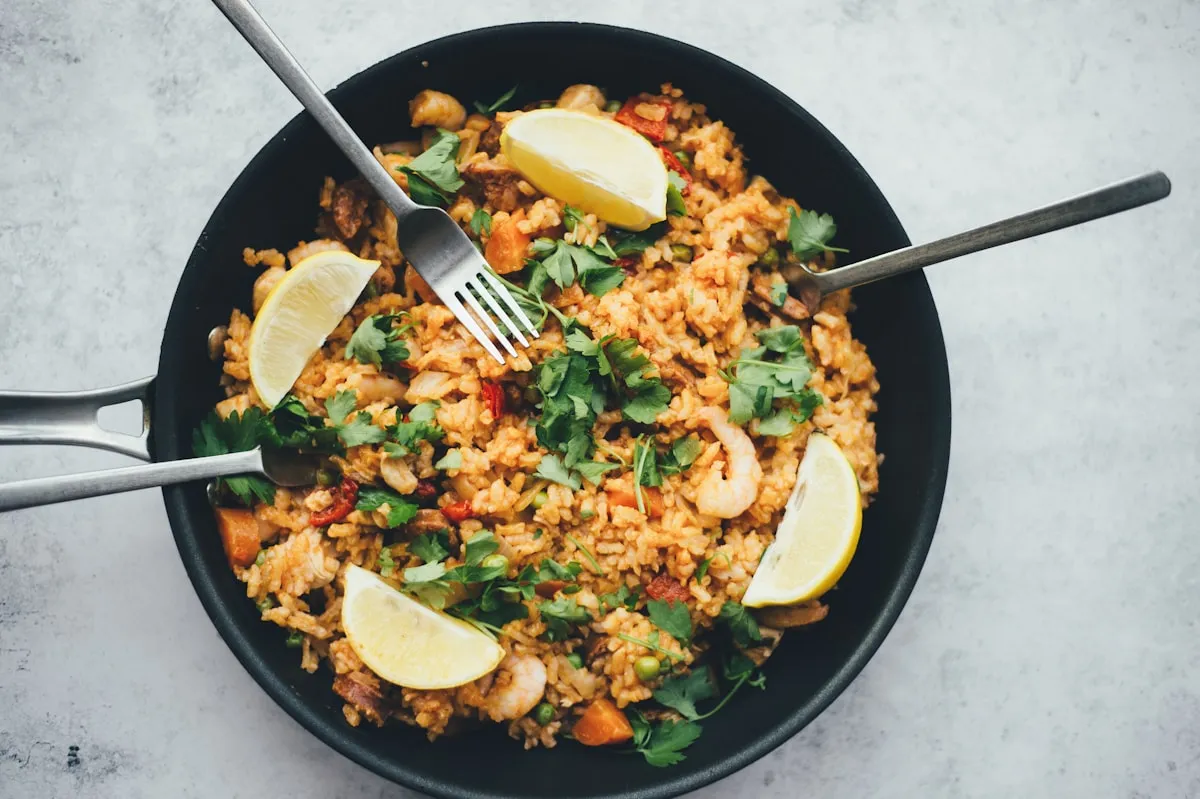
Another common fail is the "cold start." Most home cooks pull a piece of salmon or steak directly from the fridge and toss it into the pan. This causes the muscle fibers to seize up, leading to a tough, unevenly cooked mess. Take your protein out of the fridge 15–20 minutes before cooking. Letting it take the chill off ensures the heat penetrates the center without burning the outside.
Then there is the seasoning trap. Many people think "healthy" means "bland," but the opposite is true. Without heavy fats and sugars to carry flavor, you need to be aggressive with salt, acid, and aromatics. Season in layers. Don't just salt at the end; salt your onions as they sauté to draw out moisture, and salt your meat before it hits the pan. If a dish tastes flat but you’ve already added salt, it likely needs acidity. A squeeze of lemon or a splash of rice vinegar can wake up a dull stir-fry in seconds.
Finally, stop ignoring mise en place. On a busy night, the last thing you want to do is chop an onion while your garlic is already burning in the pan. Prep everything before you turn on the burner. It feels like it takes longer, but it actually prevents the frantic scrambling that leads to overcooked, disappointing results.
Clever Swaps: Creating Variations Without the Stress
One of the best healthy dinner ideas is to stop viewing recipes as rigid rules and start seeing them as frameworks. If you’ve mastered a basic stir-fry or a sheet-pan roast, you have a hundred different meals at your fingertips.
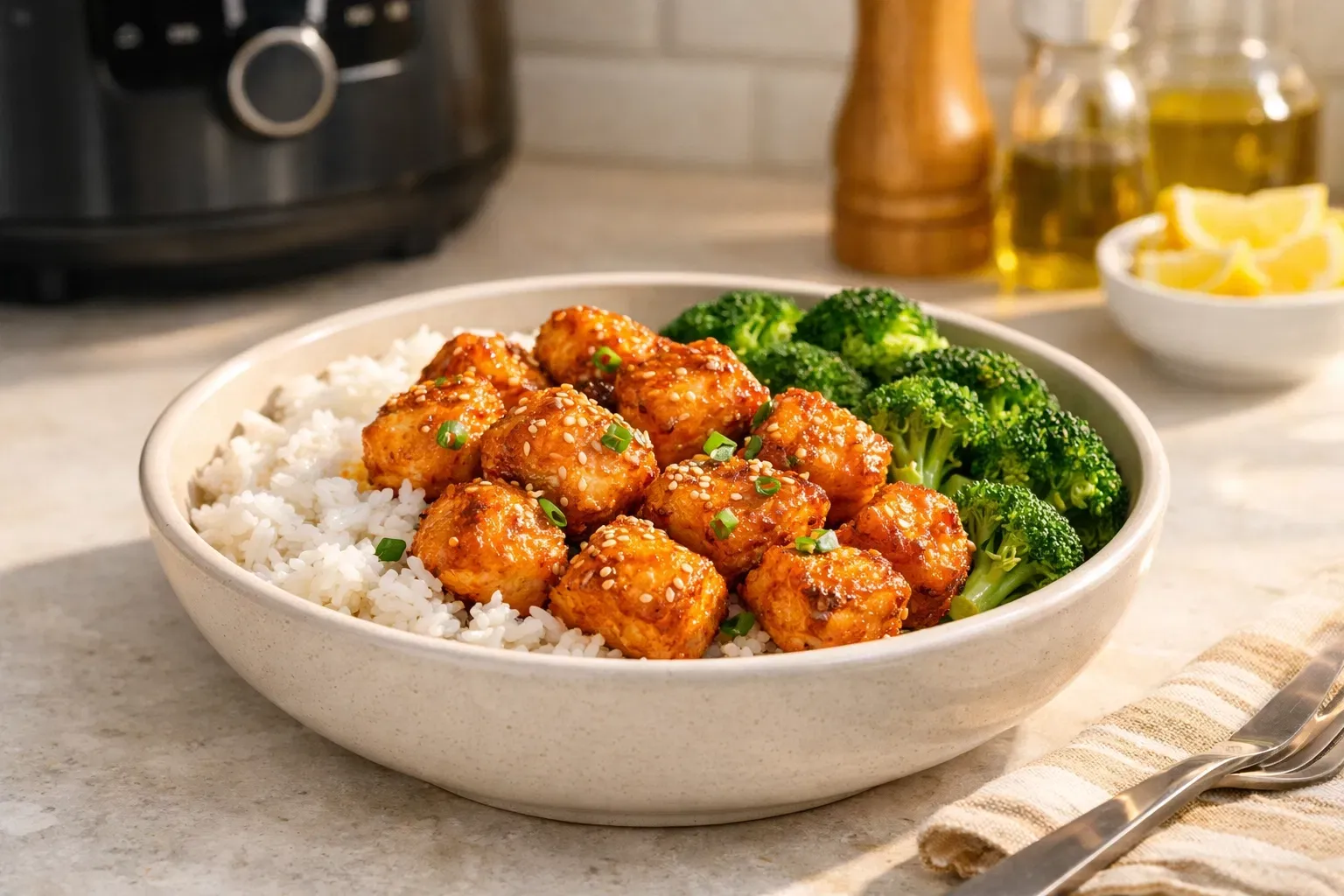
For a plant-based twist, swap out heavy proteins for crispy tofu. If you’re struggling with texture, try using an air fryer. My air fryer sesame tofu bowl is a prime example of how tech can save your texture issues. The high-velocity hot air removes moisture faster than a skillet, giving you that crunch without the excess oil.
If you’re out of fresh produce, don’t be afraid of the freezer aisle. Frozen peas, corn, and even spinach are often "fresher" than the wilted stuff in the crisper drawer because they are flash-frozen at their peak. Just remember the rule of the sear: thaw and pat dry any frozen vegetables before they hit a hot pan to avoid that dreaded steaming effect.
For those looking for quick family meals that feel a bit more indulgent, try swapping traditional heavy cream for a splash of pasta water and a touch of goat cheese or Greek yogurt. You get the silkiness of a rich sauce without the "heavy" feeling that ruins a healthy vibe. You can see this technique in action with our one-pot linguine, where the starch from the pasta creates its own glossy coating.
Side Dish Pairings: The Art of Balance
A great dinner is a conversation between flavors and textures. If your main dish is soft and savory, your side needs to be crunchy and bright. This is where most healthy weeknight dinners lose their soul: they’re one-note.
Pair heavy proteins with high-acid sides. If you’re serving a rich salmon pasta, a simple arugula salad with a sharp lemon vinaigrette is non-negotiable. The bitterness of the greens and the acidity of the lemon cut through the fat of the fish, making every bite feel light.
Avoid double-starching. If your main includes sweet potatoes or quinoa, don't serve bread on the side. Instead, go for a quick-charred broccoli or a cabbage slaw. Use texture as a seasoning. A sprinkle of toasted pine nuts or a handful of fresh cilantro right before serving adds a professional layer of complexity that takes minutes but changes everything. If you're looking for more inspiration on how to build a balanced plate, check out our sausage and pepper medley which balances savory fats with sweet, caramelized veggies.
Quick Healthy Dinner FAQ
What if my "healthy" dinner tastes like cardboard?
It’s likely an acid or salt issue. "Healthy" doesn't mean "no seasoning." If the flavors aren't popping, add a teaspoon of apple cider vinegar, lime juice, or even a dash of soy sauce. Also, check your fat levels. A small amount of high-quality fat (like a drizzle of extra virgin olive oil at the end) carries flavor molecules to your taste buds more effectively than water ever will.
Can I really use air fryer recipes dinner for everything?
Almost! The air fryer is essentially a high-powered convection oven. It’s perfect for proteins and hardy vegetables (carrots, sprouts, potatoes). However, avoid delicate leafy greens or wet batters, which will just fly around or drip. For the best results, don't overcrowd the basket. Air needs to circulate to create that "fried" texture.
Why is my chicken always dry when I cook it fast?
You're likely overcooking it to be "safe." Use a meat thermometer. Chicken breast is done at 165°F (74°C). Pull it off the heat at 160°F and let it rest for five minutes; the carryover heat will finish the job without evaporating every drop of moisture. Resting your meat is essential.
How do I stop my vegetables from getting mushy?
Stop overcooking them. Most vegetables only need 3–5 minutes of high-heat contact. They should still have a "snap" when you bite them. If you're stir-frying, add the "hard" veggies (carrots, onions) first and the "soft" ones (spinach, peas) in the last 60 seconds of cooking.
Is meal prepping a requirement for quick healthy meals?
Not necessarily, but "component prepping" is. Instead of making full meals, spend 20 minutes on Sunday washing and chopping your aromatics (garlic, ginger, onions). Having these "building blocks" ready means you can start cooking the moment you walk through the door, rather than spending your limited energy on basic prep.
What’s the best way to reheat leftovers without them tasting "off"?
Avoid the microwave if possible, especially for proteins. Reheat in a skillet with a splash of water and a lid to create steam, or pop them back in the air fryer for 2-3 minutes to restore the crunch. This prevents that "rubbery" texture often associated with next-day healthy meals.
{“@type”:”BlogPosting”,”image”:[“https://cdn.marblism.com/ZJvaRqN_x-v.webp”,”https://cdn.marblism.com/92fKel-dII_.webp”,”https://cdn.marblism.com/hWpxHrQyRAa.webp”,”https://cdn.marblism.com/H3jIyWSLNIU.webp”],”author”:{“name”:”Penny”,”@type”:”Person”},”@context”:”https://schema.org”,”headline”:”7 Common Quick Healthy Dinner Fails”,”publisher”:{“logo”:{“url”:”https://cookpedia.com/logo.png”,”@type”:”ImageObject”},”name”:”Cookpedia”,”@type”:”Organization”},”description”:”Learn the 7 most common mistakes that ruin quick healthy meals and discover how to fix your weeknight dinner routine with expert tips on heat management, seasoning, and prep.”,”datePublished”:”2026-06-09″}