Recipe
Servings
Servings 1×
Ingredients
- Chicken
- Shrimp
- Steak
- Zucchini
- Apple
- Garlic
- Salt
Method
- Keep your vinaigrettes in a separate jar until the very moment you eat.
- Use tempered glass containers with airtight silicone seals.
- Use dry spices for flavor during the prep, but save the salt for the "assembly" phase or the actual cooking process.
- Use the "First In, First Out" (FIFO) method.
You’ve finally decided to reclaim your weeknights. No more scrolling through delivery apps at 8:00 PM while your stomach growls in a Zoom-induced haze. You bought the containers, you cleared the Sunday afternoon schedule, and you’re ready to conquer the world, or at least your kitchen. But then Wednesday hits. Your chicken is rubbery, your greens are slimy, and that "healthy" salad has the structural integrity of wet tissue paper.
Meal prepping for quick healthy meals isn’t just about making a lot of food at once; it’s about understanding how food behaves over time. If you’re a busy professional, you don’t just need food; you need food that actually tastes good after forty-eight hours in the fridge. Most people fail because they treat meal prep like a chore rather than a science. Let’s fix that.
The Science of the Prep: Why Your Sunday Hard Work Fails by Wednesday
Mastering healthy weeknight dinners requires a shift in how you view "finished" food. The most common pitfall is over-prepping texture-sensitive ingredients. Stop chopping everything at once. While it’s tempting to slice every vegetable in your fridge on Sunday, remember that surface area is the enemy of freshness. When you cut a vegetable, you break its cell walls, releasing enzymes that trigger oxidation. This is why your pre-cut apples turn brown and your bell peppers lose their snap.
Avoid pre-dressing your salads. This is a non-negotiable. Osmosis is a powerful force; salt in your dressing will draw water out of your greens, leaving you with a puddle of wilted disappointment. Keep your vinaigrettes in a separate jar until the very moment you eat. If you’re looking for high-impact flavor without the wilt, check out our Spicy Tomato Basil One-Pot Linguine for a meal that actually holds its own when reheated.
Check your storage materials. Ditch the cheap, warped plastic containers. Use tempered glass containers with airtight silicone seals. Glass is non-porous, meaning it won’t absorb the smells of last week’s garlic shrimp, and it provides a better thermal barrier. This is crucial for quick family meals where you might be reheating multiple portions at once. When you reheat in plastic, you risk uneven heating, cold spots are a breeding ground for bacteria, while hot spots turn your steak into shoe leather.
Don't season with salt too early. Salt is a desiccant. If you salt your raw zucchini or cucumbers on Sunday for a Thursday salad, they will be mushy. Use dry spices for flavor during the prep, but save the salt for the "assembly" phase or the actual cooking process. For those using an air fryer, salt can also prevent that perfect crisp. If you’re experimenting with air fryer recipes dinner style, apply salt immediately after the food comes out of the heat to keep the exterior crunch intact.
Label everything with a "consume by" date. Science doesn't care about your busy schedule. Cooked proteins generally have a four-day window before flavor degradation and safety become issues. Use the "First In, First Out" (FIFO) method. If you prepped on Sunday, Thursday is your hard deadline.
Variations: Beyond the "Chicken and Broccoli" Rut
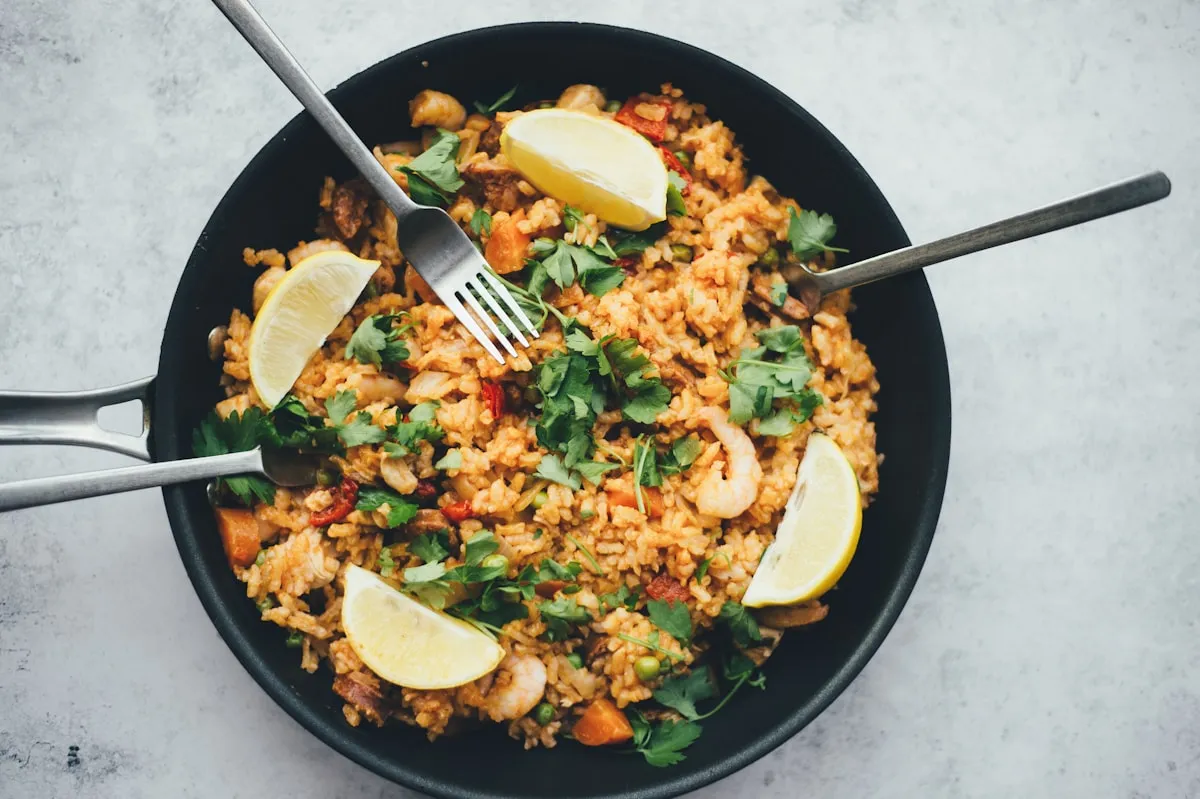
The fastest way to burn out on meal prep is flavor fatigue. You don't need to cook five different meals; you need one base with three different "profiles." This is the secret to sustaining healthy dinner ideas without losing your mind.
- The Grain Base Pivot: Prep a large batch of quinoa or farro. On Monday, toss it with feta, olives, and lemon for a Mediterranean vibe. On Wednesday, sauté it with soy sauce, ginger, and a fried egg for a "cheat" fried rice.
- The Roasted Veggie Shuffle: Roast a massive tray of root vegetables (carrots, parsnips, sweet potatoes). Half can be eaten as a side dish, and the other half can be blended with a little vegetable broth and ginger to create a silky, sophisticated soup for a lighter Tuesday night.
- Protein Versatility: If you’re looking for quick healthy meals that feel different every night, prep a neutral protein like shredded chicken or baked tofu. Use it in tacos one night and over a hearty kale salad the next. If you have an air fryer, try our Air Fryer Sausage and Pepper Medley as a base that can be served over pasta, in a hoagie, or even inside a breakfast omelet.
Side Dish Pairings: Balancing Your Bowl
A great meal-prepped dinner feels incomplete because it often lacks contrast. When your main dish is soft (like a stew or a grain bowl), you need acidity and crunch to wake up your palate.
Focus on acidity. A heavy, prepped meal like a beef chili or a creamy pasta can feel "flat" after a few days. Add a squeeze of fresh lime or a dash of red wine vinegar just before serving. This brightens the fat molecules and makes the dish taste fresh-off-the-stove.
Incorporate "Instant" Sides. Don't prep things that take five seconds to make. Fresh arugula, sliced radishes, or a handful of toasted pumpkin seeds should be added at the last minute. They provide the structural contrast that prepped food lacks. If you're doing a heavier meal, like our Kielbasa and Pierogi Air Fryer Roast, pair it with a sharp, vinegary slaw to cut through the richness of the sausage. This balance is what turns a "sad desk lunch" into a culinary win.
FAQ: Solving Your "What If" Cooking Dilemmas
What if my reheated chicken always feels dry?
This is a thermodynamics issue. Most people reheat on "high" for three minutes, which blasts the exterior before the interior is warm. Use the "power level" setting on your microwave. Set it to 50% or 60% and heat for a longer duration. This allows the heat to conduct evenly without evaporating all the moisture from the protein fibers. Also, add a teaspoon of water or broth to the container before covering it; the steam will help rehydrate the meat.
Can I prep seafood for the whole week?
Strictly speaking, no. Seafood is highly perishable and its delicate fats oxidize much faster than land-based proteins. Avoid prepping fish for more than two days in advance. If you want healthy weeknight dinners involving fish, prep the sides (the rice, the greens) and cook the fish fresh, it only takes six minutes in a pan anyway!
Why does my rice get hard and crunchy in the fridge?
Rice undergoes a process called starch retrogradation. When it cools, the starch molecules realign into a crystalline structure that feels hard. To fix this, add a splash of water and cover tightly with a damp paper towel when reheating. This creates a mini-steamer environment that softens the grains back to their original fluffy state.
What if I forget to prep and it's already Tuesday?
Don't panic and head for the drive-thru. Focus on "assembly meals." Keep high-quality canned beans, frozen vegetables, and pre-cooked grains in your pantry. These are the building blocks of quick family meals that require zero "prep" time but still provide a balanced nutritional profile.
Is it safe to freeze my prepped meals?
Yes, but moisture is your enemy. Use freezer-safe bags and squeeze out every bit of air to prevent freezer burn. Avoid freezing cream-based sauces or high-water-content veggies like cucumbers or lettuce, as their cell structures will collapse upon thawing, leaving you with a watery mess. Stick to freezing stews, braised meats, and hearty grains.
{“@type”:”BlogPosting”,”image”:[“https://cdn.marblism.com/92fKel-dII_.webp”,”https://cdn.marblism.com/HzFFTDDCJG8.webp”,”https://cdn.marblism.com/HXgr9RYND-z.webp”,”https://cdn.marblism.com/k2vqudiwwUL.webp”],”author”:{“name”:”Penny”,”@type”:”Person”},”@context”:”https://schema.org”,”headline”:”7 Quick Meal Prep Mistakes for Busy Professionals”,”publisher”:{“logo”:{“url”:”https://cookpedia.com/logo.png”,”@type”:”ImageObject”},”name”:”Cookpedia”,”@type”:”Organization”},”description”:”Discover the science-backed secrets to successful meal prepping for busy professionals. Avoid common mistakes like soggy veggies and dry chicken with our guide to quick healthy meals.”,”datePublished”:”2026-06-09″,”mainEntityOfPage”:{“@id”:”https://cookpedia.com/7-quick-meal-prep-mistakes-busy-professionals”,”@type”:”WebPage”}}