Recipe
Servings
Servings 1×
Ingredients
- Pasta
- Bread
- Hard cheese
- Black pepper
Method
- Toast your whole peppercorns in a dry pan until they become fragrant: you’ll know they’re ready when the kitchen smells like a Roman trattoria.
- Use Pecorino Romano for its salty, sharp bite.
- Cook your pasta in less water than usual.
- Use tongs to transfer it directly into the pan.
- Add a splash of the reserved starchy water to your grated cheese first to create a thick "sludge" or paste before it ever touches the hot pasta.
- Toss vigorously: this mechanical action incorporates air and further stabilizes the sauce, much like achieving the perfect glossy sauce in a tomato linguine .
There is a specific kind of magic in a meal that requires only three ingredients but tastes like a multi-course legacy. Cacio e Pepe is that magic. It is the ultimate testament to the "less is more" philosophy I live by in my kitchen. When life gets loud and the fridge looks empty, this dish is my soulful retreat. It’s elegant, deceptively simple, and hits that deep, savory craving every single time. If you have pasta, cheese, and pepper, you aren’t just making dinner: you’re creating a masterpiece of minimalist cooking.
The Science of the Gloss: Techniques for the Perfect Emulsion
Achieving a restaurant-quality finish with simple pasta recipes often comes down to one word: emulsification. This isn't just a fancy culinary term; it is the physical bond between the fat in your cheese and the water from your pot. Most home cooks fail here because they treat cheese like a topping rather than a structural component of the sauce.
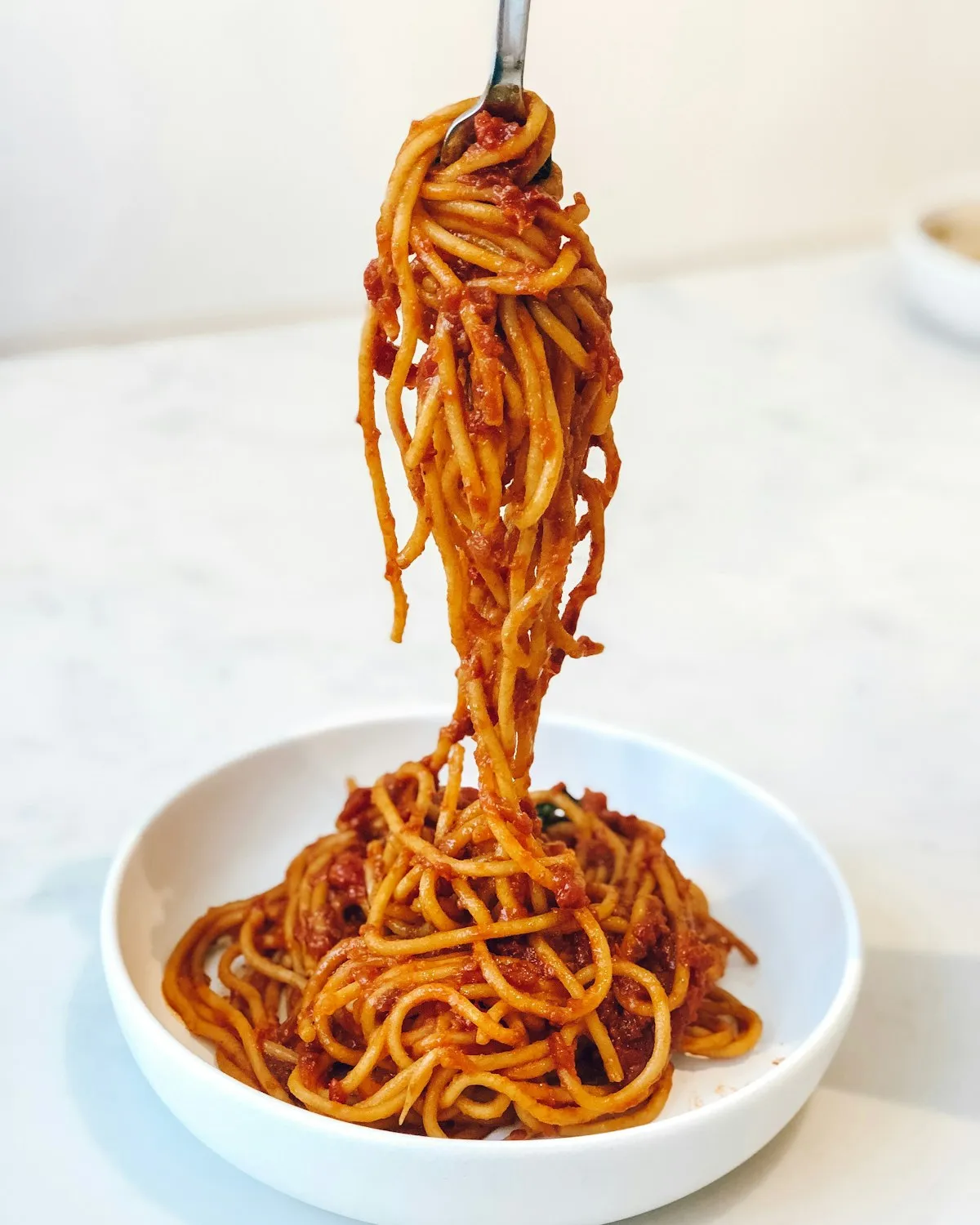
First, let’s talk about the pepper. Stop using pre-ground dust. It’s stale, flat, and lacks the punch this dish deserves. Toast your whole peppercorns in a dry pan until they become fragrant: you’ll know they’re ready when the kitchen smells like a Roman trattoria. This process releases essential oils that provide a floral, complex heat you simply cannot get from a shaker. Crack them coarsely; you want those crunchy bits to provide texture against the silky sauce.
The cheese is your next non-negotiable. Use Pecorino Romano for its salty, sharp bite. If you’re looking for budget friendly recipes, a 50/50 split with Parmesan works beautifully to mellow the intensity and save a few dollars. Grate it yourself on the finest setting possible. Micro-shards melt instantly, whereas thick shreds lead to clumping. When cheese clumps, it’s usually because the proteins have over-coagulated at temperatures above 180°F (82°C). Stay in the "safe zone" of 145–165°F (63–74°C) to keep things fluid.
The secret weapon in your arsenal is the pasta water. I call it "liquid gold" for a reason. Cook your pasta in less water than usual. Why? Because a smaller volume of water concentrates the starch. This starch acts as an emulsifier, acting as a bridge that prevents the cheese from separating into greasy puddles and rubbery lumps.
Never drain your pasta into the sink. Use tongs to transfer it directly into the pan. This carries over just enough moisture to start the process. Add a splash of the reserved starchy water to your grated cheese first to create a thick "sludge" or paste before it ever touches the hot pasta. This pre-tempering protects the cheese from the initial heat shock.
Finally, trust the process. Turn the heat off before adding your cheese paste. The residual heat of the pasta is enough to melt the cheese without breaking the emulsion. Toss vigorously: this mechanical action incorporates air and further stabilizes the sauce, much like achieving the perfect glossy sauce in a tomato linguine.
Variations for Every Mood
While the classic version is iconic, the beauty of simple pasta recipes is their adaptability. Think of the base emulsion as a canvas. To cut through the intense richness of the Pecorino, consider a "Zesty Roman" variation. Add a fine grating of lemon zest and a tiny squeeze of juice at the very end. The acidity brightens the heavy fats and makes the dish feel surprisingly light.
For those who want a deeper, earthier profile, swap half the black pepper for pink or green peppercorns. Pink peppercorns aren't actually pepper: they’re dried berries: and they offer a fruity, resinous sweetness that contrasts the salty cheese perfectly.
If you are leaning into budget friendly recipes, don't be afraid to use the "Starch Hack." If you find your pasta water isn't starchy enough, whisk half a teaspoon of cornstarch into a bit of cold water and add it to your cheese paste. It provides an extra insurance policy against clumping and ensures a velvety texture every time, regardless of the pasta brand you use.
Balancing the Plate: Side Dish Pairings
Cacio e Pepe is unapologetically rich. It’s essentially a plate of carbs and fat, which is why your side dish needs to do some heavy lifting in the acidity and crunch departments. Avoid heavy, cream-based sides or starchy vegetables like potatoes; you’ve already checked those boxes.
A simple arugula salad is my go-to pairing. The natural peppiness of the greens echoes the black pepper in the pasta, while a sharp lemon vinaigrette acts as a palate cleanser. Every bite of crisp, acidic salad makes the next forkful of creamy pasta taste even better.
Alternatively, consider roasted balsamic Brussels sprouts or charred broccolini. The slight bitterness of charred brassicas provides a sophisticated counterpoint to the salty Pecorino. Keep the sides minimalist; a drizzle of high-quality olive oil and a flake of sea salt are all you need to maintain the soulful, real-food vibe of the meal.
Cacio e Pepe FAQ: Solving the "What If" Scenarios
Why did my cheese turn into a giant rubber ball?
This is the most common heartbreak in Italian cooking. It happens because your water was too hot or your starch concentration was too low. The cheese proteins "seize" and bind together rather than suspending in the liquid. Next time, let your pasta water cool for sixty seconds before mixing it with the cheese, and ensure you use a smaller pot of water to maximize that starch.
Can I use pre-shredded cheese from a bag?
Absolutely not. This is one of those non-negotiables. Pre-shredded cheese is coated in potato starch or cellulose to prevent it from sticking in the bag. These anti-caking agents are the enemy of a smooth emulsion. They will make your sauce gritty and prevent the cheese from melting into the water. Buy the block; your forearms could use the workout anyway.
Is the pasta water really that important?
Yes. If you use plain hot water from the tap, your sauce will likely break. The starch in the pasta water increases the viscosity of the liquid, which physically prevents the fat droplets from merging back together. Without it, you’re just eating greasy noodles.
What if I don't have Pecorino Romano?
While Pecorino is traditional, you can use Parmesan (Parmigiano-Reggiano). Just keep in mind that Parmesan is less salty and more nutty. You may need to add a pinch more salt to the pasta water to compensate. Avoid soft cheeses or pre-grated "parmesan-style" powders; they simply won't have the structural integrity to form a proper emulsion.
My sauce is too thin, how do I fix it?
Don't panic. If it’s too watery, continue to toss the pasta over very low heat. The movement and gradual evaporation will help it thicken. If it’s still too thin, add another handful of finely grated cheese and keep whisking. The cheese acts as a thickening agent as it incorporates.
Can I reheat leftovers?
Cacio e Pepe is best enjoyed immediately. However, if you must reheat it, do so gently with a splash of water and a knob of butter to help re-emulsify the sauce. Avoid the microwave if possible; it tends to separate the fats, leaving you with an oily mess.
{“@type”:”BlogPosting”,”image”:”https://cdn.marblism.com/5_osOWddqm_.webp”,”author”:{“name”:”Penny”,”@type”:”Person”},”@context”:”https://schema.org”,”headline”:”Simple Pasta Recipes: 15-Minute Cacio e Pepe”,”publisher”:{“logo”:{“url”:”https://cdn.marblism.com/r31hCYxu5lk.webp”,”@type”:”ImageObject”},”name”:”Cookpedia”,”@type”:”Organization”},”mainEntity”:[{“name”:”Why did my cheese turn into a giant rubber ball?”,”@type”:”Question”,”acceptedAnswer”:{“text”:”This happens when the water is too hot (above 180°F) or starch levels are too low, causing proteins to seize. Let water cool slightly and use starchy pasta water to prevent clumping.”,”@type”:”Answer”}},{“name”:”Can I use pre-shredded cheese?”,”@type”:”Question”,”acceptedAnswer”:{“text”:”No. Pre-shredded cheese contains anti-caking agents like cellulose that prevent a smooth emulsion. Always grate fresh from a block.”,”@type”:”Answer”}},{“name”:”What is the best way to reheat Cacio e Pepe?”,”@type”:”Question”,”acceptedAnswer”:{“text”:”Reheat gently in a pan with a splash of water and a small amount of butter to help the sauce re-emulsify. Avoid high heat or microwaves which cause separation.”,”@type”:”Answer”}}],”description”:”Learn the science behind the perfect 15-minute Cacio e Pepe. Discover tips for emulsification, toasting pepper, and budget-friendly pasta hacks.”,”datePublished”:”2026-06-09″,”mainEntityOfPage”:{“@id”:”https://cookpedia.com/simple-pasta-recipes-15-minute-cacio-e-pepe”,”@type”:”WebPage”}}