Recipe
Servings
Servings 1×
Ingredients
- Chicken
- Rice
- Eggs
- Bread
- Cauliflower
- Broccoli
- Garlic
- Fresh ginger
- Peanut butter
- Cooking oil
- Soy sauce or tamari
- Chili seasoning
Method
- Stir-frying isn't just about tossing things in a pan; it’s a delicate dance of heat and timing.
- Use a high-smoke point oil like grapeseed or peanut oil.
- Let it rest while you flash-fry your vegetables.
- Add a tablespoon of fermented chili paste or a handful of dried red chilies to the oil right at the start.
There is a specific kind of magic that happens when a hot wok meets fresh ginger and garlic. On those chaotic Tuesdays when the clock is ticking and everyone is hungry, you need a win that doesn't come from a cardboard box. This healthy chicken stir-fry with cashews is my go-to for quick family meals that feel like a warm hug. It’s minimalist, soulful, and focuses on getting you from the cutting board to the table in record time without sacrificing that deep, restaurant-quality flavor we all crave.
The Science of the Perfect Sear
Stir-frying isn't just about tossing things in a pan; it’s a delicate dance of heat and timing. To master this at home, you have to understand the "why" behind the sizzle. The biggest mistake most home cooks make is overcrowding the pan. When you dump a mountain of cold chicken into a wok, the temperature plummets. Instead of searing, the meat begins to steam in its own juices, resulting in that rubbery, grey texture we all want to avoid.
The Art of Velveting
If you’ve ever wondered why restaurant chicken is so impossibly silky, the secret is a technique called "velveting." Before the meat ever touches the pan, you must coat it in a light mixture of egg white and cornstarch. This creates a protective barrier that prevents the fibers from toughening up under high heat. The cornstarch hydrates and gelatinizes, trapping the juices inside while creating a surface that the sauce can cling to later. This small step is a non-negotiable for anyone looking for truly healthy dinner ideas that don't taste like "diet food."
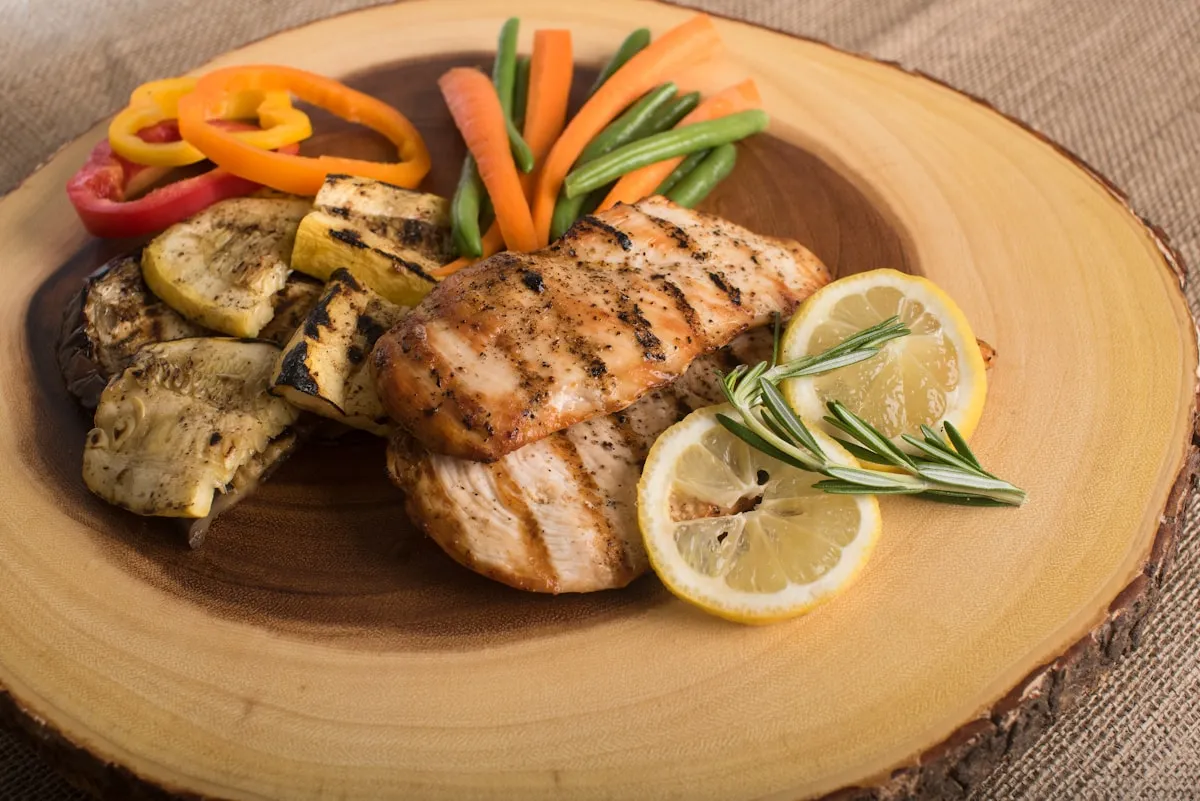
Heat Management and Wok Hei
You need your pan to be screaming hot. If the oil isn't shimmering, don't even think about adding the chicken. High heat triggers the Maillard reaction: the chemical process that creates those complex, savory browned flavors. Use a high-smoke point oil like grapeseed or peanut oil. Avoid extra virgin olive oil here; it will burn and turn bitter before you even get your ginger in the pan.
Once the pan is hot, cook your chicken in batches. This ensures every piece has direct contact with the surface. Listen for the sizzle; it’s the sound of moisture evaporating and flavor developing. Once the chicken is 80% done, pull it out. Let it rest while you flash-fry your vegetables. This prevents the meat from overcooking into sawdust while you’re waiting for your broccoli to soften.
The Crunch Factor
Cashews are the soul of this dish, but they need a little help to reach their full potential. Always toast your nuts before adding them back at the very end. You can do this quickly in the wok before you start the chicken, or if you’re exploring other air fryer recipes dinner enthusiasts love, toss them in the air fryer for three minutes at 350°F. The heat brings the oils to the surface, intensifying that buttery, nutty aroma that defines a classic stir-fry.
Soulful Variations for Every Palate
Cooking is a conversation, and you should feel free to talk back to the recipe. If you’re looking to cut down on carbs, swap the traditional rice for a bed of riced cauliflower. The cauliflower acts like a sponge, soaking up every drop of that glossy ginger-soy sauce.
For those who crave a bit of heat, lean into the Szechuan style. Add a tablespoon of fermented chili paste or a handful of dried red chilies to the oil right at the start. The heat will bloom in the fat, infusing the entire dish with a slow-burn glow. If you’re out of cashews, don’t panic: toasted almonds or even peanuts provide a similar textural contrast. The goal is balance: you want the softness of the velveted chicken to play against the crunch of the nut and the crisp-tender snap of the vegetables.
If you are a fan of using modern kitchen gadgets for quick family meals, you can even "air fry" your vegetables like broccoli and bell peppers to get those charred edges before tossing them into the wok for the final assembly. It’s a great way to save time and ensure your veggies aren't submerged in oil for too long.
Side Dish Pairings for a Balanced Plate
While this stir-fry is a powerhouse on its own, the right side dish can elevate the entire experience. I always recommend a base of fluffy jasmine rice for its floral aroma, but if you want something heartier, a nutty brown rice or quinoa adds a lovely earthy dimension.
To balance the richness of the toasted cashews and the savory soy sauce, serve a quick chilled cucumber salad on the side. Thinly slice some cucumbers and toss them with a splash of rice vinegar and a pinch of sugar. The cold, acidic crunch cuts right through the warmth of the stir-fry, cleansing your palate between every bite. For more inspiration on building the perfect plate, check out our healthy recipe collection or our guide to quick 15-minute meals.
Frequently Asked Questions
Why is my stir-fry sauce so watery?
A watery sauce usually means the cornstarch wasn't activated properly or there was too much moisture in the pan. Cornstarch needs to reach a simmer to "bloom" and thicken. Always mix your cornstarch into a slurry with a cold liquid (like soy sauce or broth) before adding it to the hot pan. If you add it directly, it will clump. Let the sauce bubble for at least 30 seconds to see its true thickness.
Can I use frozen vegetables?
You can, but proceed with caution. Frozen vegetables hold a lot of water. If you dump them straight into a hot wok, they will release all that moisture and turn your stir-fry into a soup. To avoid this, thaw them completely and pat them dry with a paper towel before cooking. Better yet, flash-sear them on high heat in small batches to evaporate that excess water quickly.
What is the best way to reheat leftovers?
Stir-fry is best eaten fresh, but if you have leftovers, avoid the microwave if possible. It turns the chicken rubbery and the cashews soggy. Instead, toss everything back into a hot skillet with a teaspoon of water. Cover it for a minute to steam through, then remove the lid and stir-fry for 30 seconds to crisp it back up.
Is this recipe suitable for a keto diet?
Yes, with two simple swaps. Replace the cornstarch in the velveting process with a tiny bit of xanthan gum or just skip it and sear the chicken as-is (though you’ll lose some silkiness). Use a keto-friendly sweetener like monk fruit in the sauce and serve the dish over cauliflower rice or sautéed zoodles. It’s one of the most versatile healthy dinner ideas for low-carb lifestyles.
My garlic always burns. What am I doing wrong?
Garlic and ginger are delicate. If your pan is at the correct high heat, they only need about 15–30 seconds to become fragrant. Add them after the meat has been seared and removed, or toss them in just seconds before you add the liquids. If they turn dark brown or black, they will become bitter and ruin the dish. Move them fast!
{“@type”:”BlogPosting”,”image”:[“https://cdn.marblism.com/kt5iM02ez3h.webp”,”https://cdn.marblism.com/4nxitksiQM_.webp”,”https://cdn.marblism.com/4YUqOyqwxBI.webp”,”https://cdn.marblism.com/6LwnyNu7Woy.webp”],”author”:{“name”:”Penny”,”@type”:”Person”},”@context”:”https://schema.org”,”headline”:”Healthy Weeknight Chicken Stir-Fry with Cashews”,”publisher”:{“logo”:{“url”:”https://cdn.marblism.com/r31hCYxu5lk.webp”,”@type”:”ImageObject”},”name”:”Cookpedia”,”@type”:”Organization”},”description”:”Learn the professional techniques for a perfect chicken cashew stir-fry, including velveting and heat management for a healthy weeknight dinner.”,”datePublished”:”2026-07-07″,”mainEntityOfPage”:{“@id”:”https://cookpedia.com/healthy-chicken-cashew-stir-fry”,”@type”:”WebPage”}}