Recipe
Servings
Servings 1×
Ingredients
- Pasta
- Noodles
- Bread
- Zucchini
- Tomatoes
- Garlic
- Lemon
- Cooking oil
- Soy sauce or tamari
- Chili seasoning
- Salt
Method
- Let them dissolve until they disappear into the oil, you won't taste "fish," you'll taste "richness."
- Add a splash of that murky pasta water to your tomato and oil base.
- Toast it lightly with a rub of raw garlic to mirror the flavors in the pasta.
You’ve had one of those days. The kind where the sun sets before you’ve even thought about the stove, and the temptation to order takeout is screaming. Put the phone down. You don’t need a delivery driver; you need fifteen minutes and a handful of pantry staples. This Simple Puttanesca is the ultimate minimalist masterpiece, bold, salty, and incredibly soulful. It’s the king of quick family meals that taste like you’ve been simmering a sauce since noon, even though you just walked through the door.
The Science of the "Umami Bomb"
Building a deep, complex sauce in under ten minutes isn’t magic; it’s chemistry. The backbone of a great Puttanesca relies on ingredients that are already "pre-aged" or fermented, packing a concentrated punch of glutamates. When you’re looking for healthy dinner ideas that don't skimp on flavor, this is your secret weapon.
The Vanishing Act: Anchovy Emulsification
The first rule of a soulful Puttanesca: don't fear the fish. Even if you think you hate anchovies, use them. When you drop those little fillets into warm olive oil, they don’t stay whole. The heat breaks down the delicate proteins and fats, causing them to "melt" into a salty, savory paste. This is the foundation of the sauce’s depth. By sautéing the anchovies with garlic and chili, you create an infused oil that coats every single strand of pasta. Avoid rushing this step. Let them dissolve until they disappear into the oil, you won't taste "fish," you'll taste "richness."
The Starchy Secret
The most common mistake home cooks make is draining their pasta and shaking it dry. Stop doing that. The water you cooked the pasta in is "liquid gold" filled with released starches. When you transfer your noodles directly from the boiling water into the sauce pan, you’re bringing that starch with you.
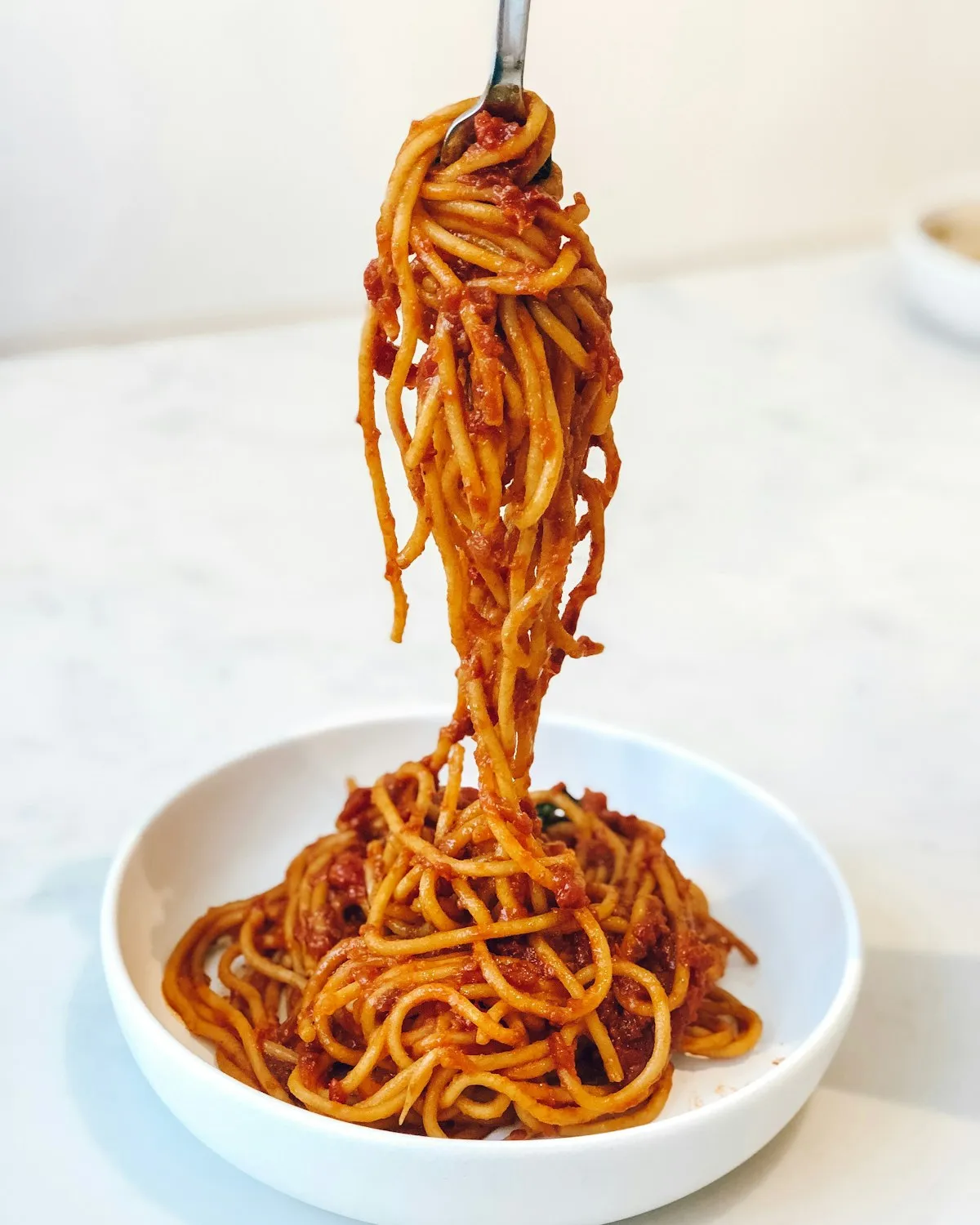
Add a splash of that murky pasta water to your tomato and oil base. The starch acts as a bridge, allowing the oil and the water-based tomato juice to emulsify. This turns a thin, watery sauce into a glossy coating that actually clings to the pasta. If your sauce looks oily or separated, toss in another tablespoon of water and keep the pan moving. Check the consistency constantly; it should look like silk, not a soup.
Salt Management
Between the olives, capers, and anchovies, this dish is naturally high in sodium. Be firm with your seasoning. Do not add salt to the sauce until the very final taste-test. In fact, you should salt your pasta water slightly less than usual for this specific recipe. The goal is balance, not a salt lick. The acidity from the tomatoes and the brine from the capers provide all the brightness you need.
Soulful Variations for Every Table
One of the reasons I love this dish is its versatility. While the classic version is a staple in my kitchen, you can easily pivot based on what’s in your pantry or your dietary needs.
If you need to boost the protein, a tin of high-quality oil-packed tuna stirred in at the very end is a game-changer. It keeps it within the realm of quick family meals without adding a single second of cooking time. For those following a keto lifestyle, swap the traditional wheat pasta for zucchini noodles or shirataki noodles. Just remember that "zoodles" release a lot of water, so sauté them separately for sixty seconds and drain them before tossing them into your sauce to avoid diluting that beautiful umami base.
Vegan? Skip the anchovies and use a teaspoon of white miso paste or a splash of soy sauce. It provides that same fermented "funk" and savory backbone without the seafood. If you're someone who loves variety and often looks for air fryer recipes dinner options, you can even roast some cherry tomatoes in the air fryer for 8 minutes at 400°F (200°C) and burst them into the pan for an extra layer of sweetness that cuts through the salt.
Perfect Pairings: Balancing the Bite
Because Puttanesca is so aggressive, in the best way possible, your side dishes should focus on cooling the palate and providing a crisp textural contrast.
A simple arugula salad is my go-to. The peppery bite of the greens stands up to the chili heat, while a simple lemon-olive oil dressing provides the acidity needed to cut through the oil-rich sauce. Avoid heavy, creamy dressings here; they’ll clash with the vibrant Mediterranean flavors.
If you’re not watching your carbs, a thick slice of crusty sourdough is non-negotiable. You’ll want something to mop up every last drop of that emulsified tomato oil at the bottom of the bowl. Toast it lightly with a rub of raw garlic to mirror the flavors in the pasta. It’s simple, soulful, and fills the gap between a light meal and a feast.
FAQ: Troubleshooting Your 15-Minute Masterpiece
What if I don't have canned tomatoes?
Use fresh cherry tomatoes! Slice them in half and toss them into the oil after the garlic. Sauté them on high heat for 3–4 minutes until they blister and release their juices. You might need a little extra pasta water to get the sauce to the right consistency, but the flavor will be even brighter. This is one of those healthy dinner ideas that works regardless of your pantry status.
Why is my sauce so oily?
You likely didn't use enough pasta water or didn't toss the pasta vigorously enough. The emulsion requires "agitation." Use tongs to vigorously swirl the pasta in the pan with a splash of starchy water over medium-high heat. You'll see the oil and tomato juice marry into a creamy, cohesive sauce before your eyes.
Can I use any pasta shape?
Spaghetti or linguine are traditional because their long, smooth surface area is perfect for the emulsified oil coating. However, if you only have penne or fusilli, go for it. The ridges in short pasta are great at catching the bits of chopped olives and capers. Just be sure to cook them one minute less than the package directions so they can finish "drinking" the sauce in the pan.
Is it okay to skip the chili?
If you’re sensitive to heat, yes. But the red pepper flakes in a Puttanesca aren't meant to burn; they're meant to provide a back-of-the-throat warmth that balances the salty olives. Start with just a tiny pinch. It transforms the dish from "tomato pasta" to "Puttanesca."
Can I make this ahead of time?
Pasta is always best served fresh, but the sauce itself can be made in bulk and refrigerated for up to three days. When you're ready to eat, boil your fresh pasta and reheat the sauce with a splash of that fresh pasta water to bring the emulsion back to life. It’s a great way to stay on track with your healthy dinner ideas during a hectic week.
{“@type”:”BlogPosting”,”image”:”https://cdn.marblism.com/Hljy77R6Tj2.webp”,”author”:{“name”:”Penny”,”@type”:”Person”},”@context”:”https://schema.org”,”headline”:”15-Minute Simple Puttanesca Pasta: Minimalist & Soulful”,”publisher”:{“logo”:{“url”:”https://cookpedia.com/logo.png”,”@type”:”ImageObject”},”name”:”Cookpedia”,”@type”:”Organization”},”articleBody”:”You’ve had one of those days… [full article content] …bring the emulsion back to life.”,”description”:”Discover how to make a soulful 15-minute Spaghetti alla Puttanesca using pantry staples. Learn the science of umami and the secret to a glossy pasta sauce.”,”datePublished”:”2026-06-19″,”mainEntityOfPage”:{“@id”:”https://cookpedia.com/15-minute-simple-puttanesca-pasta”,”@type”:”WebPage”}}