Recipe
Servings
Servings 1×
Ingredients
- Chicken
- Salmon
- Pasta
- Noodles
- Asparagus
- Spinach
- Peas
- Garlic
- Lemon
- Cream
- Hard cheese
- Butter
- Cooking oil
- Salt
- Black pepper
Method
- Use a mug to scoop out at least a cup before you drain the pot.
- Use the residual heat of the cooked pasta to melt the cheese gently.
- Use a very basic vinaigrette, just lemon juice, olive oil, and a pinch of flaky salt.
- Toss some woody-ended asparagus spears with garlic and lemon zest, then air fry for 6-8 minutes.
If you have fifteen minutes, you have a gourmet dinner. Seriously. There is something deeply soulful about a meal that requires almost zero effort but tastes like it belongs on a sun-drenched terrace in Sicily. This lemon ricotta pasta is my go-to when the day has been long, the fridge looks empty, and I need a "hug in a bowl" that doesn't involve a drive-thru. It’s light, bright, and impossibly creamy without using a single drop of heavy cream.
The Science of the Silk: Emulsion and Heat
Creating a sauce this luxurious in the same amount of time it takes to boil noodles requires a tiny bit of kitchen chemistry. You aren't just "mixing" cheese and pasta; you are building a starch-stabilized emulsion. Ricotta is a fresh, acid-set cheese made of fine curds. Left to its own devices, it can be a bit grainy. To transform it into a glossy sauce that clings to every strand of pasta, you must harness the power of your pasta water.
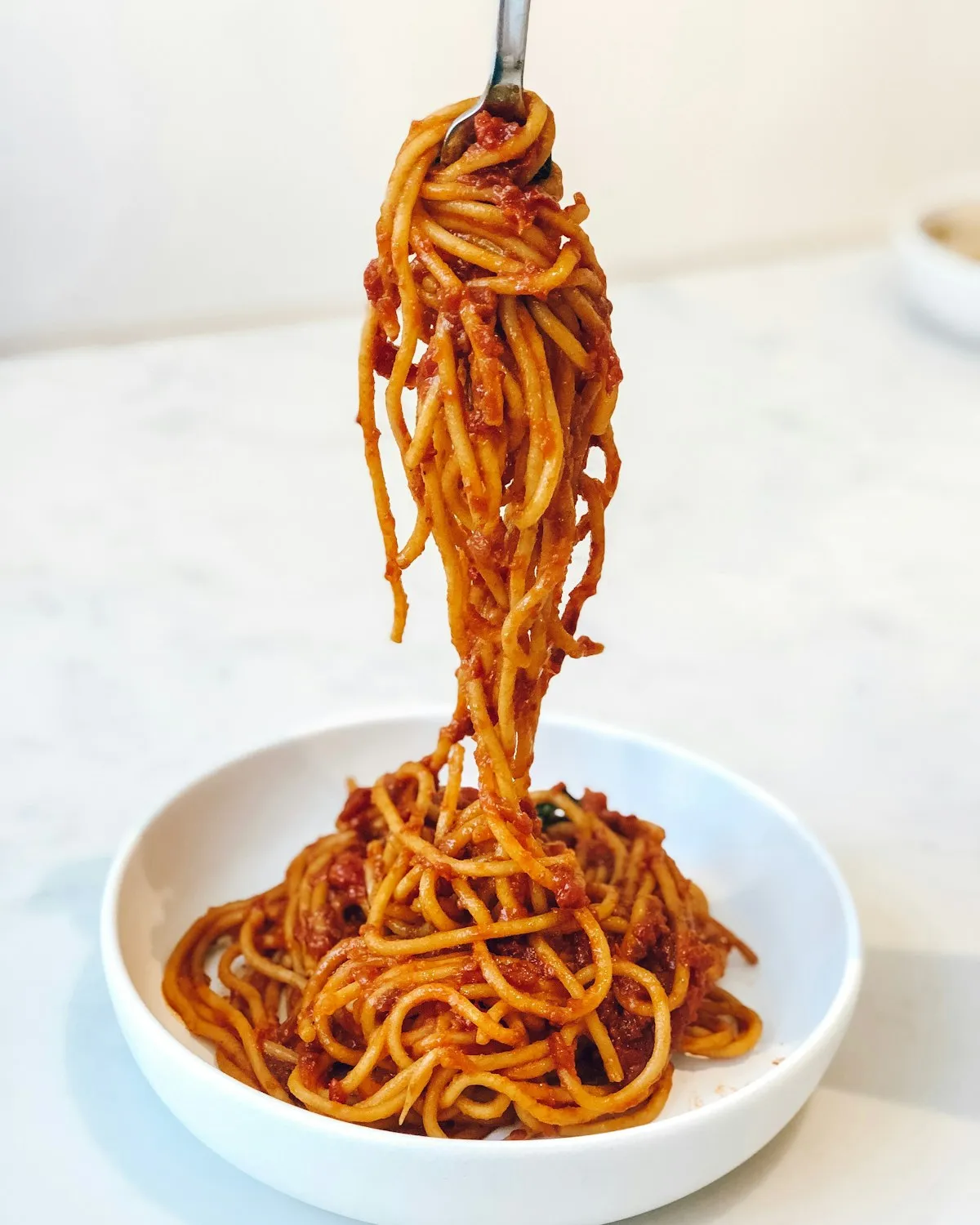
Respect the Starch
Don't you dare dump that cloudy pasta water down the drain! That water is liquid gold. It contains the released starches from the pasta which act as a bridge between the fats in the cheese and the liquid in the sauce. Use a mug to scoop out at least a cup before you drain the pot. When you whisk this hot, starchy liquid into your ricotta and parmesan, the starch particles swell and coat the tiny droplets of fat, preventing them from clumping together. This is the secret to a professional-grade finish for your quick family meals.
Manage Your Temperature
Avoid boiling the sauce once the ricotta is involved. High heat is the enemy of a smooth dairy sauce. If the pan is too hot, the proteins in the cheese will tighten up and push out the moisture, leaving you with a gritty, "broken" mess. Always combine your sauce components in a separate bowl first, or turn the burner to the absolute lowest setting before adding the pasta back into the pan. Use the residual heat of the cooked pasta to melt the cheese gently.
The Zest vs. Juice Dilemma
Understand that lemon juice is a powerful acid. While it adds the necessary "zing," adding too much too soon can curdle the milk proteins. Incorporate the zest into the cheese mixture early, it carries the aromatic oils without the acidity. Save the juice for the very end, tossing it through the pasta off the heat. This keeps the flavor bright and the texture velvety. If you love these types of shortcuts, you should also check out my viral garlic butter ramen hack for another fast favorite.
Creative Variations for Every Mood
The beauty of a minimalist base is that it acts as a canvas. While I love the simplicity of the original, you can easily pivot this into several healthy dinner ideas depending on what’s in your pantry.
- The Green Goddess: Toss in a handful of frozen peas or baby spinach during the last minute of the pasta's boiling time. The heat will blanch the greens perfectly, adding a pop of color and a boost of nutrients without extra pans.
- The Protein Boost: If you have leftover grilled chicken or a can of high-quality tuna, flake it in at the end. For a truly elevated experience, serve this alongside some crispy salmon. The richness of the fish pairs beautifully with the citrusy cheese.
- The Nutty Crunch: Toasted pine nuts or crushed walnuts add a sophisticated textural contrast. If you’re feeling bold, a sprinkle of red pepper flakes provides a "back-of-the-throat" heat that cuts through the creaminess.
Perfect Pairings: Balancing the Plate
Because this dish is rich and creamy, you want side dishes that offer high acidity and a sharp "crunch" to cleanse the palate between bites.
Arugula and Fennel Salad
A simple bed of peppery arugula with thinly shaved fennel is my favorite companion. Use a very basic vinaigrette, just lemon juice, olive oil, and a pinch of flaky salt. The bitterness of the greens balances the sweetness of the ricotta.
Air-Fried Asparagus
If you want something warm but effortless, look toward your air fryer recipes dinner staples. Toss some woody-ended asparagus spears with garlic and lemon zest, then air fry for 6-8 minutes. The charred tips provide an earthy depth that complements the bright pasta sauce perfectly. Avoid heavy, buttery sides; you already have plenty of luxury in the main bowl.
FAQ: Troubleshooting Your Pasta
What if my sauce looks dry or clumpy?
Don't panic. This usually happens because the pasta absorbed the liquid too quickly or the heat was a bit too high. Add more hot pasta water, one tablespoon at a time, and toss vigorously. The mechanical action of tossing, combined with the hot starch, will re-emulsify the sauce.
Can I use low-fat ricotta?
You can, but I wouldn't recommend it if you want that "soulful" experience. Low-fat ricotta has a higher water content and less structural integrity, which often leads to a grainier sauce. Whole-milk ricotta is the non-negotiable for a silky finish.
Which pasta shape is best?
Choose a shape with plenty of surface area or "nooks." Fusilli, conchiglie (shells), or farfalle (bowties) are excellent because the ricotta sauce gets trapped in the ridges. If you prefer long noodles, linguine is a better choice than spaghetti as it offers a wider "ribbon" for the sauce to cling to.
Can I make this ahead of time?
Ideally, no. Ricotta-based sauces are best enjoyed immediately. As the pasta cools, it continues to absorb moisture, and the emulsion will eventually break, leading to a stiff, dry texture. If you must reheat leftovers, do so gently on the stovetop with a fresh splash of water or milk to loosen the sauce back up.
Why is my sauce bland even though I followed the rules?
Check your salt. Pasta water should be "salty like the sea." If the noodles aren't seasoned from the inside out, the sauce has to work twice as hard. Also, ensure you are using freshly grated Parmesan: the stuff in the green can won't melt correctly and lacks the complex umami needed to balance the lemon. For more minimalist tips, see my guide on one-pan cacio e pepe.
{“@type”:”BlogPosting”,”image”:”https://cdn.marblism.com/dG9wPw-C6fd.webp”,”author”:{“name”:”Penny”,”@type”:”Person”},”@context”:”https://schema.org”,”headline”:”15-Minute Lemon Ricotta Pasta: Minimalist & Soulful”,”publisher”:{“logo”:{“url”:”https://cdn.marblism.com/k2vqudiwwUL.webp”,”@type”:”ImageObject”},”name”:”Cookpedia”,”@type”:”Organization”},”mainEntity”:[{“name”:”What if my sauce looks dry or clumpy?”,”@type”:”Question”,”acceptedAnswer”:{“text”:”Add more hot pasta water, one tablespoon at a time, and toss vigorously. The mechanical action and hot starch will re-emulsify the sauce.”,”@type”:”Answer”}},{“name”:”Can I use low-fat ricotta?”,”@type”:”Question”,”acceptedAnswer”:{“text”:”Whole-milk ricotta is recommended for a silky finish. Low-fat versions have higher water content and often result in a grainier texture.”,”@type”:”Answer”}},{“name”:”Which pasta shape is best?”,”@type”:”Question”,”acceptedAnswer”:{“text”:”Shapes with ridges or nooks like fusilli, shells, or farfalle are best for trapping the creamy ricotta sauce.”,”@type”:”Answer”}}],”description”:”Discover how to make a silky 15-minute lemon ricotta pasta using the science of starch-stabilized emulsions. Perfect for quick family meals and healthy dinner ideas.”,”datePublished”:”2026-06-19″,”mainEntityOfPage”:{“@id”:”https://cookpedia.com/15-minute-lemon-ricotta-pasta”,”@type”:”WebPage”}}