Recipe
Servings
Servings 1×
Ingredients
- Chicken
- Pasta
- Tortillas
- Bread
- Broccoli
- Spinach
- Onion
- Garlic
- Lemon
- Lime
- Cream
- Butter
- Cooking oil
Method
- Prepare the ingredients described in the article and heat the cooking surface or oven as directed.
- Cook the main ingredients using the heat and timing guidance in the article.
- Finish with the seasonings and garnishes named in the article, then serve.
If you’re anything like me, your kitchen often feels like a high-stakes episode of a cooking show where the timer is permanently set to “yesterday.” We all want those soulful, deep flavors that usually take hours to develop, but let’s be real, sometimes we only have fifteen minutes before the hunger-induced grumpiness sets in. Enter my current obsession: the one-pot creamy Cajun chicken pasta. It’s spicy, it’s decadent, and it’s a total lifesaver for anyone looking for easy dinner recipes that don't result in a mountain of dishes.
This isn’t just a "throw everything in and hope for the best" situation. This is a strategic, science-backed approach to cooking that maximizes flavor while minimizing your cleanup time. By cooking everything in a single vessel, we’re capturing every bit of flavor from the chicken and the spices, and using the pasta’s own starch to create a sauce so silky you’d swear there’s a professional chef hiding in your pantry.
The Science of the "One-Pot" Magic
The secret to a truly elite one-pot pasta isn’t just about convenience; it’s about starch management. When you boil pasta in a giant pot of water and drain it, you’re literally pouring the "liquid gold", that starchy water, down the drain. In this recipe, we use a calculated amount of liquid so that as the pasta cooks, it releases amylose and amylopectin (starch molecules) directly into the sauce.
This starch acts as a natural emulsifier. If you’ve ever had a creamy sauce "split" or turn greasy, it’s usually because the fat and the water aren't playing nice. The starch molecules wrap around the fat droplets from the cream and the chicken, keeping them suspended in the liquid. The result? A sauce that clings to every ridge of your pasta like it’s found its soulmate.
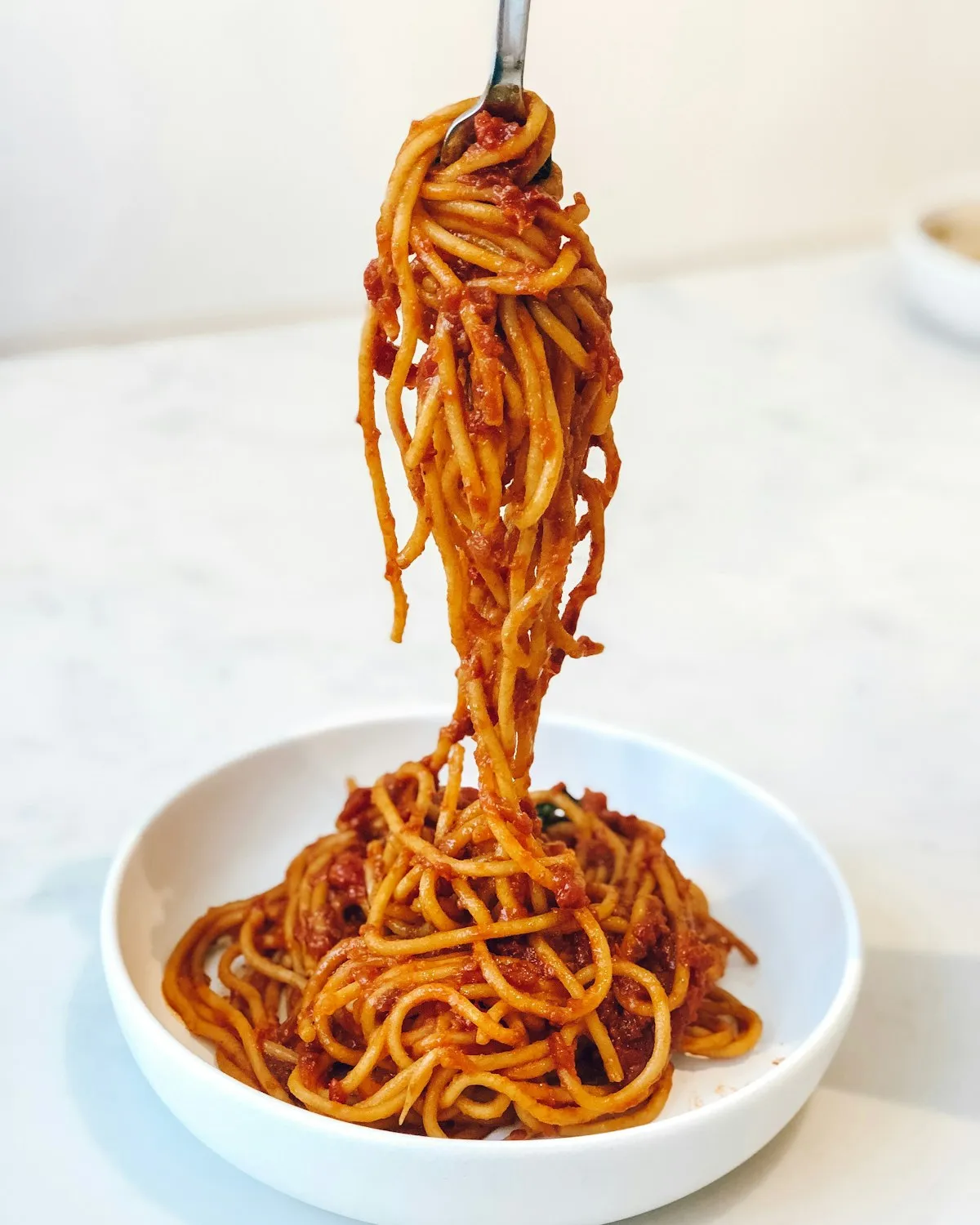
Before you even add the liquid, though, you have to respect the Maillard reaction. This is the chemical reaction between amino acids and reducing sugars that gives browned food its distinctive, savory flavor. When you sear your Cajun-spiced chicken, don’t move it around too much. Let it develop that golden-brown crust. Those little brown bits stuck to the bottom of the pan? That’s called "fond," and it’s the foundation of your flavor profile. When you add your liquid, those bits dissolve, infusing the entire pot with a smoky, spicy depth that you just can't get from a jarred sauce.
One pro tip: if you’re looking to lighten things up or want to experiment with your kitchen gadgets, you can actually prep your chicken separately. I’ve found that using air fryer recipes dinner style for the protein can give the chicken a fantastic "char" while the pasta simmers on the stove. It’s one of those healthy dinner ideas that keeps the texture interesting without adding extra oil to the pot.
Flavor Variations and Heat Control
Cajun seasoning is a bold mistress. It usually involves a heavy-handed mix of garlic powder, onion powder, paprika, cayenne, and thyme. However, not everyone wants their mouth to feel like a literal fireplace. If you’re cooking for a crowd that prefers things a bit milder, you can easily tweak the profile.
For a "Cajun-lite" version, try substituting half of the Cajun spice with smoked paprika. You still get that beautiful deep red color and the smokiness, but with significantly less "kick." On the flip side, if you live for the burn, don't just add more spice at the end, bloom it. "Blooming" means sautéing your dry spices in a little bit of fat (butter or oil) for about 30 seconds before adding your liquid. This releases the fat-soluble flavor compounds in the spices, making the heat feel more integrated and complex rather than just sharp.
If you’re looking for quick family meals that please everyone, consider a vegetable-forward variation. Bell peppers and onions are the traditional "holy trinity" of Cajun cooking (minus the celery for this pasta), but don't be afraid to throw in some baby spinach at the very last second. The residual heat will wilt the spinach in seconds, adding a pop of color and a nutritional boost without changing the cook time.
Perfect Pairings: Balancing the Richness
Because this dish is unapologetically rich and creamy, you need something to cut through that weight. Think of it like a seesaw, on one side you have the heavy cream and savory chicken, so on the other side, you need acidity and freshness.
A simple arugula salad with a lemon-vinaigrette is my go-to. The peppery bite of the arugula and the sharp acid from the lemon cleanse your palate between bites of the decadent pasta. Avoid heavy, creamy dressings like Ranch or Caesar here; you already have plenty of creaminess in the main event.
If you want to stay in the "soulful" lane, a quick side of garlic bread is non-negotiable. Use the bread to mop up any leftover sauce at the bottom of the bowl, because leaving that starchy, spicy goodness behind should be a crime. If you're focusing on healthy dinner ideas, a side of roasted broccoli with a squeeze of lime also works wonders, as the charred edges of the broccoli complement the smoky Cajun spices perfectly.
FAQ: Mastering the One-Pot Method
What if my sauce is too thin after the pasta is cooked?
Don't panic. If you followed the instructions and the sauce looks more like soup, just let it simmer uncovered for an extra two minutes. The evaporation will concentrate the liquid, and the starch will continue to thicken as it cools slightly. Alternatively, you can stir in an extra tablespoon of Parmesan cheese; the proteins in the cheese will help bind the sauce almost instantly.
Can I use a different pasta shape?
Technically, yes, but physics matters. Short, ridged pastas like penne, rotini, or fusilli are the champions of simple pasta recipes because their nooks and crannies are designed to "catch" the sauce. Long noodles like spaghetti can work, but they tend to clump more easily in a one-pot environment. If you do go the long-noodle route, you’ll need to stir much more frequently to prevent a pasta-brick situation.
How do I prevent the cream from curdling?
Curdling happens when the proteins in the dairy are shocked by high heat or high acidity. To keep things smooth, make sure your cream is at least room temperature before adding it, and turn the heat down to low. Never let the pot reach a rolling boil once the dairy is in. If you’re worried, use heavy cream instead of half-and-half; the higher fat content makes it much more stable and resistant to curdling.
Can I make this dairy-free?
Absolutely. For a soulful dairy-free version, swap the heavy cream for full-fat canned coconut milk. You’ll get the same luxurious mouthfeel, and the slight sweetness of the coconut actually pairs beautifully with the heat of the Cajun spices. Just be sure to use the thick part from the top of the can for maximum creaminess.
What if the chicken is done before the pasta?
This is a common worry with quick family meals. In the one-pot method, the chicken simmers alongside the pasta, which actually keeps it incredibly moist. Because it's cut into small cubes, it won't overcook into "rubber" territory as long as you have enough liquid in the pot to keep the temperature regulated.
Is it okay to use pre-shredded cheese?
If you’re in a massive rush, sure. But if you have an extra 60 seconds, grate it yourself. Pre-shredded cheese is coated in potato starch or cellulose to prevent clumping in the bag, which can make your sauce feel grainy or "gloppy." Freshly grated cheese melts into the sauce much more elegantly.
{“@type”:”FAQPage”,”@context”:”https://schema.org”,”mainEntity”:[{“name”:”What if my sauce is too thin after the pasta is cooked?”,”@type”:”Question”,”acceptedAnswer”:{“text”:”Simmer the sauce uncovered for an extra two minutes to allow for evaporation, or add a tablespoon of Parmesan cheese to help bind the liquid.”,”@type”:”Answer”}},{“name”:”Can I use a different pasta shape?”,”@type”:”Question”,”acceptedAnswer”:{“text”:”Yes, but short, ridged shapes like penne or rotini are best for catching the creamy sauce. Long noodles like spaghetti require more frequent stirring to prevent clumping.”,”@type”:”Answer”}},{“name”:”How do I prevent the cream from curdling?”,”@type”:”Question”,”acceptedAnswer”:{“text”:”Use room-temperature heavy cream and add it over low heat. Avoid bringing the sauce to a boil once the dairy has been added.”,”@type”:”Answer”}},{“name”:”Can I make this dairy-free?”,”@type”:”Question”,”acceptedAnswer”:{“text”:”Yes, substitute heavy cream with full-fat canned coconut milk for a similar creamy texture and a flavor that complements the Cajun spices.”,”@type”:”Answer”}}]}