Recipe
Servings
Servings 1×
Ingredients
- Salmon
- Quinoa
- Rice
- Cauliflower
- Broccoli
- Asparagus
- Cucumber
- Garlic
- Fresh ginger
- Lemon
- Lime
- Honey
- Cooking oil
- Soy sauce or tamari
- Sesame
- Chili seasoning
- Salt
- Black pepper
Method
- Use a paper towel to pat away every drop of moisture.
- Use an instant-read thermometer to avoid the tragedy of dry, chalky fish.
- Whisk in a tablespoon of fresh lime juice instead of lemon.
There is something deeply soulful about a dinner that takes less time to cook than it does to scroll through your social media feed. My kitchen is often a whirlwind of experiments, but when the Tuesday-night fatigue hits, I return to this: the honey garlic glazed salmon. It is the ultimate "low effort, high reward" meal. You get crispy edges, a sticky-sweet sauce that clings to every flake, and a buttery interior that melts in your mouth. It’s exactly what you need when you want something that feels like a celebration but fits into a chaotic weeknight schedule.
The Science of the Perfect Sear and Glaze
Creating a restaurant-quality glaze isn't magic; it’s chemistry. When you introduce honey to a hot pan, you aren't just heating it; you are initiating a process called caramelization. This happens when the sugars in the honey break down under high heat, turning from simple sweetness into a complex, nutty, and slightly bitter amber liquid that thickens as the water evaporates. This is why the glaze goes from "watery" to "sticky" in a matter of seconds.
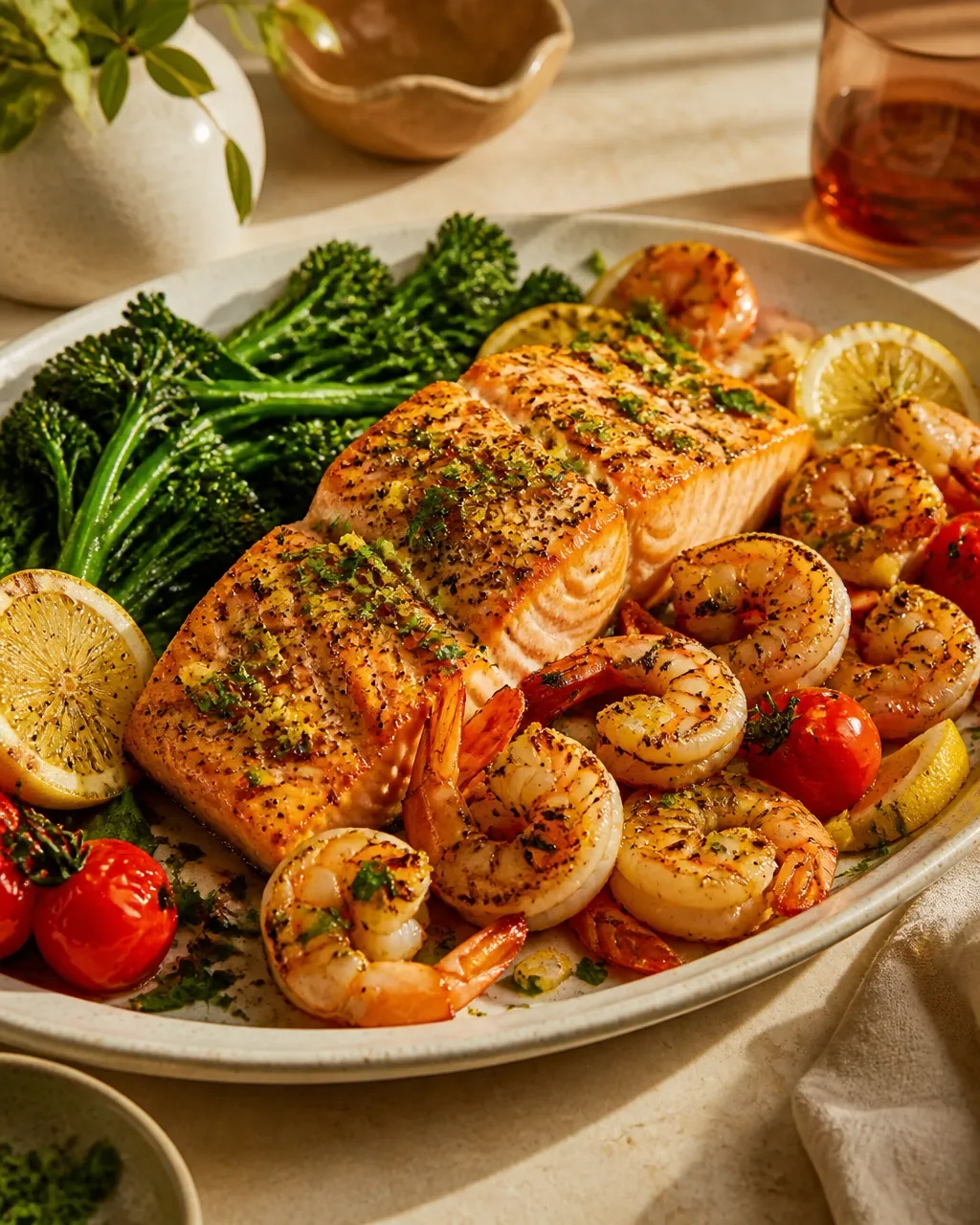
However, the real secret to a flavorful crust lies in the Maillard reaction. This is the chemical reaction between the proteins in your salmon and the sugars in your glaze. To maximize this, dry your salmon thoroughly before it ever touches the pan. Use a paper towel to pat away every drop of moisture. Water is the enemy of a good sear: if the fish is wet, it will steam rather than brown, and you’ll miss out on those savory, toasted flavor notes.
Once the salmon hits the pan, leave it alone. Do not poke it. Do not slide it around. It needs constant contact with the hot surface to develop that golden-brown crust. When you eventually add your honey-garlic mixture, the sauce will reduce quickly. Watch the bubbles. As the water leaves the sauce, the bubbles will become larger and slower. This is your cue that the glaze has reached peak viscosity. Spoon the sauce over the fish repeatedly in the final minute. This basting technique creates a lacquered finish that makes the dish look like it belongs in a professional kitchen.
The internal temperature is the final frontier of salmon science. For a silky, tender texture that flakes under the slightest pressure, aim for an internal temperature of 125°F to 130°F. If you prefer your fish firm and fully opaque, cook it to 145°F. Remember that carryover cooking is real; the temperature will continue to rise by a few degrees even after you take it off the heat. Use an instant-read thermometer to avoid the tragedy of dry, chalky fish. It’s the difference between a good meal and a great one.
Simple Variations to Keep it Fresh
While the classic honey-garlic combo is a powerhouse, you can easily tweak the profile to suit your mood. If you find the glaze a bit too sweet, add a teaspoon of sriracha or red pepper flakes. The capsaicin in the chili cuts right through the sugar, creating a spicy-sweet balance that is incredibly addictive. For those looking for healthy dinner ideas, try swapping the soy sauce for tamari or coconut aminos to keep things gluten-free while maintaining that essential salty umami base.
Another brilliant shift is the citrus route. Whisk in a tablespoon of fresh lime juice instead of lemon. The acidity of lime is sharper and pairs beautifully with a dash of ginger. If you are a fan of air fryer recipes dinner enthusiasts, you can actually adapt this glaze for the basket. Just be sure to apply the glaze halfway through the cooking time to prevent the sugars from burning in the intense circulating heat of the air fryer.
For a deeper, more savory profile, stir in a teaspoon of white miso paste into your honey. Miso is a fermented powerhouse that adds a layer of "fifth taste" (umami) that makes the garlic pop. It transforms the sauce from a simple glaze into something much more robust and "chef-y." No matter which variation you choose, the goal remains the same: balance the sweetness of the honey with salt, acid, and a bit of heat.
Soulful Pairings for a Balanced Plate
A rich, sticky salmon needs a sidekick that can handle the intensity of the glaze. My go-to is always a bed of fluffy jasmine rice or quinoa. These grains act like a sponge, soaking up every extra drop of that honey-garlic goodness. If you're looking for quick family meals that are also low-carb, cauliflower rice is a fantastic substitute. It provides a similar texture while keeping the meal light.
To balance the richness of the fish, you need something green and bright. Steam some broccoli or quick-sauté some asparagus with a little salt and lemon. The slight bitterness of green vegetables provides a necessary counterpoint to the sugary glaze. For a more "soulful" touch, a simple cucumber salad with rice vinegar and sesame oil offers a cooling, crunchy contrast that cleanses the palate between bites. If you have a few extra minutes, roast some Brussels sprouts until the outer leaves are charred; they share a similar caramelization profile with the salmon and make for a very cohesive plate.
Frequently Asked Questions
Can I use frozen salmon for this recipe?
Absolutely, but with a caveat. Thaw the salmon completely in the refrigerator overnight before cooking. If you try to cook it from frozen, the outside will burn before the middle is even lukewarm. Once thawed, ensure you pat it extra dry, as frozen fish often releases more moisture than fresh.
What if my sauce gets too thick or burns?
Sugar moves fast. If your glaze reduces too quickly and looks like it's turning into hard candy, add a tablespoon of water or broth immediately to loosen it up. Turn down the heat. If it has already blackened and smells like burnt toast, it’s best to scrape it out and start the sauce over: garlic becomes incredibly bitter when burnt, and it will ruin the delicate flavor of the fish.
Can I make this ahead of time for meal prep?
Salmon is best enjoyed fresh, but it can work for healthy dinner ideas the next day. Store it in an airtight container for up to two days. When reheating, avoid the microwave if possible, as it tends to make the fish rubbery. Instead, warm it in a pan over low heat with a splash of water and a lid, or use an air fryer at 300°F for 3-4 minutes to revive the glaze.
Is there a substitute for honey?
If you’re out of honey, maple syrup is your best friend. It has a similar sugar content and will caramelize just as well, though it will add a distinct "woodsy" flavor to the dish. Brown sugar also works in a pinch, though you may need to add a splash of liquid to help it dissolve into a cohesive glaze.
How do I prevent the skin from sticking?
The most common mistake is trying to flip the fish too early. Wait for the salmon to release naturally from the pan. When the proteins have seared and formed a crust, the fish will literally "unstuck" itself. If you’re pulling and it’s resisting, it’s not ready. Give it another thirty seconds and try again. Also, make sure your pan is properly preheated before the fish ever touches it.
For more inspiration on fast, flavor-packed meals, check out our 15-minute teriyaki beef stir-fry or explore our full collection of quick meals for your next busy night.
{“@type”:”BlogPosting”,”image”:”https://cdn.marblism.com/9y3zuzgc1fv.webp”,”author”:{“name”:”Penny”,”@type”:”Person”},”@context”:”https://schema.org”,”headline”:”15-Minute Honey Garlic Glazed Salmon”,”publisher”:{“logo”:{“url”:”https://cookpedia.com/logo.png”,”@type”:”ImageObject”},”name”:”Cookpedia”,”@type”:”Organization”},”mainEntity”:{“@type”:”FAQPage”,”mainEntity”:[{“name”:”Can I use frozen salmon for this recipe?”,”@type”:”Question”,”acceptedAnswer”:{“text”:”Yes, but thaw it completely in the refrigerator and pat it extra dry to ensure a good sear.”,”@type”:”Answer”}},{“name”:”What if my sauce gets too thick or burns?”,”@type”:”Question”,”acceptedAnswer”:{“text”:”Add a tablespoon of water or broth immediately to loosen it. If it burns, it’s best to restart the sauce to avoid bitterness.”,”@type”:”Answer”}},{“name”:”Can I make this ahead of time for meal prep?”,”@type”:”Question”,”acceptedAnswer”:{“text”:”Yes, it keeps for two days. Reheat gently in a pan or air fryer rather than a microwave for the best texture.”,”@type”:”Answer”}}]},”description”:”Learn the science behind the perfect 15-minute honey garlic glazed salmon. A quick, healthy dinner idea perfect for busy weeknights.”,”datePublished”:”2026-07-07″,”mainEntityOfPage”:{“@id”:”https://cookpedia.com/recipe/15-minute-honey-garlic-salmon”,”@type”:”WebPage”}}