Recipe
Servings
Servings 1×
Ingredients
- Tofu
- Quinoa
- Rice
- Eggs
- Broccoli
- Carrots
- Spinach
- Kale
- Garlic
- Fresh ginger
- Lime
- Cooking oil
- Sesame
- Black pepper
Method
- Prepare the ingredients described in the article and heat the cooking surface or oven as directed.
- Cook the main ingredients using the heat and timing guidance in the article.
- Finish with the seasonings and garnishes named in the article, then serve.
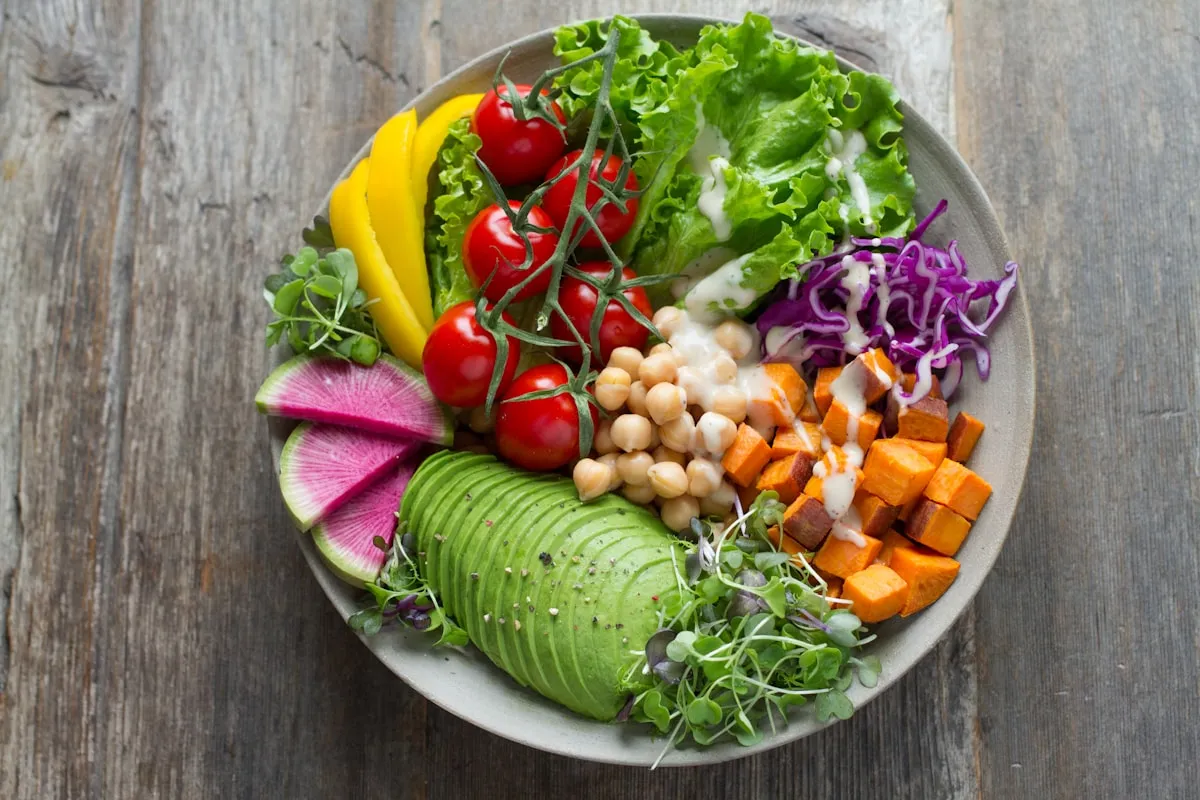
You know that 6:00 PM feeling where your stomach is growling, the kids are asking "what’s for dinner?" for the tenth time, and your energy is at an all-time low? I've been there more times than I care to admit. Usually, this is when the takeout menu starts looking like a piece of fine art. But before you reach for your phone, let me introduce you to the ultimate plant-based dinner ideas: the tofu scramble. This isn't just a breakfast staple; when you infuse it with the zing of fresh ginger and the nutty depth of sesame, it becomes a sophisticated, protein-packed powerhouse that rivals any stir-fry.
The Science of the Perfect Scramble
To master this dish in record time, you need to understand the physics of the tofu block. Tofu is essentially a sponge held together by soy proteins. If you want it to absorb flavors rather than just sitting in a puddle of its own water, you must address the moisture content. I always advocate for pressing your tofu, even if you only have five minutes. By applying pressure, you’re forcing out the water held in the protein matrix through osmosis and physical displacement. This creates "room" for your sesame-ginger sauce to move in. Use a heavy skillet or a dedicated press, but don't skip this. If you leave the water in, the tofu will steam instead of sear, and you'll lose that beautiful golden texture.
When it comes to the crumble, ditch the knife. Use your hands or a potato masher to break the block into irregular, jagged pieces. Why? Surface area. A smooth cube has limited real estate for seasoning to cling to. An irregular, craggy piece of crumbled tofu has exponentially more surface area, allowing the ginger and soy to settle into every nook and cranny. This is the secret to quick family meals that actually taste like they took an hour to simmer.
Temperature management is your next hurdle. Tofu has a high water content even after pressing, so you need a hot pan to encourage rapid evaporation. Aim for a medium-high heat that makes the tofu sizzle the moment it hits the oil. This triggers the Maillard reaction: the chemical reaction between amino acids and reducing sugars that gives browned food its distinctive, savory flavor. Without enough heat, your scramble will stay pale and bland. Watch the pan closely; you want the edges to get slightly crisp and golden, providing a textural contrast to the soft interior.
Don't underestimate the chemistry of your aromatics. Fresh ginger and garlic contain volatile oils that are released the moment they hit heat. However, ginger is fibrous and can burn quickly. Grate it finely to break down those fibers and ensure it distributes evenly through the scramble. Avoid using the bottled, pre-minced stuff if you can help it; the preservation process dulls the "bite" of the ginger, which is the heart of this dish.
Elevating Your Plant-Based Dinner Ideas
While a basic scramble is great, the beauty of 15 minute meals is their versatility. If you want to turn this into a one-pan wonder, start thinking about color and texture. I love tossing in a handful of shredded carrots or finely diced bell peppers. These vegetables add a natural sweetness that balances the sharp ginger. If you're looking for more healthy dinner ideas, fold in a few cups of fresh baby spinach or kale at the very end. The residual heat from the tofu will wilt the greens in seconds, preserving their vibrant color and nutritional integrity without turning them into mush.
For those who crave heat, a drizzle of Sriracha or a pinch of red pepper flakes is a game-changer. The capsaicin in the peppers plays beautifully with the warmth of the ginger. If you’re feeling adventurous, try experimenting with the type of tofu. While extra-firm is the gold standard for a "meaty" scramble, firm tofu offers a softer, more traditional "egg-like" texture. Just be aware that firm tofu requires a bit more care in the pan to avoid turning it into a puree.
Balancing the Plate with Side Dish Pairings
A great meal is all about balance. The sesame oil and tofu are inherently rich and savory, so you need something to cut through that density. I always serve my scramble with a side of steamed greens, like bok choy or broccolini. A quick splash of rice vinegar or a squeeze of lime juice over the greens provides the necessary acidity to cleanse the palate between bites.
For a heartier meal, serve the scramble over a bed of fluffy brown rice or quinoa. The grains soak up any extra ginger-sesame sauce, ensuring not a drop of flavor goes to waste. If you're in a rush, even a slice of toasted sourdough works surprisingly well, acting as a vessel for the scramble. Check out our collection of Cooking Guides for more tips on perfecting your grain-to-water ratios for the ultimate side dish.
Frequently Asked Questions
Why does my tofu scramble always turn out soggy?
This is almost always a moisture issue. Either you didn't press the tofu long enough, or you overcrowded the pan. When you put too much tofu in a small skillet, the temperature drops and the water that escapes has nowhere to go, so the tofu boils in its own juices. Cook in batches if necessary, and ensure your pan is piping hot before you start.
Can I make this ahead of time for meal prep?
Absolutely. Tofu scramble actually holds up quite well in the fridge for 3–4 days. In fact, some people argue it tastes better the next day because the ginger and garlic have more time to permeate the tofu. To reheat, just pop it back in a skillet for a few minutes to crisp up the edges again, or use a microwave if you're at the office.
How do I get that classic "yellow" egg look?
A tiny pinch of turmeric is all you need. It doesn't add much flavor in small quantities, but the pigment is incredibly strong. Be careful not to overdo it, or your scramble will take on an earthy, slightly bitter curry-like flavor that might clash with the ginger and sesame.
Is there a way to make it taste more like real eggs?
If you're transitionining to more plant-based dinner ideas and miss the sulfurous taste of eggs, look for "Kala Namak," also known as Himalayan Black Salt. It has a high sulfur content that mimics the smell and taste of eggs perfectly. Add it at the very end of cooking, as the heat can diminish its potency.
What if I don't have fresh ginger?
In a pinch, you can use ground ginger, but use it sparingly. Ground ginger is much more concentrated and lacks the bright, citrusy notes of fresh root. Use about half a teaspoon of ground ginger for every tablespoon of fresh called for, and whisk it into your liquid seasoning rather than sautéing it.
My sesame oil smells a bit off: is it still okay to use?
Sesame oil has a high fat content and can go rancid if stored in a warm place or kept too long. If it smells "paint-like" or bitter rather than nutty, toss it. To keep your oil fresh, store it in a cool, dark cupboard or even the refrigerator. Since it's used as a finishing oil, quality is paramount.
Can I use silken tofu for this?
You can, but the result will be more like a soft, custardy mess than a "scramble." It’s a different vibe entirely: more like a savory tofu pudding. If you go this route, be extremely gentle when stirring and don't expect any crispy edges. It's better suited for a breakfast bowl than a hearty dinner.