Recipe
Servings
Servings 1×
Ingredients
- Chicken
- Tofu
- Lentils
- Chickpeas
- Rice
- Bread
- Cauliflower
- Carrots
- Spinach
- Kale
- Cucumber
- Tomatoes
- Onion
- Garlic
- Fresh ginger
- Lemon
- Lime
- Coconut milk
Method
- Use a small amount of oil or ghee and heat your whole spices first.
- Keep it low and slow once the liquid is added.
- Serve your curry over a bed of fluffy basmati rice or with a side of warm, charred flatbread.
- Use the bread as a vessel to scoop up every last drop of that liquid gold.
- Add a splash of water or a bit more coconut milk to restore that original creamy texture.
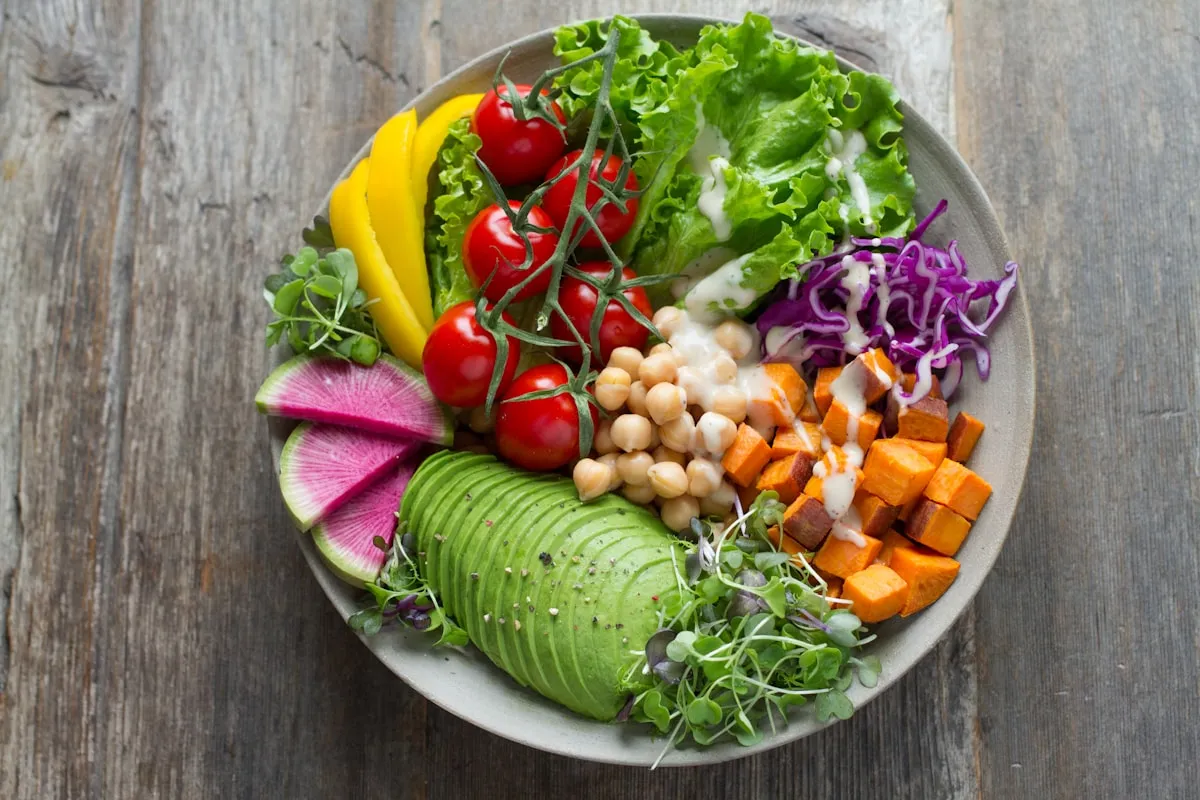
If you are looking for a meal that feels like a warm hug in a bowl, you have found it. There is something deeply satisfying about watching a few humble pantry staples transform into a rich, aromatic masterpiece with very little effort on your part. This one-pot creamy coconut curry lentil dish is my go-to for those evenings when the clock is ticking, but my soul is demanding something more substantial than a piece of toast. It is the ultimate solution for quick family meals that don't skimp on depth or nutrition.
The Science of Flavor: Why We Bloom
Most home cooks make the mistake of simply tossing their spices into the liquid and hoping for the best. Stop doing that immediately. To unlock the true potential of your curry, you must understand the concept of "blooming." Many of the flavorful compounds in spices like cumin, coriander, and turmeric are fat-soluble, not water-soluble. This means that if you boil them in water or broth, you are only scratching the surface of their flavor profile.
Use a small amount of oil or ghee and heat your whole spices first. Watch for the cumin seeds to sizzle and dance; this is the signal that the heat is breaking down the cellular structure of the spice, releasing essential oils into the fat. Only then should you add your aromatics like onion, ginger, and garlic. By coating these aromatics in the spice-infused oil, you are layering flavor from the bottom up. This is the difference between a flat, one-dimensional stew and a vibrant, restaurant-quality curry.
Check your spices for freshness before you begin. If that jar of turmeric has been sitting in your cupboard since the last solar eclipse, it has likely lost its punch. Rub a little between your fingers and sniff; if the aroma is faint, double the amount or buy a fresh jar. Remember, we are building a foundation here. If the foundation is weak, the whole dish falls apart.
Texture Mastery: Starch Meets Fat
The creaminess of this dish doesn’t just come from the coconut milk; it is a scientific collaboration between the lentils and the fat. Red lentils are particularly well-suited for this because they lack a tough outer skin, meaning they break down and release their starches into the cooking liquid. This starch acts as a natural thickener, creating a velvety base that binds the coconut milk to the other ingredients.
Avoid over-rinsing your red lentils. While you want to wash away any dust or debris, you don’t want to strip them of every last bit of surface starch. That starch is your secret weapon for achieving a cohesive emulsion. When you finally pour in that thick coconut milk, the starches help stabilize the fat globules, preventing the sauce from "breaking" or looking oily.
Maintain a gentle simmer throughout the process. Hard boiling will cause the lentils to disintegrate too quickly and can scorch the delicate sugars in the coconut milk. Keep it low and slow once the liquid is added. This patience allows the flavors to meld and the lentils to reach that perfect "al dente but creamy" state. If the mixture becomes too thick, add a splash of water or vegetable broth to loosen it up, but do it gradually. You can always add more liquid, but taking it away is much harder.
Spice Up Your Life: Variations to Try
The beauty of this recipe lies in its flexibility. While the base is perfection, you can easily pivot based on what you have in your fridge. If you want more crunch, toss in some diced cauliflower or carrots during the initial sauté phase. The cauliflower, in particular, acts as a sponge for the curry sauce, making it one of my favorite healthy dinner ideas when I want to bulk up a meal without adding extra calories.
For those who prefer a bit of a kick, stir in a spoonful of red curry paste along with your dry spices. The acidity in the paste will brighten the dish and provide a sharp contrast to the creamy coconut. If you are leaning into a more Mediterranean vibe, swap the curry powder for smoked paprika and cumin, and finish with a heavy squeeze of lemon instead of lime.
If you are a fan of greens, fold in a few handfuls of fresh spinach or kale during the last two minutes of cooking. The residual heat will wilt the greens perfectly without turning them into a mushy mess. This is a great way to sneak extra nutrients into your diet while maintaining that soulful, plant-based focus we love at Cookpedia.
Perfect Partners: Side Dish Pairings
While these lentils are a powerhouse on their own, the right side dish can take the meal from "great" to "extraordinary." Balance is the keyword here. Since the lentils are rich and creamy, you want something with acidity or a different texture to cleanse the palate.
A simple cucumber and red onion salad dressed in rice vinegar and a pinch of sugar provides the necessary sharpness to cut through the coconut fat. Alternatively, if you have an air fryer, you should look into air fryer recipes dinner enthusiasts swear by, like crispy spiced chickpeas or air-fried cauliflower. The intense, dry heat of the air fryer provides a charred, crispy texture that contrasts beautifully with the soft lentils.
Serve your curry over a bed of fluffy basmati rice or with a side of warm, charred flatbread. Use the bread as a vessel to scoop up every last drop of that liquid gold. If you are keeping things low-carb, cauliflower rice is a fantastic substitute that stays on-brand with our keto-friendly and plant-based offerings.
Common Kitchen Queries (FAQ)
What if my lentils are still crunchy after 20 minutes?
This usually happens for one of two reasons: age or acid. Older lentils take significantly longer to soften because their cell walls have become more reinforced over time. If your lentils are sitting in the back of the pantry for years, they may never get truly soft. Secondly, check if you added acidic ingredients like tomatoes or lemon juice too early. Acid can prevent the lentils from softening. Always add your acidic components at the very end.
Can I use green or brown lentils instead of red?
You can, but the texture will be vastly different. Green and brown lentils hold their shape much better than red ones. They won't create that naturally creamy, porridge-like consistency that makes this dish so comforting. If you use them, you may need to simmer the dish for an extra 15–20 minutes and perhaps blend a small portion of the soup to achieve a similar thickness.
Why did my coconut milk separate and look curdled?
This usually occurs if the heat is too high or if the coconut milk is boiled for too long. High heat causes the proteins in the coconut milk to coagulate and separate from the fat. To prevent this, lower the heat to a gentle simmer before adding the milk, and don't let it boil vigorously afterward. If it does separate, don't panic! It still tastes the same; it just doesn't look as pretty. A quick whisk can sometimes bring it back together.
Is this recipe suitable for meal prep?
Absolutely. In fact, like most stews and curries, the flavor actually improves the next day as the spices have more time to infuse into the lentils. Store it in an airtight container in the fridge for up to four days. When reheating, you will notice the lentils have soaked up more liquid. Add a splash of water or a bit more coconut milk to restore that original creamy texture. It's one of the best ways to ensure you have healthy options ready for a busy week.
How do I make this more filling for a larger family?
Add a protein! While lentils are protein-rich, you can easily top this with a piece of pan-seared white fish or some crispy tofu. For a non-plant-based version, some shredded rotisserie chicken stirred in at the end works wonders. Check out our other quick meals for more inspiration on how to bulk up simple bases into hearty feasts.