Recipe
Servings
Servings 1×
Ingredients
- Chicken
- Shrimp
- Noodles
- Greek yogurt
- Zucchini
- Garlic
- Lemon
- Cream
- Butter
- Cooking oil
- Chili seasoning
- Salt
- Black pepper
Method
- Let’s talk about that sauce.
- Start by reducing your liquid base.
- Sear them fast and get them out of the pan.
- Use the salt-and-drain method.
- Give them a lightning-fast sauté in a hot, open pan.
You know those nights when you’re staring into the fridge, paralyzed by the "what's for dinner" dread, but you’re also ten minutes away from ordering a pizza you don't even really want? That’s where this shrimp scampi enters the chat. It is the ultimate flex for home cooks: it looks like you spent an hour over a hot stove, but it actually takes less time than it does to scroll through your delivery app. We are talking plump, garlicky shrimp swimming in a glossy, buttery sauce, all draped over light-as-air zucchini noodles. It’s soulful, it’s fast, and it’s about to become one of your favorite quick family meals.
The Science of the Perfect Emulsion
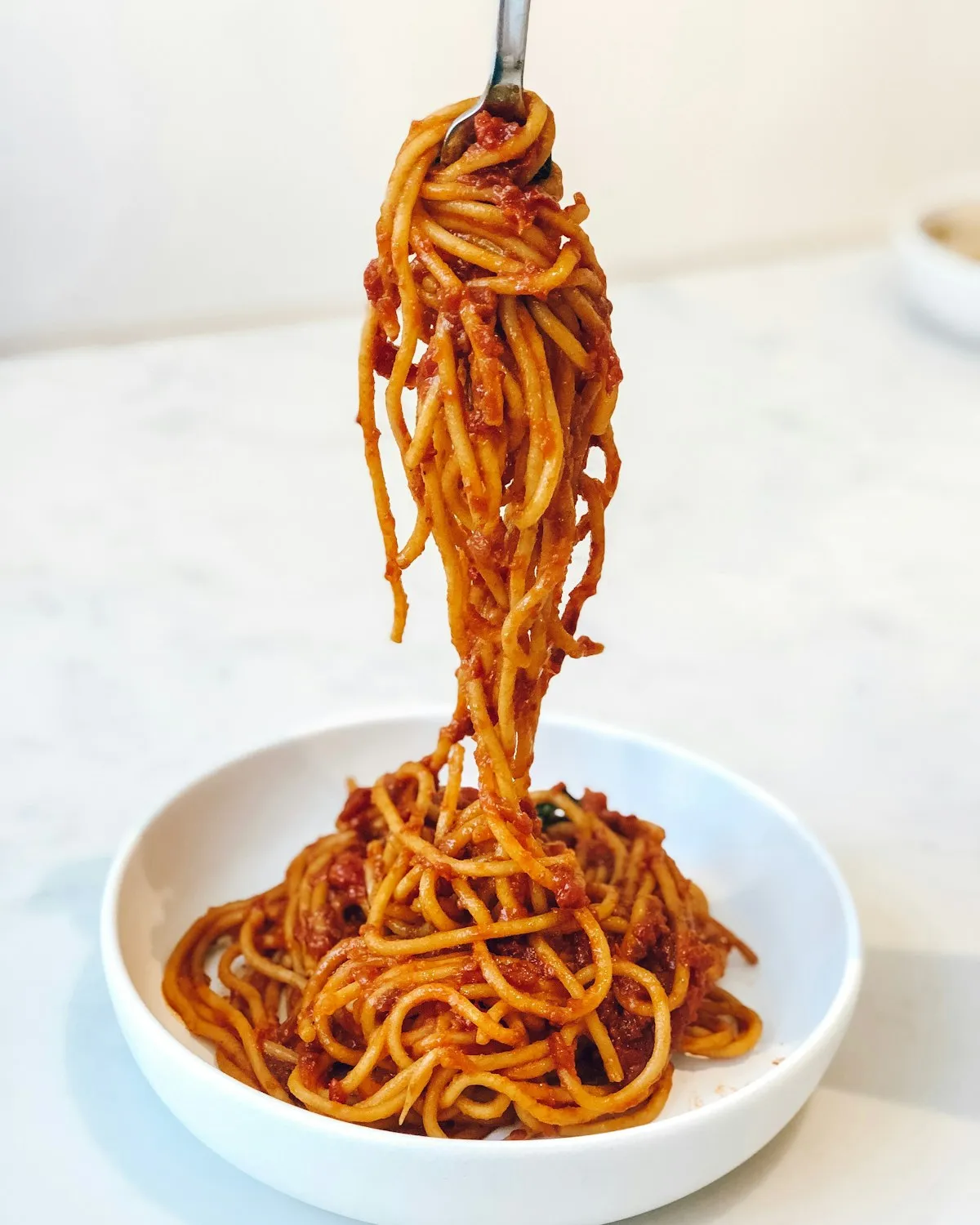
Let’s talk about that sauce. If you’ve ever made scampi and ended up with a puddle of oil at the bottom of the plate, you’ve experienced a "broken" sauce. A great scampi sauce is an emulsion, a marriage of fat (butter) and water (wine and lemon juice) that shouldn’t technically get along. To make them play nice, you need to master the technique of monter au beurre, which is just a fancy French way of saying "mount with butter."
Start by reducing your liquid base. When you simmer your white wine and lemon juice, you are evaporating the water and concentrating the flavor. This reduction creates a more stable environment for the butter. Here is the non-negotiable rule: take the pan off the heat before you add your cold butter. If the pan is screaming hot, the butterfat will liquefy instantly and separate from the milk solids, leaving you with a greasy mess. By whisking in cold butter cubes off the heat, you allow the milk solids to act as a natural emulsifier, coating the fat droplets and creating that shimmering, restaurant-quality silkiness.
While we're on the subject of science, let’s look at the shrimp themselves. Shrimp are packed with delicate proteins that contract the second they hit heat. If you overcook them, they turn into rubbery little erasers. Aim for "C" shape, not "O" shape. A "C" means cooked; an "O" means overcooked. Sear them fast and get them out of the pan. You’ll add them back to the sauce at the very last second just to warm through. This keeps them juicy and tender, making this one of those healthy dinner ideas you’ll actually want to eat every week.
Taming the Zucchini Noodle
The biggest complaint about zucchini noodles, or "zoodles", is that they turn into a watery swamp the moment they touch the plate. Zucchini is about 95% water. When you heat it, the cell walls break down and dump all that moisture right into your beautiful scampi sauce. To prevent this, you need to be proactive.
Use the salt-and-drain method. After spiralizing your zucchini, toss the strands with a pinch of coarse salt and let them sit in a colander for exactly four minutes. You’ll see beads of water forming on the surface. This is osmosis in action; the salt draws the water out before the heat has a chance to. After the four minutes are up, spread the noodles out and pat them dry, and I mean really dry, with a clean kitchen towel.
When it comes time to cook them, forget the long simmer. Give them a lightning-fast sauté in a hot, open pan. Do not cover the pan! Covering it traps steam, which rehydrates the noodles and makes them mushy. You want them "al dente," just warmed through with a slight snap. If you're looking for other ways to use your kitchen gadgets for speed, check out some of our air fryer recipes dinner options, but for this dish, the skillet is your best friend.
Flavor Variations to Keep it Fresh
Once you’ve mastered the base scampi, you can start playing with the profile to suit your mood. If you want a bit of a kick, double down on the red pepper flakes or add a spoonful of Calabrian chili paste into the garlic base. The heat cuts through the richness of the butter beautifully. For a brighter, more herbal version, fold in a handful of fresh mint or tarragon along with the traditional parsley.
If you’re craving something a bit more indulgent but still want to keep it light, whisk a tablespoon of heavy cream or full-fat Greek yogurt into your reduced wine base before you start adding the butter. This creates a "creamy scampi" that feels like a cheat meal but still keeps things in the realm of healthy dinner ideas. You can even swap the shrimp for scallops or thin strips of chicken, though keep in mind the cooking times will shift. If you're feeling extra lazy, our lazy girl one-pan cacio e pepe is another great quick-fix, but the scampi is hard to beat for elegance.
Side Dish Pairings for Balance
Because shrimp scampi is inherently rich and garlicky, your side dishes should focus on acidity and crunch to provide balance. A simple arugula salad with a sharp lemon vinaigrette is the perfect companion. The peppery bite of the arugula cuts right through the buttery sauce.
If you aren't strictly avoiding carbs, a thick slice of crusty sourdough or a piece of ciabatta is essentially a requirement. You need something to mop up every last drop of that liquid gold at the bottom of the bowl. Alternatively, roasted asparagus or broccolini with a heavy squeeze of charred lemon provides a nice textural contrast to the soft zucchini noodles. Think about balance: if the main dish is soft and rich, make the side dish crisp and bright.
Frequently Asked Questions
Why did my scampi sauce turn out oily and separated?
This usually happens because the heat was too high when the butter was added. If the butter melts too fast, the emulsion "breaks," and the oil separates from the solids. Always take the pan off the heat before whisking in cold butter. If it does break, try whisking in a teaspoon of very hot water or a splash of wine, the mechanical action can sometimes pull the emulsion back together.
Can I use frozen shrimp for this?
Absolutely. In fact, most "fresh" shrimp at the grocery store were previously frozen anyway. Just make sure they are completely thawed and, more importantly, patted bone-dry before they hit the pan. If they are wet, they will steam instead of searing, and you’ll miss out on that beautiful Maillard reaction (browning) that provides so much flavor.
My zucchini noodles are still soggy. What did I do wrong?
You likely skipped the drying step or cooked them too long. Zucchini noodles only need 1–2 minutes in a hot pan. If you cook them until they look like pasta, they’ve gone too far. Remember: salt, drain, pat dry, and a quick, uncovered sauté.
Is there a non-alcoholic substitute for the white wine?
Yes, you can use a high-quality seafood stock or chicken broth with an extra squeeze of lemon juice to provide the necessary acidity. However, wine adds a specific aromatic complexity that stock can't quite replicate. If you use stock, consider adding a teaspoon of white wine vinegar to mimic that fermented tang.
How do I store leftovers?
Honestly? Don't. This is a dish best eaten immediately. The zucchini will continue to release water as it sits, and the butter sauce will solidify in the fridge. If you must have leftovers, store the shrimp and sauce separately from the noodles, and reheat very gently on the stove: never the microwave, which will turn your shrimp into rubber.
{“@type”:”BlogPosting”,”image”:”https://cdn.marblism.com/mlRdH1u3BtA.webp”,”author”:{“name”:”Cookpedia”,”@type”:”Organization”},”faqPage”:{“@type”:”FAQPage”,”mainEntity”:[{“name”:”Why did my scampi sauce turn out oily and separated?”,”@type”:”Question”,”acceptedAnswer”:{“text”:”This usually happens because the heat was too high when the butter was added. Always take the pan off the heat before whisking in cold butter to maintain the emulsion.”,”@type”:”Answer”}},{“name”:”Can I use frozen shrimp for this?”,”@type”:”Question”,”acceptedAnswer”:{“text”:”Yes, but ensure they are completely thawed and patted dry to prevent steaming.”,”@type”:”Answer”}},{“name”:”How do I prevent soggy zucchini noodles?”,”@type”:”Question”,”acceptedAnswer”:{“text”:”Use the salt-and-drain method for 4 minutes, pat them completely dry, and sauté briefly in an uncovered pan.”,”@type”:”Answer”}}]},”@context”:”https://schema.org”,”headline”:”15-Minute Soulful Shrimp Scampi with Zucchini Noodles”,”publisher”:{“logo”:{“url”:”https://cookpedia.com/logo.png”,”@type”:”ImageObject”},”name”:”Cookpedia”,”@type”:”Organization”},”description”:”Learn the science behind a perfect, non-greasy shrimp scampi sauce and how to keep zucchini noodles crisp for a soulful 15-minute meal.”,”datePublished”:”2026-06-18″,”mainEntityOfPage”:{“@id”:”https://cookpedia.com/shrimp-scampi-zucchini-noodles”,”@type”:”WebPage”}}