Recipe
Servings
Servings 1×
Ingredients
- Pork
- Pasta
- Noodles
- Bread
- Garlic
- Lemon
- Cream
- Butter
- Cooking oil
- Salt
- Black pepper
Method
- Let’s talk about why this sauce works, because understanding the "why" will make you a better cook than any recipe ever could.
- Use a vigorous tossing motion.
- Use a light-colored skillet if you can; it is nearly impossible to see the color of the milk solids in a black cast-iron pan.
You know those nights when the fridge looks like a desert and your brain feels like a browser with forty tabs open? We have all been there. You want something that tastes like a cozy Italian villa, but you have exactly fifteen minutes before you collapse onto the sofa. This brown butter and sage pasta is your culinary emergency exit. It is the king of simple pasta recipes because it relies on the magic of chemistry rather than a long list of groceries.
The Science of the Sizzle: Why Brown Butter is Liquid Gold
Let’s talk about why this sauce works, because understanding the "why" will make you a better cook than any recipe ever could. Butter isn't just fat; it is a complex mixture of water, fat, and milk solids. When you heat it, the water evaporates first: that is the loud bubbling you hear. Once the water is gone, the temperature of the fat rises above 212°F, and that is where the real party starts.
This is the Maillard reaction. Those tiny white specks of milk protein and lactose start to toast, turning from pale cream to a deep, nutty mahogany. This isn't just a color change; it is the creation of hundreds of new flavor compounds. You are essentially "roasting" the milk. Aim for a hazelnut color, often called beurre noisette. If you go too far and they turn black, stop. Throw it out and start over. Bitter, burnt milk solids will ruin your night faster than a low-battery notification.
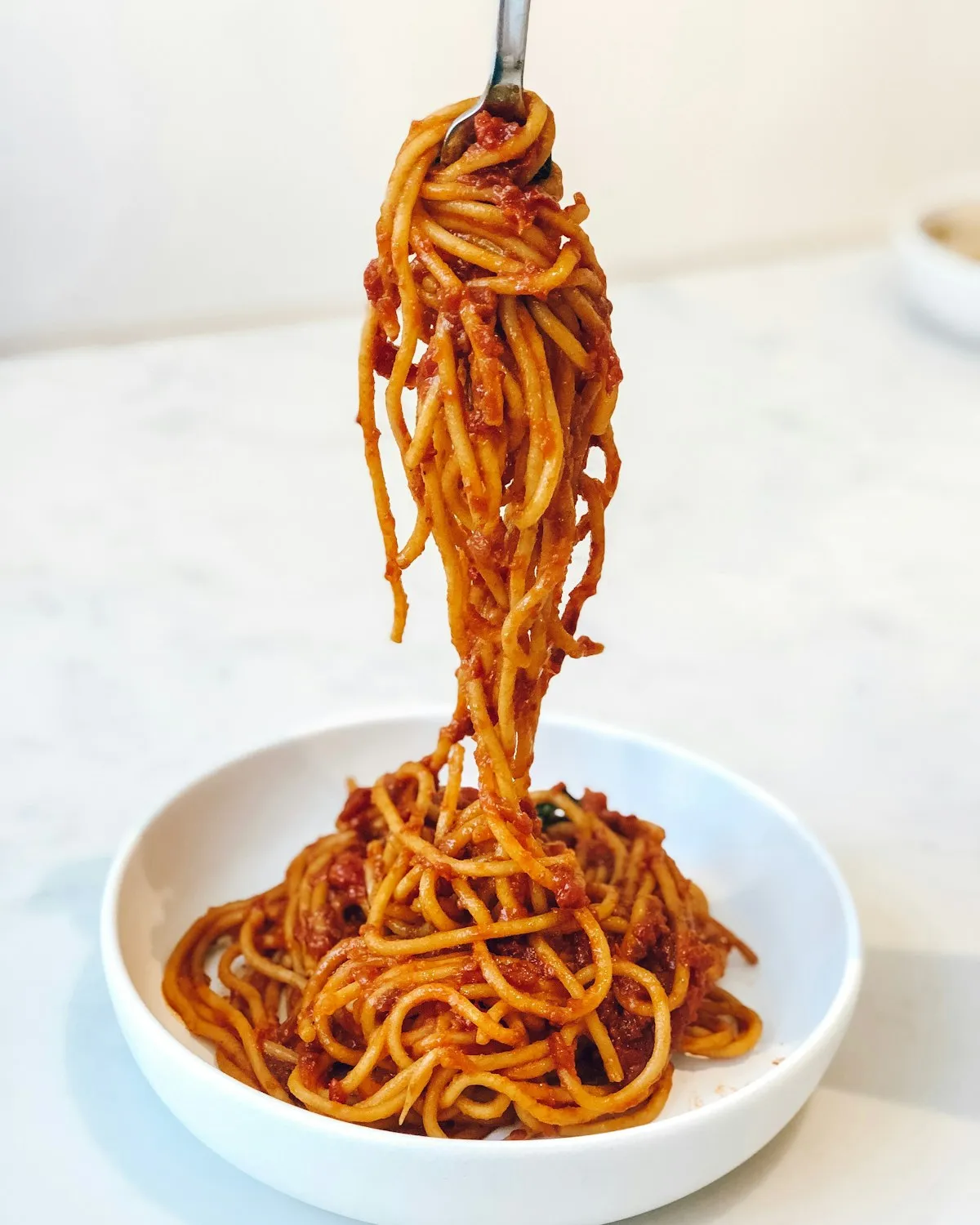
While the butter is doing its thing, toss in your sage. Sage leaves are full of fat-soluble aromatic compounds. As they fry in the butter, the moisture leaves the leaves (making them crispy) and the flavor molecules migrate into the fat. This is one of those easy dinner recipes where the fat serves as a flavor carrier, delivering that earthy, piney punch directly to your taste buds.
The Emulsion: Bridging the Gap Between Oil and Water
If you just pour melted butter over dry pasta, it will taste greasy and sit at the bottom of the bowl like a sad puddle. To avoid this, you need to build an emulsion. An emulsion is simply the forced marriage of fat and water, and your priest in this ceremony is starchy pasta water.
When pasta boils, it sheds starch into the water. Never, under any circumstances, dump that liquid gold down the drain. This water is the secret to all successful 15 minute meals. The starch acts as a stabilizer. When you whisk a splash of that cloudy water into your brown butter, the starch molecules coat the fat droplets, preventing them from clumping back together. This creates a glossy, thick sauce that actually clings to the noodles.
Use a vigorous tossing motion. You aren't just stirring; you are agitating the mixture to break the fat into tiny droplets. If the sauce looks broken or oily, add another tablespoon of water and keep shaking that pan. The goal is a silk-like coating that shines but doesn't drip.
Essential Tips for Technique
Check your heat. Butter can go from "perfectly nutty" to "burnt charcoal" in about six seconds. Use a light-colored skillet if you can; it is nearly impossible to see the color of the milk solids in a black cast-iron pan. If you see the butter foaming up aggressively, pull the pan off the heat. The residual heat of the metal will continue to cook the butter even after it is off the burner.
Don't skip the salt in the pasta water. Since this sauce is minimalist, the pasta itself needs to be seasoned from the inside out. Think of the pasta water as a seasoned stock rather than just a cooking medium. Also, use the best butter you can find. When a dish only has three main players, there is nowhere for low-quality ingredients to hide.
Flavor Variations to Keep it Fresh
While the classic version is hard to beat, you can easily tweak the balance to suit your mood. If the richness of the butter feels too heavy, hit it with a squeeze of fresh lemon juice right at the end. The acidity cuts through the fat and brightens the sage. You can find more inspiration in our collection of 15-minute meals.
For a salty, umami kick, fry some thin strips of prosciutto or pancetta in the butter before you add the sage. The rendered pork fat will mix with the butter, creating an even deeper flavor profile. If you want a bit of heat, a pinch of red pepper flakes added during the browning process will infuse the fat with a gentle warmth.
Vegetarians can add toasted walnuts or hazelnuts at the very end for a crunch that mirrors the nutty notes of the butter. If you're looking for something even faster, you might enjoy our viral garlic butter ramen hack which uses similar fat-emulsification principles.
Side Dish Pairings for a Balanced Plate
Because this pasta is rich and buttery, your side dishes should provide a sharp contrast. Avoid anything creamy or heavy. Instead, look for high-acidity or bitter components to cleanse the palate between bites.
A simple arugula salad with a sharp balsamic vinaigrette and shaved parmesan is the perfect partner. The peppery bite of the greens and the acid in the dressing act as a "reset" for your taste buds. Alternatively, try some quick-steamed broccolini tossed in lemon zest and a hint of garlic. The bitterness of the brassica balances the sweetness of the browned lactose in the butter.
If you are serving this as part of a larger spread, a crisp, dry white wine like a Pinot Grigio or a Sauvignon Blanc works wonders. You want something with high acidity to slice through the butter sauce.
FAQ: Troubleshooting Your Brown Butter Pasta
Why did my butter turn black instead of brown?
You likely left it on the heat too long or used a heat setting that was too high. The transition from "browned" to "burnt" happens rapidly once the water has evaporated. Next time, lower the heat as soon as the butter stops bubbling loudly. If you are struggling with timing, check out our one-pan cacio e pepe guide for more tips on heat management.
My sauce is watery and sitting at the bottom of the bowl. What happened?
This means you didn't create a stable emulsion. You likely added the pasta water but didn't toss or whisk it vigorously enough with the fat. Or, you might have used too much water and not enough starch. Try simmering the water and butter together for thirty seconds before adding the pasta to help reduce and thicken the base.
Can I use dried sage instead of fresh?
You can, but it won't be the same experience. Fresh sage leaves become crispy and provide a texture contrast that dried sage simply cannot replicate. Dried sage is also much more concentrated, so use it sparingly to avoid a "soapy" flavor. If you must use dried, add it to the butter very early so it has time to soften.
Why is my cheese clumping instead of melting into the sauce?
If you add parmesan while the pan is still over high heat, the proteins in the cheese will seize and clump together. Always remove the pan from the heat source before folding in your cheese. The residual heat of the pasta and the sauce is more than enough to melt it into a smooth finish.
Does the type of pasta matter?
Wider, flatter noodles like fettuccine or pappardelle provide more surface area for the sauce to cling to. However, short shapes like penne or fusilli are great for "catching" the little browned bits of milk solids and crispy sage in their ridges. Choose based on what you have in the pantry!
{“@type”:”BlogPosting”,”image”:”https://cdn.marblism.com/WoQ0TsD9DgJ.webp”,”author”:{“name”:”Penny”,”@type”:”Person”},”@context”:”https://schema.org”,”headline”:”15-Minute Simple Pasta with Brown Butter and Sage”,”keywords”:”simple pasta recipes, easy dinner recipes, 15 minute meals, brown butter sage pasta, cooking techniques”,”publisher”:{“logo”:{“url”:”https://cdn.marblism.com/r31hCYxu5lk.webp”,”@type”:”ImageObject”},”name”:”Cookpedia”,”@type”:”Organization”},”description”:”Master the art of brown butter and sage pasta in just 15 minutes. Learn the science of the Maillard reaction and emulsification for a perfect quick dinner.”,”datePublished”:”2026-06-19″,”mainEntityOfPage”:{“@id”:”https://cookpedia.com/15-minute-simple-pasta-brown-butter-sage”,”@type”:”WebPage”}}