Recipe
Servings
Servings 1×
Ingredients
- Shrimp
- Garlic
- Lemon
- Cream
- Butter
- Cooking oil
- Black pepper
Method
- Prepare the ingredients described in the article and heat the cooking surface or oven as directed.
- Cook the main ingredients using the heat and timing guidance in the article.
- Finish with the seasonings and garnishes named in the article, then serve.
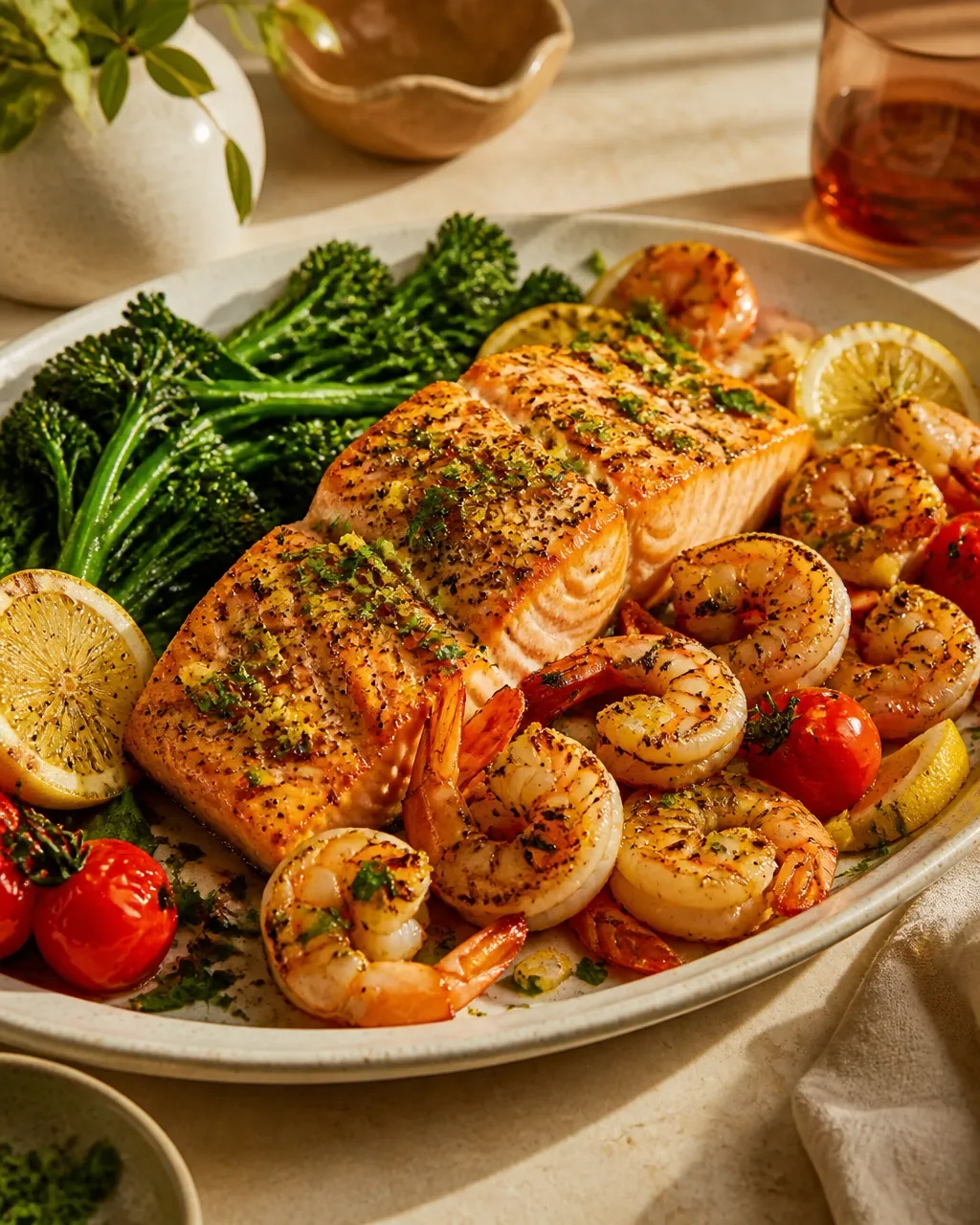
You know those nights when you stare at the fridge, the fridge stares back, and the clock is ticking faster than a caffeinated hummingbird? I’ve been there. You want something that tastes like a five-star bistro but requires the effort of a lukewarm microwave burrito. Enter the garlic butter shrimp. It’s elegant, it’s decadent, and it’s one of those 15 minute meals that actually lives up to the hype. If you have shrimp, butter, and garlic, you’re about ten minutes away from a culinary high-five.
The Physics of the Perfect Sizzle
Cooking shrimp is a lesson in thermodynamics and protein structure. When you apply heat to these little crustaceans, the proteins, specifically actin and myosin, begin to denature and coil up. This is why shrimp change from a translucent grey to an opaque, vibrant pink. However, the window between "perfectly succulent" and "rubbery pencil eraser" is annoyingly small. To master this, you must respect the high-heat sear.
Start with a hot pan. If your pan is lukewarm, the shrimp will dump their internal moisture and boil in their own juices rather than searing. You want that Maillard reaction, the chemical dance between amino acids and reducing sugars that creates that golden-brown crust and deep savory flavor. Use a heavy-bottomed skillet if you can. Cast iron is great because it retains heat like a desert rock, ensuring that when the cold shrimp hit the surface, the temperature doesn't plummet.
Now, let’s talk about the garlic. Garlic contains sulfur compounds that are mellow and sweet when raw but can turn bitter and acrid if scorched. This is why timing is your best friend. Do not throw the garlic in at the start with the shrimp. Shrimp need about two minutes per side; garlic needs about thirty seconds to reach peak fragrance. Add the garlic only when the shrimp are nearly finished. This technique, known as "blooming," allows the fat, in this case, your glorious butter, to absorb the essential oils of the garlic without burning the solids.
Speaking of butter, it’s not just for flavor; it’s an emulsifier. Butter is roughly 80% fat and 15% water. When you swirl cold butter into a hot pan at the very end, you create a silky, pan-sauce emulsion. The water in the butter evaporates while the fat binds with the garlic and shrimp juices. This is one of the best keto recipes for beginners because it teaches you that high-quality fats are the backbone of flavor, not just a cooking medium.
Check your shrimp regularly. They should form a "C" shape. If they’ve curled into a tight "O," you’ve overcooked them, and the proteins have tightened too much. Pull them off the heat the second they turn opaque; the residual heat in the pan will finish the job.
Bold Tweaks for Every Palate
While the classic garlic-butter-lemon trio is a masterpiece, you shouldn't be afraid to experiment with the flavor profile. If you’re looking for more healthy dinner ideas, consider shifting the acidity. Instead of lemon, try a splash of dry white wine like a Sauvignon Blanc. The alcohol helps carry aromatics to your nose more efficiently and provides a crisp counterpoint to the heavy butter.
For those who crave heat, a pinch of red pepper flakes added during the garlic bloom will infuse the fat with capsaicin. If you want an earthy, herbaceous vibe, skip the parsley and go for fresh tarragon or dill. Tarragon, in particular, has a slight anise note that pairs beautifully with the natural sweetness of the shrimp.
Want to go creamy? A splash of heavy cream at the very end transforms this into a "Tuscan" style sauce. This is a great way to bulk up the meal without adding carbs. You can also explore different fats; substituting half the butter with a high-quality extra virgin olive oil raises the smoke point slightly and adds a peppery finish. Just remember: the goal is balance. If you add spice, balance it with extra lemon. If you add cream, balance it with extra black pepper.
Side Dish Pairings: Balance is Key
The richness of garlic butter needs a foil. You want something that can soak up the extra sauce or provide a textural contrast. For a low-carb masterpiece, zucchini noodles are the gold standard. They have a high water content, so give them a quick flash-sautee just to warm them through; don't overcook them, or you'll end up with a watery mess that dilutes your beautiful sauce.
If you aren't strictly keto, a piece of crusty sourdough is practically a legal requirement for mopping up the pan. Alternatively, serve the shrimp over a bed of cauliflower rice. The neutral flavor of the cauliflower acts as a sponge for the garlic and butter, making it a staple in many keto recipes for beginners. If you're looking for more healthy dinner ideas, a simple arugula salad with a sharp vinaigrette provides a peppery bite that cuts right through the fat of the butter. Check out some of our other easy dinner ideas for more pairing inspiration.
Frequently Asked Questions
Can I use frozen shrimp?
Absolutely. In fact, unless you live on a coastal dock, "fresh" shrimp in the grocery store are often just frozen shrimp that have been thawed behind the counter. Buy them frozen and thaw them yourself in a bowl of cold water for 15 minutes. The most important rule? Dry them thoroughly with paper towels. Water is the enemy of a good sear. If they are wet, they will steam, not fry.
Should I leave the tails on?
This is a point of contention in the culinary world. Keeping the tails on adds flavor to the sauce during the cooking process and makes for a better presentation. However, if you hate digging into your food with your fingers, feel free to remove them. Just know that the shells contain chitin and proteins that contribute to a deeper "seafood" flavor in the butter.
Why did my sauce break and look greasy?
A "broken" sauce happens when the fat and liquids separate. This usually occurs if the pan is too hot when you add the final pat of butter. To fix this, remove the pan from the heat entirely before stirring in your cold butter. The gradual melt helps the emulsion stay stable and creamy.
Is this really keto-friendly?
Yes. Shrimp is almost pure protein, and butter is pure fat. As long as you aren't serving this over a mountain of pasta, it’s a perfect high-fat, low-carb meal. It’s one of those 15 minute meals that keeps you in ketosis while making you feel like you’re cheating on your diet.
What if I don't have fresh garlic?
Use the jarred stuff if you must, but be warned: the flavor is significantly more muted and can sometimes have a metallic aftertaste due to the preservatives. If you’re in a pinch, use a little garlic powder, but add it to the butter before the shrimp so it doesn't just clump up on one single prawn.
How do I reheat leftovers?
The short answer? Don't. Shrimp are notorious for becoming rubbery when reheated. If you must, do it very gently in a pan over low heat with an extra splash of water or broth to create steam. Avoid the microwave at all costs unless you enjoy eating erasers.
Can I use salted butter?
You can, but be careful with your additional seasoning. I prefer unsalted butter so I can control the salinity myself. Remember, you can always add salt, but you can’t take it away once it’s in the pan!
For more inspiration on quick weeknight cooking, take a look at our guide on skillet basics and master the art of the 15-minute feast.