Recipe
Servings
Servings 1×
Ingredients
- Chicken
- Salmon
- Tofu
- Pasta
- Greek yogurt
- Apple
- Onion
- Garlic
- Lemon
- Lime
- Cooking oil
- Curry spices
- Salt
Method
- Prepare the ingredients described in the article and heat the cooking surface or oven as directed.
- Cook the main ingredients using the heat and timing guidance in the article.
- Finish with the seasonings and garnishes named in the article, then serve.
You know the feeling. It’s 6:00 PM, your energy is flagging, and the siren song of a delivery app is getting louder. But here is the truth: mastering healthy weeknight dinners isn’t just about the food on your plate; it is about reclaiming your evening. When you shift from "what’s for dinner?" to a streamlined system of high-impact cooking, you don't just eat better, you transform your entire relationship with your kitchen. Let’s stop treating dinner as a chore and start treating it as the most efficient win of your day.
The Science of the "Quick Win": Mise en Place and Muscle Memory
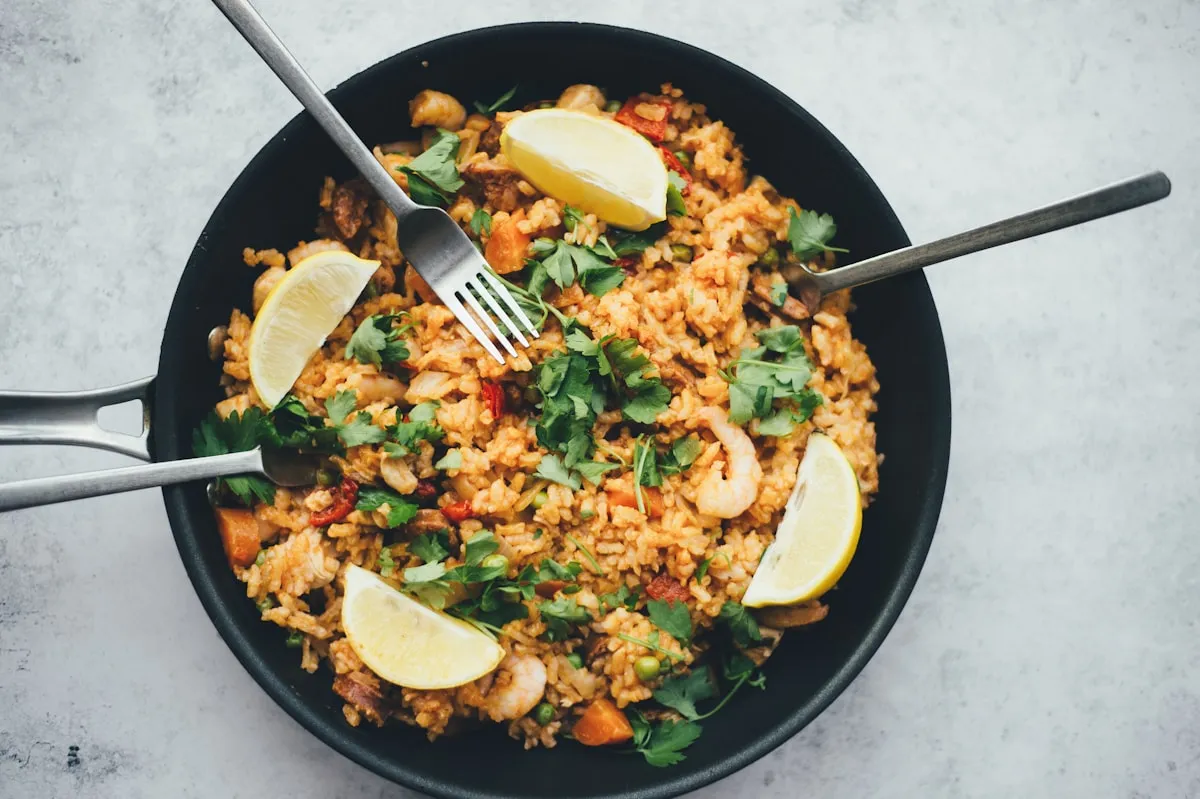
If you want to excel at 15-minute meals, you must embrace mise en place. This isn't just fancy French terminology; it is the scientific foundation of efficient cooking. When you prepare all your ingredients before the heat touches the pan, you prevent the spike in cortisol that comes from frantically chopping an onion while your garlic is already turning bitter and brown.
Conquer Decision Fatigue
The biggest enemy of a healthy dinner isn't a lack of talent; it's decision fatigue. Science suggests we make thousands of decisions a day, and by 6:00 PM, your "willpower tank" is empty. This is why you should rely on "dinner shapes", proven structures like the grain bowl or the sheet-pan roast. By narrowing your choices to a specific framework, you eliminate the mental load.
Harness the Maillard Reaction
To get restaurant-quality flavor in minutes, you must understand the Maillard reaction. This is the chemical reaction between amino acids and reducing sugars that gives browned food its distinctive flavor. Use a high-quality cast-iron or heavy-bottomed pan. Ensure your proteins are patted dry with a paper towel before they hit the oil. Moisture is the enemy of browning; if there is water on the surface, the food will steam instead of sear, leaving you with gray, lackluster results.
The Power of "Carryover Cooking"
Stop overcooking your lean proteins. Whether you are searing salmon or sautéing chicken, remember that food continues to cook after you remove it from the heat. Take your protein off the flame when it is about 5 degrees below your target temperature. This simple technical adjustment ensures your healthy dinner ideas stay juicy and tender rather than dry and rubbery.
Strategic Variations: Balancing Flavor and Nutrients
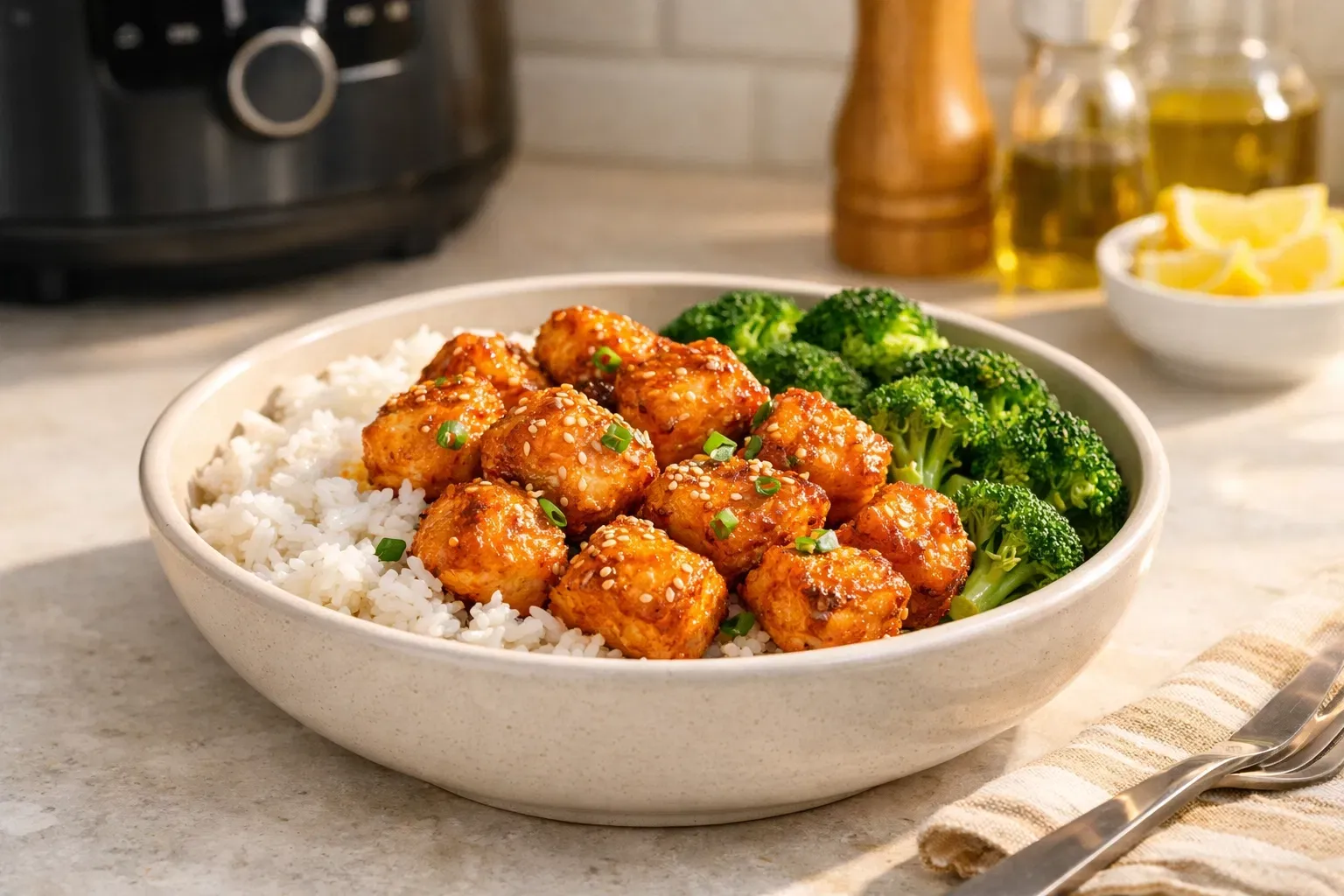
A great meal is a balancing act. If a dish feels "flat," it usually lacks one of two things: acidity or texture. When you are looking for quick family meals, don't just reach for more salt. Reach for a lemon or a splash of vinegar.
The Acidity Rule
Acidity acts as a highlighter for flavor. It cuts through the richness of fats and brightens the earthiness of grains. If you are serving a creamy plant-based curry or a fatty piece of mackerel, finish the dish with a squeeze of fresh lime or a drizzle of apple cider vinegar right before serving. This chemical "lift" makes the flavors pop without adding extra sodium.
Texture as a Satiety Tool
Your brain registers fullness not just through volume, but through sensory variety. A bowl of soft mush, no matter how nutritious, will leave you feeling unsatisfied. Always include a "crunch" factor. Think toasted pumpkin seeds over a one-pot pasta or quick-pickled radishes atop a grain bowl. This contrast in texture signals to your brain that the meal is substantial and complete.
Smart Swaps for Busy Nights
Transform your standard recipes by swapping heavy creams for blended silken tofu or Greek yogurt. These substitutions maintain the creamy mouthfeel you crave while significantly boosting the protein content and reducing saturated fats. If you are short on time, leverage air fryer recipes dinner to achieve that "fried" crispness using 80% less oil.
Side Dish Pairings: Creating Contrast
The best side dishes do not compete with the main event; they provide a necessary counterpoint. If your main dish is spicy and bold, like grilled chicken fajitas, your side should be cool and refreshing. A simple slaw with a yogurt-based dressing or a chilled cucumber salad provides the thermal and flavor contrast needed to keep your palate engaged.
Focus on "low-effort, high-reward" sides. Roasted vegetables are a staple for healthy weeknight dinners because they require minimal active work. Use high heat (400°F/200°C) to caramelize the natural sugars in carrots, cauliflower, or Brussels sprouts. This transformation turns a bitter vegetable into a sweet, savory side that even the pickiest eaters will enjoy.
Avoid heavy, starch-on-starch pairings. If you have a pasta main, skip the bread side. Instead, opt for a bitter green salad with a sharp vinaigrette to cleanse the palate between bites.
Healthy Dinner Success: Your Burning Questions Answered
Why does my "healthy" food always taste bland?
Blandness is usually a result of under-seasoning during the cooking process. Do not wait until the end to add salt. Salt your water for grains and pasta, and season your vegetables before they roast. More importantly, use aromatics. Sautéing ginger, garlic, or scallions in a small amount of oil at the start of your cook creates a flavor base that permeates the entire dish.
Can I really cook a healthy dinner in under 20 minutes?
Yes, but you must use the "parallel processing" technique. Start your longest-cooking item first (usually grains or roasted veggies), and while those are unattended, focus on your quick-searing protein. Utilize high-quality shortcuts like pre-washed spinach or canned beans. These aren't "cheating": they are essential tools for maintaining a consistent cooking habit.
What if I don't have fresh herbs?
While fresh is often best for garnishing, dried herbs are more potent and better suited for long-simmering dishes or rubs. The rule of thumb is a 1:3 ratio: use one teaspoon of dried herbs for every three teaspoons of fresh. To "wake up" dried herbs, rub them between your palms before adding them to the pan to release their essential oils.
How do I stop my vegetables from getting soggy?
Soggy vegetables are usually a victim of overcrowding. If you put too many vegetables in one pan, the moisture they release has nowhere to go, creating steam. Cook in batches or use two sheet pans instead of one. Ensure your pan is screaming hot before the veggies hit the surface to lock in that crisp exterior.
Is meal prepping better than cooking daily?
There is no "better," only what works for your lifestyle. However, scientific studies show that "partial prep": chopping veggies or making a sauce on Sunday but cooking the actual meal fresh: leads to higher satisfaction and more sustainable habits than reheating five-day-old pre-assembled containers.
{“@type”:”BlogPosting”,”image”:”https://cdn.marblism.com/WfsHc2QKLrh.webp”,”author”:{“name”:”Penny”,”@type”:”Person”},”faqPage”:{“@type”:”FAQPage”,”mainEntity”:[{“name”:”Why does my healthy food always taste bland?”,”@type”:”Question”,”acceptedAnswer”:{“text”:”Blandness is usually due to under-seasoning and lack of aromatics. Season your ingredients at every stage of cooking and use garlic, ginger, or onions as a flavor base.”,”@type”:”Answer”}},{“name”:”Can I really cook a healthy dinner in under 20 minutes?”,”@type”:”Question”,”acceptedAnswer”:{“text”:”Yes, by using parallel processing and high-quality shortcuts like pre-washed greens and canned legumes.”,”@type”:”Answer”}},{“name”:”How do I stop my vegetables from getting soggy?”,”@type”:”Question”,”acceptedAnswer”:{“text”:”Avoid overcrowding the pan. Giving vegetables space allows moisture to evaporate, preventing steaming and promoting browning.”,”@type”:”Answer”}}]},”@context”:”https://schema.org”,”headline”:”Why Healthy Weeknight Dinners Will Change the Way You Cook Forever”,”publisher”:{“logo”:{“url”:”https://cdn.marblism.com/KxroJ1kM_KA.webp”,”@type”:”ImageObject”},”name”:”Cookpedia”,”@type”:”Organization”},”description”:”Learn the science and techniques behind healthy weeknight dinners that save time and transform your cooking habits.”,”datePublished”:”2026-07-16″,”mainEntityOfPage”:{“@id”:”https://cookpedia.com/why-healthy-weeknight-dinners-change-everything”,”@type”:”WebPage”}}