Recipe
Servings
Servings 1×
Ingredients
- Black beans
- Beans
- Corn
- Lime
- Mustard
- Cooking oil
- Salt
Method
- Prepare the ingredients described in the article and heat the cooking surface or oven as directed.
- Cook the main ingredients using the heat and timing guidance in the article.
- Finish with the seasonings and garnishes named in the article, then serve.
If you’re anything like me, your kitchen life is a constant battle between wanting to eat something that tastes like a five-star vacation and actually having the energy to stand at the stove for more than ten minutes. Enter the vegan black bean and corn salad, the ultimate hero of quick family meals. This isn’t just a side dish; it’s a bright, zesty, high-protein powerhouse that solves the "what's for dinner?" dilemma without making you break a sweat. It’s fresh, it’s crunchy, and it relies on a little bit of food science to make every bite count.
The Chemistry of Crunch and Emulsion
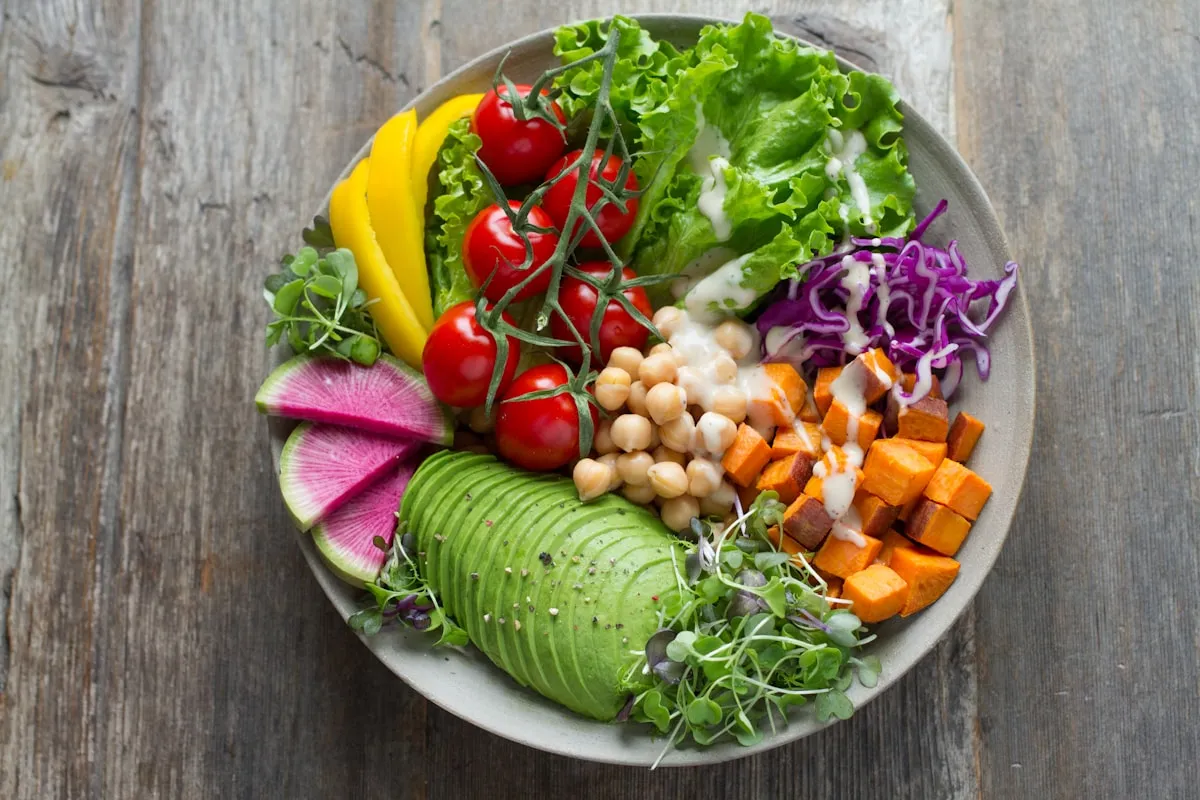
Creating a salad that doesn't turn into a soggy puddle by the time it hits the table requires understanding your ingredients. Start with the beans. When using canned black beans, rinse them thoroughly until the water runs clear. Those bubbles you see in the can? That’s liquid starch and oligosaccharides, complex sugars that are hard to digest and can make the salad feel "heavy" or muddy. Rinsing cleans the palate and lets the lime dressing actually stick to the bean’s skin rather than sliding off into a pool of grey starch.
Speaking of that dressing, we aren't just splashing juice on top. You need to create a stable oil-in-water emulsion. Lime juice is mostly water, and olive oil, well, is oil. Left to their own devices, they’ll separate faster than teenagers at a school dance. Use a tiny bit of Dijon mustard or maple syrup as your emulsifier. These substances act as a bridge, holding the oil droplets suspended in the lime juice. This creates a creamy, opaque dressing that clings to every kernel of corn. Without this emulsion, the oil will just coat your tongue, masking the bright citrus flavors instead of highlighting them.
Don't forget the role of salt and osmosis. Salt doesn’t just make things "salty"; it unlocks the aromatic compounds in your cilantro and cumin. However, if you salt the salad too early, the salt will draw moisture out of the vegetables (like the peppers and cucumbers), leading to a watery bowl. Toss the salad, let the flavors meld for twenty minutes, and then do your final seasoning right before serving. This ensures the vegetables stay crisp while the beans have enough time to absorb the lime’s acidity. If you’re looking for more healthy dinner ideas, mastering this balance of acid and fat is the first step to making plant-based eating feel truly indulgent.
Variations for Every Palate
Once you’ve mastered the base, start playing with textures to keep things interesting. If you want more "heft," consider turning this into a grain salad. Quinoa is the obvious choice because its tiny seeds nestle into the crevices of the beans, but farro adds a chewy, nutty dimension that stands up well to the sharp lime. For those who crave heat, don't just stop at jalapeños. Try adding a pinch of smoked paprika or even some chipotle in adobo to the dressing to give the whole dish a deep, campfire-esque undertone that contrasts beautifully with the sweet corn.
You can also use this salad as a vibrant topping for other dishes. It works remarkably well as a cold salsa over hot proteins. If you’re exploring air fryer recipes dinner tonight, try air-frying some extra-firm tofu cubes or even seasoned cauliflower steaks until they are crispy, then pile this cold, zesty salad right on top. The temperature contrast between the hot, crunchy base and the cold, acidic salad is a sensory win that makes a simple meal feel like a deliberate culinary choice.
Mastering the Side Dish Balance
This salad is a flavor bomb of acidity and earthiness, so your pairings should aim to balance that sharpness. Think about fats and starches. A creamy avocado is the natural partner here: the rich, buttery fat of the avocado coats the palate and tames the bite of the lime juice. If you’re serving this as part of a larger spread, look toward something like a golden skillet cornbread. The slight sweetness of the cornmeal and the crumbly texture provide a perfect "mop" for any leftover lime dressing at the bottom of the bowl.
If you want to keep the meal light, stay within the realm of Mediterranean or Latin flavors. A simple side of roasted sweet potatoes can provide a soft, earthy counterpoint to the crunchy raw vegetables in the salad. Avoid pairing this with other highly acidic dishes (like a heavy tomato-based soup), as you’ll end up with "acid fatigue," where everything starts to taste the same. You want a side that provides a "rest" for your taste buds.
Frequently Asked Questions
What if my salad tastes "flat" even after I added lime?
If the flavors aren't popping, you likely need more salt, not more acid. Salt acts as a magnifying glass for flavor. Add a pinch, toss it, and wait thirty seconds for it to dissolve before tasting again. If it still feels dull, check if you included enough fat (oil); without fat, the lime juice can feel thin and metallic rather than bright and juicy.
Why does my lime dressing keep separating?
Emulsions are finicky. If your dressing is separating, you likely added the oil too quickly. When mixing, start with your lime juice, aromatics, and emulsifier (like mustard or syrup), then slowly drip the oil in while whisking vigorously. If it’s already broken, you can often fix it by whisking in a teaspoon of warm water or a tiny bit more mustard to help the molecules re-bind.
Can I use frozen corn instead of fresh?
Absolutely. In fact, for many quick family meals, frozen corn is superior because it’s picked and frozen at peak ripeness. To get the best flavor, don't just thaw it. Char it quickly in a dry skillet for three to four minutes. This triggers the Maillard reaction, browning the natural sugars in the corn and adding a smoky depth that mimics fresh-off-the-grill flavor.
How do I stop the red onion from being too overpowering?
Raw red onion can sometimes have a sulfurous "bite" that lingers too long. To fix this, dice your onion and soak the pieces in a bowl of cold water (or a splash of the lime juice) for ten minutes before adding them to the salad. This leaches out the harsh compounds while keeping the crunch, making the onion a team player rather than the star of the show.
Will the salad get soggy if I make it ahead of time?
Unlike green salads with lettuce, this bean and corn mix actually benefits from sitting for about an hour. However, if you're making it 24 hours in advance, keep the dressing separate or wait to add the "watery" veggies like cucumbers or tomatoes until you’re ready to eat. The beans and corn can handle a long soak, but the fresh produce will lose its structural integrity over time.
{“@type”:”BlogPosting”,”image”:”https://cdn.marblism.com/LLupCzgYvp9.webp”,”author”:{“name”:”Penny”,”@type”:”Person”},”@context”:”https://schema.org”,”headline”:”Vegan Black Bean and Corn Salad”,”keywords”:”vegan salad, black bean salad, lime dressing, healthy dinner ideas, quick family meals”,”publisher”:{“logo”:{“url”:”https://cookpedia.com/logo.png”,”@type”:”ImageObject”},”name”:”Cookpedia”,”@type”:”Organization”},”description”:”A guide to making the perfect vegan black bean and corn salad with an emulsified lime dressing, focusing on flavor balancing and food science.”,”datePublished”:”2026-05-28″,”articleSection”:”Recipes”,”mainEntityOfPage”:{“@id”:”https://cookpedia.com/vegan-black-bean-and-corn-salad”,”@type”:”WebPage”}}