Recipe
Servings
Servings 1×
Ingredients
- Apple
- Tomatoes
- Balsamic vinegar
- Salt
Method
- Prepare the ingredients described in the article and heat the cooking surface or oven as directed.
- Cook the main ingredients using the heat and timing guidance in the article.
- Finish with the seasonings and garnishes named in the article, then serve.
If you are looking for the ultimate intersection of speed and sophistication, look no further than the Caprese salad. It is the gold standard for quick family meals because it requires zero heat but delivers maximum flavor through high-quality ingredient synergy. In just 15 minutes, you can transform a handful of raw components into a vibrant, restaurant-quality dish. My goal today is to show you how to master this classic by understanding the hidden science that makes three simple ingredients sing in perfect harmony.
The Chemistry of the Crunch and the Creams
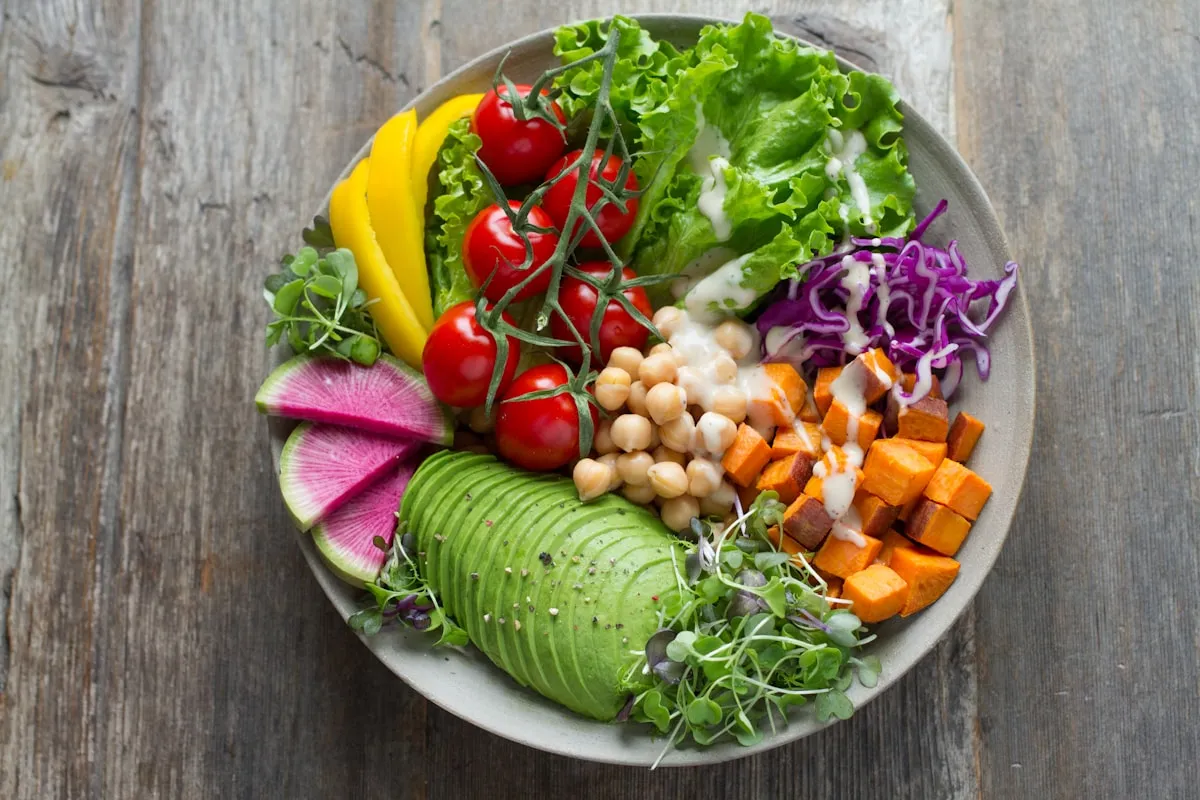
To elevate your Caprese from "chopped tomatoes" to a culinary masterpiece, you have to respect the biochemistry of your ingredients. Let’s start with the tomatoes. The flavor of a tomato isn't just about "sweetness"; it’s a delicate balance of fructose, glucose, and organic acids (like malic and citric acid). When a tomato ripens on the vine, a fascinating epigenetic shift occurs. DNA methylation, essentially a "ripening switch", makes the fruit responsive to ethylene signaling. This triggers a cascade that breaks down chlorophyll and builds up lycopene, the red pigment that also happens to be a powerful antioxidant.
Use tomatoes that are heavy for their size and stored at room temperature. Never, under any circumstances, refrigerate your tomatoes before serving. Cold temperatures (below 50°F) trigger "cold-induced aging," which damages the cell membranes and turns off the genes responsible for producing those volatile aroma compounds we love. You end up with a mealy, flavorless fruit.
Next, let's talk about osmosis. When you sprinkle salt on a sliced tomato, you are initiating a chemical process. Salt is hygroscopic, meaning it attracts water. By salting your tomatoes about five to ten minutes before adding the cheese, you draw out the interior juices, concentrating the sugars and creating a "self-dressing" effect. However, do not wait too long, or the fruit will lose its structural integrity and become mushy.
Then there is the basil. Have you ever noticed how basil turns black almost the moment you cut it? That is thanks to an enzyme called polyphenol oxidase (PPO). When the cell walls are damaged by a knife, PPO reacts with oxygen to create melanin: the same pigment that causes browning in apples. Avoid using a dull knife; a sharp blade slices through cells rather than crushing them, delaying the oxidation. Better yet, tear the leaves by hand. This follows the natural leaf veins and minimizes the surface area exposed to oxygen.
Finally, the balsamic glaze. Unlike standard balsamic vinegar, a glaze is a reduction. Through the application of heat (or careful aging), water evaporates, and the acetic acid and sugars concentrate. This increases the viscosity, allowing the glaze to cling to the hydrophobic surface of the mozzarella rather than just sliding off into a puddle.
Variations for the Adventurous Palate
While the classic trio is hard to beat, you can easily adapt this into various healthy dinner ideas by playing with textures and acidity. If you want a creamier profile, swap the traditional mozzarella di bufala for Burrata. The stracciatella center provides a luxurious, fatty mouthfeel that contrasts beautifully with the sharp acidity of a balsamic reduction.
For a seasonal twist, introduce stone fruits. Grilled peaches or nectarines share a similar sugar-to-acid ratio with heirloom tomatoes. The slight char from the grill adds a smoky dimension that pairs exceptionally well with the herbal notes of fresh basil. If you are looking for more plant-based depth, try adding thinly sliced avocado. The oleic acid in the avocado mimics the richness of the cheese while keeping the dish strictly vegan.
You can also experiment with "deconstructed" versions for a crowd. Use a variety of cherry tomatoes (Sun Golds for sweetness, Purple Bumblebees for earthiness) and toss them with mini mozzarella pearls (bocconcini). This increases the surface area for the balsamic glaze to adhere to, ensuring every bite is a flavor explosion. For those looking for a bit of crunch, toasted pine nuts add a nutty, fatty element that rounds out the sharp brightness of the vinegar.
Perfect Pairings for a Full Meal
A Caprese salad is light, so if you are serving it as part of your quick family meals rotation, you’ll want a sturdy side. A thick slice of sourdough or ciabatta is non-negotiable. Use it as a "mop" to soak up the leftover olive oil, balsamic, and tomato water: arguably the best part of the meal.
For a protein boost, I often pair this salad with grilled chicken or steak. If you are in a rush, check out some of our air fryer recipes dinner ideas to get a main course on the table without turning on the oven. An air-fried chicken breast seasoned with lemon and oregano provides a lean, savory counterpoint to the fresh salad.
If you want to keep it purely vegetarian, a simple pasta dish works wonders. You could even take inspiration from our garlic butter ramen hack but swap the soy for Italian herbs to keep the theme consistent. The goal is to provide a complex carbohydrate that balances the acidity and fat of the Caprese.
FAQ: Solving the Caprese Conundrum
Why is my Caprese salad so watery?
This usually happens because of "weeping" tomatoes. If you salt the tomatoes and let them sit for 30 minutes, they will lose too much internal moisture. To avoid a soggy plate, salt them just 5 minutes before serving. Also, ensure your mozzarella is well-drained. Fresh mozzarella, especially the kind stored in water, carries a lot of surface moisture. Pat it dry with a paper towel before slicing.
Can I use regular balsamic vinegar instead of glaze?
You can, but the results will differ. Standard balsamic vinegar is thin and acidic. It will likely pool at the bottom of the plate. A glaze has been reduced to a syrupy consistency, which provides a concentrated sweetness and stays put on the ingredients. If you only have regular vinegar, try whisking it with a little extra virgin olive oil to create an emulsion first; the fat in the oil will help it "stick" better to the salad.
What is the best olive oil to use?
This is the time to bring out the "good stuff." Since we aren't cooking the oil, its volatile flavor compounds won't be destroyed by heat. Look for a "First Cold Pressed" Extra Virgin Olive Oil (EVOO). These oils have lower acidity and a more robust, peppery finish. The polyphenols in high-quality EVOO provide a slight back-of-the-throat "burn" that perfectly cuts through the creaminess of the mozzarella.
How do I keep the basil from wilting?
Basil is extremely sensitive to both cold and bruising. Keep your basil at room temperature in a glass of water (like flowers) until the very last second. When you are ready to assemble, tear the leaves gently. Avoid using a food processor or a dull knife, as the heat and friction will accelerate browning and cause the leaves to lose their aromatic oils.
Is mozzarella di bufala really better than cow’s milk mozzarella?
"Better" is subjective, but chemically, they are different. Buffalo milk has a higher fat and protein content than cow's milk. This results in a creamier, richer texture and a slightly tangier flavor profile. If you want a more "accessible" and mild flavor for kids, cow’s milk mozzarella (fior di latte) is perfectly fine. However, for a true gourmet experience, the buffalo version is the traditional choice for a reason.
Can I make this ahead of time?
Avoid making a Caprese salad more than 20-30 minutes before serving. Between the salt drawing out tomato juice and the basil oxidizing, the dish's quality degrades quickly. If you must prep ahead, slice the tomatoes and cheese but store them separately. Assemble and add the oil, salt, and glaze only when you are ready to eat. This ensures the textures remain distinct and the flavors remain bright.