Recipe
Servings
Servings 1×
Ingredients
- Chicken
- Onion
- Garlic
- Cooking oil
Method
- Heat takes time to travel from the surface of an ingredient to its center.
- Start your heat before you touch a knife.
- Use an electric kettle to boil water: it is significantly faster than a stovetop burner: and then transfer that boiling water to your pot.
Getting dinner on the table shouldn’t feel like a high-stakes sprint against the clock. Most of us want healthy dinner ideas that don't require an entire evening in the kitchen, but we often find that "quick" recipes still take forty minutes once the chopping is done. The secret to mastering 15 minute meals isn’t just moving your hands faster; it’s about changing how you think about heat, preparation, and the physics of food. Stop rushing and start cooking smarter with these professional strategies.
The Science of Speed: Surface Area and Thermal Momentum
The single biggest bottleneck in your kitchen is physics. Heat takes time to travel from the surface of an ingredient to its center. To win the race, you must manipulate the surface area of your food. Professional chefs don't just "cut" vegetables; they cut for speed. By dicing an onion into a 1/4-inch mince instead of large chunks, you increase the total surface area exposed to the hot oil. This allows the cellular structure to break down and release sugars almost instantly, getting you to that sweet, translucent stage in three minutes instead of ten.
Apply this same logic to your proteins. A whole chicken breast is a 15-minute meal's worst enemy. It is thick, uneven, and slow to cook. Instead, slice your poultry into thin strips or pound it into uniform cutlets. This creates a high surface-to-volume ratio, ensuring that the meat reaches a safe internal temperature the second the outside achieves a beautiful golden sear. This browning, known as the Maillard reaction, is where the flavor lives. When you cook small and thin, you get more flavor in less time because every bite has been kissed by the pan’s heat.
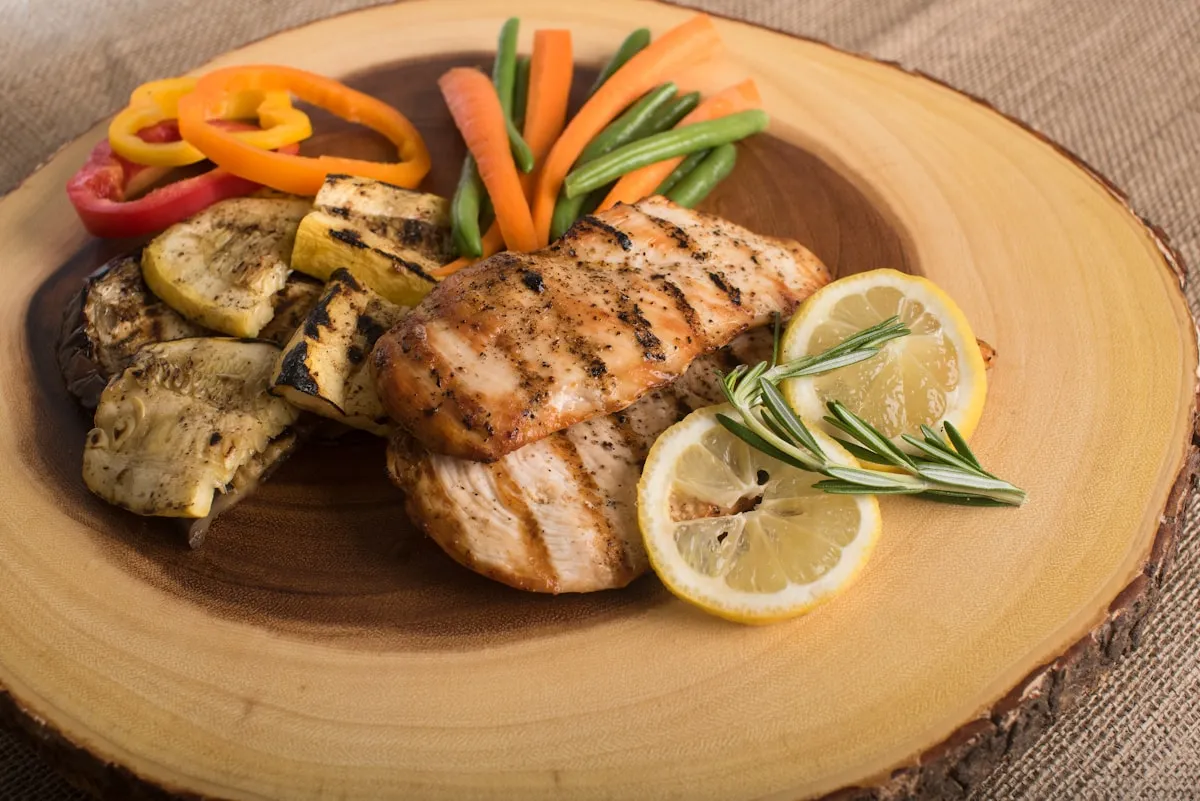
Mastering Thermal Momentum
Start your heat before you touch a knife. The biggest mistake home cooks make is waiting until the prep is finished to turn on the stove. Your pan and your water are your two primary engines; get them running immediately. Use an electric kettle to boil water: it is significantly faster than a stovetop burner: and then transfer that boiling water to your pot.
While the water is coming to a rolling boil, preheat your skillet on medium-high. A cold pan is a slow pan. When you drop your ingredients into a properly preheated skillet, the searing begins the millisecond of contact. This prevents the "stewing" effect where meat releases moisture and sits in its own juices, which ruins texture and adds minutes to your clock.
The Power of Mise en Place
Adopt the "Mise en Place" mindset. This isn't just a fancy French term; it's a survival tactic. Before the heat goes on, gather every single ingredient. Line up your spices, peel your garlic, and have your liquids measured. When you are working within a 15-minute window, you cannot afford to spend ninety seconds hunting for the cumin in the back of the pantry. Organization is the foundation of speed. Check our 15 minute meals category for more inspiration on how to apply these concepts to specific dishes.
Variations for the Versatile Cook
Once you understand the principles of surface area and heat, you can pivot your 15 minute meals to fit any lifestyle. The core technique remains the same: small cuts, high heat, and efficient assembly.
For those focusing on healthy lifestyles, plant-based stir-fries are the ultimate speed hack. Tofu and tempered beans don't require the same internal temperature checks as meat, making them incredibly safe and fast to prepare. Simply sear high-protein tofu cubes until crispy and toss with a bag of pre-shredded slaw. The slaw provides instant crunch and volume without a single minute of chopping.
If you are a fan of modern kitchen tech, air fryer recipes dinner options are a game-changer for speed. The air fryer is essentially a high-powered convection oven that circulates heat with extreme efficiency. You can achieve a "roasted" texture on broccoli or cauliflower in eight minutes, something that would take twenty-five in a traditional oven. Use the air fryer for your vegetables while you sear a protein on the stovetop to truly maximize your parallel cooking time.
For a keto-friendly approach, lean into high-fat, fast-cooking liquids like heavy cream or coconut milk. A thin salmon fillet seared in butter and finished with a splash of lemon and cream takes exactly six minutes in the pan. Pairing this with a base of pre-washed baby spinach that wilts in the residual heat of the sauce ensures you have a complete meal without even turning on a second burner.
Balancing the Plate with Quick Pairings
A fast main dish needs a supporting cast that doesn't drag down the tempo. When looking for quick family meals, the side dish should provide a contrast in texture or acidity to cut through the richness of the main.
Avoid sides that require long simmering or baking. Instead, choose "instant" starches like couscous, which only requires a five-minute soak in hot broth, or pre-cooked grain pouches that can be fluffed in a pan with a bit of olive oil. If your main dish is a savory stir-fry, a crisp side of cucumbers tossed in rice vinegar and sesame oil adds a refreshing brightness that balances the saltiness of the soy sauce.
For a more comforting dinner, lean into textures. If you've made a soft, creamy pasta, serve it with a quick arugula salad topped with toasted nuts. The bitterness of the greens and the crunch of the nuts provide a sensory break from the softness of the pasta. Remember, a well-balanced meal isn't just about nutrition; it's about the interplay of flavors that makes a 15-minute effort feel like a gourmet experience.
Troubleshooting Your Speed Cooking (FAQ)
Why is my meat grey and watery instead of brown?
This usually happens because the pan wasn't hot enough or was overcrowded. When you crowd a pan, the temperature drops and the moisture released by the meat can't evaporate fast enough, causing it to steam rather than sear. Cook in two small batches if you have to; it’s faster than waiting for steam to evaporate.
Can I really cook pasta in under 15 minutes?
Absolutely, but you have to be strategic. Choose thinner shapes like angel hair or fresh pasta from the refrigerated section, which often cooks in three minutes. Always use the "kettle hack" to get your water boiling before it even hits the pot.
How do I keep the kitchen clean while moving this fast?
Follow the "clean as you go" rule. While your protein is searing for those crucial 120 seconds, wash the knife and cutting board you just used. By the time you are sitting down to eat, the only dirty items left should be the pan and your plate.
What if I don't have fresh herbs?
Fresh herbs are great for a final flourish, but they aren't mandatory. If you are in a rush, use high-quality dried spices but "bloom" them. Add your dried oregano or cumin to the hot oil for thirty seconds before adding your other ingredients. This heat releases the essential oils and revives the flavor.
Are frozen vegetables okay for 15 minute meals?
They are more than okay; they are a secret weapon. Frozen peas, corn, and spinach are blanched before freezing, meaning they are essentially pre-cooked. Toss them into your pan during the last two minutes of cooking just to heat them through.
How do I prevent garlic from burning at high heat?
Garlic has a high sugar content and burns quickly, which turns it bitter. Always add your aromatics (garlic, ginger, chili) after your main vegetables have softened slightly, or push your meat to the sides of the pan and drop the garlic in the center for just 30 seconds before tossing everything together.
Is it safe to use the microwave for parts of the meal?
Yes. Professionals use the microwave to "par-cook" dense vegetables like potatoes or carrots. Prick a potato and microwave it for 4 minutes before slicing and searing it in a pan. You get the crispy edges of a fried potato in a fraction of the time.
{“@type”:”BlogPosting”,”image”:[“https://cdn.marblism.com/o7hGxcgKPrW.webp”,”https://cdn.marblism.com/NpKi0U1mkNx.webp”,”https://cdn.marblism.com/jJtiAuC4M4K.webp”,”https://cdn.marblism.com/H3jIyWSLNIU.webp”,”https://cdn.marblism.com/dulB9SHmVqG.webp”],”author”:{“name”:”Penny”,”@type”:”Person”},”@context”:”https://schema.org”,”headline”:”The Fastest Way to Get Better at 15 Minute Meals (Pro Tips Inside)”,”publisher”:{“logo”:{“url”:”https://cookpedia.com/logo.png”,”@type”:”ImageObject”},”name”:”Cookpedia”,”@type”:”Organization”},”mainEntity”:{“@type”:”FAQPage”,”mainEntity”:[{“name”:”Why is my meat grey and watery instead of brown?”,”@type”:”Question”,”acceptedAnswer”:{“text”:”This usually happens because the pan wasn’t hot enough or was overcrowded. When you crowd a pan, the temperature drops and the moisture released by the meat can’t evaporate fast enough, causing it to steam rather than sear.”,”@type”:”Answer”}},{“name”:”Can I really cook pasta in under 15 minutes?”,”@type”:”Question”,”acceptedAnswer”:{“text”:”Absolutely, but you have to be strategic. Choose thinner shapes like angel hair or fresh pasta, and use an electric kettle to boil water faster.”,”@type”:”Answer”}},{“name”:”How do I prevent garlic from burning at high heat?”,”@type”:”Question”,”acceptedAnswer”:{“text”:”Add your aromatics like garlic after your main vegetables have softened, or drop them in the center of the pan for just 30 seconds before mixing.”,”@type”:”Answer”}}]},”description”:”Learn professional tips for mastering 15 minute meals using science-backed techniques like surface area management, thermal momentum, and mise en place.”,”datePublished”:”2026-07-16″,”mainEntityOfPage”:{“@id”:”https://cookpedia.com/fastest-way-to-better-15-minute-meals”,”@type”:”WebPage”}}