Recipe
Servings
Servings 1×
Cook 43 min
Ingredients
- Chicken
- Rice
- Greek yogurt
- Bread
- Broccoli
- Asparagus
- Carrots
- Spinach
- Kale
- Lemon
- Honey
- Coconut milk
- Cream
Method
- Use high heat to sear your chicken thighs before anything else touches the pot.
- Let it develop a deep golden crust.
- Toast your rice in the remaining fat for a minute or two.
- Use a precise 2:1 ratio of liquid to rice.
- Keep the lid on and the heat low.
- Stir in your creamy elements only after the heat is off.
If you are like me, the dream of a perfect weeknight dinner involves exactly one pot and zero stress. We’ve all been there: staring at a pile of dishes while trying to serve something that actually tastes like it took effort. That’s where this creamy lemon herb chicken and rice comes in. It’s a soulful, bright, and deeply satisfying dish that bridges the gap between a hug in a bowl and a gourmet meal. By the time you’re done reading, you’ll understand why this is one of my favorite quick family meals for those nights when time is short but your standards are still high.
Mastering the Science of the One-Pot Wonder
Creating a one-pot dish that isn’t a pile of mush requires a bit of culinary physics. You aren't just throwing things in a pot; you are managing moisture, heat, and starch release. If you want that restaurant-quality creaminess without a heavy, gluey texture, you have to respect the process.
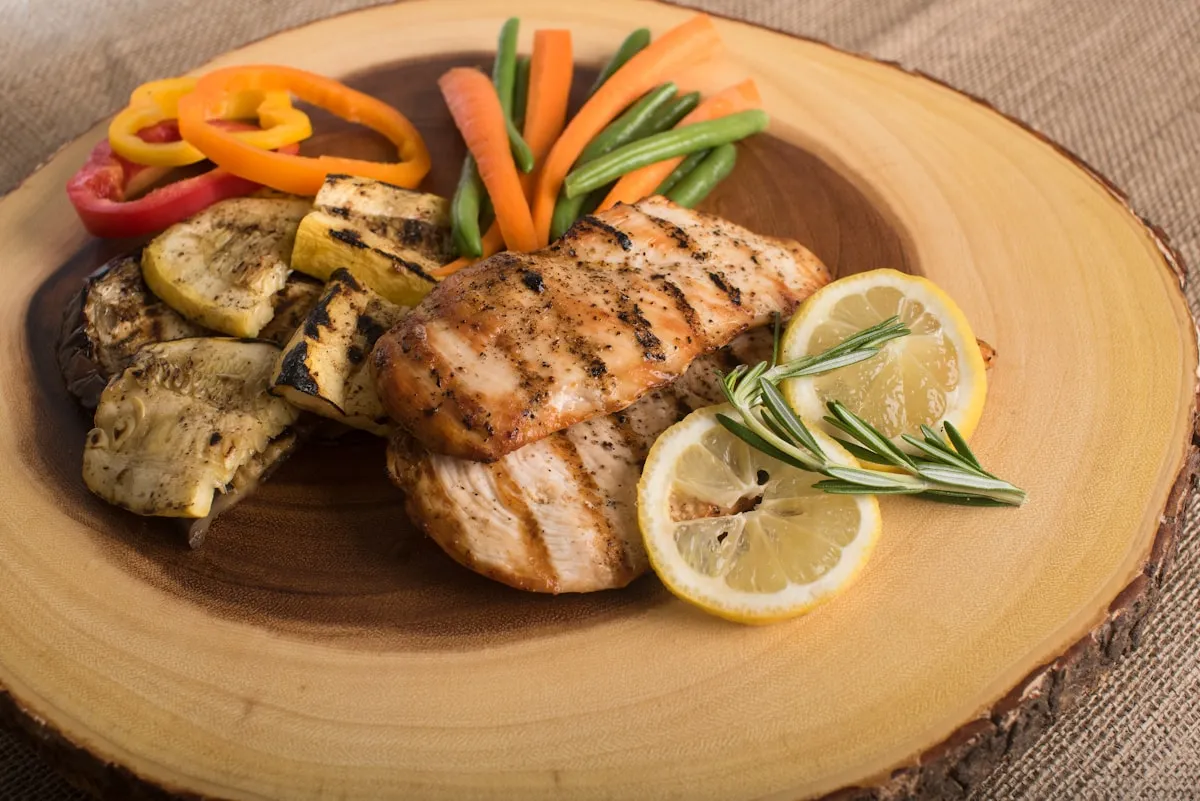
First, let’s talk about the Maillard reaction. Use high heat to sear your chicken thighs before anything else touches the pot. This isn't just about color; it’s about creating "fond", those beautiful brown bits stuck to the bottom of the pan. Those bits are concentrated flavor. Avoid the temptation to move the chicken too early. Let it develop a deep golden crust. This protein browning provides the savory backbone that prevents the lemon from becoming too sharp.
Once the chicken is out, focus on the rice. Do not just dump the liquid in. Toast your rice in the remaining fat for a minute or two. This "toasting" phase is a non-negotiable step. Scientifically, coating the rice grains in fat helps to seal the exterior starch, which means your rice will stay distinct and fluffy rather than turning into a porridge. It’s a small detail that makes a massive difference in healthy dinner ideas that actually feel indulgent.
Hydration is the next hurdle. Use a precise 2:1 ratio of liquid to rice. If you eyeball this, you risk a watery mess or crunchy centers. When you add your broth, use a wooden spoon to scrape the bottom of the pot. You want to dissolve that fond back into the liquid so the rice can soak up every ounce of chicken essence.
Keep the lid on and the heat low. Every time you lift the lid, you lose steam, which drops the temperature and ruins the hydration cycle. Trust the pot. The creaminess comes at the very end. While you might be tempted to boil the cream or yogurt with the rice, avoid this at all costs. High heat and prolonged cooking will cause dairy to split, leaving you with a grainy texture. Stir in your creamy elements only after the heat is off. This allows the residual heat to emulsify the fats with the rice starch, creating a glossy, velvet-like sauce.
Finally, let’s talk about the "lemon" in lemon herb chicken. Acidity is volatile. If you add all your lemon juice at the start, the brightness will cook off, leaving you with a dull, flat flavor. Instead, use the zest during the simmer to infuse the oils, and save the fresh juice for the final stir. This "late-acid" technique ensures each bite is vibrant and fresh.
Creative Variations for Every Table
The beauty of this recipe lies in its adaptability. While I swear by chicken thighs for their juicy fat content, you can certainly pivot based on what’s in your pantry or your dietary goals.
If you are looking to lean into even more healthy dinner ideas, try swapping white rice for a wild rice blend or farro. Keep in mind that ancient grains require significantly more liquid and a longer simmer time, usually closer to 40 minutes. The science remains the same: toast the grains first to develop that nutty depth.
For my dairy-free friends, don't feel left out. You can achieve a remarkably similar creaminess by stirring in a few tablespoons of full-fat coconut milk or a dollop of cashew cream at the end. The fat in the coconut milk mimics the mouthfeel of heavy cream without the lactose. Just be sure to double down on the herbs to balance the slight sweetness of the coconut.
If you’re a fan of air fryer recipes dinner enthusiasts might often suggest, you can actually air-fry the chicken separately to get an even crispier skin while the rice simmers. Simply place the crispy chicken on top of the finished creamy rice right before serving. It adds a wonderful textural contrast that is hard to achieve in a single pot. You can also toss in a handful of spinach or kale during the last two minutes of steaming. The residual heat will wilt the greens perfectly without overcooking them into a soggy mess.
The Perfect Balance: Side Dish Pairings
Even though this is a "one-pot" meal, a little side dish strategy can elevate the whole experience. Because this dish is rich and creamy, you want to pair it with something that offers high acidity or a sharp crunch to cleanse the palate.
A simple arugula salad with a puckeringly sour vinaigrette is my go-to. The peppery bite of the arugula cuts right through the fat of the cream and chicken. If you prefer cooked vegetables, try quick-charred broccoli or asparagus. Avoid anything too "heavy" or cheesy, like a gratin; you already have the comfort factor covered in the main pot.
Think about balance. If the chicken and rice are soft and velvety, your side should be crisp. If the main is savory and salty, a side with a hint of sweetness, like roasted carrots with a touch of honey, can provide a lovely counterpoint. This thoughtful pairing is what turns quick family meals into a complete dining experience.
Troubleshooting Your Pot: FAQ
What if my rice is still crunchy but the liquid is gone?
This usually happens because the heat was too high, causing the liquid to evaporate before the rice could absorb it. Don’t panic. Add a splash of hot broth (not cold!), put the lid back on, and let it sit off the heat for five minutes. The steam will finish the job.
Why did my sauce curdle?
Curdling happens when the protein in dairy (especially low-fat versions) is exposed to high heat or sudden acidity. Always use full-fat cream or yogurt, and always stir it in at the very end after the pot has been removed from the burner. If it does curdle, it’s still safe to eat, just less pretty!
Can I use chicken breasts instead of thighs?
You can, but be careful. Breasts dry out much faster than thighs during a long simmer. If you use breasts, sear them quickly and remove them, then only add them back for the last 5–7 minutes of the rice cooking time to ensure they stay tender.
Is this dish freezer-friendly?
Rice dishes with dairy can sometimes get a bit grainy when frozen and thawed. If you plan on freezing it, I recommend skipping the final creamy step and the lemon juice. Freeze the chicken and rice base, then add the cream and lemon when you reheat it on the stove.
My rice turned out mushy. What went wrong?
You likely stirred it! Stirring rice while it cooks releases excess amylopectin (starch), which creates a gummy texture. Next time, once the lid goes on, leave it alone. Also, check your liquid ratio; too much water is the number one cause of "mush."
Can I use brown rice?
Yes, but you’ll need to increase the liquid to about 2.5 cups per cup of rice and increase the cook time to 40–45 minutes. I suggest checking out our healthy section for more tips on whole-grain conversions.
Can I make this in an air fryer?
While you can't cook the rice itself in a basket, many air fryer recipes dinner fans use the air fryer to "finish" the chicken for maximum crunch. However, for a true one-pot experience, sticking to a heavy skillet or Dutch oven is best.
What herbs work best?
Rosemary and thyme are the "hard" herbs that can stand up to the simmer. Parsley, dill, and chives are "soft" herbs that should only be added at the end. Mixing both types gives you a complex, layered flavor profile that feels truly soulful.
{“@type”:”BlogPosting”,”image”:”https://cdn.marblism.com/hCesN5KociL.webp”,”author”:{“name”:”Penny”,”@type”:”Person”},”@context”:”https://schema.org”,”headline”:”One-Pot Creamy Lemon Herb Chicken and Rice”,”publisher”:{“logo”:{“url”:”https://cookpedia.com/logo.png”,”@type”:”ImageObject”},”name”:”Cookpedia”,”@type”:”Organization”},”description”:”Learn the science behind making the perfect one-pot creamy lemon herb chicken and rice. A quick family meal that is healthy, soulful, and delicious.”,”datePublished”:”2026-07-14″,”mainEntityOfPage”:{“@id”:”https://cookpedia.com/one-pot-creamy-lemon-herb-chicken-rice”,”@type”:”WebPage”}}