Recipe
Servings
Servings 1×
Ingredients
- Tofu
- Lentils
- Chickpeas
- Black beans
- Beans
- Quinoa
- Rice
- Potatoes
- Sweet potatoes
- Zucchini
- Kale
- Corn
- Avocado
- Tomatoes
- Fresh ginger
- Lemon
- Lime
- Tahini
Method
- Start with a grain or a hearty green.
- Use a ratio of about one cup of cooked grains per bowl.
- Use chickpeas for crunch, black beans for earthiness, or lentils for a savory feel.
- Use high heat and a little starch to get that crispy exterior.
- Combine a roasted vegetable with a raw, crunchy element.
- Add half an avocado, a sprinkle of toasted seeds, or a handful of crushed walnuts.
I know the feeling of staring into a fridge half-full of random vegetables and wondering how to turn them into something that doesn't taste like "sad salad." Transitioning to more plant-based dinner ideas shouldn't mean sacrificing the hearty, satisfying feeling of a traditional meal. My secret weapon is the dinner bowl, a modular, fail-proof system that ensures every bite is balanced, nutritious, and incredibly flavorful.
Instead of searching for complex recipes every night, you just need a framework. This isn't about following a script; it’s about understanding how textures and flavors play together. Once you master the five components, you can throw together quick meals in twenty minutes that feel like they came from a high-end kitchen.
The Science of the Perfect Bite: Acid, Fat, and Texture
Creating a bowl that truly satisfies requires more than just piling ingredients; you have to think like a food scientist. The key to a professional-grade bowl lies in the "Balance Trio": acidity, richness (fat), and structural contrast. Most home-cooked bowls fall flat because they are either too "soft" or too "one-note."
Step 1: Establish a Complex Base
Start with a grain or a hearty green. Avoid plain white rice if you want lasting energy. Choose whole grains like quinoa, farro, or brown rice. These provide a chewy, "toothy" texture that anchors the meal. Use a ratio of about one cup of cooked grains per bowl.
The science here is simple: whole grains are rich in complex carbohydrates and fiber, which slow down digestion and provide a steady release of glucose. This prevents the "sugar crash" often associated with refined carbs. If you are leaning into healthy dinner ideas, consider mixing your grains with massaged kale or arugula. Massaging kale with a little salt and lemon juice breaks down the tough cellulose fibers, making it tender and much easier to digest.
Step 2: Choose a Structural Protein
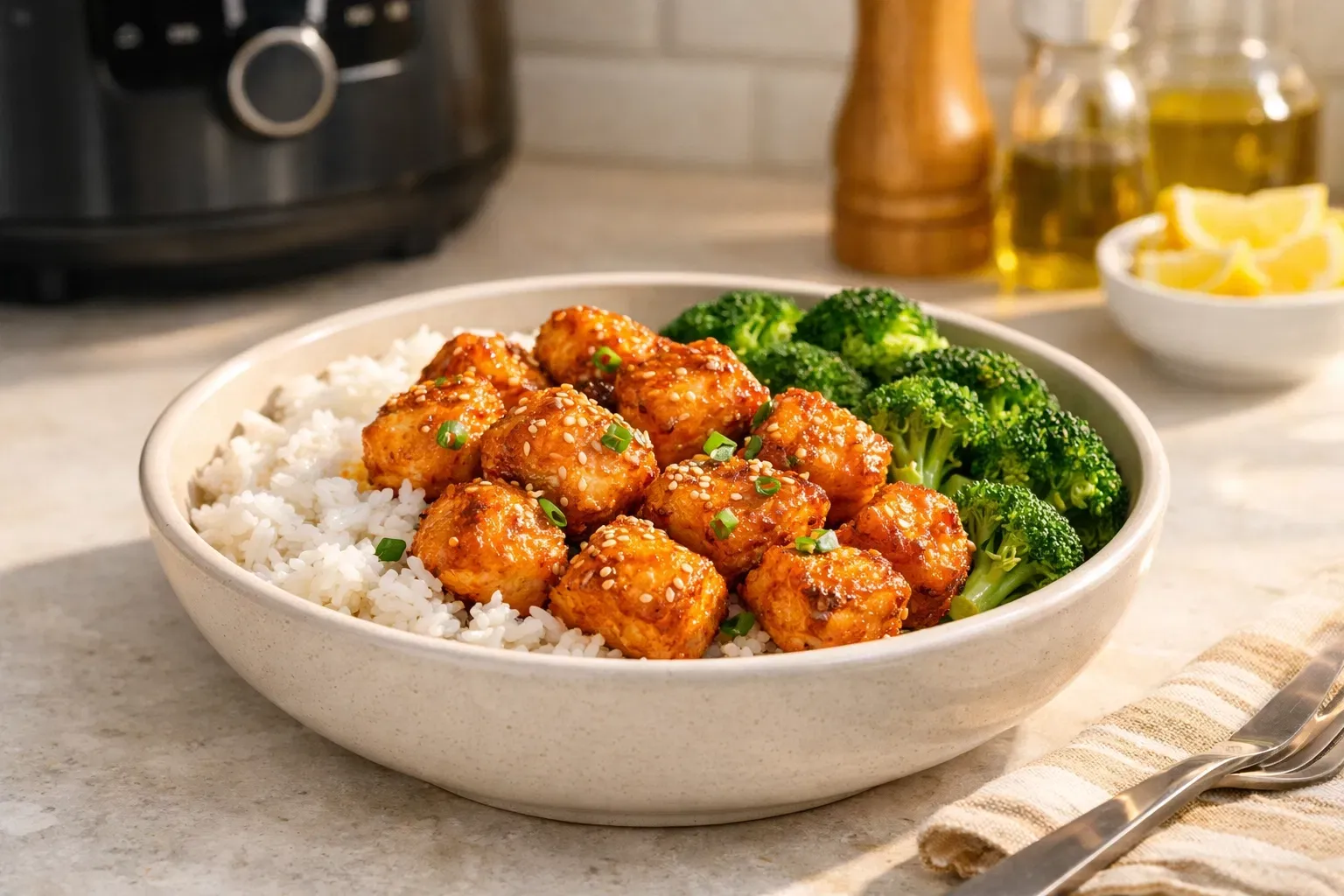
A plant-based bowl needs a "solid" center. Legumes are the gold standard here. Use chickpeas for crunch, black beans for earthiness, or lentils for a savory feel. If you want something more substantial, air-fried tofu or tempeh provides that essential "meatiness."
When preparing tofu, aim for the Maillard reaction, the chemical reaction between amino acids and reducing sugars that gives browned food its distinctive flavor. Use high heat and a little starch to get that crispy exterior.
Step 3: Layer Your Vegetables by Texture
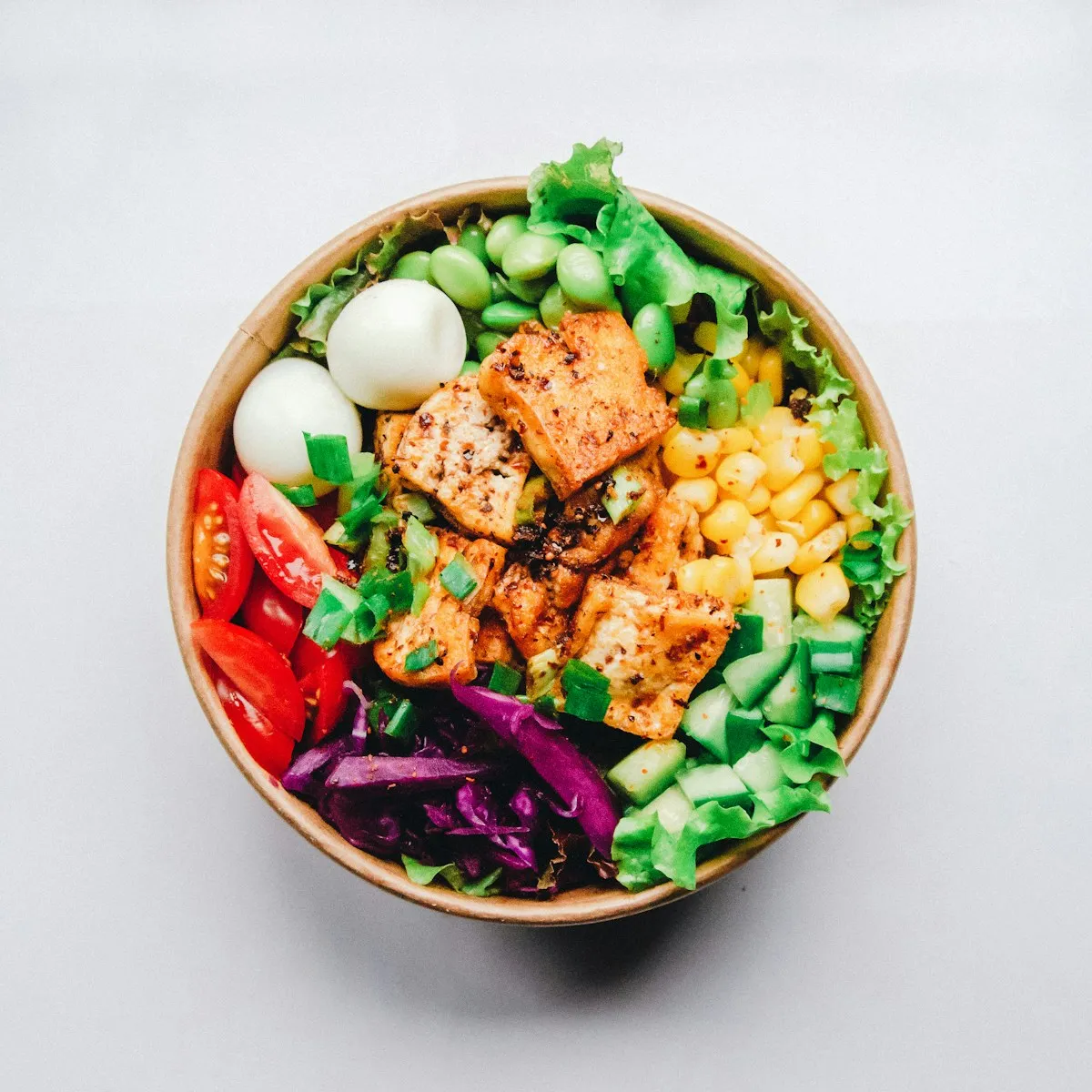
Don't just steam everything. Aim for at least two different vegetable preparations. Combine a roasted vegetable with a raw, crunchy element. This creates a temperature and texture contrast that keeps your palate engaged.
Roasted vegetables bring out natural sugars through caramelization. However, remember the "acid rule" when roasting: adding acid (like lemon juice or vinegar) too early can inhibit the breakdown of pectin in the cell walls, causing the vegetables to stay tough. Save the acidic dressings for the very end of the cooking process or as a garnish.
Step 4: Add the Lipid Layer (Healthy Fats)
Fat is the vehicle for flavor. Without it, your bowl will feel thin and unfulfilling. Add half an avocado, a sprinkle of toasted seeds, or a handful of crushed walnuts.
From a scientific perspective, many essential nutrients in vegetables, like vitamins A, D, E, and K, are fat-soluble. This means your body cannot absorb them effectively without the presence of dietary fat. Furthermore, fat coats the tongue, which helps to mitigate the bitterness found in greens like radicchio or kale, making the entire dish more palatable.
Step 5: Master the Sauce (The Emulsification)
The sauce is the soul of the bowl. Treat your sauce as the "acidic lever." If your bowl is rich with avocado and roasted sweet potatoes, use a sharp, vinegary dressing. If your bowl is lean and full of raw greens, use a creamy, fat-based sauce like lemon-tahini.
Tahini is a fantastic emulsifier. It contains naturally occurring lecithins that help bond oil and water-based ingredients (like lemon juice) into a smooth, creamy dressing. Always finish with a squeeze of fresh lime or lemon right before serving to "wake up" the flavors.
Strategic Variations for Every Mood
The beauty of this framework is its versatility. You can pivot between cuisines just by swapping your protein and sauce.
For a Mediterranean Vibe, use farro as your base, chickpeas as your protein, and a mix of roasted zucchini and raw cherry tomatoes. Top it with olives for fat and a garlicky lemon-tahini sauce for acid. This is one of my favorite ways to keep dinner fresh and light during the summer months.
If you’re craving something bolder, go for a Southwest Power Bowl. Use brown rice, black beans, and charred corn. Add a generous portion of avocado for richness and a spicy lime-cilantro vinaigrette. For extra texture, throw on some toasted pepitas.
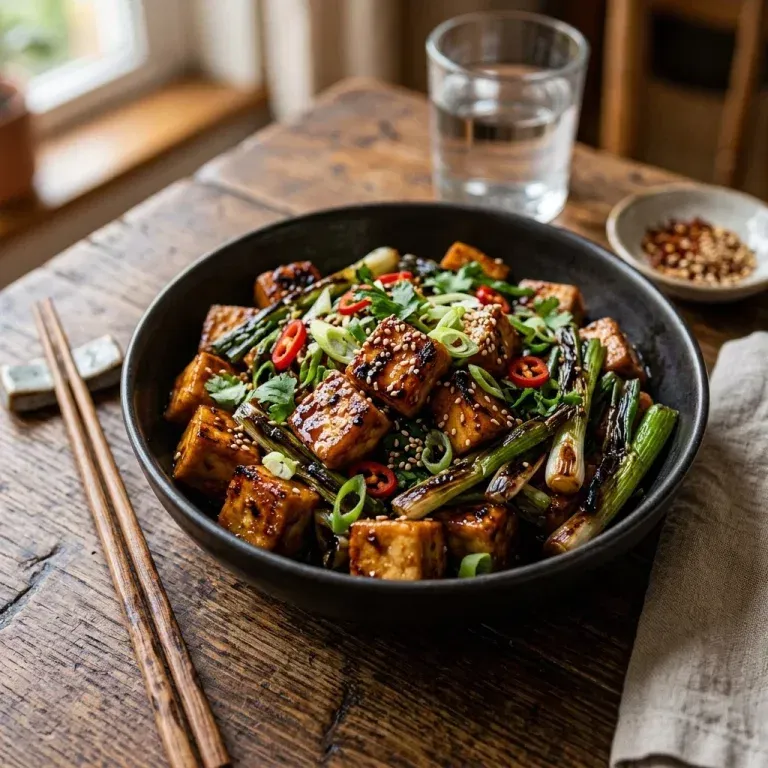
When you need a high-protein option, look toward air fryer recipes dinner styles. Crisping up tofu or tempeh in the air fryer adds a professional-level crunch. Pair this with steamed edamame, pickled ginger, and a miso-tahini dressing for a Japanese-inspired bowl that hits every umami note.
Side Dish Pairings: Balancing the Plate
While the bowl is designed to be a complete meal, sometimes you want a little something extra on the side. The goal of a side dish is to provide what the main bowl lacks in terms of flavor profile or temperature.
If your bowl is very "grain-heavy" and dense, pair it with a light, acidic side. A vinegar-based cucumber salad or a simple plate of sliced citrus fruits works wonders. The acidity cleanses the palate between bites of the rich, starchy bowl, making each spoonful feel as fresh as the first.
On the flip side, if you’ve made a very "green" and light bowl, pair it with a warm, comforting side. A small cup of miso soup or a slice of toasted sourdough with a bit of plant-based spread adds the "warmth" and "weight" that makes a meal feel truly finished. Always follow the rule of opposites: if the main dish is soft, the side should be crunchy.
FAQ: Troubleshooting Your Plant-Based Bowls
Why do my grains always turn out mushy?
Check your water-to-grain ratio and your heat. Most grains suffer from "steam-lock" if they sit in too much water for too long. For quinoa, use a 1:2 ratio (grain to water) and fluff it with a fork immediately after the water is absorbed. For brown rice, try the "pasta method": boil it in a large pot of water like pasta, then drain it when it reaches the perfect "al dente" texture. This removes excess surface starch and prevents clumping.
How can I make these as quick family meals during the week?
The secret is "component prepping." Don't build the bowls in advance, as the dressing will wilt the greens and make the grains soggy. Instead, roast a large batch of vegetables, cook a pot of grains, and whisk together a jar of sauce on Sunday. When dinner time hits, everyone can assemble their own bowl in under five minutes. This allows each family member to customize their meal to their own taste.
Why does my bowl taste "flat" or boring?
You are likely missing salt or acid. Salt doesn't just make things salty; it suppresses bitterness and enhances the perception of sweetness. Acid, on the other hand, provides "brightness." If a dish tastes heavy or dull, a squeeze of lemon or a splash of apple cider vinegar will often fix it instantly. Also, ensure you are seasoning every layer, salt the water for your grains and season your vegetables before they go into the oven.
Can I use frozen vegetables for my bowls?
Yes, but be careful with the texture. Frozen vegetables have already been blanched, which weakens their cell structure. If you roast them, do so at a very high temperature (425°F/220°C) straight from frozen to evaporate the ice crystals quickly and achieve some browning. Avoid boiling them, as they will likely turn to mush.
Is there a way to make the protein more exciting?
Texture is key. If you are using beans, try pan-frying them with a little smoked paprika and garlic powder until the skins pop and get crispy. For tofu, always press the water out for at least 15 minutes before cooking. This creates more space for the marinade to soak in and allows the exterior to crisp up properly instead of just steaming in its own moisture.
How do I store leftover bowls?
Store the components in separate airtight containers in the fridge. Grains and proteins will last 4-5 days, while cut vegetables are best used within 2-3 days. Keep the sauce in a small jar and give it a good shake before using, as natural separation is common in homemade dressings.
{“faq”:{“@type”:”FAQPage”,”mainEntity”:[{“name”:”Why do my grains always turn out mushy?”,”@type”:”Question”,”acceptedAnswer”:{“text”:”Mushy grains often result from too much water or excess surface starch. Use the ‘pasta method’ for rice by boiling in excess water and draining, or ensure a strict 1:2 ratio for quinoa and fluff immediately after cooking.”,”@type”:”Answer”}},{“name”:”How can I make these as quick family meals during the week?”,”@type”:”Question”,”acceptedAnswer”:{“text”:”The best approach is component prepping. Cook your grains, proteins, and vegetables in bulk on weekends, and store them separately. This allows for assembly in under five minutes on busy weeknights.”,”@type”:”Answer”}},{“name”:”Why does my bowl taste ‘flat’ or boring?”,”@type”:”Question”,”acceptedAnswer”:{“text”:”Blandness is usually a lack of salt or acid. Salt enhances existing flavors while acid (like lemon or vinegar) provides brightness and cuts through richness.”,”@type”:”Answer”}}]},”@type”:”BlogPosting”,”image”:”https://cdn.marblism.com/-ihaogPhN2P.webp”,”author”:{“name”:”Penny”,”@type”:”Person”},”@context”:”https://schema.org”,”headline”:”The 5-Step Framework for Building a Perfect Plant-Based Dinner Bowl Every Time”,”publisher”:{“logo”:{“url”:”https://cookpedia.com/logo.png”,”@type”:”ImageObject”},”name”:”Cookpedia”,”@type”:”Organization”},”description”:”Learn the essential framework for creating balanced, delicious plant-based dinner bowls focusing on grains, protein, texture, and flavor science.”,”datePublished”:”2026-07-15″,”mainEntityOfPage”:{“@id”:”https://cookpedia.com/perfect-plant-based-dinner-bowl-framework”,”@type”:”WebPage”}}