Recipe
Servings
Servings 1×
Ingredients
- Black beans
- Beans
- Quinoa
- Pasta
- Rice
- Eggs
- Bread
- Potatoes
- Sweet potatoes
- Broccoli
- Carrots
- Zucchini
- Corn
- Cucumber
- Avocado
- Apple
- Onion
- Fresh ginger
Method
- Use two sheet pans if you have to.
- Use a high-quality oil with a high smoke point: avocado oil or grapeseed oil are my go-tos: to ensure you can crank that oven up to 400°F or 425°F without filling your kitchen with smoke.
- Pat them down with a clean kitchen towel.
- Season aggressively with salt and pepper now; the heat will help those flavors penetrate.
- Bring it to a boil, drop it to a whisper of a simmer, and cover it.
- Roast up some eggplant, red onions, and zucchini.
You know those evenings when you’re staring into the fridge, wondering how to turn a random sweet potato and a lonely head of broccoli into something that actually feels like a meal? We’ve all been there. While I love a simple pasta as much as the next person, sometimes your body craves something that feels a bit more intentional. That’s where the Buddha bowl comes in. It’s the ultimate solution for plant-based dinner ideas that don't require a culinary degree or a three-hour commitment. My blog is all about making real food accessible, and today, I’m showing you how to master the science of the roast and the fluff to create a bowl that’s as soul-warming as it is healthy.
Mastering the Roast: Science and Technique
If your roasted vegetables usually come out soggy, sad, and grayish, I have some tough love for you: you’re likely suffocating them. Roasting is a high-heat, dry-air game. To get those crispy, caramelized edges that make healthy weeknight dinners feel like a treat, you have to understand the Maillard reaction. This is the chemical dance between amino acids and reducing sugars that happens when food hits high heat. It’s what gives roasted carrots their sweetness and charred broccoli its savory depth.
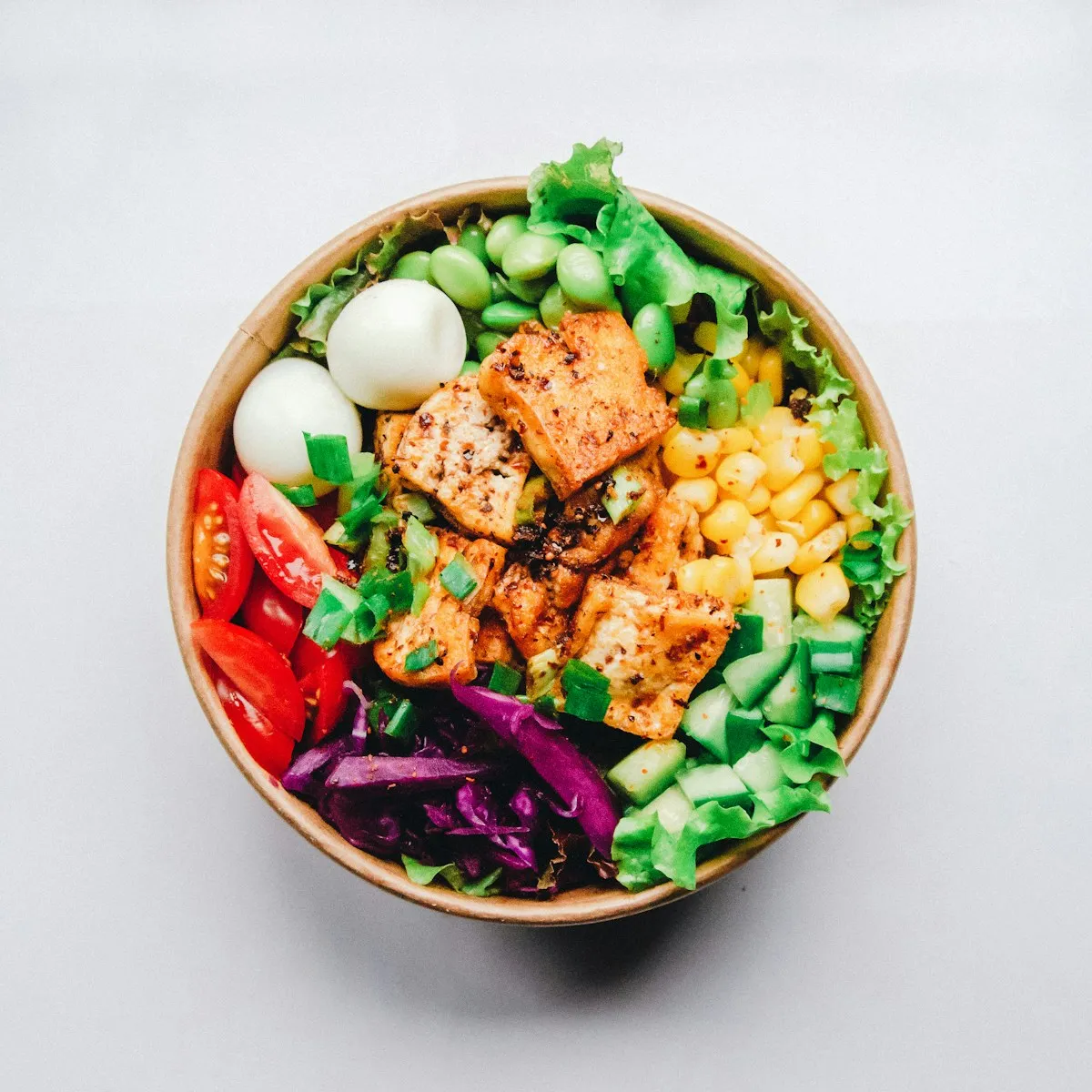
First, stop overcrowding your pan. Seriously. If your vegetables are touching or, heaven forbid, overlapping, they aren't roasting; they’re steaming in each other's moisture. Give them space. Use two sheet pans if you have to. Use a high-quality oil with a high smoke point: avocado oil or grapeseed oil are my go-tos: to ensure you can crank that oven up to 400°F or 425°F without filling your kitchen with smoke.
Dry your vegetables thoroughly before they even see a drop of oil. Surface moisture is the enemy of the crunch. If they’re wet, the energy of the oven goes into evaporating that water rather than browning the vegetable. Pat them down with a clean kitchen towel. Once they’re dry, toss them in a bowl with enough oil to coat, but not drown them. Season aggressively with salt and pepper now; the heat will help those flavors penetrate. Save the fresh herbs for the very end, or they’ll just turn into bitter, burnt flakes in the oven.
While the veggies are doing their thing, let’s talk quinoa. It is the backbone of these quick healthy meals, but it’s often prepared poorly. Quinoa contains saponins: a natural coating that can taste bitter or soapy. Always rinse your quinoa in a fine-mesh strainer under cold water until the water runs clear.
For the perfect texture, use a ratio of 1 part quinoa to 1.75 parts liquid. Using too much water is the fastest way to mushy quinoa. Bring it to a boil, drop it to a whisper of a simmer, and cover it. Here is the non-negotiable part: once the liquid is absorbed, turn off the heat and let it sit, covered, for at least ten minutes. This allows the steam to finish the job gently, resulting in those distinct, curly grains that have a pleasant "pop" when you bite into them. Fluff it with a fork: never a spoon: to keep the grains separate and light.
Creative Variations for Every Palate
The beauty of the Buddha bowl is that it’s essentially a template. Once you master the base, you can pivot faster than a professional athlete. For a Mediterranean vibe, lean into the vegetarian dinner recipes playbook. Roast up some eggplant, red onions, and zucchini. Toss your quinoa with dried oregano and lemon zest, then top the whole thing with a massive dollop of hummus and some briny kalamata olives.
If you're craving something with a bit of a kick, go for a Southwest spin. Roast sweet potatoes and corn kernels with plenty of smoked paprika and cumin. Use black beans as your protein source and finish the bowl with sliced avocado and a squeeze of lime. This is one of those budget-friendly recipes that utilizes pantry staples like beans and grains to create something high-impact.
For those nights when you want an Asian-inspired profile, roast your broccoli and bell peppers with a splash of toasted sesame oil. Swap the standard dressing for a ginger-miso glaze. You can even use leftovers from this meal to create easy healthy breakfasts the next morning by topping a smaller portion of the quinoa and veg with a jammy soft-boiled egg. It's a far cry from a sugary cereal and much more satisfying.
Perfect Side Dish Pairings
A Buddha bowl is a complete meal, but the right side can elevate it from a "Tuesday night dinner" to a "weekend feast." The key to pairing is balance. Since roasted vegetables and quinoa are earthy and rich, you need acidity and crunch to cut through.
A quick pickled red onion is my favorite addition. Just soak thinly sliced onions in apple cider vinegar with a pinch of sugar and salt for twenty minutes while your veggies roast. The bright pink pop and the sharp vinegary bite are essential. Alternatively, a simple cucumber and radish salad with a light rice vinegar dressing provides a cooling contrast to the warm, roasted elements.
If you find yourself missing the "one-pot" feel of one-pot meals, serve your bowl with a side of warm pita or crusty sourdough bread. It’s perfect for scooping up the last bits of tahini sauce and stray quinoa grains. Avoid heavy, creamy sides; the bowl usually features a creamy dressing like tahini or cashew cream, so you don't want to overdo the richness. Keep the sides light, bright, and fresh.
FAQ: Troubleshooting Your Buddha Bowl
Why is my quinoa always soggy?
You’re likely using too much water or not letting it rest. Stick to the 1:1.75 ratio and always, always give it that 10-minute rest off the heat with the lid on. If it's still wet, you can spread it out on a baking sheet for a few minutes to let the excess steam escape.
Can I make this a 15-minute meal?
True roasting takes time: usually 25 to 40 minutes. If you need 15-minute meals, you can cheat by sautéing the vegetables over high heat in a cast-iron skillet to get some char, but you won't get that deep, oven-roasted sweetness. Pre-cooking your quinoa earlier in the week is the best way to speed this up.
What if I’m looking for keto for beginners options?
Quinoa is a high-carb grain, so it’s not traditionally keto-friendly. However, you can easily swap the quinoa base for roasted cauliflower rice or a bed of sautéed spinach. Keep the roasted low-carb veggies like broccoli, asparagus, and peppers, and double down on the healthy fats in your dressing.
How do I prevent my vegetables from burning?
Every oven has hot spots. Rotate your pan halfway through the cooking time. Also, be mindful of sugar content. Vegetables like carrots or beets have more natural sugar and will brown faster than something like cauliflower. If they’re browning too quickly, move the pan to a lower rack or slightly reduce the temperature.
Is this good for meal prep?
Absolutely. In fact, these bowls are better the next day after the flavors have had time to mingle. Keep the dressing separate until you're ready to eat to prevent the quinoa from getting waterlogged. These are the ultimate healthy weeknight dinners for people who don't want to cook every single night.
My dressing is too thick, what do I do?
Tahini-based dressings are notorious for "seizing" or thickening when you add lemon juice. Don't panic. Just whisk in a teaspoon of warm water at a time until it reaches your desired drizzling consistency. It’ll smooth out and become creamy again.
{“@type”:”BlogPosting”,”image”:”https://cdn.marblism.com/Kh3LkBSN29B.webp”,”author”:{“name”:”Penny”,”@type”:”Person”},”faqPage”:{“@type”:”FAQPage”,”mainEntity”:[{“name”:”Why is my quinoa always soggy?”,”@type”:”Question”,”acceptedAnswer”:{“text”:”You’re likely using too much water or not letting it rest. Stick to the 1:1.75 ratio and always let it rest for 10 minutes off the heat.”,”@type”:”Answer”}},{“name”:”Can I make this a 15-minute meal?”,”@type”:”Question”,”acceptedAnswer”:{“text”:”Roasting takes 25-40 minutes, but you can speed it up by pre-cooking quinoa or sautéing veggies at high heat instead of roasting.”,”@type”:”Answer”}},{“name”:”How do I prevent my vegetables from burning?”,”@type”:”Question”,”acceptedAnswer”:{“text”:”Rotate your pan halfway through and be mindful of high-sugar vegetables like carrots which brown faster.”,”@type”:”Answer”}}]},”@context”:”https://schema.org”,”headline”:”Plant-Based Roasted Veggie and Quinoa Buddha Bowls”,”publisher”:{“logo”:{“url”:”https://cdn.marblism.com/KxroJ1kM_KA.webp”,”@type”:”ImageObject”},”name”:”Cookpedia”,”@type”:”Organization”},”description”:”Learn the science of roasting and the secrets to perfectly fluffy quinoa with our plant-based Buddha bowl guide. Perfect for busy weeknights.”,”datePublished”:”2026-07-13″,”mainEntityOfPage”:{“@id”:”https://cookpedia.com/plant-based-roasted-veggie-quinoa-buddha-bowls”,”@type”:”WebPage”}}