Recipe
Servings
Servings 1×
Ingredients
- Chicken
- Salmon
- Shrimp
- Tofu
- Quinoa
- Pasta
- Rice
- Eggs
- Tortillas
- Bread
- Broccoli
- Carrots
- Zucchini
- Peas
- Cucumber
- Avocado
- Lemon
- Cooking oil
Method
- Cut your proteins and vegetables into small, uniform pieces.
- Slice that same breast into half-inch strips, and you’ve increased the surface area exposed to the heat by fourfold.
- Use oils with high smoke points, like avocado or grapeseed, to avoid filling your kitchen with acrid smoke.
- Remove the lid once the water evaporates to let the edges crisp back up.
- Press your tofu for a few minutes while your pan heats up to ensure it sears rather than steams.
- Toss it with a quick sesame-soy glaze at the very end.
You have fifteen minutes. The kids are hungry, the laptop is still humming in the other room, and the temptation to order a greasy takeout bag is reaching a fever pitch. I get it. We’ve all been there, staring into the fridge like it’s a modern art gallery we don’t quite understand. But here is the truth: you don’t need an hour or a culinary degree to put a real dinner on the table. You just need to understand the physics of your kitchen.
If you can master a few basic laws of heat and surface area, you can churn out quick healthy meals that actually taste like they took effort. Stop viewing cooking as a chore and start viewing it as a high-speed efficiency challenge. Let’s get you moving.
The Science of Speed: Heat, Surface, and Steam
To cook fast, you have to think like a scientist. The primary bottleneck in any kitchen is the time it takes for heat to travel from your burner to the center of your food. To hack this, you must manipulate the surface-area-to-volume ratio.
Optimize Your Surface Area
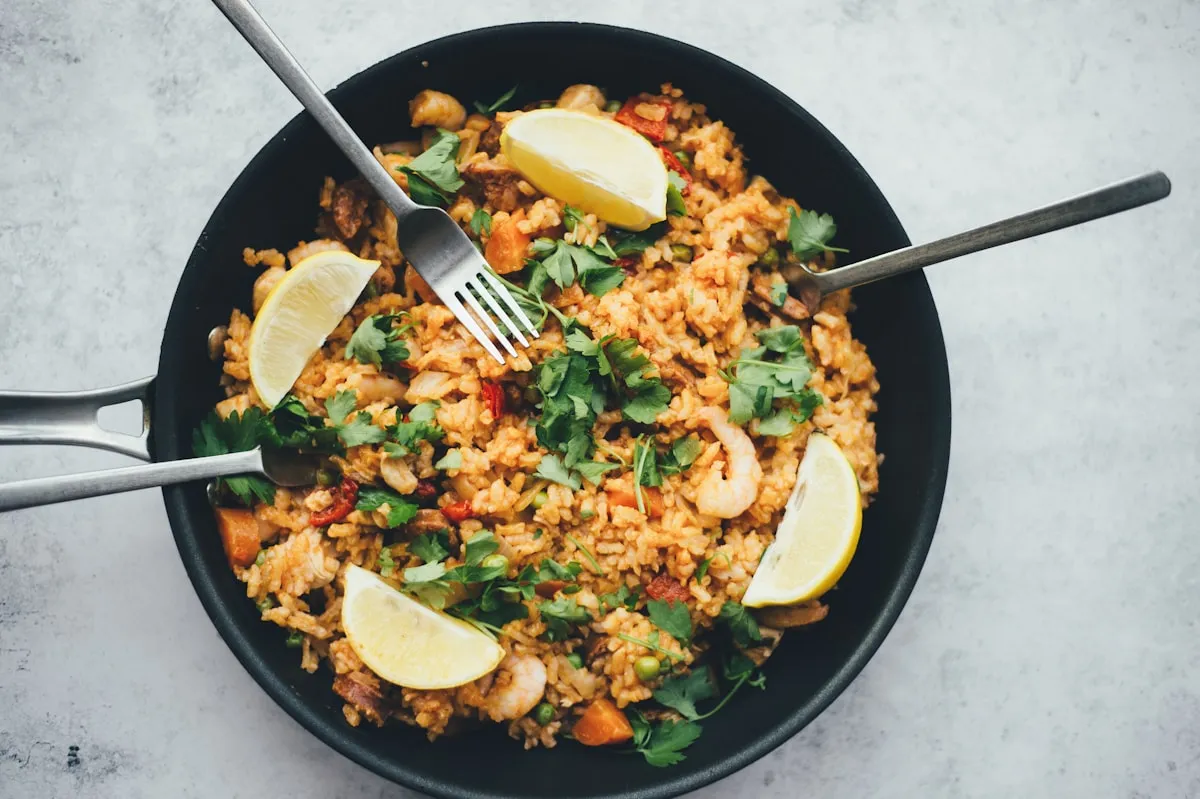
Cut your proteins and vegetables into small, uniform pieces. If you throw a whole chicken breast into a pan, you are waiting for heat to crawl through two inches of dense muscle. Slice that same breast into half-inch strips, and you’ve increased the surface area exposed to the heat by fourfold. This isn't just about speed; it's about the Maillard reaction. This chemical reaction between amino acids and reducing sugars gives browned food its distinctive flavor. More surface area means more browning, which means more flavor in a fraction of the time.
Harness the Power of High Heat
Don’t be afraid of the "High" setting on your stove. For a successful stir-fry, your pan needs to be shimmering before the first drop of oil touches it. High heat allows for rapid evaporation of surface moisture, preventing your food from "stewing" in its own juices. This is how you get that crisp-tender texture in vegetables rather than a soggy mess. Use oils with high smoke points, like avocado or grapeseed, to avoid filling your kitchen with acrid smoke.
Convection and the Air Fryer Secret
If you aren't utilizing an air fryer for your air fryer recipes dinner rotation, you are leaving minutes on the table. An air fryer is essentially a high-powered convection oven. It forces hot air around the food at high velocity, which strips away the "cold air" boundary layer that usually surrounds ingredients in a standard oven. This results in incredibly fast "frying" effects with minimal oil. It’s perfect for quick family meals where you need a main protein done in twelve minutes while you toss a salad.
The Steam Shield
When you need to cook dense vegetables like broccoli or carrots in under five minutes, use the steam shield method. Sauté them briefly in a hot pan, add a tablespoon of water, and immediately slap a lid on it. The trapped steam is a far more efficient conductor of heat than air, cooking the vegetables through to the core in seconds. Remove the lid once the water evaporates to let the edges crisp back up.
Creative Variations for Every Palate
The beauty of a 15-minute framework is that the "formula" remains the same while the flavors shift. Once you have your fast-cooking "engine" (like a stir-fry or a high-heat sear), you can swap ingredients based on what’s in your pantry.
Plant-Based Power
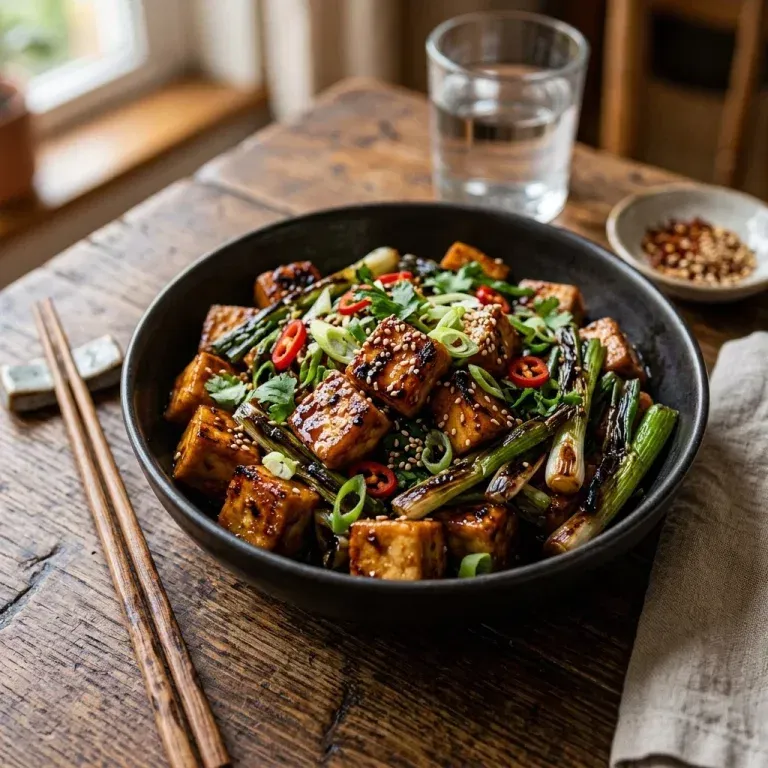
Swap animal proteins for extra-firm tofu or tempeh. The key here is moisture control. Press your tofu for a few minutes while your pan heats up to ensure it sears rather than steams. Toss it with a quick sesame-soy glaze at the very end. Because tofu doesn't have the same food safety "doneness" requirements as poultry, it’s one of the most reliable healthy dinner ideas for those truly frantic nights.
The Mediterranean Quick-Zip
Focus on acidity to cut through richness. Use a base of quick-cooking grains (like couscous, which only needs a five-minute soak in boiling water) and top it with seared shrimp and a heavy squeeze of lemon. The citric acid brightens the dish and balances the savory fats, making a simple meal feel like a restaurant-quality experience.
Breakfast for Dinner (The Shakshuka Hack)
Eggs are the ultimate 15-minute protein. A quick tomato-base skillet meal, where eggs are poached directly in a simmering sauce, provides a high-protein, low-effort solution. It’s a one-pan wonder that minimizes cleanup, the ultimate goal for any busy professional.
Mastering Side Dish Pairings for Balance
A great meal is about more than just the main event; it’s about how the components interact. When your main dish is a fast, high-heat stir-fry or a savory air fryer dinner, your sides should provide contrast.
- Texture Contrast: If your main is soft (like a creamy pasta or poached eggs), pair it with a crisp, raw arugula salad. The peppery bite of the greens cuts through the creaminess.
- Temperature Contrast: A hot, seared protein pairs beautifully with a chilled cucumber and vinegar salad. This dual-temperature approach makes the meal feel more complex than a 15-minute prep would suggest.
- Speed Grains: Forget the 40-minute brown rice. Use quinoa, couscous, or pre-steamed pouches. These provide the necessary carbohydrates for quick family meals without the wait time.
Aim for a balance of a "hot and fast" main with a "cool and raw" side. This ensures you aren't juggling three different pans at once, which is the fastest way to burn your dinner and lose your mind.
Quick Healthy Meals FAQ
Why is my food burning on the outside but raw in the middle?
This is almost always a result of pieces being too large or the heat being too high without enough movement. If you’re searing a thicker piece of fish or meat, start on high heat to get your color, then immediately drop the temperature to medium to let the heat penetrate the center. Remember the rule: smaller cuts equal faster cooking. If it's a 15-minute meal, nothing should be thicker than an inch.
Can I use frozen vegetables for 15-minute meals?
Absolutely, but you have to account for the water content. Frozen vegetables are often blanched before freezing, meaning they are partially cooked. However, they release a lot of moisture as they thaw in the pan. To avoid a "watery" stir-fry, cook your protein first, remove it, then crank the heat to max and toss the frozen veggies until the water evaporates before adding the protein back in.
How do I prevent my "fast" chicken from being dry?
The secret is "carryover cooking." If you cook your chicken until it looks perfectly done in the pan, it will be overdone by the time it reaches your plate. Take the protein off the heat when it is just a few degrees shy of its target temperature. Wrap it loosely in foil or just let it sit on a cutting board for two minutes. The internal residual heat will finish the job, leaving you with a juicy result.
What are the best healthy dinner ideas for weight management?
Focus on high-volume, low-calorie density. Use your 15-minute window to stir-fry massive amounts of "bulk" vegetables like zucchini, bell peppers, and snap peas. Pair them with a lean protein like shrimp or tofu. This allows you to eat a large, satisfying portion while keeping the caloric load low.
Is it okay to use pre-cut vegetables from the store?
If it saves you ten minutes of chopping and prevents you from ordering a pizza, then yes, it is more than "okay": it's a strategic win. While pre-cut veggies can be slightly more expensive, the "time tax" is often worth it for quick healthy meals on a Tuesday night. Just check for freshness; pre-cut greens oxidize faster than whole ones.
How do I keep my air fryer from smoking?
If you are making air fryer recipes dinner with higher-fat proteins (like salmon or chicken thighs), the fat can drip into the bottom tray and smoke. Place a single slice of bread in the bottom of the air fryer basket (under the rack) to soak up the grease, or add a tablespoon of water to the bottom tray to keep the temperature of the drippings below the smoke point.
{“@type”:”BlogPosting”,”image”:”https://cdn.marblism.com/H3jIyWSLNIU.webp”,”author”:{“name”:”Penny”,”@type”:”Person”},”@context”:”https://schema.org”,”headline”:”How to Create Quick Healthy Meals in 15 Minutes (Even on Your Busiest Days)”,”publisher”:{“logo”:{“url”:”https://cookpedia.com/logo.png”,”@type”:”ImageObject”},”name”:”Cookpedia”,”@type”:”Organization”},”description”:”Learn the science and techniques behind creating quick healthy meals in just 15 minutes. Master high-heat cooking, air fryer hacks, and smart pairings for busy weeknights.”,”datePublished”:”2026-07-16″}