Recipe
Servings
Servings 1×
Ingredients
- Chicken
- Orzo
- Pasta
- Rice
- Spinach
- Tomatoes
- Lemon
- Cream
- Feta
- Chorizo
- Butter
- Cooking oil
- Chili seasoning
Method
- Start with a ratio of roughly 2.5 parts liquid to 1 part orzo.
- Use a high-quality vegetable or chicken broth to build a deep flavor base.
- Stir Like You Mean It You don’t need to stir constantly like a risotto, but don't walk away to check your emails either.
- Use a flat-edged wooden spoon to scrape the bottom of the pan frequently.
- Cover the pan and let it sit for two minutes.
- Add a teaspoon of smoked paprika or calabrian chili paste to elevate the smokiness.
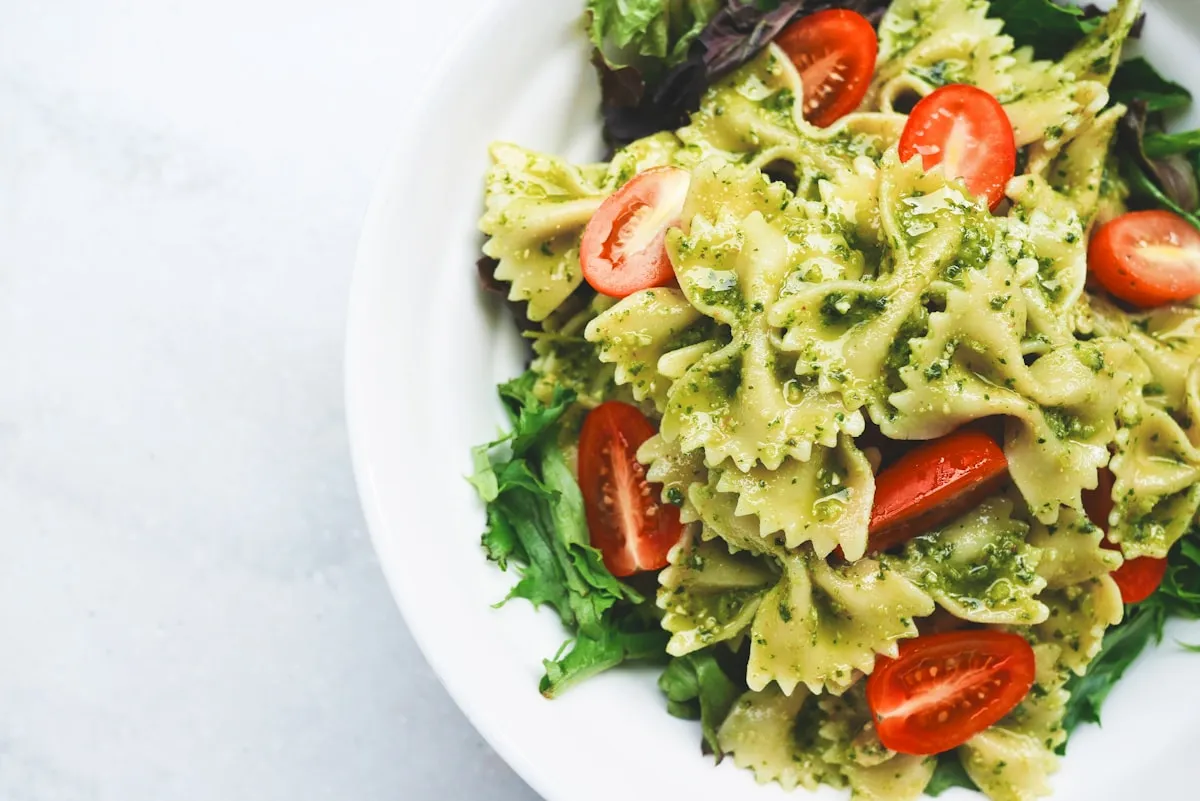
If you’ve ever found yourself staring at a pile of dirty pots and wondering why you didn't just order takeout, I see you. We’ve all been there. But what if I told you that the secret to restaurant-quality texture doesn't require a mountain of dishes or a degree in culinary arts? Welcome to the world of one pot meals, where we let science do the heavy lifting while we enjoy a glass of wine. This creamy tomato orzo isn't just another dinner; it’s a masterclass in how to manipulate starch to create a sauce so silky you’ll swear there’s a pint of heavy cream in there (spoiler: there isn't).
The Starchy Magic: Tips & Technique
The magic of this dish lies in the humble orzo. While it looks like rice, it’s actually pasta, and that distinction is everything. When you boil pasta in a giant pot of salted water and drain it, you are literally pouring the "liquid gold" down the sink. In one-pot cooking, we keep that starch right where it belongs: in the pan.
Understand the Amylopectin Release
Pasta is essentially a matrix of protein and starch. As orzo simmers, the starch granules (specifically amylopectin) absorb water, swell, and eventually burst. In a traditional boil-and-drain scenario, this starch is lost. In our one-pot method, these tiny starch molecules act as a natural emulsifier. They bind the fats from your olive oil or butter with the acidity of the tomatoes and the water from your broth. This creates a stable emulsion that results in a thick, glossy sauce without the need for a flour-based roux.
Master the Liquid-to-Pasta Ratio
Because we aren't draining the liquid, precision is your best friend. Start with a ratio of roughly 2.5 parts liquid to 1 part orzo. Use a high-quality vegetable or chicken broth to build a deep flavor base. If you see the liquid disappearing before the orzo is tender, add more broth a quarter-cup at a time. This is one of those quick family meals where you have to stay present. Watch the pan; the moment the orzo looks "plump" and the liquid has transformed into a thick glaze, you’ve hit the sweet spot.
Stir Like You Mean It
You don’t need to stir constantly like a risotto, but don't walk away to check your emails either. Frequent stirring encourages the orzo to rub against itself, which physically knocks more starch off the surface of the pasta and into the liquid. This mechanical action is what transforms a watery soup into a creamy masterpiece. Use a flat-edged wooden spoon to scrape the bottom of the pan frequently. This prevents the starch from settling and scorching, which would ruin the delicate sweetness of the tomatoes.
Embrace the Residual Heat
Starch continues to thicken as it cools. When the orzo is just shy of al dente and there’s still a bit of loose liquid in the pan, turn off the heat. Cover the pan and let it sit for two minutes. This "carry-over" cooking allows the pasta to finish softening while the starch molecules set into a perfect, velvety consistency. This is the difference between a soggy mess and a professional finish.
Flavor Profiles and Variations
Once you’ve mastered the science of the starch, you can treat this recipe like a blank canvas. The goal is to balance the richness of the starch with acidity or heat to keep your palate interested.
The Mediterranean Twist
Stir in a handful of fresh baby spinach and a crumble of salty feta right at the end. The residual heat will wilt the spinach in seconds, and the acidity of the feta provides a sharp contrast to the creamy tomato base. This version is a top-tier choice for healthy dinner ideas that don't feel like "diet food."
The Spicy Umami Bomb
If you want something with more "oomph," start by browning some crumbled spicy Italian sausage or chorizo in the pan before adding your orzo. The rendered fat from the meat will mix with the pasta starch, creating an even richer, meatier emulsion. Add a teaspoon of smoked paprika or calabrian chili paste to elevate the smokiness.
The Bright Herbaceous Version
For a lighter feel, skip the heavy cheeses and finish the dish with a massive squeeze of fresh lemon juice and a mountain of chopped flat-leaf parsley and dill. The citric acid cuts right through the starch, making the whole dish feel vibrant and spring-like.
Side Dish Pairings: Balance the Plate
Since the orzo is quite rich and starchy, you want side dishes that offer a textural contrast: think crunch and acidity.
Charred Green Veggies
A plate of blistered green beans or asparagus is the perfect companion. If you’re looking to save oven space, utilize your air fryer. Some of the best air fryer recipes dinner enthusiasts swear by involve simply tossing broccoli florets in lemon juice and garlic and air-frying them until the edges are crispy and dark. The bitterness of the charred brassicas balances the sweetness of the tomato orzo perfectly.
The Ultimate Arugula Salad
Keep it simple with a bowl of peppery arugula tossed in a very sharp balsamic vinaigrette. The bite of the greens acts as a palate cleanser between spoonfuls of the creamy pasta. If you have some leftover arugula from your weekly meal prep, now is the time to use it.
Crusty Garlic Bread
Is it a double-carb situation? Yes. Is it worth it? Absolutely. Use a sourdough loaf to get that extra hit of tanginess. The fermented notes of the bread play beautifully with the lactic-like creaminess of the starch-thickened sauce.
FAQ: Troubleshooting the Science
Why did my orzo turn into a gummy clump?
This usually happens if you didn't use enough liquid or if you cooked it at too high a temperature. When the liquid evaporates too fast, the starch doesn't have enough room to disperse, so it just glues the pasta together. Next time, lower the heat to a gentle simmer and don't be afraid to add a splash more broth if things look dry.
Can I use gluten-free orzo for this?
You can, but be careful. Gluten-free pastas are often made from corn or rice starches that behave differently than wheat starch. They tend to release starch much faster and then disintegrate. If you go GF, reduce your stirring frequency and check for doneness two minutes earlier than the package suggests.
My sauce is watery, what did I do wrong?
You likely had too much liquid or didn't simmer it long enough for the starch to "gelatinize." The science of starch requires heat and time. Let the pan simmer without a lid for an extra minute or two to evaporate the excess water and concentrate the starch.
Can I make this ahead of time?
Orzo is a notorious liquid-thief. As it sits, it will continue to absorb every drop of moisture in the pan. If you're reheating leftovers, you must add a splash of water or broth to loosen the starch back up. Think of it like "reactivating" the sauce.
Is this dish actually healthy?
Absolutely. By using the pasta's own starch to create creaminess, you're bypassing the need for heavy butter or cream-based sauces. It's a great example of healthy dinner ideas that focus on technique rather than restriction. You’re getting a luxurious mouthfeel with significantly less saturated fat.
What kind of pot should I use?
Avoid thin-bottomed stainless steel pans if possible. Starch is sticky, and thin pans develop hot spots that will cause the orzo to burn. A heavy-bottomed cast iron skillet or a Dutch oven is ideal because they distribute heat evenly, keeping the starch in suspension rather than burnt on the bottom.
Cooking doesn't have to be a chore, and it certainly shouldn't involve a sink full of dishes. By understanding the science of starch, you can turn a few pantry staples into a meal that feels like a hug in a bowl. Now, go grab your favorite skillet and let's get cooking! If you're looking for more inspiration, check out our guide on air fryer comfort food for more efficient weeknight wins.