Recipe
Servings
Servings 1×
Ingredients
- Chicken
- Tofu
- Noodles
- Rice
- Cauliflower
- Peas
- Cucumber
- Garlic
- Fresh ginger
- Lime
- Honey
- Butter
- Cooking oil
- Soy sauce or tamari
- Sesame
- Chili seasoning
Method
- Let’s be honest: life moves fast, and your hunger moves faster.
- Use boneless, skinless chicken thighs.
- Pat your chicken completely dry before it even touches the pan.
- Use fresh ginger: never the powdered stuff for this recipe.
Let’s be honest: life moves fast, and your hunger moves faster. You want a dinner that feels like a warm hug but doesn't require you to stand over a stove for an hour while your kids or your growling stomach stage a protest. Enter my soulful 15-minute honey ginger glazed chicken. This isn't just another stir-fry; it’s a masterclass in efficiency and high-impact flavor. We are talking about juicy chicken, a sticky, zesty glaze, and a total cook time that rivals your favorite takeout delivery.
The Science of the Perfect Sear and Sticky Glaze
If you want your chicken to go from "meh" to "magnificent," you need to understand the relationship between heat, sugar, and moisture. This is where the magic of quick family meals truly happens.
First, focus on the chicken itself. Use boneless, skinless chicken thighs. Why? Because they are the unsung heroes of the poultry world. Thighs have a higher fat content than breasts, which means they stay succulent and forgiving even when you hit them with high heat. Pat your chicken completely dry before it even touches the pan. Moisture is the enemy of browning; if the surface is wet, the chicken will steam rather than sear. You want that gorgeous Maillard reaction: the chemical reaction between amino acids and reducing sugars that gives browned food its distinctive flavor.
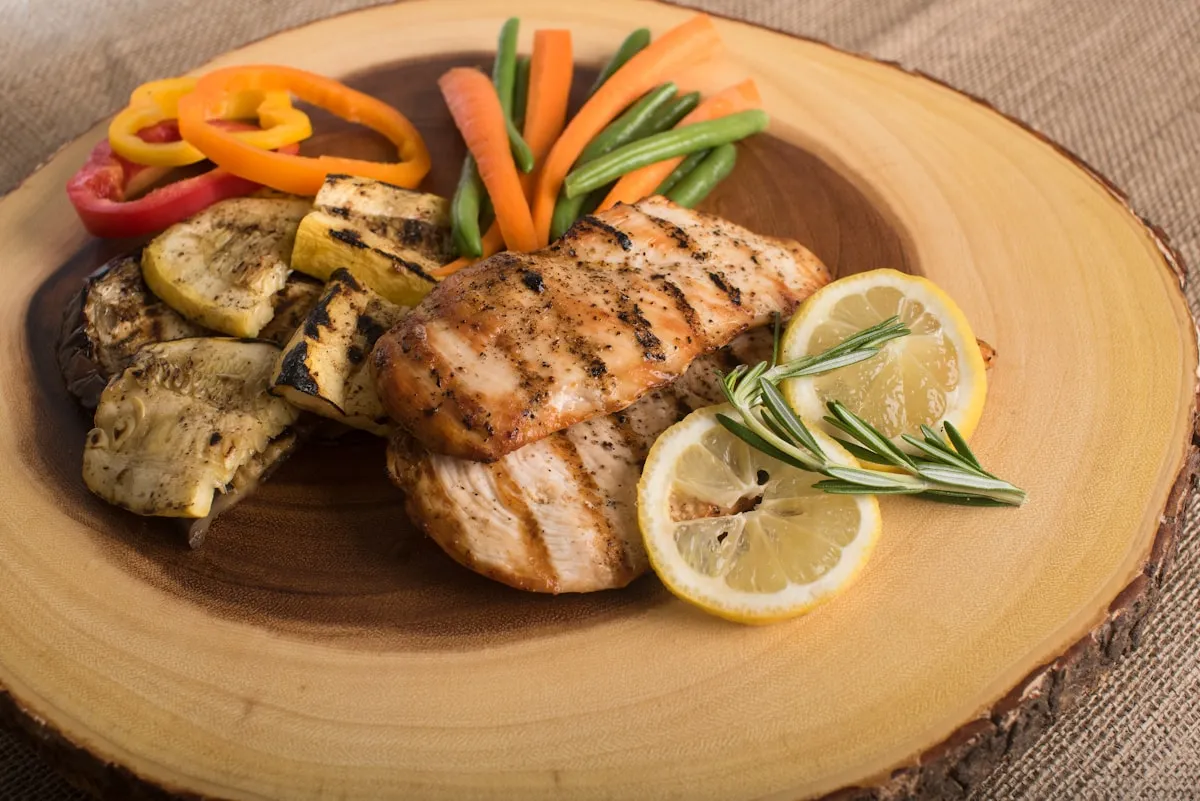
Next, let’s talk about the glaze. Honey isn't just for sweetness; it’s a functional ingredient. It contains natural sugars that caramelize rapidly. When you combine it with the acidity of ginger and the saltiness of soy sauce, you’re creating a complex flavor profile that hits every part of your palate.
Use fresh ginger: never the powdered stuff for this recipe. The gingerol in fresh ginger provides a pungent, spicy kick that cuts right through the richness of the honey. Grate it finely so it melts into the sauce. When you pour that sauce into the hot skillet after the chicken is seared, you’ll see it start to bubble vigorously. This is reduction in action. You are boiling off the water content to concentrate the flavors and create a syrupy viscosity that clings to the meat.
Check your heat levels constantly. Honey has a low burn point. Once the sauce begins to thicken and look like maple syrup, turn the heat down slightly. You want the glaze to coat the chicken, not turn into a charred mess. If you find yourself looking for more healthy dinner ideas, remember that controlling your sugars is key to preventing bitterness in your glazes.
Soulful Variations to Keep It Fresh
Cooking should never be a rigid script. Once you master the base of this honey ginger glaze, you can pivot based on what's in your pantry or your dietary needs.
- The Spicy Kick: If you like heat, add a teaspoon of red chili flakes or a dollop of Sriracha to the glaze. The capsaicin in the chili balances the sweetness of the honey beautifully, creating a "hot honey" vibe that is incredibly addictive.
- The Citrus Twist: Swap out a tablespoon of water for fresh lime or orange juice. The citric acid adds a bright, high-pitched note that lightens the entire dish. This is a great way to transform this into a summer-friendly meal.
- Vegetarian Swap: Not feeling chicken tonight? This glaze works wonders on extra-firm tofu or even thick slices of cauliflower. Just ensure you press the tofu well to remove water, or roast the cauliflower first to get those crispy edges.
- The Crunch Factor: Add a handful of toasted cashews or peanuts at the very end. The contrast between the soft, glazed chicken and the crunchy nuts elevates the texture from simple to sophisticated.
If you’re a fan of air fryer recipes dinner enthusiasts love, you can actually air fry the chicken pieces at 400°F (200°C) for about 10-12 minutes until crispy, then toss them in the warm glaze in a bowl. It’s a great way to use less oil while maintaining that soulful crunch.
Perfect Pairings for a Balanced Plate
A soulful main dish deserves a supporting cast that makes it shine. Since the honey ginger chicken is rich, sweet, and savory, you want sides that provide contrast: either through acidity, freshness, or a neutral base to soak up that liquid gold sauce.
For a classic approach, serve this over a bed of fluffy jasmine rice or quick-cooking rice noodles. If you want to up the "cool" factor, try my viral garlic butter ramen hack as a side; the garlic notes play perfectly with the ginger in the chicken.
If you're keeping things low-carb or looking for more healthy dinner ideas, a simple cucumber salad with rice vinegar and sesame oil provides the perfect acidic "snap" to cut through the honey. Steamed bok choy or snap peas are also fantastic options: they cook in minutes and add a vibrant green pop to your plate.
Glazed Chicken FAQ: Troubleshooting Your Cook
What if my sauce is too thin?
Don't panic. Increase the heat for 60 seconds and keep whisking. The reduction process is all about evaporation. If it’s still stubborn, a tiny slurry of 1/2 teaspoon cornstarch mixed with a teaspoon of cold water will thicken it instantly. Just remember to let it come to a boil after adding the slurry to activate the starch.
Can I use chicken breast instead of thighs?
You can, but proceed with caution. Breast meat dries out faster than you can say "overcooked." Cut the breast into very small, even bite-sized pieces and reduce the sear time. Check the internal temperature: pull it off at 160°F (71°C) and let the carryover heat bring it to the safe 165°F (74°C) while it sits in the glaze.
My ginger is burning! What happened?
You likely added the ginger too early or your pan was screaming hot. Ginger and garlic have high surface areas when minced and will burn quickly. Always add your aromatics just before the liquid components of the glaze to protect them from the direct heat of the pan.
Is it possible to make this ahead of time?
While this is best fresh, you can meal prep it. Store the glazed chicken in an airtight container for up to 3 days. When reheating, add a splash of water or chicken broth to the pan to loosen up the glaze so it becomes glossy again rather than sticky and thick.
Can I use frozen ginger?
Absolutely. In fact, frozen ginger is easier to grate! It creates a fine paste that incorporates seamlessly into the honey. Just avoid the pre-minced jars in the grocery aisle if you can; they often have a metallic aftertaste that can ruin the soulfulness of the dish.
How do I prevent the honey from sticking to the pan?
Deglaze! As soon as you add the liquid ingredients (soy sauce, water, or vinegar), use a wooden spoon to scrape the bottom of the pan. Those browned bits (the fond) will dissolve into the sauce, adding incredible depth and making cleanup a breeze.
{“@type”:”BlogPosting”,”image”:”https://cdn.marblism.com/8Z94-ZFFIRj.webp”,”author”:{“name”:”Penny”,”@type”:”Person”},”@context”:”https://schema.org”,”headline”:”Soulful 15-Minute Honey Ginger Glazed Chicken”,”publisher”:{“logo”:{“url”:”https://cookpedia.com/logo.png”,”@type”:”ImageObject”},”name”:”Cookpedia”,”@type”:”Organization”},”description”:”Discover how to make a soulful, 15-minute honey ginger glazed chicken that is perfect for busy weeknights. Learn the science of the perfect sear and sticky glaze.”,”datePublished”:”2026-06-14″,”mainEntityOfPage”:{“@id”:”https://cookpedia.com/soulful-15-minute-honey-ginger-glazed-chicken”,”@type”:”WebPage”}}