Recipe
Servings
Servings 1×
Ingredients
- Chicken
- Quinoa
- Rice
- Broccoli
- Asparagus
- Carrots
- Zucchini
- Avocado
- Garlic
- Fresh ginger
- Lemon
- Lime
- Honey
- Cooking oil
- Sesame
- Salt
Method
- Place your empty sheet pan in the oven while it’s heating up to 475°F.
- Use a large pan and give every piece of chicken and broccoli its own "personal bubble." If you crowd the pan, the moisture released by the vegetables has nowhere to go.
- Cut your ingredients with a ruler in mind.
- Use a high-smoke-point oil like avocado or grapeseed.
- Toss everything in a bowl before it hits the pan to ensure every nook and cranny is coated.
- Use dried oregano, garlic, and a heavy hand of lemon zest before roasting.
We’ve all been there. It’s 6:00 PM, the fridge is staring back at you with a judgmental hum, and the thought of a multi-pot operation makes you want to order takeout for the fourth time this week. But before you open that delivery app, let me introduce you to my weeknight savior. This sheet pan sauté is the ultimate hall pass for busy cooks. It’s one of those easy dinner recipes that actually delivers on its promise: 15 minutes of heat, one pan to wash, and flavors that taste like you’ve been standing over a stove for an hour.
The Science of the "Sheet Pan Sauté"
The secret to a 15-minute turnaround isn't magic; it’s thermal dynamics. To get that "sautéed" texture in an oven, you have to manipulate heat and moisture with precision. Most people fail at sheet pan meals because they treat the oven like a slow cooker. If you want crispy edges and juicy chicken, you need to think like a scientist.
First, embrace the power of the preheated pan. Place your empty sheet pan in the oven while it’s heating up to 475°F. When you finally toss your ingredients onto that blistering metal, you get an immediate sear. This jumpstarts the Maillard reaction: that glorious chemical reaction between amino acids and reducing sugars that gives browned food its distinctive flavor. Without this initial hit of high heat, your chicken will spend the first five minutes just warming up, leading to a rubbery texture rather than a crisp exterior.
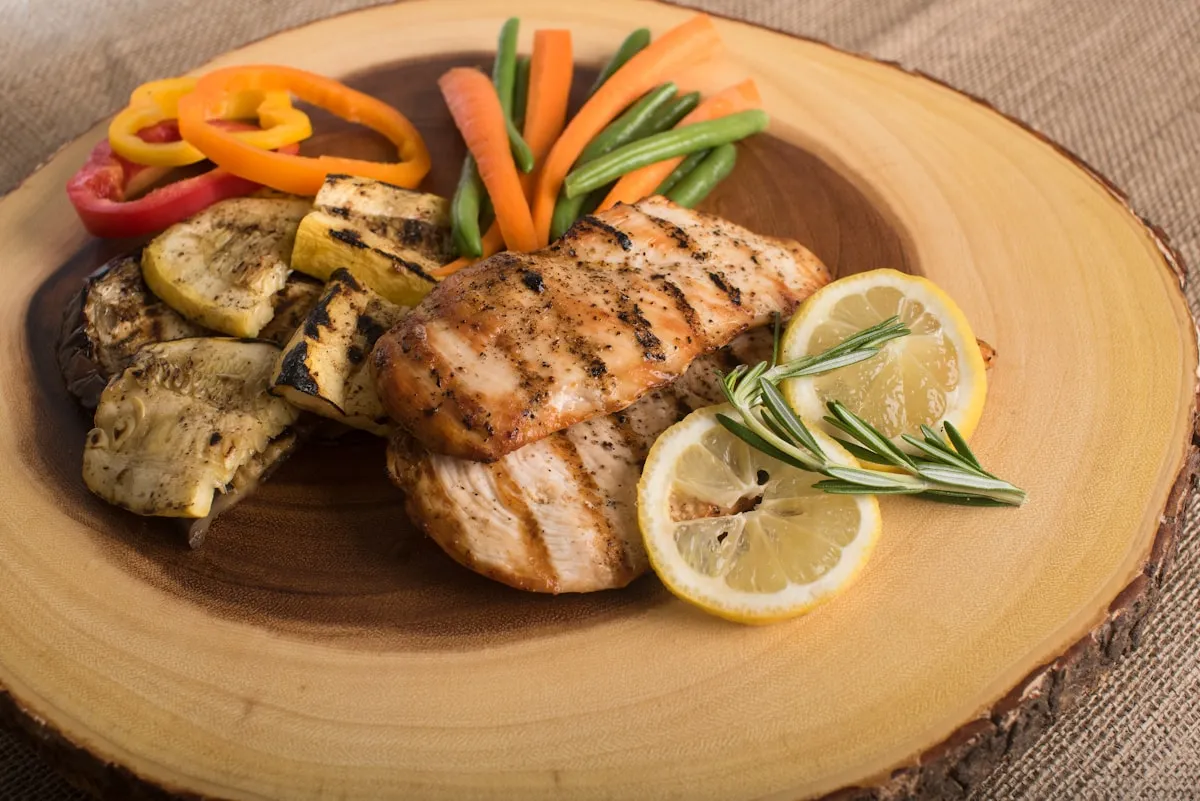
Spacing is your next non-negotiable. Use a large pan and give every piece of chicken and broccoli its own "personal bubble." If you crowd the pan, the moisture released by the vegetables has nowhere to go. It sits between the ingredients, turns into steam, and effectively poaches your dinner. Steamed chicken is a tragedy you don't deserve. If your pan looks like a crowded subway car, split the batch onto two pans.
Cut your ingredients with a ruler in mind. Aim for uniform 1-inch cubes for the chicken and similar-sized florets for your vegetables. This isn't just about aesthetics; it’s about surface-area-to-volume ratios. Smaller pieces cook faster and provide more surface area for browning. Ensure your denser vegetables, like carrots or bell peppers, are sliced slightly thinner than your moisture-heavy ones, like zucchini, so they finish at exactly the same time.
Finally, don't be shy with the oil. Use a high-smoke-point oil like avocado or grapeseed. Oil is the heat conductor that fills the microscopic gaps between the food and the hot pan. It’s the difference between a dry, dusty roast and a succulent sauté. Toss everything in a bowl before it hits the pan to ensure every nook and cranny is coated.
High-Impact Flavor Variations
When it comes to quick family meals, variety keeps the mutiny at bay. The beauty of this technique is that once you master the heat, you can swap the flavor profiles like Lego bricks.
For a Mediterranean vibe, lean into acidity. Use dried oregano, garlic, and a heavy hand of lemon zest before roasting. Once it comes out of the oven, hit it with a splash of red wine vinegar. The sharpness of the vinegar cuts right through the richness of the roasted chicken fat, brightening the entire dish.
If you’re craving something inspired by East Asian flavors, go for a ginger-soy profile. Toss your chicken in sesame oil and plenty of minced ginger. Avoid adding sugary sauces like hoisin or honey at the beginning; at 475°F, sugar turns into carbon faster than you can say "smoke alarm." Instead, glaze the food in the last two minutes of cooking or drizzle it on right before serving. This maintains the balance between savory umami and sweet notes without the bitter taste of burnt sugar.
For those looking for healthy dinner ideas, keep it minimalist. A simple blend of smoked paprika, cumin, and sea salt provides a deep, earthy flavor that feels indulgent without being heavy. The key is to balance earthy spices with a fresh finishing element: think cilantro or a squeeze of lime: to wake up the palate.
Texture and Side Dish Pairings
While this sheet pan wonder is a star on its own, the right side dish can transform it from a "quick fix" into a restaurant-quality experience. The goal is to provide a textural contrast to the roasted elements.
Serve your sauté over a bed of fluffy quinoa or basmati rice. These grains act as a sponge for any residual juices left on the pan (and believe me, you want those juices). If you’re keeping things low-carb, a simple arugula salad with a sharp lemon vinaigrette provides a peppery crunch that offsets the soft, roasted vegetables.
If you’re a fan of high-heat cooking, you might also enjoy experimenting with our air fryer recipes dinner section. The air fryer is essentially a high-powered convection oven, making it perfect for achieving that "sauté" finish on a smaller scale. If you're looking for something even heartier, check out this kielbasa and pierogi roast for a different take on the "one-pan" philosophy.
Common Questions & Troubleshooting
Can I use frozen vegetables for this?
Avoid using frozen vegetables if you are aiming for a true sauté texture. Frozen veggies have a much higher water content due to ice crystals breaking down the cell walls. When they hit the pan, they release all that water at once, turning your "sauté" into a "boil." If you must use them, roast the chicken solo first and add the veggies only after they've been thoroughly thawed and patted dry.
My chicken is cooked, but my veggies are still crunchy. What happened?
This usually comes down to the size of your cuts. Next time, cut your vegetables into smaller pieces or choose "fast" vegetables like thin asparagus, bell peppers, or small broccoli florets. If you’re in the middle of a cook and see this happening, move the chicken to the edges of the pan (where it’s slightly cooler) and move the veggies to the center, or simply pull the chicken off and give the veggies another 3 minutes.
Why shouldn't I use parchment paper?
Use direct metal whenever possible. While parchment paper makes cleanup a breeze, it acts as an insulator. It creates a barrier between the intense heat of the sheet pan and your food, which inhibits that golden-brown crust. If you’re worried about sticking, ensure your pan is properly preheated and you’ve used enough oil. The food will "release" naturally once it has formed a proper crust.
What if I want to use chicken thighs instead of breasts?
Go for it! Chicken thighs are much more forgiving at high temperatures because of their higher fat content. They won't dry out as easily if you accidentally leave them in for an extra 120 seconds. Just be sure to trim any excess skin if you aren't looking for a "crispy skin" finish, as the rendered fat can pool on the pan.
Is this safe for meal prep?
Absolutely. This is one of the best healthy dinner ideas for those who like to cook once and eat twice. However, when reheating, use a skillet rather than a microwave to maintain the texture. A microwave will make the vegetables mushy and the chicken rubbery.
{“@type”:”BlogPosting”,”image”:”https://cdn.marblism.com/rOA-FKUtHcp.webp”,”author”:{“name”:”Cookpedia”,”@type”:”Organization”},”@context”:”https://schema.org”,”headline”:”Fast 15-Minute Chicken & Veggie Sheet Pan Sauté”,”publisher”:{“logo”:{“url”:”https://cookpedia.com/logo.png”,”@type”:”ImageObject”},”name”:”Cookpedia”,”@type”:”Organization”},”description”:”Master the art of the 15-minute sheet pan sauté with this minimalist guide to high-heat roasting for the perfect weeknight chicken and veggie dinner.”,”datePublished”:”2026-06-08″}