Recipe
Servings
Servings 1×
Cook 180 min
Ingredients
- Chicken
- Quinoa
- Orzo
- Rice
- Potatoes
- Broccoli
- Asparagus
- Peas
- Avocado
- Garlic
- Lemon
- Balsamic vinegar
- Butter
- Cooking oil
- Chili seasoning
- Black pepper
Method
- Use a heavy pan, preferably cast iron or stainless steel.
- Pat your chicken skin bone-dry with paper towels.
- Start your thighs skin-side down over medium to medium-high heat.
- Use the "snap test" to find the woody ends.
- Let the chemistry do the work for you.
If you have ever stared into your refrigerator at 6:00 PM wondering how to turn a pack of poultry into something that tastes like it came out of a professional kitchen, you are in the right place. This skillet chicken and asparagus combo is one of my go-to easy dinner recipes because it relies on basic chemistry rather than complex techniques. We are going for that elusive trifecta: crispy skin, juicy interior, and vibrant, snappy vegetables.
The Chemistry of the Crunch: Tips & Techniques
To master this dish, you have to understand what is happening inside that pan. Cooking isn't just about heat; it is about moisture management and chemical transitions. When you toss chicken thighs into a skillet, you are essentially managing a series of reactions that determine whether your dinner is a triumph or a soggy disappointment.
The Maillard Reaction: Why Browning is Flavor
The most important thing to remember is the Maillard reaction. This chemical reaction occurs between amino acids and reducing sugars when exposed to heat, usually between 300°F and 350°F (150°C–175°C). This is where those deep, savory, "browned" flavors come from.
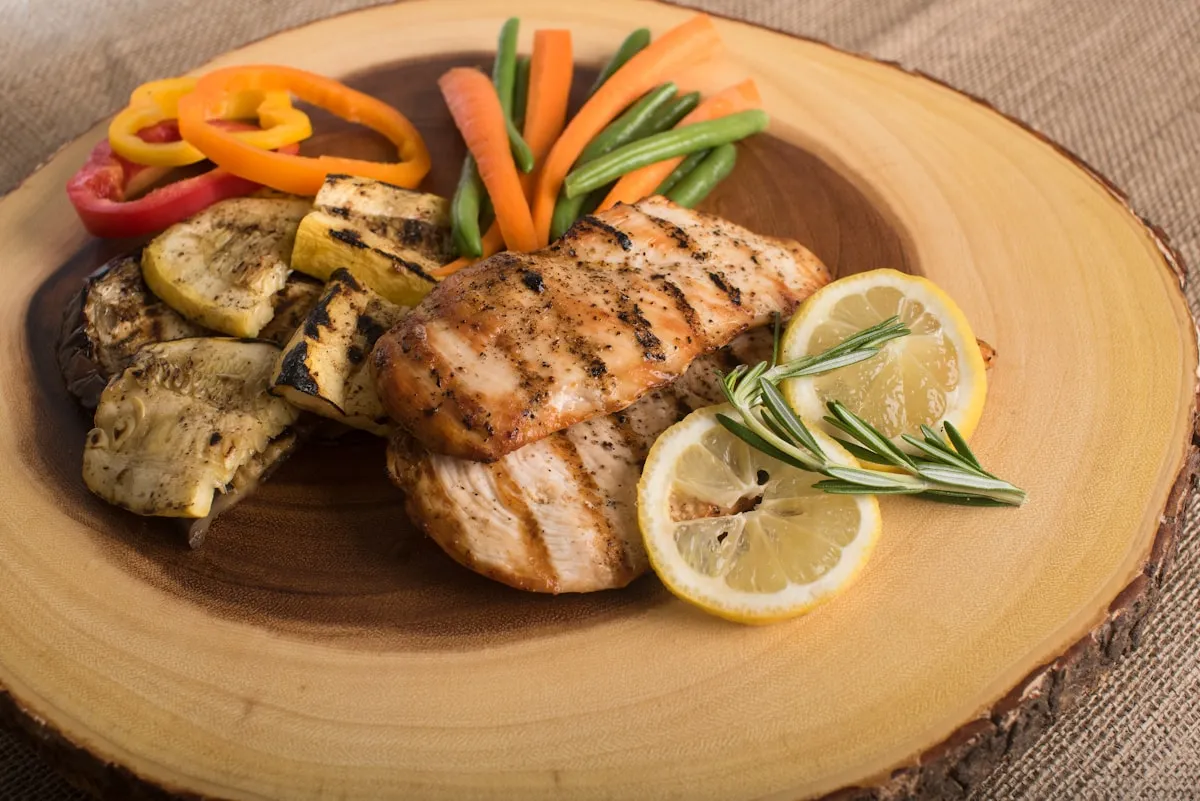
Use a heavy pan, preferably cast iron or stainless steel. These materials have a high thermal mass, meaning they don't drop in temperature significantly when the cold meat hits the surface. Pat your chicken skin bone-dry with paper towels. Water is the enemy of the Maillard reaction. If the skin is wet, the energy from your stove will go into evaporating that water (turning it into steam) rather than browning the protein. This leads to grey, rubbery skin. Always aim for a dry surface to ensure a quick healthy meal that actually tastes gourmet.
Rendering Fat and the Collagen Transition
Unlike chicken breasts, thighs are packed with connective tissue (collagen) and a thick layer of fat under the skin. If you blast the heat too high, you will burn the skin before the fat has a chance to "render": which is just a fancy way of saying melt away. Start your thighs skin-side down over medium to medium-high heat. You want a steady sizzle, not a violent roar.
As the fat renders, it essentially fries the skin in its own oil, leading to that incredible potato-chip crunch. Furthermore, while we are often told that poultry is done at 165°F (74°C), thighs are much better when cooked to 180°F or even 190°F. At these higher temperatures, the collagen in the dark meat breaks down into gelatin. This is the science behind why a thigh feels "juicier" than a breast, even though it has been cooked to a higher temperature.
Asparagus and the Chlorophyll Struggle
Asparagus is a delicate beast. It is composed mostly of water, cellulose (fiber), and chlorophyll. If you overcook it, the heat breaks down the cell walls too much, and the chlorophyll turns from a vibrant emerald to a dull, unappetizing olive-drab.
Use the "snap test" to find the woody ends. Bend a spear until it breaks naturally; that break point is where the tender part begins. When you add them to the skillet, do it after the chicken is mostly done. You want to utilize the leftover chicken fat and the "fond": those browned bits stuck to the bottom of the pan. These bits are concentrated flavor packets. If you want to see how to handle similar skillet pan sauces, check out my guide on achieving the perfect glossy sauce.
Balancing the Plate: Creative Variations
Once you understand the basic physics of the sear, you can start playing with the flavor profile. The goal here is balance. The chicken and butter provide richness and fat, so you need acidity or spice to cut through it.
- The Acid Refresh: Finish the dish with a heavy squeeze of lemon juice or a splash of white wine vinegar. The acid reacts with the fat on your palate, "cleansing" it so every bite feels as fresh as the first.
- The Heat Component: Add red pepper flakes or a teaspoon of fermented chili paste (like Sambal Oelek) to the butter. This provides a back-of-the-throat warmth that pairs beautifully with the earthy asparagus.
- The Herb Infusion: While garlic and butter are the stars, adding woody herbs like rosemary or thyme during the last three minutes of cooking allows the oils in the herbs to infuse the fat. This process is called fat-soluble flavor extraction.
For those looking for quick healthy meals with a twist, try swapping the asparagus for broccolini or snap peas. The science remains the same: high heat, short duration, and plenty of seasoning. If you're in the mood for something even more automated, you might enjoy exploring air fryer sausage and pepper medleys for a similar one-pan vibe.
Perfect Side Dish Pairings
While this skillet meal is a powerhouse on its own, the right side dish can elevate it into a feast. Focus on textures and flavors that provide contrast.
- Grains that Absorb: Since you have created a beautiful garlic butter pan sauce, you don't want to let it go to waste. Serve the chicken over a bed of quinoa, jasmine rice, or even a simple orzo. These "sponges" will soak up the rendered fat and garlic juices.
- Starchy Contrast: If you aren't counting carbs, a crusty baguette is a non-negotiable. Use it to swipe the pan clean. Alternatively, roasted fingerling potatoes provide a nice textural change: creamy on the inside and crispy on the out.
- Bright Green Salads: A simple arugula salad with a balsamic vinaigrette provides a peppery, acidic counterpoint to the buttery chicken. It lightens the entire meal.
Common Pitfalls: The Science-Based FAQ
Cooking is an experiment, and sometimes experiments go wrong. Here is how to fix common issues using logic and a bit of kitchen physics.
Why did my garlic turn bitter and brown?
Garlic contains high amounts of natural sugars and very little water. Because of this, it burns almost instantly at high temperatures. Avoid adding your minced garlic at the beginning of the sear. Instead, add it during the final two minutes of cooking. The residual heat in the fat is more than enough to cook the garlic through without carbonizing it.
Why is my chicken sticking to the pan?
This is usually a result of "premature flipping." When protein hits a hot pan, it initially bonds to the metal. As the Maillard reaction progresses and the crust forms, the meat will naturally release itself from the pan. If you try to move it and it resists, wait thirty seconds. Let the chemistry do the work for you.
Can I use chicken breast instead of thighs?
You can, but you must adjust your expectations and timing. Breasts lack the fat and collagen of thighs, meaning they dry out incredibly fast. If you use breasts, reduce the cooking time and avoid the 180°F target; pull them at exactly 165°F to prevent them from turning into sawdust.
What if my asparagus is too thick?
Thick asparagus has more lignified fiber. If your spears are as thick as a thumb, give them a head start by blanching them in boiling water for 60 seconds before they hit the skillet. This softens the interior so the pan only needs to handle the exterior char.
How do I prevent the butter from burning?
Butter contains milk solids which burn at a relatively low temperature. To get the flavor of butter with a higher smoke point, use a 50/50 mix of butter and avocado oil, or use Ghee (clarified butter), which has had the milk solids removed. This allows you to get that high-heat sear without the acrid taste of burnt dairy.
This skillet masterpiece is one of those easy dinner recipes that proves you don't need a culinary degree to eat well. By respecting the heat and understanding the ingredients, you turn a Tuesday night meal into a scientific success. Check your pan temperature, pat that chicken dry, and enjoy the sizzle!