Recipe
Servings
Servings 1×
Ingredients
- Chickpeas
- Pasta
- Rice
- Greek yogurt
- Bread
- Cauliflower
- Greens
- Apple
- Lime
- Tahini
- Coconut milk
- Butter
- Cooking oil
- Curry spices
- Turmeric
- Salt
Method
- Use a high-heat pan and don’t crowd it.
- Use a small amount of oil and let those spices sizzle for thirty seconds until your kitchen smells like a dream.
- Keep your cooking time short and your heat high.
- Toss the florets in the spiced oil and let the convection heat do the work.
- Cut your cauliflower into small, bite-sized pieces to ensure they cook through quickly.
You’ve had one of those days. The kind where the clock seems to be sprinting and your energy is doing a slow crawl. I get it. We all want to eat well, but sometimes the thought of a complex kitchen project feels like a personal attack. That is exactly why I’ve fallen in love with this 15-minute curried cauliflower. It is the ultimate solution for anyone hunting for quick healthy meals that actually taste like they took an hour to develop. It’s warm, it’s earthy, and it’s soulful enough to make you forget you were ever stressed.
The Science of the Sear and the Bloom
Cooking is just a series of delicious chemical reactions, and when you’re moving fast, you have to make those reactions work overtime. The first thing you need to understand about cauliflower is that it is essentially a dense, crunchy sponge. It has a high water content but a relatively neutral flavor profile, which makes it the perfect canvas for spices. However, if you just toss raw cauliflower into a pot with some powder, you’re going to end up with a sad, steamed mess that tastes like "beige."
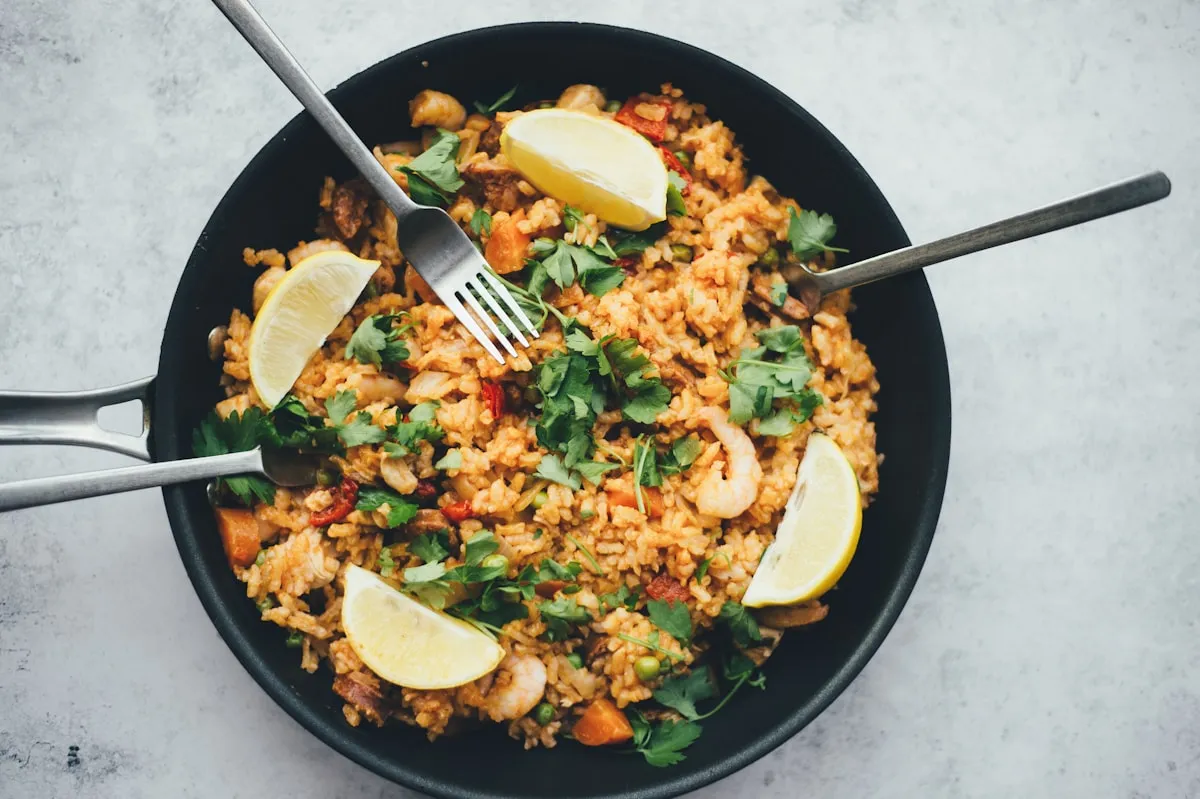
Instead, focus on the Maillard reaction. This is the browning that happens when proteins and sugars are transformed by heat. Use a high-heat pan and don’t crowd it. When those florets hit the hot surface, they should sizzle immediately. That char isn't just for looks; it creates a nutty, meaty depth that balances the natural sweetness of the vegetable.
Equally important is the concept of "blooming" your spices. Most of the flavor compounds in things like cumin, turmeric, and coriander are fat-soluble. This means they need to be toasted in oil or ghee to truly wake up. If you dump your spices into a liquid-heavy sauce, they’ll stay muted and a bit grainy. Use a small amount of oil and let those spices sizzle for thirty seconds until your kitchen smells like a dream. Only then do you add your cauliflower. This ensures the flavor is locked into the fat, which then coats every single nook and cranny of the florets.
Avoid boiling your cauliflower at all costs. Overcooking releases sulfur compounds: the same ones responsible for that "old cabbage" smell. Keep your cooking time short and your heat high. You want the center of the floret to be tender but still offer a slight, satisfying resistance to your teeth. Check the texture frequently; the difference between perfection and mush is often just sixty seconds.
Effortless Variations for Every Mood
The beauty of this minimalist approach is how easily it adapts to what you have in the pantry. If you’re feeling like you need a bit more heft, toss in a can of drained chickpeas. They’ll crisp up right alongside the cauliflower and add a boost of plant-based protein, making this one of those quick healthy meals you can rely on for a full dinner.
For a richer, more comforting vibe, splash in a half-cup of full-fat coconut milk at the very end. The fat in the coconut milk will latch onto the bloomed spices and create a glossy, velvety sauce. It’s a similar technique to how we achieve a perfect glossy pasta sauce over in our Italian section: it’s all about emulsification and fat.
If you have a few extra minutes and want to stay completely hands-off, you can take these same flavor principles to the air fryer. Toss the florets in the spiced oil and let the convection heat do the work. It’s a fantastic way to get that deep char without much monitoring. We use a similar "one-basket" philosophy for our air fryer sausage and peppers, which is another lifesaver on busy Tuesdays.
Balancing the Plate
A soulful meal is all about balance. Curried cauliflower is warm, earthy, and sometimes a little spicy, so you need something to cut through that richness. I always recommend serving this with a cooling element. A dollop of plain Greek yogurt or a drizzle of tahini sauce works wonders. The acidity in the yogurt reacts with the spices to brighten the whole dish, making the flavors pop rather than feel heavy.
For texture, think about crunch. A sprinkle of toasted slivered almonds or even some simple sunflower seeds provides a necessary contrast to the tender cauliflower. If you’re serving this as a main, a side of fluffy basmati rice or a charred piece of flatbread is non-negotiable. The grains act as a neutral base that lets the spiced florets shine, while the bread is perfect for swiping up any stray bits of flavored oil left on the plate.
Troubleshooting Your Quick Curry
What if my cauliflower stays raw in the middle but burns on the outside?
This usually happens because your heat is a touch too high or your florets are too large. Cut your cauliflower into small, bite-sized pieces to ensure they cook through quickly. If they’re browning too fast, add a tiny splash of water: just a tablespoon: to the pan and cover it with a lid for sixty seconds. The steam will finish the interior without ruining the exterior char.
Can I use frozen cauliflower for this?
You can, but be warned: it will never get as crispy as fresh. Frozen cauliflower has been blanched and then frozen, which breaks down the cell walls and releases a lot of moisture. If you’re using frozen, skip the pan-sear and go straight for a high-heat roast or an air fryer. Thaw it completely and pat it dry with a towel before you even think about adding oil.
Why does my curry taste flat?
Check your acidity. Often, a "flat" taste isn't a lack of salt or spice, but a lack of acid. A squeeze of fresh lime juice or a tiny splash of apple cider vinegar right before serving will wake up the spices and provide the "lift" the dish needs. It’s a small trick that separates a decent home cook from a soulful one.
Is this actually healthy?
Absolutely. By focusing on spice blooming rather than drowning the vegetable in heavy creams or excessive butter, you keep the nutrient profile high. Cauliflower is packed with fiber and vitamin C, and spices like turmeric are well-known for their anti-inflammatory properties. It’s one of the best quick healthy meals you can have in your repertoire because it fills you up without weighing you down.
How do I store and reheat leftovers?
Store them in an airtight container in the fridge for up to three days. When reheating, avoid the microwave if you can; it will make the cauliflower rubbery. Instead, toss the florets back into a dry skillet over medium heat for a few minutes. This helps revive that crispy exterior and warms the spices back up to their aromatic best.
{“@type”:”BlogPosting”,”image”:[“https://cdn.marblism.com/o2qwfGKAPGn.webp”,”https://cdn.marblism.com/oyrfUHh4NU2.webp”,”https://cdn.marblism.com/_h8JgIbA6aq.webp”,”https://cdn.marblism.com/hK-XK8CrL9v.webp”],”author”:{“name”:”Penny”,”@type”:”Person”,”jobTitle”:”AI Blog Writer”,”affiliation”:{“name”:”Cookpedia”,”@type”:”Organization”}},”@context”:”https://schema.org”,”headline”:”Simply Spiced: 15-Minute Curried Cauliflower”,”publisher”:{“logo”:{“url”:”https://cookpedia.com/logo.png”,”@type”:”ImageObject”},”name”:”Cookpedia”,”@type”:”Organization”},”description”:”Learn the science behind perfect 15-minute curried cauliflower. Focus on spice blooming and the Maillard reaction for a quick healthy meal that’s full of soul.”,”datePublished”:”2026-06-06″,”mainEntityOfPage”:{“@id”:”https://cookpedia.com/simply-spiced-15-minute-curried-cauliflower”,”@type”:”WebPage”}}