Recipe
Servings
Servings 1×
Ingredients
- Pasta
- Noodles
- Rice
- Eggs
- Broccoli
- Carrots
- Zucchini
- Mushrooms
- Spinach
- Kale
- Greens
- Peas
- Cucumber
- Avocado
- Garlic
- Fresh ginger
- Lime
- Cooking oil
Method
- Use a high-heat oil like grapeseed or avocado, avoid olive oil here, as its low smoke point will leave you with a bitter, smoky kitchen rather than a delicious dinner.
- Start with your "aromatic" base: ginger and garlic.
- Use the "layering" technique: add the firmest items first, let them sear, and toss the leafy greens like bok choy or spinach in at the very last second.
Forget the delivery app and the forty-minute wait for a lukewarm cardboard box. You can whip up a vibrant, soul-satisfying bowl of vegetable lo mein in less time than it takes to find a matching pair of socks. This is one of those budget friendly recipes that relies on the magic of high heat and a few pantry staples to transform humble vegetables into a gourmet feast. It is fresh, fast, and light-years ahead of the greasy takeout version you are used to.
The Art of the Quick Stir-Fry
The secret to a restaurant-quality lo mein isn't a secret ingredient; it is physics. When you toss noodles and vegetables into a screaming-hot pan, you are engaging in the Maillard reaction. This chemical process creates that distinct, savory "browned" flavor that makes stir-fries so addictive. To master this, keep your pan or wok moving. Use a high-heat oil like grapeseed or avocado, avoid olive oil here, as its low smoke point will leave you with a bitter, smoky kitchen rather than a delicious dinner.
Structure your cooking by density. Not all vegetables are created equal in the eyes of heat. Start with your "aromatic" base: ginger and garlic. These release their essential oils almost instantly. Follow them with "hard" vegetables like carrots or broccoli stems. If you dump everything in at once, your delicate greens will turn to mush while your carrots stay unpleasantly raw. Use the "layering" technique: add the firmest items first, let them sear, and toss the leafy greens like bok choy or spinach in at the very last second. The residual heat is enough to wilt them perfectly without sacrificing their vibrant color.
Acidity and sugar are your best friends when balancing the sauce. A classic lo mein sauce is an emulsion of savory soy and toasted sesame oil. The sugar isn't just for sweetness; it helps the sauce "cling" to the noodles through caramelization. This is why lo mein looks glossy rather than wet. If your sauce is sliding off the noodles and pooling at the bottom of the bowl, you likely haven't allowed enough moisture to evaporate. Check your heat, if the pan isn't sizzling when the sauce hits, turn it up.
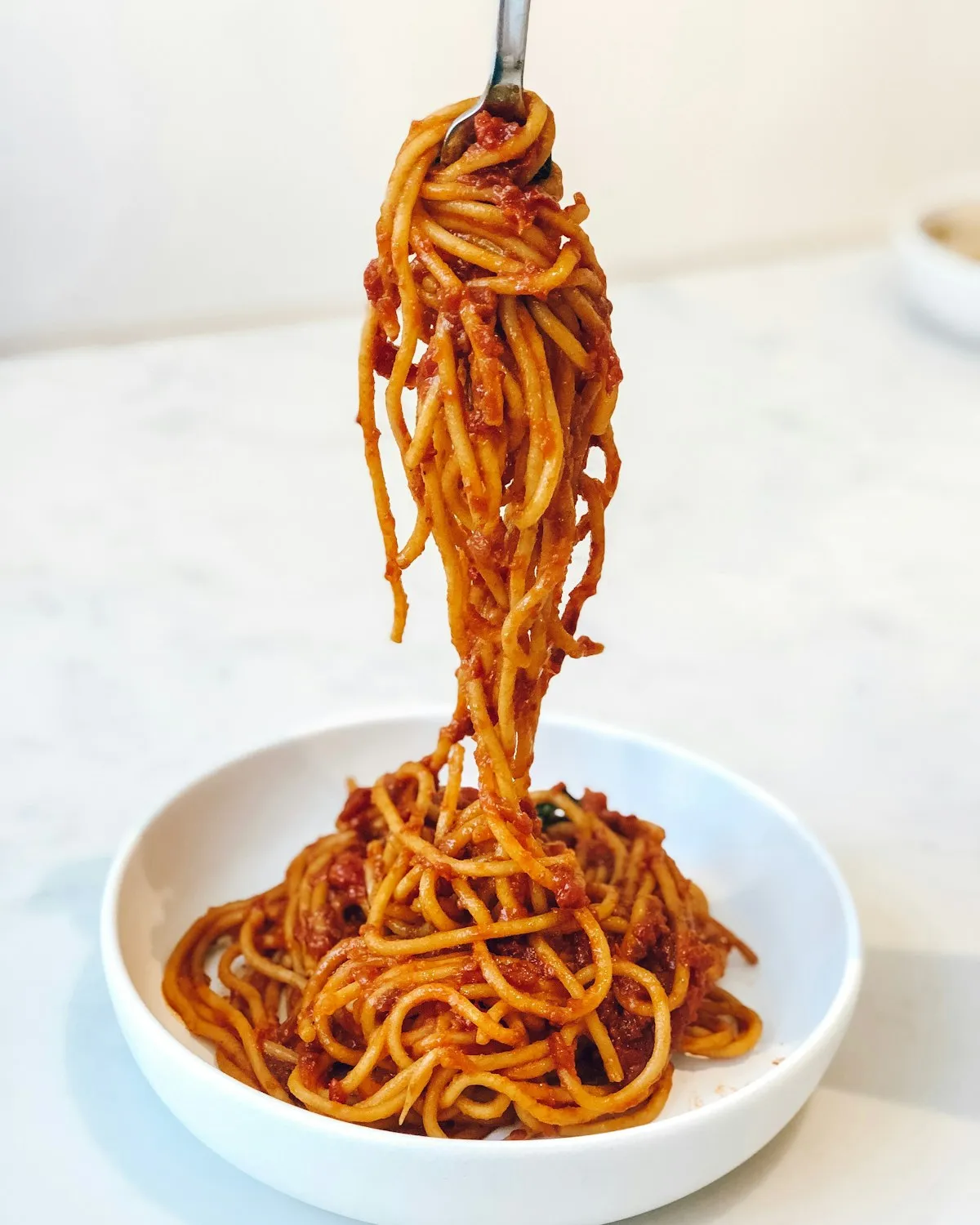
When searching for simple pasta recipes, we often forget that egg noodles are just as versatile as spaghetti. The texture of a good lo mein noodle should be "al dente" with a slight chew. Avoid over-boiling them before they hit the pan. In fact, if you can find fresh or par-boiled noodles, use them. They have a higher moisture content that allows them to absorb the stir-fry sauce more effectively without becoming bloated. If you are using dried noodles, drain them while they still have a firm "snap" in the center.
Mixing It Up: Flavor Variations
While the classic soy-sesame-ginger profile is a winner, don't feel caged by tradition. If you want something with more "bite," introduce a tablespoon of chili crisp or sriracha into your sauce mix. The capsaicin in the peppers provides a heat that cuts through the richness of the sesame oil. For those who prefer a deeper, umami-forward dish, try adding a splash of vegetarian mushroom sauce. It mimics the earthy depth of oyster sauce without using animal products, making this one of the most versatile budget friendly recipes in your rotation.
You can also lean into different regional profiles. Swap the traditional cabbage for shredded kale and add a squeeze of lime at the end for a brighter, more "fusion" style dish. If you find yourself staring at a fridge full of random leftover produce, use it. Snap peas, bell peppers, and even thinly sliced zucchini work beautifully here. The goal is a balance of textures: something crunchy, something soft, and something chewy. This flexibility is exactly why we love simple pasta recipes; they act as a canvas for whatever you have on hand.
The Perfect Plate: Side Dish Pairings
Even a bowl of noodles this good benefits from a little company on the plate. Balance is the keyword here. Since lo mein is rich, salty, and savory, your side dishes should provide acidity or a cooling contrast. A quick smashed cucumber salad with a splash of rice vinegar and a pinch of sugar is the ultimate partner. The cold, crisp cucumbers act as a palate cleanser between bites of warm, savory noodles.
If you want something heartier, consider a side of blanched greens with a light garlic dressing. It reinforces the "healthy" aspect of the meal while adding a different layer of bitterness to the meal. For a bit of crunch, serve your lo mein alongside some air-fried spring rolls or even a simple slaw made with rice wine vinaigrette. The goal is to provide a break from the soft texture of the noodles. Avoid heavy, creamy sides; you want to maintain the "quick and light" energy of the main dish.
Frequently Asked Questions
Can I use regular spaghetti if I can't find egg noodles?
Yes, you can. In the world of simple pasta recipes, spaghetti is a surprisingly good substitute for lo mein noodles. The key is in the preparation. Boil the spaghetti in heavily salted water but pull it out two minutes before the package directions suggest. To give them that classic yellowish hue and slippery texture, toss the drained spaghetti with a teaspoon of toasted sesame oil immediately. This prevents sticking and adds a layer of authentic flavor before they even touch the wok.
Why do my vegetables always turn out soggy?
Soggy vegetables are usually the result of "crowding the pan." When you put too many cold vegetables into a pan at once, the temperature drops instantly. Instead of searing, the vegetables begin to steam in their own juices. To fix this, cook in batches if you have a small pan, or ensure your heat is at the highest possible setting. Use a wide skillet if you don't own a wok; the more surface area the vegetables have, the faster the moisture evaporates.
Is this recipe really budget-friendly?
Absolutely. Most of the cost in takeout comes from the protein and the delivery fees. By sticking to seasonal vegetables and pantry staples like soy sauce and sugar, you are keeping the cost per serving extremely low. It is one of the most effective budget friendly recipes for feeding a family or meal-prepping for the week. Plus, vegetables like cabbage and carrots have a long shelf life, meaning less food waste in the long run.
My sauce is too salty, how do I fix it?
Saltiness usually comes from using full-sodium soy sauce or adding extra salt to the vegetables while they cook. Do not add salt to the pan; the soy sauce provides all the sodium you need. If the final dish is too salty, balance it with a teaspoon of sugar or a squeeze of lime juice. The acidity of the lime or the sweetness of the sugar will distract your taste buds from the salt. You can also toss in a handful of fresh bean sprouts or extra noodles to dilute the intensity.
How do I store and reheat leftovers?
Store your lo mein in an airtight container in the fridge for up to three days. When reheating, avoid the microwave if possible, as it tends to make the noodles rubbery. Instead, toss them back into a hot pan with a tiny splash of water or broth. The steam will loosen the sauce and revive the texture of the noodles in about two minutes. If you must use a microwave, cover the bowl with a damp paper towel to keep the moisture locked in.
Ready to dive deeper into the world of fast, fresh flavors? Check out our Recipe Database for more quick family meals and healthy dinner ideas. Whether you are a keto enthusiast or a plant-based pro, we have the techniques to help you master the kitchen.