Recipe
Servings
Servings 1×
Ingredients
- Steak
- Tofu
- Chickpeas
- Black beans
- Beans
- Quinoa
- Rice
- Avocado
- Onion
- Tahini
- Black pepper
Method
- Let’s be honest: your weeknight brain doesn't want a culinary project; it wants a win.
- Use the "Rule of Quarters" as your non-negotiable guide.
- Use pre-cooked grain pouches or frozen quinoa.
- Rinse canned beans thoroughly to remove excess sodium.
Let’s be honest: your weeknight brain doesn't want a culinary project; it wants a win. You’re looking for something that feels like a hug in a bowl but doesn't require a three-hour commitment to the stove. That’s where the Buddha bowl saves the day. It’s the ultimate "choose your own adventure" meal: minimalist, soulful, and ready faster than you can scroll through your feed. If you’ve been hunting for plant-based dinner ideas that actually leave you feeling full, you’ve just found your new best friend.
The Science of the Perfect Bowl Balance
Creating a Buddha bowl isn't just about throwing random leftovers into a dish and hoping for the best. To make this one of your go-to healthy dinner ideas, you need to understand the biological logic behind the layers. We aren't just eating for calories; we’re eating for sustained energy and metabolic harmony.
Use the "Rule of Quarters" as your non-negotiable guide. Imagine your bowl divided: half of it must be dedicated to vegetables. This provides the bulk, micronutrients, and fiber required to slow down digestion. The remaining half is split equally between a complex carbohydrate (the fuel) and a high-quality plant protein (the building blocks).
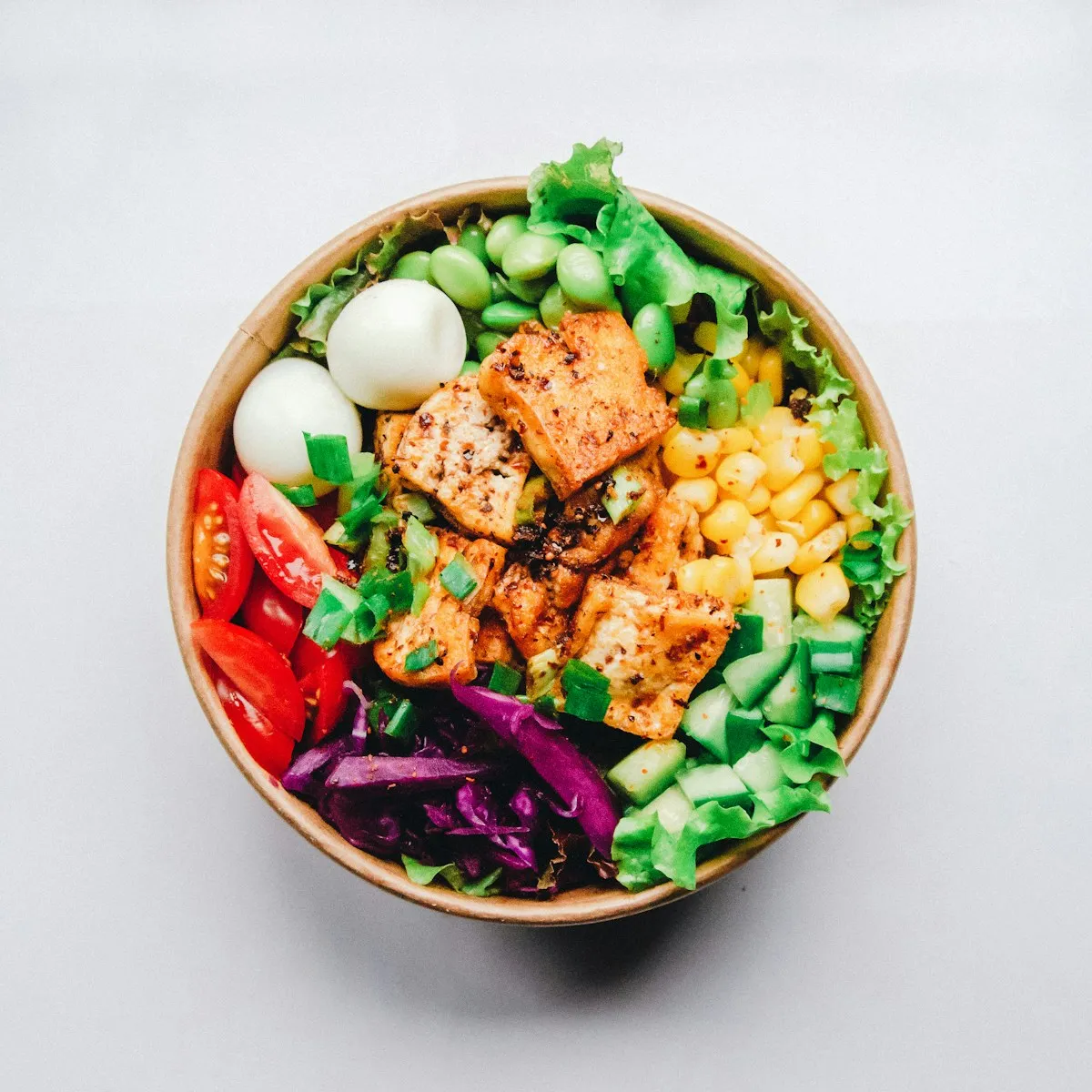
Why does this specific ratio matter? It’s all about the amino acid profile. Unlike animal proteins, most plant sources are "incomplete," meaning they lack one or more essential amino acids. However, when you pair a grain like brown rice or quinoa with a legume like chickpeas or black beans, you create a "complete" protein. Your body doesn't care if that protein came from a steak or a bean-and-grain combo; it just needs the pieces to assemble.
Don't skip the fat. I mean it. Vitamins A, D, E, and K are fat-soluble, meaning your body literally cannot absorb them from those beautiful greens without a source of lipid. Whether it’s a creamy tahini dressing, a scoop of avocado, or a handful of toasted seeds, that fat is the "key" that unlocks the nutrients in your bowl. It also triggers the release of satiety hormones, telling your brain that you are officially "done" eating.
To hit that 15-minute mark, lean on modern conveniences. Use pre-cooked grain pouches or frozen quinoa. Rinse canned beans thoroughly to remove excess sodium. If you’re feeling fancy, you can even use an air fryer to crisp up some tofu while you chop your veggies: much like the technique used in our air fryer sausage pepper onion medley to get that perfect char without the wait.
Variations to Keep Your Palate Excited
The beauty of the Buddha bowl lies in its versatility. Once you master the base ratio, you can pivot styles based on what’s in your pantry. If you’re craving something bold and nutty, go for a Satay-inspired bowl. Swap your standard vinaigrette for a spicy peanut sauce and use edamame as your primary protein source. Edamame is a powerhouse, offering a complete amino acid profile all on its own, making it a stellar choice for quick family meals that need a protein punch.
Alternatively, lean into Mediterranean flavors. Use a base of farro or couscous, top with chickpeas, and add a generous dollop of hummus. Instead of a cooked vegetable, use a massaged kale salad or a quick cucumber and tomato mix. The acidity from a lemon-tahini dressing will brighten the earthy tones of the grains. If you have five extra minutes, toss some tofu in a sesame glaze and air-fry it until golden; it provides a structural contrast that makes the bowl feel like a restaurant-quality dish.
Side Dish Pairings for Structural Balance
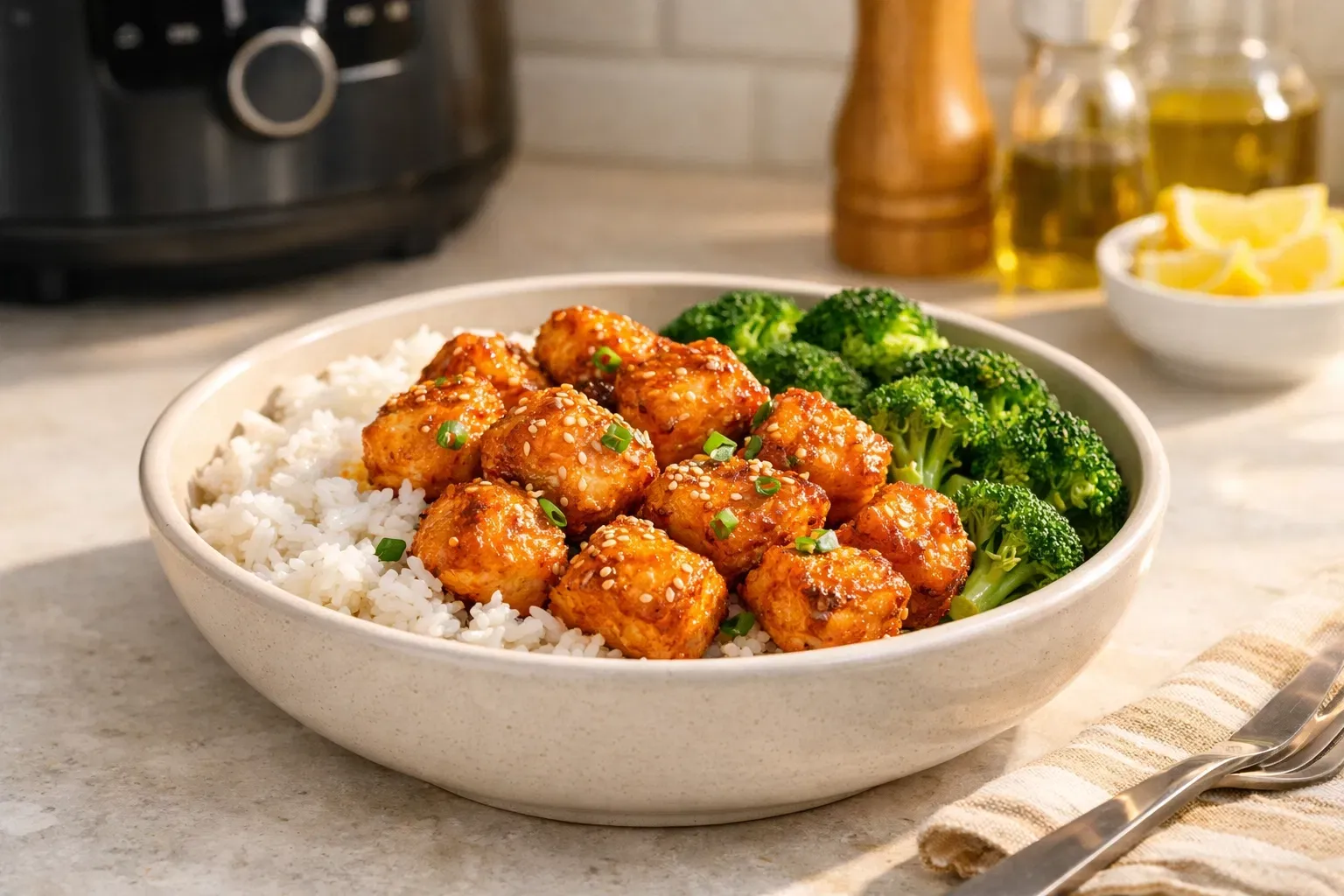
While the Buddha bowl is a complete meal in itself, sometimes you want a little "extra" on the side to round out the experience. The secret to a great pairing is contrast. Since Buddha bowls tend to be earthy and hearty, look for side dishes that provide high acidity or sharp crunch.
A bright arugula salad with a sharp balsamic glaze is a fantastic companion. The peppery bite of the arugula cuts through the creamy textures of avocado or tahini. If your bowl is leaning towards Asian-inspired flavors, a side of quick-pickled radishes or a small dish of kimchi adds essential probiotics and a refreshing snap. Think of your side dish as the "bright" note that balances the "bass" of your grain bowl. Avoid heavy, starchy sides; you’ve already got your complex carbs in the bowl. Stay focused on freshness and acidity to keep the meal feeling light and soulful.
Frequently Asked Questions
Can I prepare Buddha bowls for the whole week?
Absolutely, but strategy is key. Keep your "wet" and "dry" components separate. Grains and proteins can be prepped in bulk and stored together, but keep your dressing in a separate small container. If you add the sauce on Monday, you’ll be eating a soggy mess by Wednesday. Also, keep your greens at the very top of your storage container so they don't get crushed or wilted by the heavier ingredients below.
Why do I feel hungry shortly after eating a plant-based bowl?
If you’re finding yourself raiding the snack cabinet an hour later, you likely missed one of the three pillars of satiety: fiber, protein, or fat. Most people skip the fat because they’re trying to be "healthy," but as we discussed, fat is essential for hormone signaling. Ensure you have at least 15-20 grams of protein and a healthy serving of unsaturated fats. If you need more inspiration for hearty sauces, check out our guide on achieving the perfect glossy sauce for some emulsification tips that work for dressings too.
Do I have to cook the vegetables?
Not at all. A mix of raw and cooked is actually ideal. Raw vegetables like shredded carrots or cabbage provide "mechanical satiety": the act of chewing more actually helps your brain register fullness. Cooked vegetables, like roasted sweet potatoes or steamed broccoli, are often easier on the digestive system and provide a comforting, warm element to the bowl.
Is quinoa better than rice for these bowls?
"Better" is subjective, but from a strictly nutritional standpoint, quinoa is a complete protein and has a lower glycemic index than white rice. This means it provides a slower, more stable release of energy. However, if you prefer the texture of jasmine or basmati rice, go for it! Just ensure you’re getting your complete proteins from other sources in the bowl, like a combination of beans and seeds.
What if I don't like tahini?
No problem. Use a nut butter (like almond or peanut), a sunflower seed butter, or even a thick avocado-based crema. The goal is a creamy, fat-rich component that binds the disparate elements of the bowl together. Avoid thin, watery dressings that just pool at the bottom; you want something that clings to the grains.
{“@type”:”BlogPosting”,”image”:”https://cdn.marblism.com/f-_zAqI1Axx.webp”,”author”:{“name”:”Penny”,”@type”:”Person”},”@context”:”https://schema.org”,”headline”:”Simple Plant-Based Buddha Bowl in 15 Minutes”,”keywords”:”plant-based dinner ideas, quick family meals, healthy dinner ideas”,”publisher”:{“logo”:{“url”:”https://cookpedia.com/logo.png”,”@type”:”ImageObject”},”name”:”Cookpedia”,”@type”:”Organization”},”description”:”Learn the science of the perfect 15-minute plant-based Buddha bowl. Master the balance of protein, fiber, and healthy fats for a quick and soulful weeknight dinner.”,”datePublished”:”2026-06-08″,”mainEntityOfPage”:{“@id”:”https://cookpedia.com/simple-plant-based-buddha-bowl-15-minutes”,”@type”:”WebPage”}}