Recipe
Servings
Servings 1×
Ingredients
- Chicken
- Shrimp
- Pork
- Penne
- Pasta
- Bread
- Broccoli
- Tomatoes
- Garlic
- Lemon
- Coconut milk
- Cream
- Butter
- Cooking oil
- Black pepper
Method
- Add a splash of vodka, and you suddenly unlock a layer of complexity that water alone can’t touch.
- Use a mid-range vodka for this; don’t break the bank on the top-shelf stuff, but avoid anything that smells like industrial cleaner.
- Add most of your vodka during the simmer to extract those tomato flavors, but save a tiny teaspoon to stir in right at the very end.
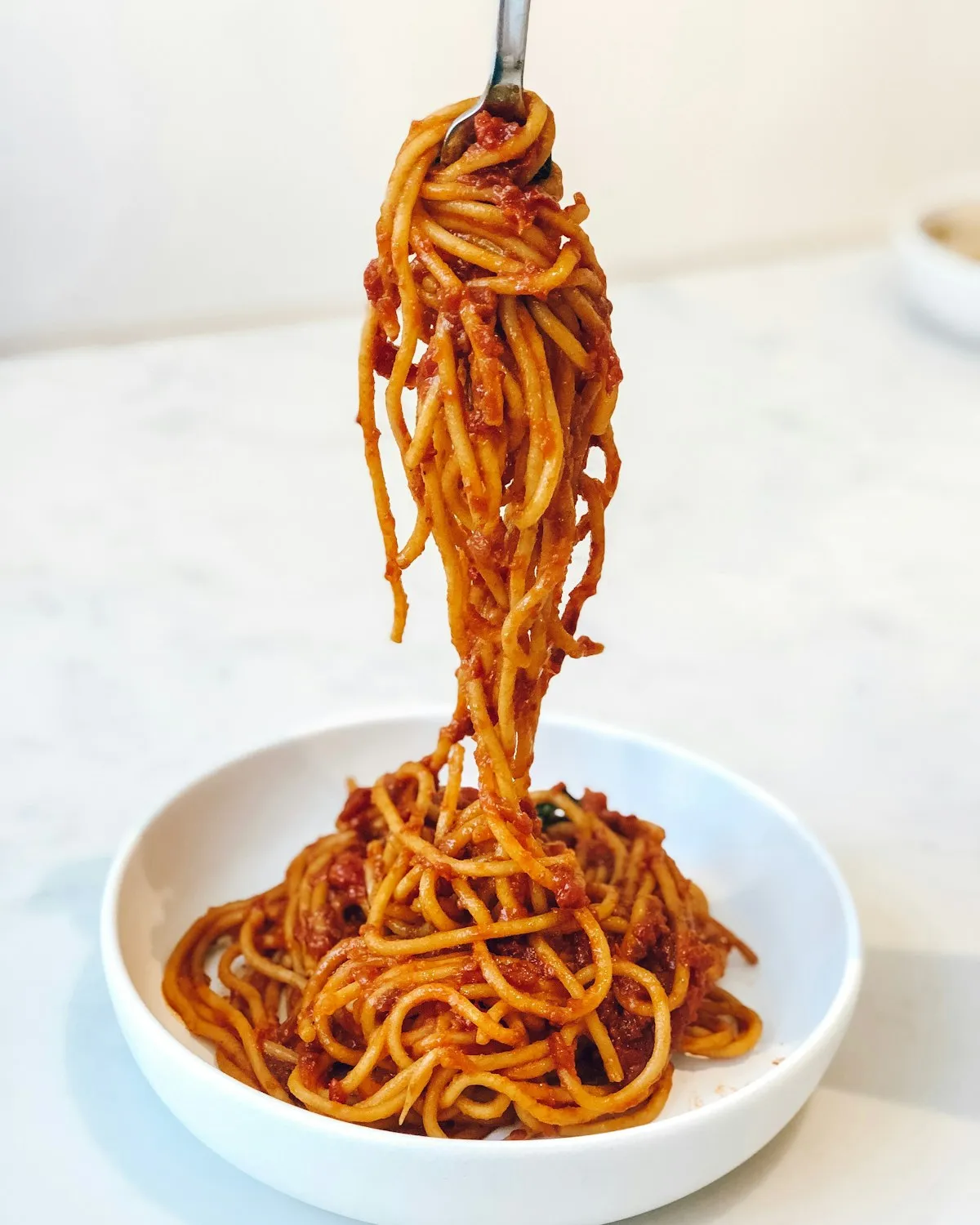
There is something undeniably magnetic about a bowl of penne drowning in a velvety, sunset-orange sauce. It’s the ultimate comfort food that feels sophisticated without demanding you spend three hours hovering over a hot stove. If you are looking for simple pasta recipes that bridge the gap between "I'm too tired to cook" and "I deserve a five-star meal," this is your holy grail. It’s rich, slightly boozy, and surprisingly approachable for any night of the week.
The Chemistry of the Splash: Why Vodka Matters
You might think adding vodka to a tomato sauce is just a marketing gimmick or a way to use up that bottle from last year’s holiday party. It isn't. There is actual, hard science happening in your pan. Tomatoes contain specific flavor compounds that are alcohol-soluble. This means that no matter how much you simmer them in water or oil, those specific "sweet-tart" notes remain locked away. Add a splash of vodka, and you suddenly unlock a layer of complexity that water alone can’t touch.
Think of vodka as a flavor bridge. It connects the bright acidity of the tomatoes with the heavy richness of the cream. Without it, the sauce can feel disjointed, like a heavy cream soup with some tomato floating in it. With it, the sauce becomes a cohesive, unified force of nature. Use a mid-range vodka for this; don’t break the bank on the top-shelf stuff, but avoid anything that smells like industrial cleaner.
When you add the vodka, do it off the heat. This is a non-negotiable safety tip. Alcohol vapors are flammable, and a sudden flare-up is a quick way to ruin your evening. By adding it away from the flame, you allow the liquid to integrate safely. Once it’s in, bring it back to a simmer. You want to cook off the harsh "burn" of the alcohol while leaving behind those volatile aromatics.
Another trick is the "double-tap" method. Add most of your vodka during the simmer to extract those tomato flavors, but save a tiny teaspoon to stir in right at the very end. This maintains a fresh, sharp aroma that cuts through the fat of the cream. It’s the difference between a good sauce and a great one. While this isn't exactly one of those air fryer recipes dinner enthusiasts talk about, the efficiency of the stovetop here is just as satisfying for quick family meals.
Beyond the Basic Bowl: Flavor Variations
While the classic version is iconic, my blog is all about making things your own. If you want to lean into healthy dinner ideas, try swapping the heavy cream for a high-quality full-fat coconut milk or a cashew cream. You lose the traditional dairy tang, but you gain a nutty depth that pairs beautifully with the acidity of the tomato paste.
For those who crave heat, "Penne alla Vodka Arrabiata" is the answer. Double the amount of red pepper flakes and let them bloom in the oil before you add your aromatics. The capsaicin in the peppers is also alcohol-soluble, meaning the vodka will actually make the spicy notes feel more "integrated" into the sauce rather than just sitting on top of your tongue.
If you need more protein, stir in some pancetta or crispy bacon at the beginning. The rendered pork fat adds a smoky undercurrent that makes the whole dish feel much heartier. You can also toss in some grilled chicken or sautéed shrimp at the end. Just remember: the sauce is the star. Don't overcrowd the pan or you'll lose that silky texture that makes this one of the best simple pasta recipes in your repertoire.
Balancing the Richness: What to Serve on the Side
Because Penne alla Vodka is inherently heavy, thanks to the butter, cream, and cheese, your side dishes need to provide a counter-balance. Avoid serving this with another heavy starch like garlic bread unless you're planning on a very long nap immediately afterward. Instead, focus on high-acidity and crunch.
A simple arugula salad with a sharp lemon vinaigrette is my go-to pairing. The bitterness of the greens and the zing of the lemon juice act as a "palate cleanser," cutting through the richness of the vodka sauce and making every bite of pasta feel fresh again. If you want something warm, try roasted broccolini with a heavy squeeze of lemon and some charred garlic.
The goal here is contrast. The pasta is soft, creamy, and warm; the side should be crisp, acidic, and bright. This balance is what turns a single dish into a complete, restaurant-quality meal. You can find more inspiration for balanced plates over at Cookpedia, where we focus on making high-impact flavors accessible for the home cook.
Frequently Asked Questions
Can I make this sauce without the vodka?
Technically, yes, but you won't have "Penne alla Vodka": you'll have a creamy tomato sauce. The vodka serves a chemical purpose by releasing alcohol-soluble flavors. If you must skip the booze, use a squeeze of fresh lemon juice or a splash of white wine vinegar at the end to provide some of that missing acidity, though the texture won't be quite as emulsified.
Why did my sauce separate or look oily?
This usually happens because the heat was too high when the cream was added, or the sauce didn't emulsify properly. To fix this, ensure you are whisking constantly when adding the cream. If it still looks broken, add a splash of starchy pasta water. The starch acts as a stabilizer and helps bind the fats and liquids back together.
Is the alcohol safe for children?
Most of the ethanol evaporates during the simmering process, especially if you let it bubble for at least 5-7 minutes. However, a tiny residual amount remains. If you are serving very young children or have strict dietary restrictions, you might feel more comfortable sticking to our other quick family meals that don't involve spirits.
Can I use fresh tomatoes instead of canned?
You can, but canned tomatoes (specifically San Marzano) are preferred for their consistent acidity and sugar content. Fresh tomatoes can be hit-or-miss depending on the season. If you do use fresh, you must peel and deseed them first, otherwise, the skins will ruin the velvety texture of the sauce.
How do I store and reheat leftovers?
Pasta with cream sauce is notoriously difficult to reheat because the fat tends to separate. Store it in an airtight container for up to three days. When reheating, do it on the stove over low heat and add a tablespoon of water or milk to loosen the sauce. Avoid the microwave if possible, as it tends to "break" the emulsion and leave you with a greasy mess.
What if I don't have penne?
Any "extruded" pasta with ridges (like rigatoni or fusilli) works well because the sauce clings to the grooves. Avoid long, thin noodles like spaghetti, as they don't have the surface area to carry the weight of this specific sauce effectively. Stick to shapes that can "trap" the creaminess inside.
Whether you're looking for healthy dinner ideas or just a way to spice up your Tuesday, this penne is the answer. It’s fast, it’s scientific, and most importantly, it’s delicious. Go get that skillet hot!