Recipe
Servings
Servings 1×
Ingredients
- Shrimp
- Pasta
- Noodles
- Bread
- Spinach
- Peas
- Garlic
- Lemon
- Hard cheese
- Butter
- Cooking oil
- Salt
- Black pepper
Method
- Sear them in batches if you have to.
- Use freshly grated cheese.
- Use it to swipe up any leftover garlic butter sauce at the bottom of the bowl.
You know those nights when the clock is ticking, the fridge looks bleak, and you’re about ten seconds away from ordering lukewarm takeout? We’ve all been there. My secret weapon for these moments is a classic that never fails: Quick Garlic Butter Shrimp Pasta. It’s the ultimate 15-minute victory. This isn't just one of those simple pasta recipes that tastes like an afterthought; it’s a high-impact, restaurant-quality meal that uses the magic of emulsification and simple pantry staples to save your evening.
If you can boil water and peel a clove of garlic, you can master this. It’s soulful, accessible, and focuses on the "real food" philosophy we live by at Cookpedia. No fluff, just flavor.
The Science of the 15-Minute Emulsion
To master this dish, you have to understand the "why" behind the technique. We aren't just dumping butter on noodles; we are creating a silky, cohesive sauce that clings to every strand of pasta. This starts with the shrimp.
Shrimp is a lean protein that cooks incredibly fast: usually in under four minutes. The science here is simple: heat causes the proteins to denature and recoil. If you cook them too long, they lose all their moisture and turn into rubber balls. Watch for the color change. As soon as that translucent gray turns to an opaque pearly pink and the shrimp curls into a "C" shape, get them out of the pan. Overcrowding the pan is a non-negotiable mistake. If you put too many shrimp in at once, the pan temperature drops, the shrimp release water, and they end up steaming instead of searing. Sear them in batches if you have to.
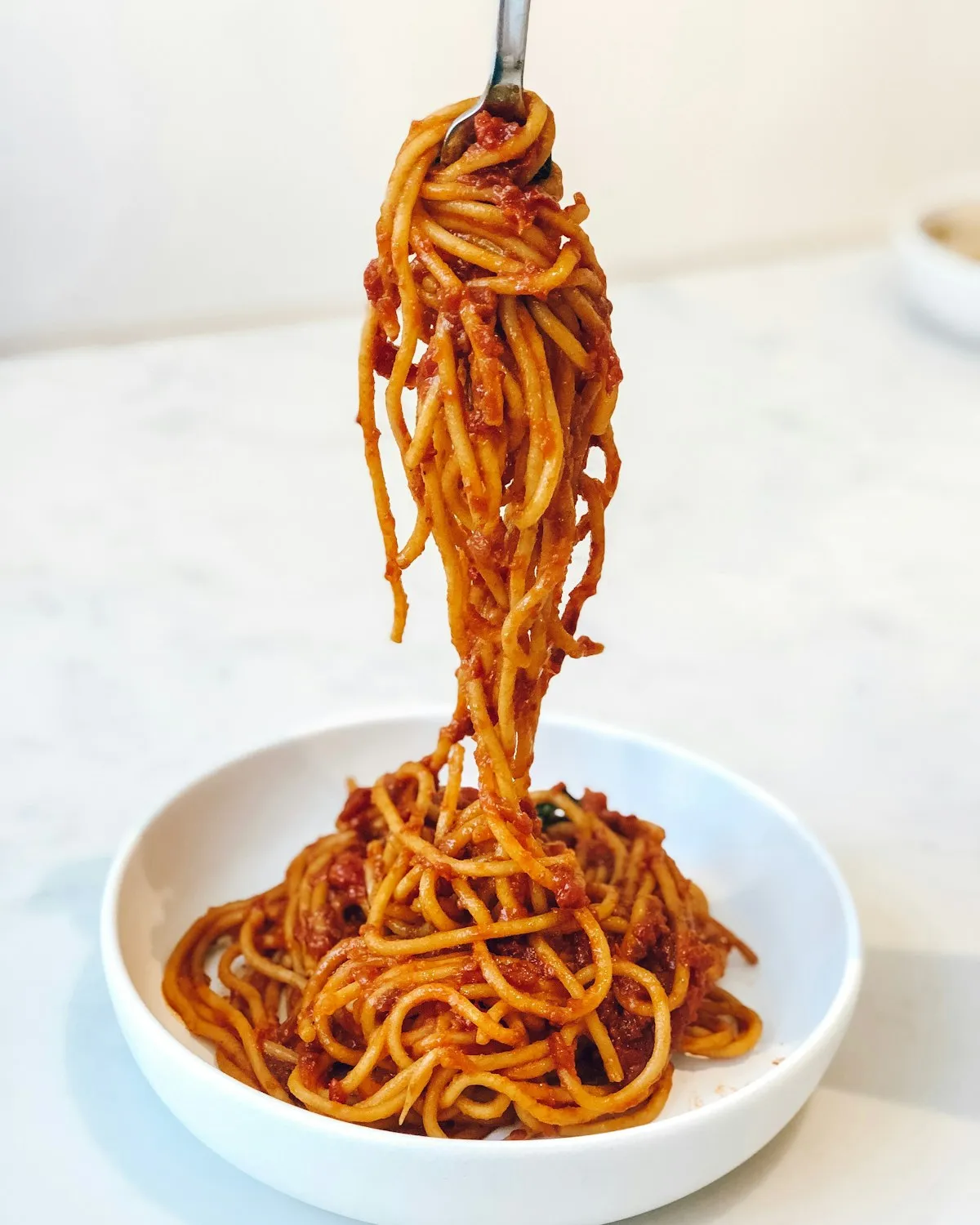
The real magic happens with the liquid gold: the pasta water. Never, and I mean never, dump all your pasta water down the drain. This water is packed with starch released from the flour as the pasta boils. When you whisk this starchy liquid into your melted butter and garlic, you are performing a culinary feat called emulsification. The starch acts as a stabilizer, binding the fats (butter) and the liquids (lemon juice and water) into a uniform sauce that won't break or look oily.
Treat your garlic with respect. Mince it finely to increase the surface area, which releases more of those pungent aromatic compounds. But be careful: garlic contains sugars that burn at very low temperatures. Melt your butter over medium-low heat and let the garlic "bloom" until it’s fragrant but not browned. If it turns dark brown, it turns bitter, and you’ll have to start over. There’s no saving burnt garlic.
Lastly, let's talk about the Parmesan. This isn't just for salt; it adds umami and further thickens the sauce. Use freshly grated cheese. The pre-shredded stuff in the green can or even the "fresh" bags at the grocery store are often coated in cellulose (wood pulp) to prevent clumping. That cellulose prevents the cheese from melting smoothly into your sauce. For a truly luxurious mouthfeel, grate it yourself right over the pan.
Creative Variations for Every Palate
While the garlic-butter-lemon trifecta is hard to beat, simple pasta recipes are meant to be a canvas for your kitchen creativity.
If you want a kick of heat, add a generous pinch of red pepper flakes to the butter while the garlic is blooming. The fat in the butter will carry the capsaicin throughout the entire dish, giving you a warm, balanced hum of spice rather than sharp, disconnected bites of heat.
For those looking for healthy dinner ideas, try folding in two big handfuls of fresh baby spinach at the very end. The residual heat from the pasta will wilt the leaves in about thirty seconds, adding a pop of color and a boost of iron without requiring any extra cooking time. Frozen peas are another great addition; toss them into the boiling pasta water during the last minute of cooking for a sweet, bright contrast to the rich butter.
If you’re out of lemons, don't panic. A splash of dry white wine (like Pinot Grigio or Sauvignon Blanc) can provide the necessary acidity to cut through the fat of the butter. Just make sure to let the wine simmer for a minute to cook off the raw alcohol flavor before adding your pasta water. It adds a sophisticated depth that makes this feel less like a "quick fix" and more like a planned feast.
Pairing for Balance
Because this pasta is rich with butter and parmesan, you need side dishes that provide high acidity or a crisp texture to reset your palate between bites.
I always recommend a simple arugula salad tossed in a sharp lemon-shallot vinaigrette. The peppery bite of the arugula and the zing of the lemon perfectly balance the heavy fats in the pasta. It’s a classic move that prevents the meal from feeling too "one-note."
If you’re leaning into the comfort food vibe, a piece of crusty sourdough is mandatory. Use it to swipe up any leftover garlic butter sauce at the bottom of the bowl. If you have an air fryer, you can make a quick garlic toast in minutes: it’s a great way to round out these quick family meals without turning on the big oven. Just brush the bread with olive oil, add a sprinkle of salt, and air fry at 400°F for 3 minutes. It’s the perfect crunchy companion to the tender shrimp.
Frequently Asked Questions
Can I use frozen shrimp for this recipe?
Absolutely. In fact, most "fresh" shrimp at the grocery store was previously frozen and thawed behind the counter. Buying them frozen is often better because they are frozen at sea, preserving their texture. The science-backed trick here is to thaw them properly. Place them in a bowl of cold (not hot!) water for about 15-20 minutes. Pat them completely dry with paper towels before they hit the pan. If they are wet, they will steam instead of searing, and you’ll lose that golden exterior.
Why did my sauce turn out watery or oily?
This usually happens because the emulsion didn't form or it "broke." If the sauce looks like a puddle of oil at the bottom of the bowl, you likely didn't use enough pasta water or you didn't whisk it vigorously enough. The starch in the water is the glue. Next time, try adding the pasta water a splash at a time and tossing the pasta constantly over medium heat. This physical agitation helps the fat and water molecules bond. If it’s already oily, try adding a tablespoon more of pasta water and a handful of parmesan, then toss rapidly.
Is there a way to make this lower in calories?
For those seeking healthy dinner ideas, you can swap half of the butter for high-quality extra virgin olive oil. You’ll still get a great flavor profile, but with more heart-healthy fats. You can also increase the ratio of vegetables: like zucchini noodles or steamed broccoli: to pasta to bulk up the volume without adding significant calories.
How do I reheat leftovers without the shrimp turning into rubber?
Reheating shrimp is tricky. The best method is to do it gently. Avoid the microwave if possible, as it cooks from the inside out and will toughen the protein in seconds. Instead, put the pasta in a skillet with a tiny splash of water or milk over low heat. Cover it for a minute to let the steam warm everything through, then toss until the sauce re-creams. Remove it from the heat the moment it’s warm.
What’s the best pasta shape for this?
Linguine or spaghetti are the traditional choices because their long, flat surfaces provide plenty of area for the thin garlic butter sauce to coat. However, if you're cooking for kids, short shapes like fusilli or penne are great because the "screws" and tubes trap the garlic bits and small pieces of shrimp, making it easier to eat. The science of sauce-to-pasta ratio stays the same: just ensure the pasta is al dente so it finishes cooking in the sauce.