Recipe
Servings
Servings 1×
Ingredients
- Penne
- Pasta
- Noodles
- Bread
- Garlic
- Lemon
- Cooking oil
- Chili seasoning
- Salt
Method
- Use this rule: save more pasta water than you think you need .
- Keep the heat moderate and warm the garlic until it smells fragrant , not until it looks like a crouton.
- Use the same technique with a pinch of chili flakes.
- Heat dulls fresh lemon flavor and can push it toward harshness.
- Use shapes that love that:
You know those nights when you want dinner now, but your fridge is basically a light and a questionable jar of pickles? This is the dinner. Pasta with tuna and capers is the kind of pantry-friendly magic trick that tastes like you planned ahead (you didn’t; I won’t tell). It’s salty-briny, lemony, glossy in that “real Italian weeknight” way, and it checks the box for simple pasta recipes you can actually repeat without pulling up a 37-step video.
Tips & Technique: Build a Glossy, Briny Sauce Without “Cooking” the Tuna
Treat this like an emulsion, not a “sauce”
This dish lives or dies on one thing: getting olive oil and pasta water to cling to the noodles instead of pooling sadly at the bottom of the bowl. Do that by tossing hot pasta with hot oil and starchy pasta water. The starch acts like a gentle thickener and helps the oil disperse into a silky coating (think: salad dressing that finally behaves).
Use this rule: save more pasta water than you think you need. You can always stop adding it, but you can’t un-drain it. Aim to reserve at least a cup.
Salt the water like you mean it (because tuna is salty)
Capers are salty. Tuna is salty. So if you oversalt the pasta water and dump in capers straight from the jar, you can end up with a dish that tastes like a sea shanty.
Do this instead:
- Salt the pasta water well, but don’t go wild.
- Rinse capers if they’re aggressively briny (especially if they’re salt-packed). Keep a few un-rinsed if you want more punch: just don’t pretend you weren’t warned.
Bloom the aromatics gently: don’t toast them into bitterness
Garlic in olive oil is the start of greatness… until it turns brown and bitter in 12 seconds. Keep the heat moderate and warm the garlic until it smells fragrant, not until it looks like a crouton.
Want extra depth? Use the same technique with a pinch of chili flakes. Heating chili flakes in oil releases fat-soluble flavor compounds, meaning you get warmth that tastes integrated, not sprinkled-on-later spicy.
Make capers earn their keep
Capers aren’t just salty little poppers. When they hit warm oil, they release their aroma and mellow slightly, turning from “sharp brine” into “rounded savory tang.” Let them sizzle briefly in the oil before you add pasta. That tiny step makes the whole dish taste more intentional.
Add tuna at the end, off-heat (non-negotiable)
Canned tuna is already cooked. If you simmer it like ground beef, it goes dry and chalky fast.
Do this:
- Turn off the heat before adding tuna.
- Fold it in gently so you keep some chunks instead of turning it into paste.
- If you’re using tuna packed in olive oil, use some of that oil as part of your sauce base. It’s basically pre-seasoned flavor.
Lemon is not just “brightness”: it’s balance
This recipe is rich(ish) from oil, salty from tuna and capers, and savory from all the above. Acid is what makes it feel light.
Use lemon in two ways:
- Zest for aroma (citrus oils = fragrance without extra sourness).
- Juice for acidity (adds lift and cuts the richness).
Add juice at the end. Heat dulls fresh lemon flavor and can push it toward harshness.
Choose a pasta shape that holds onto “thin” sauce
This is not a chunky tomato ragù. It’s a slick coating. Use shapes that love that:
- Long noodles (spaghetti/linguine) for that glossy, twirlable finish.
- Short shapes with ridges (rigatoni/penne) if you want more texture and “catch.”
Either way, finish the pasta in the pan for a minute or two while tossing. Don’t just pour sauce on top and hope for the best.
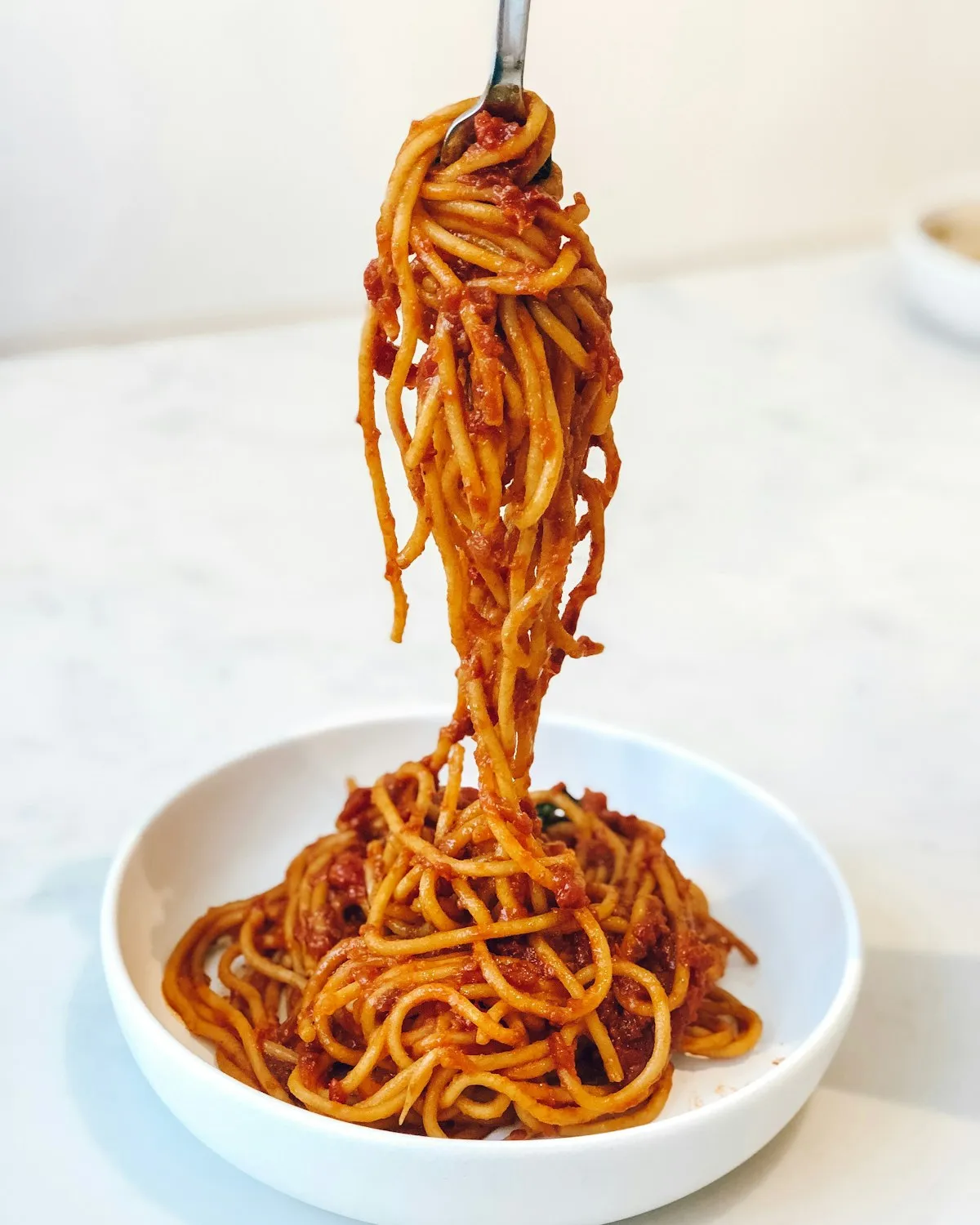
Variations: Keep It Pantry-Friendly, Keep It Interesting
1) Tomato-leaning (still simple)
Want it a little more saucy? Add a small amount of tomato: just enough to round the edges without turning it into marinara. Use a spoonful of tomato paste or a few canned tomatoes if you have them. Keep the capers and lemon; the acidity will taste sharper against tomato (in a good way), so add lemon gradually and taste as you go.
2) Anchovy “I swear it doesn’t taste fishy”
If you have anchovies, use one or two. Melt them into the warm oil with garlic. They disappear and leave behind deep savory umami. This turns a basic pantry dinner into something that tastes like it came from a tiny restaurant with three tables and a chalkboard menu.
3) Olive swap for capers (or double down)
No capers? Use chopped olives. They bring brine and fat, but they’re less sharp than capers. If you have both, use both: just keep the quantities modest so you don’t steamroll the tuna.
4) Add greens without “making a salad”
If you have arugula or spinach, toss a handful in at the very end so it barely wilts. You want freshness, not soggy greens. This is an easy way to nudge the dish toward healthy dinner ideas without changing the pantry vibe.
5) Crunch factor (because texture matters)
If you’ve got breadcrumbs, toast them in a little olive oil until golden and sprinkle on top. It’s the fastest way to make the dish feel “finished,” plus it adds the crunch your brain thinks should be there.
Side Dish Pairings: Use Acid, Crunch, and Cold to Balance the Brine
This pasta is salty, oily, and punchy. Pair it with sides that refresh your palate.
- Simple green salad with a sharp vinaigrette. Use lemon or vinegar to echo the pasta’s brightness. Avoid creamy dressings; you don’t need more richness.
- Roasted or steamed broccoli with lemon. Brassica bitterness plays nicely with tuna and capers. Add citrus to connect the flavors.
- Cucumber salad (cold + acidic). Keep it crisp. Think vinegar, salt, maybe a little dill if you’re feeling fancy.
- Garlicky sautéed greens. Use spinach, chard, or whatever you’ve got. Keep it quick; you’re aiming for fresh and snappy.
- A crunchy bread situation. Use it to mop up the glossy oil-and-lemon sauce. Don’t skip this if you’re a “sauce left on the plate” person.
These pairings make the meal feel complete, which is exactly what you want when you’re chasing quick family meals that don’t involve five separate pans.
FAQ: What If I Only Have…? (And How to Fix Common Issues)
What if I only have tuna in water, not oil?
Use it. Just accept you’ll need more olive oil for richness and mouthfeel. Tuna in oil gives you a head start because the oil is already flavored. With tuna in water, drain it well and compensate with good olive oil. Then lean harder on lemon zest and black pepper for aroma.
What if my pasta looks dry and the sauce isn’t coating?
You didn’t use enough pasta water, or you didn’t toss long enough. Fix it fast:
- Add a splash of hot pasta water.
- Toss vigorously over low heat for 30–60 seconds.
You’re encouraging an emulsion. Oil + starch + agitation = glossy coating.
What if it tastes too salty?
Common culprit: capers straight from the jar plus salty tuna. Fix it with balance, not denial:
- Add more plain pasta (if you have it cooked).
- Add more lemon juice carefully (acid distracts from salt, but too much will make it sour).
- Add a drizzle of extra olive oil (fat softens salt perception).
Next time, rinse capers and taste before adding extra salt.
What if I don’t have capers?
Use chopped olives, a tiny splash of pickle brine, or even chopped pickles in a pinch. You’re chasing briny acidity. Keep it restrained; you can always add more.
What if I don’t have lemon?
Use a mild vinegar (white wine vinegar is ideal). Add it at the end like you would lemon juice. Don’t cook it too long: vinegar can turn sharp and aggressive when reduced.
What if my garlic burned?
Start over. Seriously. Burnt garlic will haunt the entire dish. It’s bitter, and there’s no “just add more lemon” fix that truly works. Keep heat moderate and move the garlic around in the oil. If you’re prone to distraction, slice garlic thicker so it’s more forgiving.
What if my tuna turned mushy?
You stirred too hard or cooked it too long. Fold it in gently off-heat and keep some chunks intact. Texture matters here: tuna should feel like a topping folded through, not a paste.
What if I want this to feel more “healthy” without losing the comfort?
Do these:
- Add greens at the end (arugula/spinach).
- Use whole-wheat pasta if you like it.
- Keep oil measured (you want gloss, not grease).
This is one of those healthy dinner ideas that doesn’t taste like a compromise: if you keep the lemon and briny elements doing the heavy lifting.
Can I make it ahead?
It’s best fresh. Oil-based pasta tends to drink up sauce as it sits. If you must, store it and reheat gently with a splash of water to loosen. Add fresh lemon zest/juice right before eating to wake it back up.
If you’re building a rotation of simple pasta recipes that don’t require a full grocery run, keep this one in your back pocket. It’s pantry-friendly, fast, and reliably good: exactly the kind of meal that keeps weeknights from turning into cereal nights.
Sources (for further reading and technique notes):
- https://www.recipetineats.com/canned-tuna-pasta/
- https://www.foodiecrush.com/mediterranean-tuna-pasta/
- https://vikalinka.com/quick-tuna-pasta-with-capers/
- https://italian-connection.com/italian-food-culture/pasta-with-capers-olives-and-tuna/
{“@type”:”Article”,”image”:[“https://cdn.marblism.com/4KYisBh9sZY.webp”,”https://cdn.marblism.com/oJ73wwOe0uD.webp”,”https://cdn.marblism.com/YKOdTdHNo5i.webp”,”https://cdn.marblism.com/XMNPI6s0roa.webp”,”https://cdn.marblism.com/YMZouvdwOgx.webp”],”author”:{“url”:”https://cookpedia.com”,”name”:”Cookpedia”,”@type”:”Organization”},”@context”:”https://schema.org”,”headline”:”Simple Pasta with Tuna and Capers”,”publisher”:{“url”:”https://cookpedia.com”,”name”:”Cookpedia”,”@type”:”Organization”},”description”:”A pantry-friendly guide to simple pasta with tuna and capers, focused on technique: emulsifying olive oil with pasta water, balancing briny flavors, and finishing with lemon for a fast weeknight meal.”,”dateModified”:”2026-06-01″,”datePublished”:”2026-06-01″,”mainEntityOfPage”:{“@id”:”https://cookpedia.com”,”@type”:”WebPage”}}